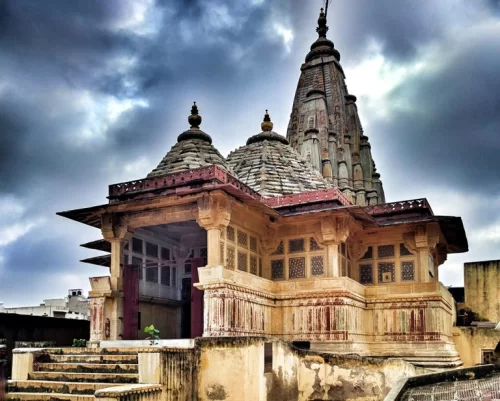
Tripolia Gate Jaipur – Royal Gateway of the City Palace

Tripolia Gate , Jaipur
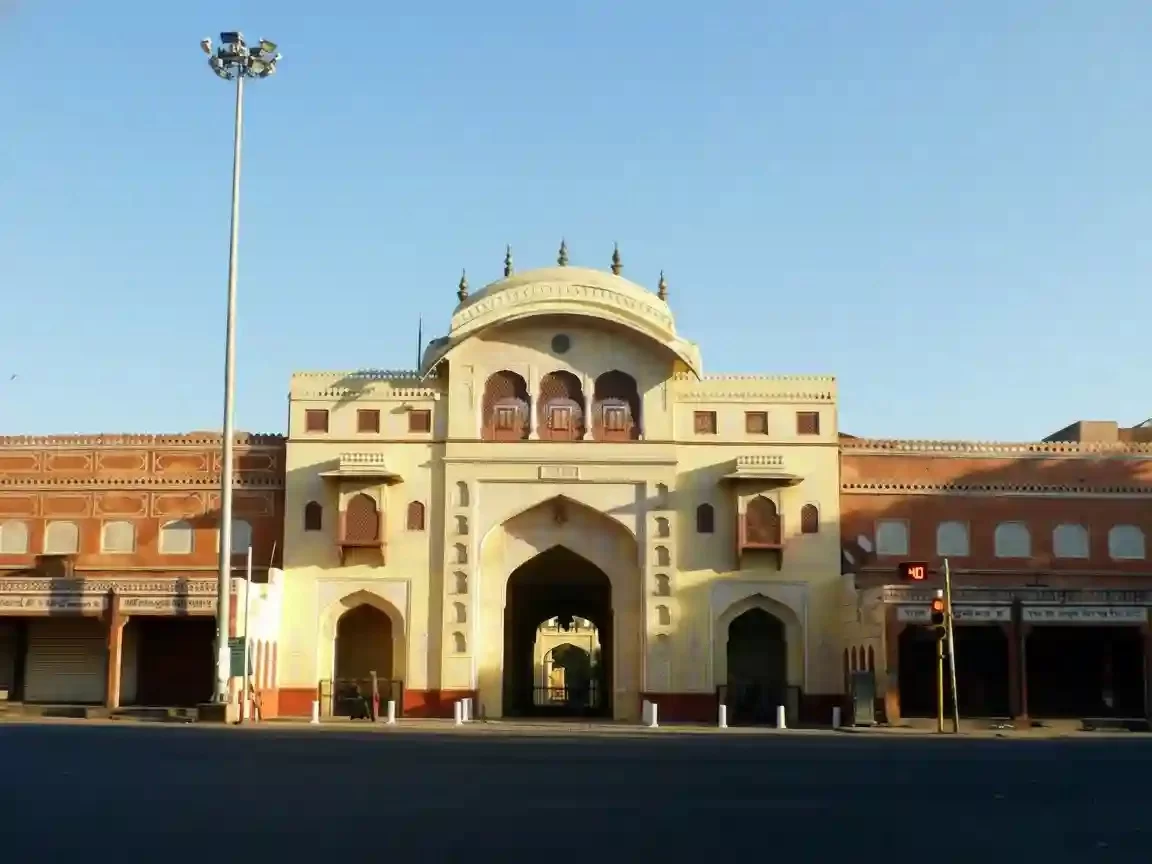
Located near the City Palace, Tripolia Gate served as a ceremonial entrance used exclusively by the royal family. The gate is known for its three arched entrances, traditional Rajput architecture, and historical significance. Though not always open to the public, it remains an important heritage landmark symbolizing Jaipur’s royal traditions and urban design.

Quick Facts About Tripolia Gate

Quick Facts About Tripolia Gate Jaipur

Entry Fee No entry fee, viewing is free from outside as public access inside is restricted
Timings Visible throughout the day, best viewed between 7 00 AM and 8 00 PM
Altitude (m) Located at approximately 431 meters above sea level in Jaipur city
Ideal Visit Duration Ten to fifteen minutes for viewing and photography from surrounding areas
Best Time of Day Early morning or late afternoon for better light and reduced traffic
Crowd Level High as it is located near busy roads and market areas
Distance from City Centre (km) Located within the old city so zero to one kilometer from central Jaipur areas
Walking Difficulty Low walking difficulty on flat roads around the gate
Parking Available Limited parking available nearby with public parking areas at walking distance
Last Mile Access Auto rickshaw taxi e rickshaw and local buses available directly to Tripolia area
Suitable for Kids Yes suitable for kids with supervision due to traffic and crowds
Suitable for Seniors Yes suitable for seniors with easy access and flat walking areas
Wheelchair Friendly Partially wheelchair friendly though traffic and uneven pavements may be challenging

Why Visit Tripolia Gate, Jaipur

Atmosphere at Tripolia Gate is regal, historic, and quietly imposing, standing as a strong symbol of Jaipur’s royal past. Unlike other bustling city gates, the surroundings feel more reserved and dignified, allowing visitors to absorb the architectural grandeur and historical presence without excessive crowd movement.

What makes Tripolia Gate special is its unique role as a ceremonial gateway reserved exclusively for the royal family. Built during the reign of Maharaja Sawai Jai Singh II, the gate features three distinct arches and showcases classic Rajput architectural strength. Visitors can admire its symmetrical design, massive structure, and proximity to the City Palace complex, which highlights its importance in Jaipur’s royal processions and governance.

Beyond its architectural appeal, Tripolia Gate holds strong cultural and historical significance within Jaipur’s heritage landscape. It attracts history enthusiasts, architecture lovers, and travelers seeking to understand the city’s royal traditions and planned urban design. The holistic visit leaves visitors with a deeper appreciation of Jaipur’s regal legacy and timeless architectural character.

History of Tripolia Gate, Jaipur

Tripolia Gate is one of the most significant ceremonial gateways in Jaipur, Rajasthan, located at the entrance of the City Palace complex. Built in the early 18th century during the reign of Maharaja Sawai Jai Singh II, the gate served as a private royal entrance reserved exclusively for the Maharaja, royal family, and special processions.

The name “Tripolia” refers to the gate’s three distinct archways, each symbolizing authority, tradition, and hierarchy within the royal court. Architecturally, the gate reflects refined Rajput craftsmanship, featuring ornate detailing and a strategic position connecting the palace to the city’s main thoroughfares.

Today, Tripolia Gate stands as a prominent historical landmark, representing Jaipur’s royal protocol, urban planning, and architectural elegance. It continues to be an iconic feature of the Pink City’s heritage landscape.

Best Time to Visit Tripolia Gate Jaipur

Visiting Tripolia Gate in Jaipur is most enjoyable when the weather is comfortable, allowing visitors to appreciate the historic gate and its surrounding heritage areas without discomfort from heat.

The months from October to March are ideal for visiting, as Jaipur experiences pleasant winter weather with cool mornings and mild daytime temperatures. This period is perfect for heritage walks, photography, and exploring nearby palaces and old city streets.

Spring months from March to early April remain suitable, though temperatures gradually rise. Early morning or late afternoon visits are recommended to avoid daytime heat while enjoying architectural details and city views.

Summer season from May to September brings intense heat, making daytime visits uncomfortable. While the gate remains accessible, early mornings are the best time to explore, and monsoon months may bring occasional showers that slightly cool the surroundings.
  • October to March for pleasant weather and comfortable heritage exploration
  • March to early April for cooler mornings and late afternoons
  • May to September best avoided due to extreme heat, except early mornings
  • Early mornings provide fewer crowds and better light for photography
  • Winter months are ideal for combining Tripolia Gate with Jaipur sightseeing

How to Reach Tripolia Gate, Jaipur

  • By Air: The nearest airport is Jaipur International Airport, approximately 14 km from Tripolia Gate. Visitors can hire taxis or app-based cabs for a comfortable and direct transfer to the walled city area.
  • By Train: Jaipur Junction Railway Station is about 3 km away and is well connected with major Indian cities such as Delhi, Mumbai, Kolkata, and Ahmedabad. From the station, auto-rickshaws and taxis provide easy access to Tripolia Gate.
  • By Road: Jaipur is connected via national highways and city roads. Regular city buses, private taxis, and self-drive vehicles make it convenient to reach Tripolia Gate from different parts of Jaipur.
  • Local Transport: Within Jaipur, auto-rickshaws, cycle rickshaws, and rideshare services ensure smooth last-mile connectivity. Tripolia Gate is centrally located near City Palace and is easily accessible on foot from nearby attractions.

What to Expect When You Visit Tripolia Gate Jaipur

  • Immersive surroundings that reflect the true natural, cultural, or spiritual character of the destination, offering a peaceful and enriching travel experience.
  • Well-maintained visitor pathways and accessible viewing points designed to provide comfortable exploration while preserving the authenticity of the location.
  • Opportunities to engage with local traditions, regional architecture, or natural landscapes, allowing travelers to gain deeper cultural understanding.
  • Scenic photo spots and panoramic viewpoints that highlight the area’s unique beauty throughout different times of the day.
  • Informational boards, guides, or locally available assistance that help visitors learn the historical or environmental importance of the site.
  • Seasonal changes in atmosphere, crowd levels, and visual appeal, ensuring a different yet memorable experience depending on the time of visit.
  • Nearby amenities such as refreshment stalls, rest areas, or small markets offering local flavors and handicrafts.
  • A calm and respectful environment that allows visitors to fully absorb the significance and charm of the destination.

Important Visitor Information and Safety of Tripolia Gate Jaipur

  • Crowd & Peak Hours: Expect heavy visitor movement during mornings, evenings, market hours, weekends, and public holidays. Early morning visits are quieter and ideal for viewing the architecture.
  • Weather Notes: Summers can be very hot, while winters are mild and pleasant. Afternoon visits in peak summer may feel uncomfortable due to heat.
  • Dress Code: Wear comfortable walking shoes and light, breathable clothing suitable for outdoor sightseeing.
  • Safety Tips: Be cautious of nearby traffic and crowded areas, keep personal belongings secure, watch your footing on uneven surfaces, and follow local guidance for a safe visit.

Photography and Viewpoints at Tripolia Gate, Jaipur

  • The triple-arched gateway with its distinctive design offers strong subjects for architectural and heritage photography.
  • Wide-angle shots capture the symmetry and scale of the gate against Jaipur’s historic urban layout.
  • Early morning and late afternoon light enhances textures and shadows on the façade, creating depth and contrast.
  • Street activity around the gate provides lively human-interest photography opportunities.
  • Framed perspectives through the arches allow creative compositions blending architecture and city life.
  • Close-up photography of stonework and structural details highlights the craftsmanship of the gateway.

Near By Attraction

Shri Khole Ke Hanuman Ji Temple Jaipur Massive 1960s hillside shrine dedicated to Lord Hanuman featuring white marble architecture and scenic valley views Rajasthan. Temple

Shri Khole Ke Hanuman Ji Temple

Shri Khole Ke Hanuman Ji Temple is a prominent Hindu temple complex situated on a hillside in the Laxman Dungri area.

Moti Doongri Ganeshji Temple Jaipur Ancient Hindu shrine dedicated to Lord Ganesha with a gold seated idol Rajasthan. Temple

Moti Dungri Ganesh Ji Temple jaipur

Moti Dungri Ganesh Ji Temple is an 18th-century Hindu place of worship dedicated to Lord Ganesha, located at the foot of the Moti Dungri hill.

BAPS Shri Swaminarayan Akshardham Mandir aerial view of the intricate stone carvings and domes in Jaipur, Rajasthan. Temple

BAPS Shri Swaminarayan Akshardham Mandir

BAPS Shri Swaminarayan Akshardham is a modern Hindu temple complex dedicated to Bhagwan Swaminarayan, constructed using traditional Vedic architectural principles.

Frequently Asked Questions About Tripolia Gate

Tripolia Gate is located in Jaipur city near the City Palace complex. It stands in the old city area and connects important market streets.
Tripolia Gate can be viewed at any time from outside as it is part of the public street area. Access to nearby palace sections follows City Palace visiting hours.
There is no entry fee to view Tripolia Gate from outside. Entry charges apply only if visiting the City Palace complex nearby.
Tripolia Gate can be reached easily by auto, taxi or private vehicle within Jaipur city. It is situated in the central old city area.
The best time to visit Tripolia Gate is between October and March when the weather remains pleasant for walking tours in Jaipur.
Around 15 to 30 minutes are sufficient to view and photograph Tripolia Gate. Visitors usually combine it with nearby heritage attractions.
Limited parking is available in the old city area near Tripolia Gate. Visitors may need to use designated parking zones and walk to the gate.
Tripolia Gate is suitable for families and heritage walkers. Since it is located in a busy market area, visitors should be cautious of traffic.
Tripolia Gate is known for its historic triple arch structure and traditional Rajasthani architectural style. It once served as a ceremonial entrance to the royal palace.
Tripolia Gate experiences moderate to heavy crowd during peak tourist season and festival periods. Early morning visits usually offer a calmer experience.
Local guides are available in the old city area who can explain the significance of Tripolia Gate and nearby monuments.
City Palace, Jantar Mantar and Hawa Mahal can be combined with a Tripolia Gate visit. These attractions are located within Jaipur in Rajasthan.

Loved this place ? Let’s Plan Your Rajasthan Trip

Get customized Rajasthan tour planning designed around desert climate comfort, long-distance road travel flow, heritage exploration time, and realistic pacing between regions. Whether you are visiting for fort architecture, palace heritage, cultural exper

⚡ Quick Response | 💰 Free consultation | 🕒 24×7 expert support

×

Plan Your Trip