Sisodia Rani Ka Bagh – Stunning Gardens of Jaipur

Sisodia Rani ka Bagh , Jaipur
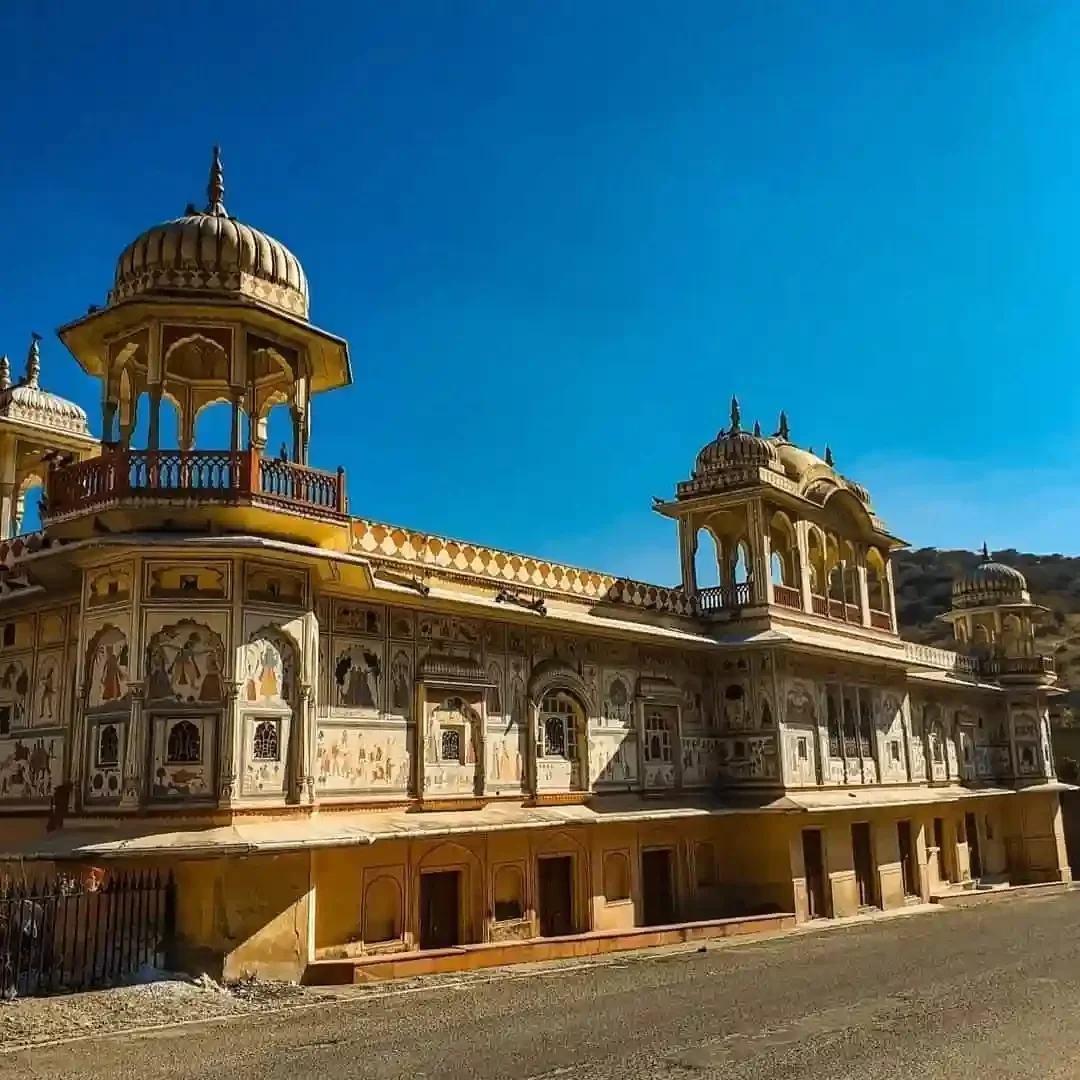
Located 10 km from Jaipur city, Sisodia Rani Ka Bagh was built in the 18th century by Maharaja Sawai Jai Singh II for his queen. The garden features terraced layouts, fountains, painted pavilions, and romantic pathways, making it a peaceful retreat and a visual delight for visitors. It reflects Mughal aesthetics and Jaipur’s royal heritage.

Quick Facts About Sisodia Rani ka Bagh

Quick Facts About Sisodia Rani Ka Bagh

Entry Fee 50 for Indian adults, 20 for Indian students with ID; 200 for foreign adults, 100 for foreign students; free for children under 5.
Timings Open daily 8:00 AM – 5:00 PM. Garden visits are recommended in the early morning or late afternoon.
Altitude (m) Approximately 431 meters above sea level, matching Jaipur’s general elevation.
Ideal Visit Duration 45 minutes to 1.5 hours to explore gardens, fountains, murals, and terraces comfortably.
Best Time of Day Early morning or late afternoon/evening offers cooler temperatures and best light for photos.
Crowd Level Moderate. Quieter in mornings and weekdays, busier in evenings and weekends.
Distance from City Centre (km) About 10 km from Jaipur city centre on Agra Road.
Walking Difficulty Easy to moderate. Mostly flat landscaped paths with some uneven surfaces and terraces.
Parking Available Yes. Roadside and small parking areas are available near the garden entrance, usually free.
Last Mile Access Accessible via auto-rickshaw, taxi, or private car. Local buses have nearby stops with a short walk.
Suitable for Kids Yes. Open spaces and fountains are family-friendly. Supervision is advised near water channels.
Suitable for Seniors Generally yes. Broad paths and shaded spots are comfortable, but minor steps may require attention.
Wheelchair Friendly Partially. Main paths are relatively flat, but some terraces or steps are not fully accessible.

Why Visit Sisodia Rani Ka Bagh

Sisodia Rani Ka Bagh is a serene retreat from the bustle of Jaipur city, offering visitors beautifully landscaped gardens, ornate pavilions, and romantic pathways. It is a perfect blend of history, art, and nature, making it ideal for those who appreciate peaceful walks, photography, and Mughal-style architecture.

The atmosphere is tranquil and refreshing, with flowing fountains, terraced gardens, and colorful murals depicting royal life. The garden’s design encourages leisurely exploration and moments of reflection, providing a sense of calm and connection to Jaipur’s royal heritage.

What makes Sisodia Rani Ka Bagh special is its unique combination of aesthetic beauty and historical significance. Built for the queen by Maharaja Sawai Jai Singh II, the garden reflects royal love, creativity, and Mughal architectural elegance. Its terraces, water features, and artistic murals make it a visual delight and a memorable cultural experience for all visitors.

History of Sisodia Rani Ka Bagh

Sisodia Rani Ka Bagh was constructed in the early 18th century by Maharaja Sawai Jai Singh II, the founder of Jaipur, as a royal retreat for his queen. The garden exemplifies the Mughal-style terrace layout, featuring multiple levels adorned with fountains, painted pavilions, and lush greenery.

The murals and paintings along the garden walls depict scenes from the life of Krishna and royal leisure activities, reflecting the artistic tastes and romantic vision of the era. The design and decoration of the garden highlight Jaipur’s royal legacy and its integration of natural landscapes with architectural elegance.

Over the centuries, Sisodia Rani Ka Bagh has remained a symbol of royal sophistication, serving not only as a private garden for the queen but also as a space for relaxation, festivities, and appreciation of art and nature. Today, it continues to offer visitors a glimpse into the refined lifestyle and aesthetic sensibilities of Jaipur’s royal past.

Best Time to Visit Sisodia Rani Ka Bagh

Sisodia Rani Ka Bagh can be visited throughout the year, but the overall experience varies with the seasons and daily weather. Planning your visit during milder weather enhances comfort for exploring gardens, fountains, and scenic pathways.
  • Visit between October and March when weather is pleasant and ideal for sightseeing and long walks. Temperatures at this time are mild, making outdoor exploration comfortable. :contentReference[oaicite:0]{index=0}
  • Monsoon season from July to September brings lush greenery and vibrant blooms, creating striking visuals for photography and nature lovers; carry rain protection for sudden showers. :contentReference[oaicite:1]{index=1}
  • Summer months April to June can be very hot with high daytime temperatures, so if visiting then, choose early morning or late evening to avoid midday heat. :contentReference[oaicite:2]{index=2}
  • Early morning hours are ideal for peaceful, cooler garden visits and quieter vibes. :contentReference[oaicite:3]{index=3}
  • Late afternoon and early evening provide pleasant light for photos and a relaxed ambiance before closing time. :contentReference[oaicite:4]{index=4}

How to Reach Sisodia Rani Ka Bagh

  • By Taxi or Cab: Take a taxi or cab from Jaipur city centre directly to Sisodia Rani Ka Bagh on Agra Road at Ghat Ki Guni. It is about 9–10 km from Jaipur and takes around 20–30 minutes by car depending on traffic. :contentReference[oaicite:0]{index=0}
  • By Auto Rickshaw: Auto?rickshaws are easily available from major points like City Palace, Railway Station, and bus stands. Simply tell the driver “Sisodia Rani Ka Bagh” and they will take you there, usually within 20–35 minutes. :contentReference[oaicite:1]{index=1}
  • From Jaipur Railway Station: The garden is roughly 9–10 km from Jaipur Junction. You can take a cab, auto, or local bus toward Transport Nagar or Ghat Ki Guni and then walk a short distance to the garden entrance. :contentReference[oaicite:2]{index=2}
  • From Jaipur Airport: The distance from Jaipur International Airport to the garden is about 14 km. Cabs, app?based rides (Uber/Ola), and autos are the most comfortable options; travel time is around 25–35 minutes. :contentReference[oaicite:3]{index=3}
  • By Public Bus: Local buses run from key bus stands in Jaipur toward Ghat Ki Guni. Get off at the nearest stop and follow signs or ask locals for directions to the garden. :contentReference[oaicite:4]{index=4}
  • Metro and Last Mile: The nearest metro station on Jaipur’s Pink Line is Sawai Man Singh Hospital. From there, hired autos or cabs cover the last few kilometres to the garden. :contentReference[oaicite:5]{index=5}
  • Walking Options: If your hotel or accommodation is nearby (within a couple of kilometres), walking is possible while enjoying local neighbourhood sights. Be prepared for some road walking before reaching the garden. :contentReference[oaicite:6]{index=6}

What to Expect When You Visit Sisodia Rani Ka Bagh

  • Beautiful Terraced Gardens: Visitors will explore multi-level terraces adorned with fountains, flowering plants, and lush greenery, offering a peaceful stroll away from the city bustle.
  • Ornate Pavilions and Murals: Expect to see painted pavilions and murals depicting scenes from the life of Krishna, royal leisure, and romantic themes from the era of Maharaja Sawai Jai Singh II.
  • Tranquil Atmosphere: The garden provides a calm, serene environment with shaded paths and flowing water features that make it ideal for reflection, photography, or relaxation.
  • Family-Friendly Experience: Open lawns and gentle pathways make it suitable for families with children and seniors, though care is needed near water channels and steps.
  • Scenic Photography Opportunities: Expect vibrant colors from murals, flowers, and fountains, perfect for capturing Instagram-worthy or professional photographs.
  • Short Walks or Leisurely Exploration: The garden is compact enough to explore within 45–90 minutes, allowing visitors to enjoy a relaxed pace without feeling rushed.
  • Historical and Cultural Insight: Visitors gain a glimpse into Jaipur’s royal lifestyle, Mughal-style architecture, and the artistic tastes of the 18th-century Rajput court.
  • Seasonal Beauty: Depending on the time of year, visitors can enjoy lush monsoon greenery or mild winter blooms, adding unique charm to each visit.

Important Visitor Information for Sisodia Rani Ka Bagh

  • Crowd & Weather Notes: The garden experiences moderate crowds. Weekdays and early mornings are quieter, while weekends and late afternoons are busier. Best to visit during October to March when temperatures are mild and comfortable. Monsoon season brings lush greenery but occasional rain showers.
  • Peak / Quiet Hours: Peak visiting hours are between 11:00 AM and 4:00 PM. Quiet hours are early morning from 8:00 AM to 10:00 AM, ideal for photography and peaceful exploration.
  • Dress Code: Comfortable, casual attire is recommended. Light cotton clothing is preferable in summer, warm layers in winter, and waterproof gear during monsoon. Footwear should be comfortable for walking and slight elevation changes.
  • Safety Notes: The garden is generally safe for all visitors. Exercise caution near water features, fountains, and terraced steps. Supervise children at all times. Keep personal belongings secure and follow any signage or instructions from staff.

Photography and Viewpoint at Sisodia Rani Ka Bagh

  • Scenic Garden Views: Capture expansive terraces, manicured lawns, and vibrant flower beds. Early morning light highlights the fountains and greenery beautifully.
  • Ornate Murals and Pavilions: Photograph the intricate paintings on garden walls depicting Krishna’s life and royal leisure scenes. The pavilions offer charming frames for portrait photography.
  • Water Features: The garden’s fountains and water channels create reflections and soft flowing elements that add depth to photographs, especially during sunrise or sunset.
  • Terrace Vantage Points: Several elevated terraces provide panoramic views of the entire garden, surrounding hills, and Jaipur skyline, ideal for wide-angle shots.
  • Seasonal Photography: Monsoon months enhance lush greenery, while winter mornings offer crisp, clear light. Each season presents unique photo opportunities.
  • Quiet Spots for Portraits: Less crowded areas in the early morning or late afternoon allow for candid or posed portraits without distractions.
  • Sunrise and Sunset: The best natural lighting occurs during sunrise and late afternoon, enhancing colors and creating soft shadows for artistic photographs.
  • Accessibility for Photographers: Pathways are generally smooth, but some terraces require careful navigation with camera gear. Tripods may be used in quieter areas.

Near By Attraction

Shri Khole Ke Hanuman Ji Temple Jaipur Massive 1960s hillside shrine dedicated to Lord Hanuman featuring white marble architecture and scenic valley views Rajasthan. Temple

Shri Khole Ke Hanuman Ji Temple

Shri Khole Ke Hanuman Ji Temple is a prominent Hindu temple complex situated on a hillside in the Laxman Dungri area.

Moti Doongri Ganeshji Temple Jaipur Ancient Hindu shrine dedicated to Lord Ganesha with a gold seated idol Rajasthan. Temple

Moti Dungri Ganesh Ji Temple jaipur

Moti Dungri Ganesh Ji Temple is an 18th-century Hindu place of worship dedicated to Lord Ganesha, located at the foot of the Moti Dungri hill.

BAPS Shri Swaminarayan Akshardham Mandir aerial view of the intricate stone carvings and domes in Jaipur, Rajasthan. Temple

BAPS Shri Swaminarayan Akshardham Mandir

BAPS Shri Swaminarayan Akshardham is a modern Hindu temple complex dedicated to Bhagwan Swaminarayan, constructed using traditional Vedic architectural principles.

Frequently Asked Questions About Sisodia Rani ka Bagh

Sisodia Rani Ka Bagh is located on the Jaipur Agra Road in Jaipur, Rajasthan. The garden lies a few kilometers from the main city center.
Sisodia Rani Ka Bagh is generally open from morning to evening. Timings may vary slightly on public holidays.
An entry ticket is required to visit Sisodia Rani Ka Bagh. Ticket charges may differ for Indian and foreign visitors as per local guidelines.
Sisodia Rani Ka Bagh can be reached easily by taxi, auto or private vehicle from Jaipur city. It is well connected by road.
The best time to visit Sisodia Rani Ka Bagh is between October and March when the weather remains pleasant for garden visits.
Around one to two hours are sufficient to explore Sisodia Rani Ka Bagh comfortably. Visitors interested in photography may spend additional time.
Parking facilities are available near Sisodia Rani Ka Bagh for visitors arriving by private vehicles.
Sisodia Rani Ka Bagh is suitable for families and couples looking for a peaceful garden setting. The landscaped terraces allow relaxed movement.
Visitors can see tiered gardens, fountains, murals and pavilions inside Sisodia Rani Ka Bagh. The artwork depicts scenes from the life of Lord Krishna.
Sisodia Rani Ka Bagh experiences moderate crowd during weekends and tourist season. Weekday visits usually offer a quieter experience.
Local guides may be available at Sisodia Rani Ka Bagh to explain the history and layout of the garden complex.
Galta Ji Temple and Amer Fort can be combined with a Sisodia Rani Ka Bagh visit. These attractions are located within Jaipur in Rajasthan.

Loved this place ? Let’s Plan Your Rajasthan Trip

Get customized Rajasthan tour planning designed around desert climate comfort, long-distance road travel flow, heritage exploration time, and realistic pacing between regions. Whether you are visiting for fort architecture, palace heritage, cultural exper

⚡ Quick Response | 💰 Free consultation | 🕒 24×7 expert support

×

Plan Your Trip