Rangji Temple Pushkar – South Indian Style Temple in Rajasthan

Rangji Temple , Pushkar
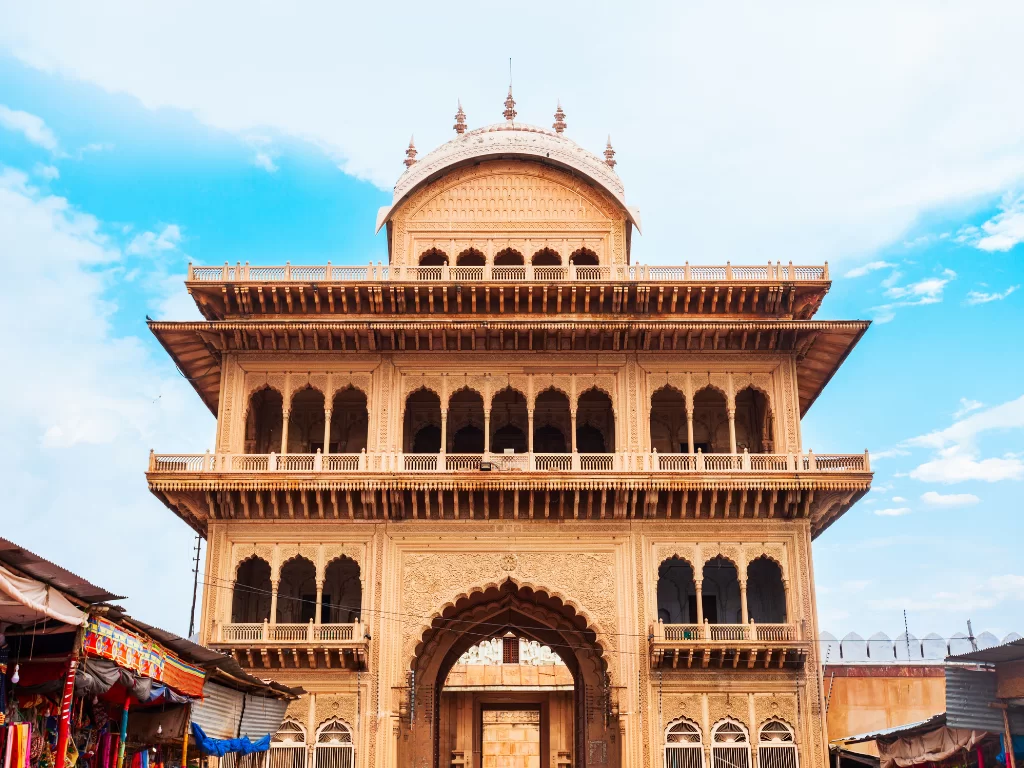
Built in the 19th century, Rangji Temple is unique in Pushkar for its South Indian architectural style combined with Rajput influences. The temple is known for its towering gopuram, beautiful pillars, and peaceful spiritual atmosphere. It is an important pilgrimage site and a notable cultural landmark, attracting devotees and tourists interested in religious history and architecture.

Quick Facts About Rangji Temple

Quick Facts About Rangji Temple Pushkar

Entry Fee No entry fee to visit the temple, voluntary donations accepted
Timings Open daily generally from 6 00 AM to 7 00 PM for darshan and temple visit
Altitude (m) Located at about 510 meters above sea level in Pushkar town
Ideal Visit Duration Thirty minutes to one hour to explore the temple complex and architecture
Best Time of Day Early morning or late afternoon to avoid midday heat and for peaceful visit
Crowd Level Moderate crowds with higher numbers during festivals and peak season months
Distance from City Centre (km) Located within Pushkar town so about zero to one kilometer from major central spots
Walking Difficulty Low walking difficulty around temple precincts and adjoining lanes
Parking Available Yes parking available on nearby streets and public lots in Pushkar town
Last Mile Access Auto rickshaw taxis and foot access available from nearby roads and Pushkar Lake area
Suitable for Kids Yes suitable for children with supervision during temple visit
Suitable for Seniors Yes generally suitable for seniors with easy paths and limited walking
Wheelchair Friendly Partially wheelchair accessible on main access paths, but some areas may have uneven ground

Why Visit Rangji Temple, Pushkar

Atmosphere at Rangji Temple is calm, spiritual, and architecturally captivating, offering visitors a peaceful environment enriched with devotional energy and artistic beauty. The temple’s spacious courtyard, quiet surroundings, and rhythmic prayers create a serene experience that allows travelers to feel spiritually grounded while exploring the sacred town of Pushkar.

What makes Rangji Temple special is its unique blend of South Indian Dravidian architecture with traditional Rajput style, making it one of the most distinctive temples in Rajasthan. Dedicated to Lord Vishnu in the form of Rangji, the temple features towering gopurams, intricately carved pillars, and beautifully decorated sanctums. Visitors can admire the craftsmanship, witness daily rituals, and experience a harmonious fusion of two rich architectural traditions rarely seen together in North India.

Beyond its visual and spiritual appeal, Rangji Temple holds cultural and religious significance within Pushkar’s sacred landscape. It attracts devotees, architecture enthusiasts, photographers, and travelers seeking both devotion and historical beauty. The holistic experience ensures visitors leave with a sense of peace, admiration for India’s artistic heritage, and deeper connection to Pushkar’s spiritual atmosphere.

History of Rangji Temple, Pushkar

Rangji Temple, located in the sacred town of Pushkar, Rajasthan, is a prominent Hindu temple dedicated to Lord Rangji, an incarnation of Lord Vishnu. Built in 1823 by Seth Puran Mal Ganeriwal, a wealthy merchant from Hyderabad, the temple reflects a unique blend of South Indian Dravidian architecture and Rajputana style, making it one of the most architecturally distinctive temples in Pushkar.

The temple complex features a towering gopuram-style entrance, intricately carved pillars, and spacious courtyards, showcasing craftsmanship uncommon in North Indian temple construction of that era. Historically, the temple became an important center for Vaishnavite worship, especially for devotees influenced by South Indian religious traditions.

Over the years, Rangji Temple has remained a vital spiritual landmark in Pushkar, drawing pilgrims and tourists alike. Its architectural uniqueness and devotional importance contribute significantly to Pushkar’s religious landscape and cultural heritage.

Best Time to Visit Rangji Temple Pushkar

Visiting Rangji Temple in Pushkar is most enjoyable when the weather is cool and comfortable, allowing devotees and travelers to explore the temple complex and the holy town peacefully without extreme heat.

The months from October to March are ideal for visiting, as Pushkar experiences pleasant winter weather with mild days and cool evenings. This period is perfect for temple darshan, sightseeing around Pushkar Lake, and walking through the vibrant local markets.

Spring months from March to early April remain suitable for travel, though temperatures start rising gradually. Early morning temple visits are recommended to enjoy spiritual activities comfortably before daytime heat increases.

Summer season from May to September brings intense heat to Pushkar, making daytime sightseeing uncomfortable. While the temple remains open, most travelers avoid this period due to high temperatures and strong desert sun, except during early mornings or late evenings.
  • October to March for cool weather, temple visits, and Pushkar sightseeing
  • March to early April for peaceful mornings before summer heat intensifies
  • May to September best avoided due to extreme temperatures
  • Early mornings provide calm darshan and pleasant walking conditions
  • Winter months offer ideal conditions for festivals and cultural exploration

How to Reach Rangji Temple, Pushkar

  • By Air: The nearest airport is Jaipur International Airport, approximately 150 km from Pushkar. From the airport, travelers can hire taxis or use app-based cabs to reach Pushkar comfortably.
  • By Train: Ajmer Junction is the closest major railway station, about 15 km from Rangji Temple. Ajmer is well connected with cities like Delhi, Jaipur, Mumbai, and Ahmedabad. From the station, taxis and local buses are easily available to reach Pushkar.
  • By Road: Pushkar is well connected by state highways and roads from Ajmer, Jaipur, and other Rajasthan cities. Regular buses, private taxis, and self-drive vehicles provide convenient access to the town.
  • Local Transport: Within Pushkar, most attractions including Rangji Temple are accessible by auto-rickshaws, cycle rickshaws, or short walks, as the town is compact and pedestrian-friendly.

What to Expect When You Visit Rangji Temple Pushkar

  • Immersive surroundings that reflect the true natural, cultural, or spiritual character of the destination, offering a peaceful and enriching travel experience.
  • Well-maintained visitor pathways and accessible viewing points designed to provide comfortable exploration while preserving the authenticity of the location.
  • Opportunities to engage with local traditions, regional architecture, or natural landscapes, allowing travelers to gain deeper cultural understanding.
  • Scenic photo spots and panoramic viewpoints that highlight the area’s unique beauty throughout different times of the day.
  • Informational boards, guides, or locally available assistance that help visitors learn the historical or environmental importance of the site.
  • Seasonal changes in atmosphere, crowd levels, and visual appeal, ensuring a different yet memorable experience depending on the time of visit.
  • Nearby amenities such as refreshment stalls, rest areas, or small markets offering local flavors and handicrafts.
  • A calm and respectful environment that allows visitors to fully absorb the significance and charm of the destination.

Important Visitor Information and Safety of Rangji Temple Pushkar

  • Crowd & Peak Hours: Expect higher footfall during weekends, religious festivals, and Pushkar Fair season. Early morning visits are quieter and ideal for peaceful darshan.
  • Weather Notes: Summers can be very hot, while winters are cool and pleasant. Afternoon visits in peak summer are best avoided due to high temperatures.
  • Dress Code: Wear modest clothing suitable for a religious site and comfortable footwear for walking around the temple premises. Light cotton clothes are recommended in warmer months.
  • Safety Tips: Follow temple rules, keep personal belongings secure in crowded areas, stay hydrated in hot weather, and supervise children for a safe and respectful visit.

Photography and Viewpoints at Rangji Temple, Pushkar

  • The temple’s unique blend of South Indian gopuram style and Rajput architecture offers striking subjects for architectural photography.
  • Intricate pillars, painted ceilings, and sculpted entrances provide rich close-up details capturing artistic craftsmanship.
  • Morning light softly illuminates the temple façade, enhancing colors, textures, and structural depth in photographs.
  • Wide-angle shots of the courtyard and surrounding streets create cultural storytelling compositions with daily temple life.
  • Festival days bring vibrant decorations, devotees, and rituals, offering dynamic and colorful photography moments.
  • Framed views through temple arches allow creative compositions blending sacred architecture with the Pushkar town backdrop.

Near By Attraction

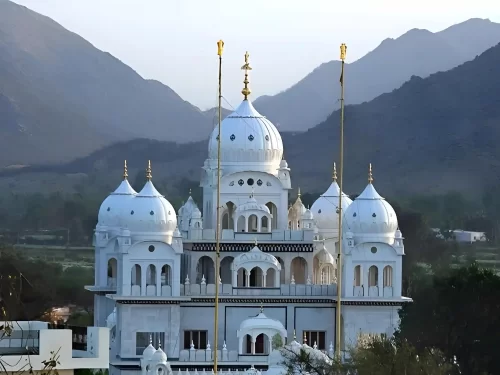
Gurudwara Sahib Pushkar historic white marble Sikh temple dedicated to Guru Nanak Dev Ji and Guru Gobind Singh Ji located near the holy Pushkar Lake in Rajasthan. Gurudwara

Gurudwara Sahib

A Sikh place of worship located near the center of Pushkar town.

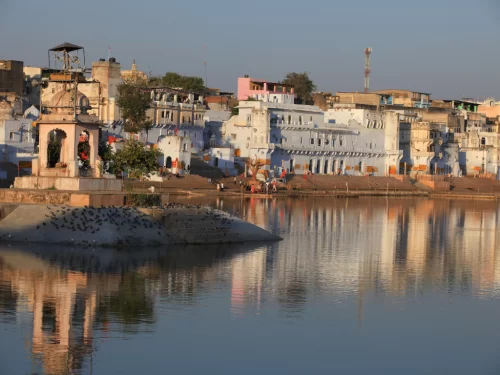
Whitewashed havelis temples and ghats along Pushkar Lake Rajasthan at golden hour with serene reflective waters pigeons and vibrant sky, iconic spiritual cultural Rajasthan tour package destination Lake

Pushkar Lake

A sacred freshwater lake located at the center of Pushkar town.

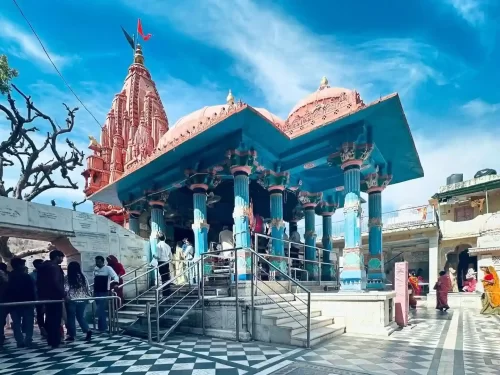
Jagatpita Shri Brahma Temple rare and sacred white marble Hindu shrine featuring a distinctive red spire and bird motifs in the holy town of Pushkar Rajasthan. Temple

Jagatpita Shri Brahma Mandir

A prominent Hindu temple dedicated to Lord Brahma, located in Pushkar.

Frequently Asked Questions About Rangji Temple

Rangji Temple is located in Pushkar town near Ajmer in Rajasthan. It is situated close to Pushkar Lake in the main temple area.
Rangji Temple is generally open from morning to afternoon and again in the evening. Timings may vary during special religious occasions.
There is no entry fee to visit Rangji Temple. Visitors can enter the temple premises free of cost.
Rangji Temple can be reached easily by taxi, auto or on foot within Pushkar town. Ajmer railway station is the nearest major railhead.
The best time to visit Rangji Temple is between October and March when the weather remains pleasant for sightseeing in Pushkar.
Around 30 to 60 minutes are sufficient to explore Rangji Temple comfortably. Visitors attending prayers may spend additional time.
Limited parking facilities are available near Rangji Temple due to its location in the busy temple area of Pushkar.
Rangji Temple is suitable for families and spiritual travelers. The temple complex allows comfortable movement for devotees.
Rangji Temple is famous for its unique blend of South Indian, Rajput and Mughal architectural styles dedicated to Lord Rangji.
Rangji Temple experiences higher footfall during major Hindu festivals and the Pushkar Fair period.
Visitors are expected to wear modest and respectful clothing at Rangji Temple. Footwear must be removed before entering the temple premises.
Pushkar Lake, Brahma Temple and Savitri Temple can be combined with a Rangji Temple visit. These attractions are located in Pushkar near Ajmer in Rajasthan.

Loved this place ? Let’s Plan Your Rajasthan Trip

Get customized Rajasthan tour planning designed around desert climate comfort, long-distance road travel flow, heritage exploration time, and realistic pacing between regions. Whether you are visiting for fort architecture, palace heritage, cultural exper

⚡ Quick Response | 💰 Free consultation | 🕒 24×7 expert support

×

Plan Your Trip