Ram Niwas Bagh Jaipur – Historic Garden and Cultural Hub

Ram Niwas Bagh , Jaipur
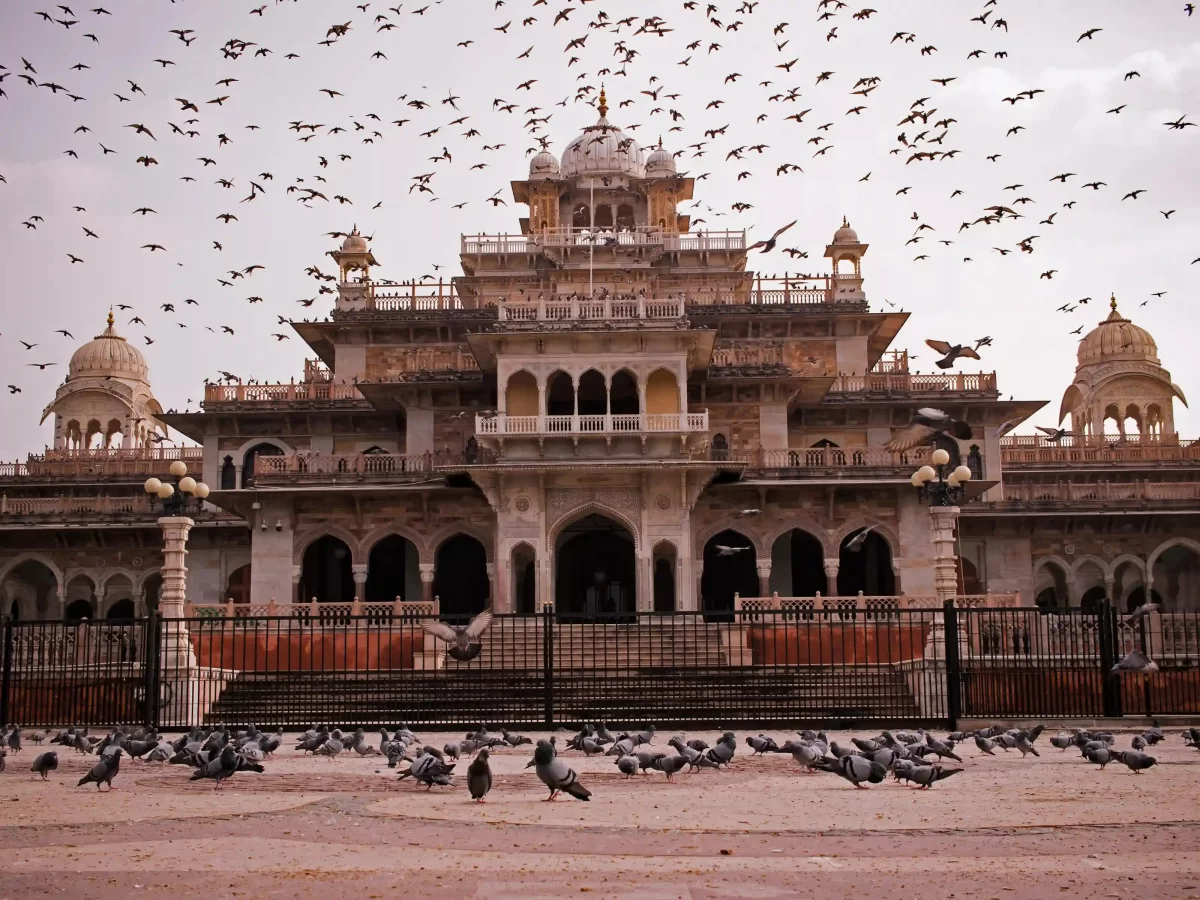
Located in the heart of Jaipur, Ram Niwas Bagh is a significant urban park and heritage complex. Established in the 19th century, it encompasses expansive lawns, shaded pathways, ornamental fountains, and historic structures like the Albert Hall Museum and Jaipur Zoo. The garden serves as a peaceful retreat for locals and tourists, combining natural beauty with cultural and recreational activities. Visitors can enjoy walking, photography, picnics, and exploring the museum, making it a versatile attraction in Jaipur’s cityscape. Its historic significance and scenic charm make it a must-visit destination for heritage lovers and families alike.

Quick Facts About Ram Niwas Bagh

Quick Facts About Ram Niwas Bagh Jaipur

Entry Fee Free entry to the garden; separate entry fees apply for Jaipur Zoo and Albert Hall Museum.
Timings Garden: 5:00AM–9:00PM daily; Albert Hall Museum: 9:00AM–5:00PM; Jaipur Zoo: 8:00AM–5:00PM.
Altitude (m) Approximately 431m above sea level.
Ideal Visit Duration 1–3 hours to explore the gardens, museum, and zoo; longer if attending events or leisure activities.
Best Time of Day Early morning (5:00AM–8:00AM) for walks, late afternoon/evening (4:00PM–7:00PM) for relaxed sightseeing.
Crowd Level Moderate on weekdays; weekends and public holidays attract higher crowds, especially near the museum and zoo.
Distance from City Centre (km) Approximately 3km from Jaipur city center / Hawa Mahal area.
Walking Difficulty Easy — paved pathways and open lawns suitable for all ages.
Parking Available Yes — parking available near main entrances and museum area.
Last Mile Access Accessible by auto-rickshaw, taxis, app-based cab services, and private vehicles.
Suitable for Kids Yes — gardens, zoo, and open spaces make it ideal for children.
Suitable for Seniors Yes — flat, paved pathways with benches provide comfort for senior visitors.
Wheelchair Friendly Mostly accessible — main pathways are flat; some areas near museum or zoo may require assistance.

Why Visit Ram Niwas Bagh Jaipur

Ram Niwas Bagh is one of Jaipur’s most iconic urban gardens, offering a perfect blend of history, greenery, and cultural attractions. Its expansive lawns, shaded pathways, and ornamental fountains create a serene environment, ideal for leisurely walks, picnics, and relaxation away from the city’s bustle.

The atmosphere is peaceful yet lively, with locals and tourists enjoying morning walks, jogging, or casual strolls. The garden’s well-maintained spaces, combined with its historic structures, provide a calm retreat while allowing visitors to immerse themselves in Jaipur’s architectural charm.

What makes Ram Niwas Bagh special is its combination of natural beauty and cultural landmarks. Visitors can explore the Albert Hall Museum, enjoy the lush gardens, and visit the Jaipur Zoo—all within the same complex. The park’s open-air ambiance, scenic fountains, and vibrant greenery make it a versatile destination suitable for families, photographers, and heritage enthusiasts alike.

About Ram Niwas Bagh Jaipur

Ram Niwas Bagh was established in 1868 by Maharaja Sawai Ram Singh II as a sprawling garden and recreational complex in Jaipur. While it does not hold religious significance, the garden is historically important as a representation of Jaipur’s urban planning and royal leisure spaces during the 19th century.

The complex houses notable landmarks such as the Albert Hall Museum, which showcases Rajasthani art and artifacts, and the Jaipur Zoo, making it a key cultural and recreational hub. The garden itself features well-laid-out lawns, fountains, and tree-lined avenues, reflecting the royal vision of blending natural beauty with architectural elegance.

Today, Ram Niwas Bagh serves as a central green space in Jaipur, combining heritage, recreation, and cultural activities. It offers visitors a glimpse into the city’s colonial-era landscaping while providing a peaceful environment for leisure, photography, and community gatherings.

Best Time to Visit Ram Niwas Bagh Jaipur

Ram Niwas Bagh can be enjoyed year-round, but certain seasons and times of day provide the most pleasant experience for leisure, sightseeing, and photography.
  • October to March: The best months to visit with comfortable temperatures (10°C–25°C) ideal for walking, exploring gardens, and enjoying the museum and zoo.
  • April to June: Summers can be hot; early morning or late afternoon visits are recommended to avoid high temperatures and enjoy outdoor activities comfortably.
  • Monsoon (July to September): Occasional rains enhance the greenery, making the gardens lush and vibrant, though pathways may be slippery.
  • Time of Day: Early morning (5:00?AM–8:00?AM) for quiet walks, jogging, and peaceful photography; late afternoon/evening (4:00?PM–7:00?PM) offers cooler temperatures and soft lighting.
  • Weekdays vs Weekends: Weekdays are less crowded, while weekends attract more families, tourists, and local visitors.
  • Photography Tips: Capture the fountains, gardens, and architectural landmarks during golden hours for best lighting and minimal crowd interference.

How to Reach Ram Niwas Bagh Jaipur

  • By Air: Jaipur International Airport is approximately 13?km from Ram Niwas Bagh. Visitors can hire taxis, app-based cabs, or airport shuttles to reach the garden in 30–40 minutes.
  • By Train: Jaipur Railway Station is about 5?km away. Auto-rickshaws, taxis, and app-based cabs provide convenient last-mile connectivity to the garden.
  • By Road: Ram Niwas Bagh is located near MI Road and Bapu Bazaar, accessible via private vehicles, taxis, and city buses. Parking facilities are available at the main entrances.
  • Local Transport: Frequent auto-rickshaws, cycle rickshaws, and app-based cabs operate from nearby city areas like Hawa Mahal, MI Road, and C-Scheme, offering easy access.
  • Walking: Visitors staying at nearby hotels or in central Jaipur can reach the park on foot using well-maintained pavements and local streets.
  • Self-Drive: Clear road signage guides visitors to Ram Niwas Bagh. Arriving early is recommended on weekends and public holidays to secure parking and avoid crowds.

What to Expect When You Visit Ram Niwas Bagh Jaipur

  • Expansive Gardens and Lawns: Enjoy sprawling lawns, shaded walkways, and colorful flowerbeds perfect for leisure, relaxation, and outdoor activities.
  • Historic and Cultural Landmarks: Explore the Albert Hall Museum within the garden complex, showcasing Rajasthani art, artifacts, and architecture.
  • Jaipur Zoo: Families and children can visit the on-site zoo, which houses a variety of animals and provides educational and recreational experiences.
  • Walking and Jogging Paths: Paved pathways allow for easy walking, jogging, or cycling while enjoying scenic views of gardens and fountains.
  • Photography Opportunities: Capture the vibrant gardens, fountains, and architectural elements; early morning and late afternoon offer ideal lighting.
  • Relaxation and Recreation: Benches, shaded areas, and open lawns provide spots for picnics, meditation, or simply unwinding in a green urban retreat.
  • Events and Gatherings: The garden occasionally hosts cultural programs, public events, and community gatherings, adding vibrancy to the visitor experience.

Important Visitor Information for Ram Niwas Bagh Jaipur

  • Crowd & Weather Notes: The park sees moderate crowds on weekdays and heavier footfall on weekends and public holidays. October to March offers pleasant temperatures (10°C–25°C), while April to June can be hot and July to September may bring occasional rain.
  • Peak / Quiet Hours: Early mornings (5:00?AM–8:00?AM) are quiet, ideal for jogging, meditation, and photography. Late afternoons and evenings (4:00?PM–7:00?PM) are lively with visitors enjoying walks and recreational activities.
  • Dress Code: Casual, comfortable clothing is recommended. Light attire for summer, warmer layers in winter, and comfortable footwear for walking on paved pathways.
  • Safety Notes: Supervise children near fountains, zoo areas, and open lawns. Avoid climbing on structures, carry water, and follow local guidelines for safe walking and jogging within the garden.

Photography and Viewpoints at Ram Niwas Bagh Jaipur

  • Garden Landscapes: Capture the well-manicured lawns, flowerbeds, and tree-lined pathways from multiple angles to showcase the park’s expansive beauty.
  • Fountains and Water Features: The ornamental fountains provide dynamic photography opportunities, especially during sunrise and sunset when light reflections create stunning visuals.
  • Albert Hall Museum: The museum’s Indo-Saracenic architecture offers a striking backdrop for photography, combining heritage with the park’s greenery.
  • Wide-Angle Shots: Use wide-angle lenses to encompass the sprawling gardens, open lawns, and surrounding structures, highlighting the scale and symmetry of the complex.
  • Golden Hour Photography: Early morning and late afternoon light enhance the colors of the gardens, fountains, and historic buildings, making it perfect for scenic and portrait shots.
  • Event Photography: Cultural programs, community events, and public gatherings provide vibrant and candid photo opportunities within the park.
  • Tips for Photographers: Explore multiple viewpoints near fountains, garden corners, and museum facades. Avoid crowded areas for unobstructed shots, and respect visitors’ privacy while capturing images.

Near By Attraction

Shri Khole Ke Hanuman Ji Temple Jaipur Massive 1960s hillside shrine dedicated to Lord Hanuman featuring white marble architecture and scenic valley views Rajasthan. Temple

Shri Khole Ke Hanuman Ji Temple

Shri Khole Ke Hanuman Ji Temple is a prominent Hindu temple complex situated on a hillside in the Laxman Dungri area.

Moti Doongri Ganeshji Temple Jaipur Ancient Hindu shrine dedicated to Lord Ganesha with a gold seated idol Rajasthan. Temple

Moti Dungri Ganesh Ji Temple jaipur

Moti Dungri Ganesh Ji Temple is an 18th-century Hindu place of worship dedicated to Lord Ganesha, located at the foot of the Moti Dungri hill.

BAPS Shri Swaminarayan Akshardham Mandir aerial view of the intricate stone carvings and domes in Jaipur, Rajasthan. Temple

BAPS Shri Swaminarayan Akshardham Mandir

BAPS Shri Swaminarayan Akshardham is a modern Hindu temple complex dedicated to Bhagwan Swaminarayan, constructed using traditional Vedic architectural principles.

Frequently Asked Questions About Ram Niwas Bagh

Ram Niwas Bagh is located in Jaipur city, Rajasthan. The garden complex is situated near Albert Hall Museum in the central part of the city.
Ram Niwas Bagh is generally open from morning to evening for visitors. Timings may vary slightly on public holidays.
Entry to Ram Niwas Bagh garden area is usually free, but separate tickets are required for attractions like Albert Hall Museum inside the complex.
Ram Niwas Bagh can be reached easily by taxi, auto or local bus within Jaipur city. It is well connected by main roads.
The best time to visit Ram Niwas Bagh is between October and March when the weather remains pleasant for outdoor walks in Jaipur.
Around one to two hours are sufficient to explore Ram Niwas Bagh comfortably. Visitors spending time at the museum may require additional time.
Parking facilities are available near Ram Niwas Bagh for visitors arriving by private vehicles. Availability may depend on crowd levels.
Ram Niwas Bagh is suitable for families, morning walkers and casual visitors. The open green spaces make it comfortable for all age groups.
Visitors can see landscaped gardens, fountains and Albert Hall Museum inside Ram Niwas Bagh. The area is popular for relaxation and photography.
Ram Niwas Bagh experiences moderate crowd during weekends and evenings. Weekday mornings usually offer a quieter experience.
Small eateries and food stalls may be available near Ram Niwas Bagh depending on season and local activity.
Albert Hall Museum, Birla Mandir and Moti Doongri Fort can be combined with a Ram Niwas Bagh visit. These attractions are located within Jaipur in Rajasthan.

Loved this place ? Let’s Plan Your Rajasthan Trip

Get customized Rajasthan tour planning designed around desert climate comfort, long-distance road travel flow, heritage exploration time, and realistic pacing between regions. Whether you are visiting for fort architecture, palace heritage, cultural exper

⚡ Quick Response | 💰 Free consultation | 🕒 24×7 expert support

×

Plan Your Trip