+91 9910402252
admin@chalbanjare.com


| Entry Fee | Indian adult about 50 rupees per person, Indian child about 20 rupees per person, foreign visitor about 300 rupees per person |
|---|---|
| Timings | Open daily from 8 30 AM to 5 30 PM, closed on Tuesday |
| Altitude (m) | Located at approximately 700 meters above sea level in the Aravalli hills near Jaipur |
| Ideal Visit Duration | Two to three hours to explore safari zones wildlife enclosures and viewpoints |
| Best Time of Day | Morning hours for cooler weather and active animal sightings |
| Crowd Level | Moderate crowds on weekdays and high crowds on weekends and holidays |
| Distance from City Centre (km) | About 12 kilometers from central Jaipur city |
| Walking Difficulty | Low to moderate walking difficulty with designated paths and safari routes |
| Parking Available | Yes parking available near zoo entrance for cars and buses |
| Last Mile Access | Taxi auto rickshaw or private vehicle available up to Nahargarh Biological Park entrance |
| Suitable for Kids | Yes very suitable for kids with wildlife safari experience and open natural spaces |
| Suitable for Seniors | Yes generally suitable though safari vehicle movement is preferred over walking |
| Wheelchair Friendly | Partially wheelchair friendly with vehicle based access but limited independent mobility inside |
Atmosphere at Nahargarh Zoo is peaceful, green, and naturally immersive, set amidst the forested slopes of the Aravalli hills near Nahargarh Fort. The open surroundings, fresh air, and scenic hillside setting create a calm environment that feels closer to nature compared to city-based zoos, making the visit relaxing as well as engaging.
What makes Nahargarh Zoo special is its modern, spacious enclosures designed to resemble natural habitats. The zoo is home to a variety of wildlife including lions, tigers, panthers, wolves, and birds, allowing visitors to observe animals in a more open and humane environment. Elevated walkways, clean pathways, and informative signboards enhance the overall experience, making it suitable for families, students, and wildlife enthusiasts. The surrounding hill views add to the scenic appeal.
Beyond recreation, Nahargarh Zoo holds educational and conservation significance, promoting awareness about wildlife protection and biodiversity. It attracts families, school groups, photographers, and travelers seeking a balanced mix of learning, nature, and leisure. The holistic visit leaves visitors with appreciation for wildlife conservation and the natural beauty surrounding Jaipur.
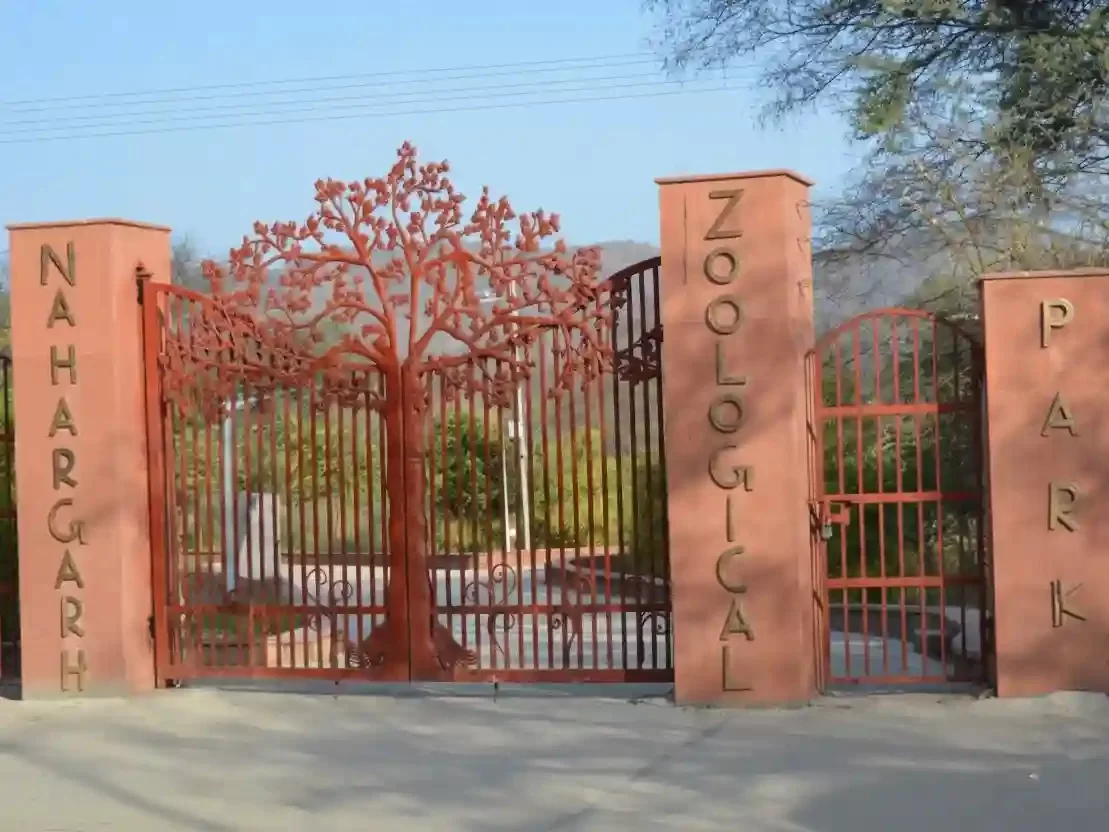
Nahargarh Zoo, officially known as Nahargarh Biological Park, is located near Nahargarh Fort on the outskirts of Jaipur, Rajasthan. It was inaugurated in 2016 as part of the Rajasthan government’s initiative to promote wildlife conservation, ecological awareness, and sustainable tourism. The zoo was developed to provide a natural and spacious habitat for animals away from dense urban areas.
Spread across a large forested landscape in the Aravalli hills, the park was designed with open and natural enclosures to ensure better animal welfare and a more authentic wildlife experience. It houses species such as lions, tigers, leopards, wolves, bears, and various bird species, reflecting the biodiversity of the region.
Today, Nahargarh Zoo serves as an important center for conservation education and eco-tourism in Jaipur. It represents the city’s modern approach to wildlife protection while complementing the historical and natural significance of the Nahargarh region.
Visiting Nahargarh Zoo in Jaipur is most enjoyable when the weather is comfortable, allowing visitors to explore the open enclosures, walking trails, and surrounding forested landscape without discomfort from heat.
The months from October to March are ideal for visiting, as Jaipur experiences cool and pleasant winter weather. This period is perfect for wildlife viewing, walking through the zoo premises, and enjoying outdoor exploration in a relaxed environment.
Spring months from March to early April remain suitable, though temperatures gradually begin to rise. Early morning visits are recommended to avoid warmer hours and to observe animals when they are more active.
Summer season from May to September brings intense heat, making daytime visits uncomfortable. While the zoo remains open, early mornings are the best time to explore, and monsoon months may add greenery but can also make paths slippery.
 Temple
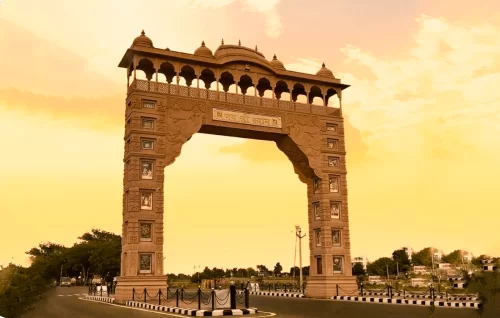
Khatu Shyam Temple is a Hindu temple dedicated to Khatu Shyam Ji, located in Khatu village of Sikar district, Rajasthan, India.
 Temple
Mehandipur Balaji Temple is a Hindu temple dedicated to Lord Hanuman, located in Mehandipur village of Dausa district, Rajasthan, India.
 Temple
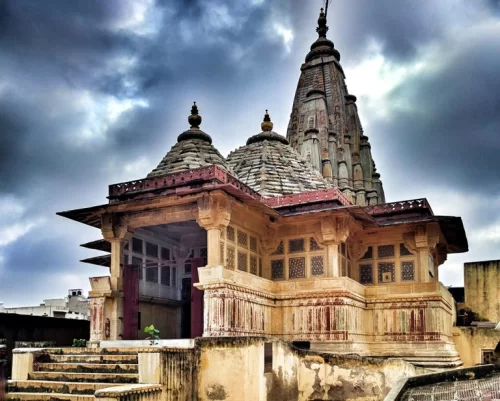
Shree Kalki Mandir is a Hindu temple dedicated to Lord Kalki, the prophesied future incarnation of Lord Vishnu, located in Rajasthan, India.
Get customized Rajasthan tour planning designed around desert climate comfort, long-distance road travel flow, heritage exploration time, and realistic pacing between regions. Whether you are visiting for fort architecture, palace heritage, cultural exper
⚡ Quick Response | 💰 Free consultation | 🕒 24×7 expert support