Nahargarh Fort Jaipur – Majestic Hilltop Fort with Panoramic Views

Nahargarh Fort , Jaipur
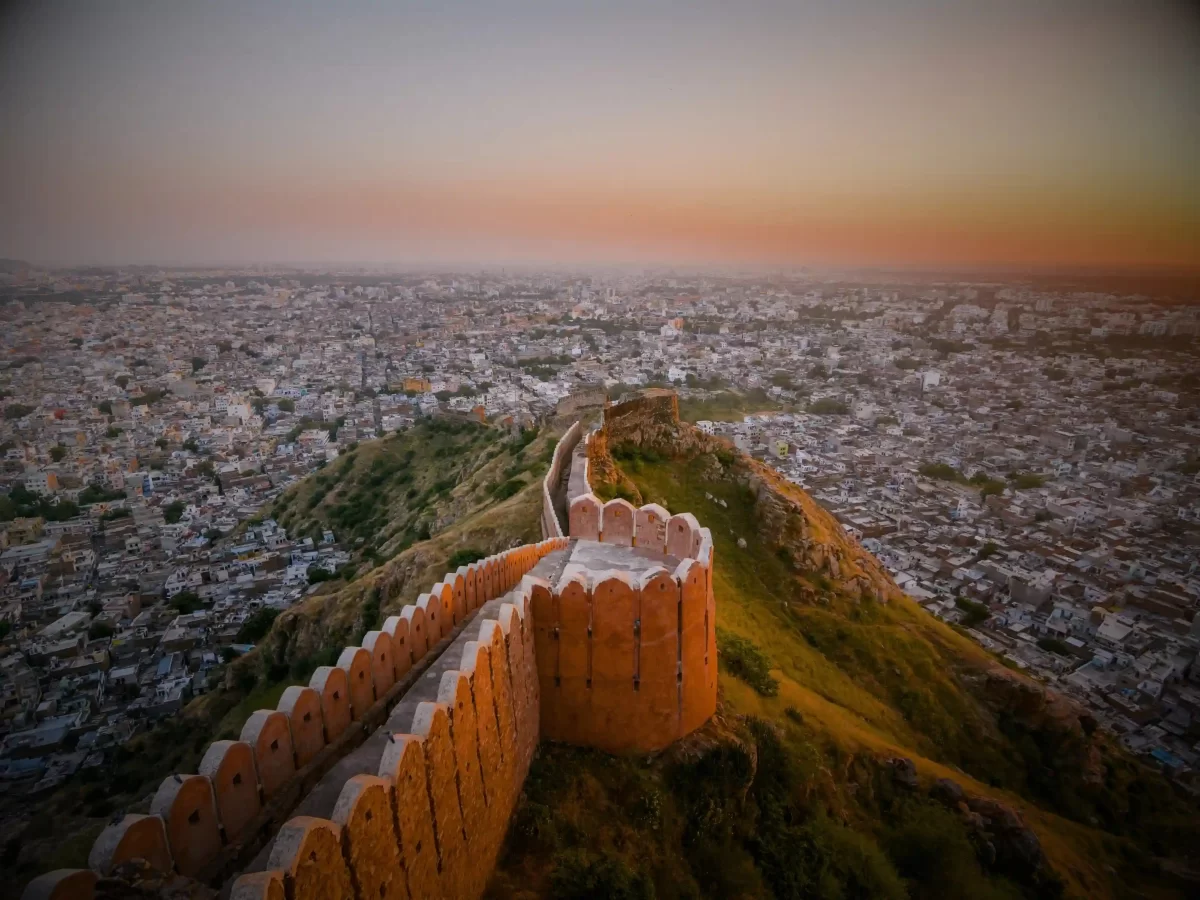
Built in 1734 by Maharaja Sawai Jai Singh II, Nahargarh Fort served as a retreat and defense post. Its impressive walls, intricate carvings, and sunset viewpoints make it a must-visit attraction in Jaipur. The fort is also famous for its cafes, heritage ambiance, and panoramic city vistas.

Quick Facts About Nahargarh Fort

Quick Facts About Nahargarh Fort Jaipur

Entry Fee Approx. 50 for Indian adults, 25 for Indian students with ID, 200 for foreign visitors (may vary slightly seasonally).
Timings Open daily from around 10:00AM to 5:30PM (outer terrace and restaurants often accessible later into the evening).
Altitude (m) Located on the Aravalli hills approx. 213m above sea level.
Ideal Visit Duration 1.5–3 hours to explore fort interiors, viewpoints, and sunset spots.
Best Time of Day Late afternoon to early evening (4:00PM–6:30PM) for sunset and panoramic views.
Crowd Level Moderate overall; particularly busy at sunset and weekends.
Distance from City Centre (km) Approximately 6–7km from Jaipur city centre / major railway stations.
Walking Difficulty Moderate — uphill sections, uneven pathways and stairs throughout the fort complex.
Parking Available Yes — basic parking available near the entrance (nominal parking charges apply).
Last Mile Access Accessible by road via taxi/auto or selfdrive; road is winding and steep uphill.
Suitable for Kids Yes — worth visiting with kids; adults should supervise near edges and uneven terrain.
Suitable for Seniors Partly — large area and steps may be tiring; plan shorter routes and rest breaks.
Wheelchair Friendly Limited — uneven surfaces, stairs and steep paths restrict full wheelchair access.

Why Visit Nahargarh Fort Jaipur

Nahargarh Fort Jaipur is a majestic hilltop retreat offering panoramic views of Jaipur city, the Aravalli ranges, and the vibrant pink city architecture. Its serene yet historic atmosphere provides a perfect escape from city bustle, making it a favored spot for photography, sunset gazing, and leisurely strolls along the fort walls.

The fort’s unique charm lies in its blend of history and leisure. Built in 1734 by Maharaja Sawai Jai Singh II, it served as a defensive stronghold and royal retreat. Today, its well-preserved ramparts, intricate murals, and rooftop cafes give visitors a chance to experience Jaipur’s regal heritage while enjoying breathtaking views and tranquil surroundings.

Whether you are a history enthusiast, a photographer, or simply looking for a peaceful hilltop getaway, Nahargarh Fort offers an unforgettable experience. Its combination of heritage, scenic vistas, and atmospheric charm makes it one of Jaipur’s most special attractions.

History of Nahargarh Fort Jaipur

Nahargarh Fort was built in 1734 by Maharaja Sawai Jai Singh II, the founder of Jaipur, primarily as a strategic defense post along the Aravalli hills. Its name, meaning “Abode of Tigers,” reflects the royal pastime of hunting in the surrounding forests. The fort was designed to strengthen the city’s defense along with Amer Fort and Jaigarh Fort, forming a protective triangle around Jaipur.

Over the years, Nahargarh evolved from a purely military outpost to a royal retreat offering a cool hilltop escape from the city heat. Additions made during the 18th century include residential palaces and terraces adorned with murals, showcasing the architectural finesse of the era. The fort also served as a refuge for the royal family during times of political unrest.

Today, Nahargarh Fort stands as a testament to Jaipur’s royal legacy, combining historical architecture, strategic military design, and scenic hilltop views that make it a key landmark in the city’s heritage circuit.

Best Time to Visit Nahargarh Fort Jaipur

Nahargarh Fort is accessible year-round, but the experience varies with seasons. The best time to visit is during the cooler months, when Jaipur’s weather is pleasant and comfortable for exploring the hilltop fort and enjoying panoramic views. Seasonal variations also offer unique experiences, from clear sunny days to vibrant sunsets over the city.
  • October to March: Ideal for sightseeing and photography, with mild temperatures ranging from 10°C to 25°C.
  • April to June: Summers can be hot, but early mornings or late evenings are suitable for visiting and enjoying sunset views.
  • Monsoon (July to September): Moderate rainfall enhances the greenery around the fort; caution advised due to slippery paths on the hill slopes.
  • Time of Day: Late afternoon to early evening is perfect for sunset photography and panoramic city views.
  • Weekdays vs Weekends: Weekdays are less crowded, while weekends attract more visitors, especially around sunset.

How to Reach Nahargarh Fort Jaipur

  • By Air: Jaipur International Airport (approx. 14 km from city center) is the nearest airport. From the airport, taxis or app-based cabs can reach the fort in 30–40 minutes.
  • By Train: Jaipur Railway Station, around 6–7 km from the fort, connects to major cities like Delhi, Agra, and Mumbai. Local taxis or auto-rickshaws provide easy access to the hilltop fort.
  • By Road: Jaipur is well-connected by national and state highways. Private cars, taxis, and buses can reach the base of the fort. The hill road leading up is winding but offers scenic views.
  • Local Transport: Auto-rickshaws, app-based cabs, and rented scooters or bikes can be used for the last-mile journey to the fort entrance.
  • Self-Drive: For visitors driving themselves, parking is available near the entrance, though it can get crowded during peak hours.
  • Walking & Hiking: Adventure enthusiasts can hike from the base or nearby areas; the path is moderately challenging with uphill slopes.

What to Expect When You Visit Nahargarh Fort Jaipur

  • Breathtaking Panoramic Views: The fort offers stunning vistas of Jaipur city, the surrounding Aravalli hills, and the famous Pink City from its ramparts and terraces.
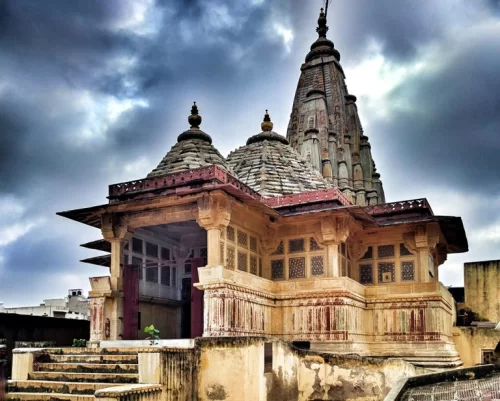
  • Historical Architecture: Visitors can explore the fort’s impressive walls, bastions, intricate murals, and old palaces, reflecting 18th-century Rajputana craftsmanship.
  • Sunset Experience: One of the most popular activities is watching the sun set over Jaipur, creating perfect photo opportunities and a serene atmosphere.
  • Photography Opportunities: Ideal for both professional and casual photographers, with scenic backdrops including the cityscape, hills, and fort structures.
  • Dining & Cafes: Rooftop cafes and small eateries offer refreshments while you enjoy the hilltop ambience and panoramic views.
  • Moderate Walking: Be prepared for uphill walks, stairs, and uneven pathways; comfortable footwear is recommended.
  • Family-Friendly Environment: Suitable for kids and adults, but supervision is advised near edges and terraces.
  • Evening Visits: The fort is beautifully illuminated during evenings, offering a magical experience, especially during festivals or weekends.

Important Visitor Information for Nahargarh Fort Jaipur

  • Crowd & Weather Notes: The fort experiences moderate to heavy crowds during weekends, holidays, and sunset hours. Jaipur’s weather is pleasant from October to March; summers (April–June) can be hot, and monsoon season (July–September) may make paths slippery.
  • Peak / Quiet Hours: Peak hours are late afternoon (4:00?PM–6:30?PM) when visitors come for sunset. Early mornings and weekdays are generally quieter for a more relaxed exploration.
  • Dress Code: Comfortable and modest attire is recommended. Light, breathable clothing in summer and warm layers in winter. Good walking shoes are advised due to uneven pathways.
  • Safety Notes: Visitors should stay within designated areas and avoid leaning over ramparts. Children should be supervised at all times. Carry water and sun protection, especially during summer visits.

Photography and Viewpoints at Nahargarh Fort Jaipur

  • Sunset Views: The western ramparts of the fort provide spectacular sunset panoramas over Jaipur city, ideal for photography and capturing the golden hour.
  • Cityscape Photography: The fort overlooks the entire Pink City, allowing photographers to capture Jaipur’s distinctive pink-hued architecture from a hilltop perspective.
  • Fort Architecture: Intricate murals, historic palaces, bastions, and arched gateways offer excellent subjects for architectural and heritage photography.
  • Terrace Cafes & Platforms: Rooftop viewpoints and small cafes provide elevated vantage points for cityscape and landscape photography with minimal obstruction.
  • Early Morning Shots: Visiting early in the day offers soft natural light, fewer crowds, and clear visibility for wide-angle photography of the Aravalli hills.
  • Night Illumination: The fort is partially illuminated in the evening, allowing photographers to capture Jaipur city lights and the fort’s silhouette against the twilight sky.
  • Guided Photography Tips: The best frames include combining city views with fort walls and surrounding greenery, creating depth and perspective in shots.

Near By Attraction

Shri Khole Ke Hanuman Ji Temple Jaipur Massive 1960s hillside shrine dedicated to Lord Hanuman featuring white marble architecture and scenic valley views Rajasthan. Temple

Shri Khole Ke Hanuman Ji Temple

Shri Khole Ke Hanuman Ji Temple is a prominent Hindu temple complex situated on a hillside in the Laxman Dungri area.

Moti Doongri Ganeshji Temple Jaipur Ancient Hindu shrine dedicated to Lord Ganesha with a gold seated idol Rajasthan. Temple

Moti Dungri Ganesh Ji Temple jaipur

Moti Dungri Ganesh Ji Temple is an 18th-century Hindu place of worship dedicated to Lord Ganesha, located at the foot of the Moti Dungri hill.

BAPS Shri Swaminarayan Akshardham Mandir aerial view of the intricate stone carvings and domes in Jaipur, Rajasthan. Temple

BAPS Shri Swaminarayan Akshardham Mandir

BAPS Shri Swaminarayan Akshardham is a modern Hindu temple complex dedicated to Bhagwan Swaminarayan, constructed using traditional Vedic architectural principles.

Frequently Asked Questions About Nahargarh Fort

Nahargarh Fort is located on the Aravalli hills overlooking Jaipur city in Rajasthan. It forms part of the historic hill fort circuit along with Amer and Jaigarh.
Nahargarh Fort is generally open from morning to evening for visitors. Timings may vary slightly on public holidays and special events.
An entry ticket is required to visit Nahargarh Fort. Ticket prices differ for Indian and foreign visitors as per official guidelines.
Nahargarh Fort can be reached by road from Jaipur city. Visitors can hire taxis, use private vehicles or ride two wheelers up the hill road.
The best time to visit Nahargarh Fort is between October and March when the weather remains pleasant for hilltop sightseeing in Jaipur.
Around one and a half to two hours are sufficient to explore Nahargarh Fort comfortably. Visitors spending time at viewpoints and cafes may require additional time.
Parking facilities are available near the entrance of Nahargarh Fort for private vehicles. Availability may vary during weekends and peak hours.
Nahargarh Fort is suitable for families, couples and history enthusiasts. Some walking and stair climbing is required within the fort complex.
Visitors can see Madhavendra Bhawan, scenic viewpoints, historical structures and city views inside Nahargarh Fort.
Nahargarh Fort experiences heavy footfall during weekends and peak tourist season. Sunset hours are especially popular among visitors.
Authorized guides are available at Nahargarh Fort to provide detailed information about its architecture and history.
Jaigarh Fort, Amer Fort and Nahargarh Sunset Point can be combined with a Nahargarh Fort visit. These attractions are located near Jaipur in Rajasthan.

Loved this place ? Let’s Plan Your Rajasthan Trip

Get customized Rajasthan tour planning designed around desert climate comfort, long-distance road travel flow, heritage exploration time, and realistic pacing between regions. Whether you are visiting for fort architecture, palace heritage, cultural exper

⚡ Quick Response | 💰 Free consultation | 🕒 24×7 expert support

×

Plan Your Trip