+91 9910402252
admin@chalbanjare.com


| Entry Fee | No general public entry to the fort interior, free access to the outer area and Ganesh Temple, special permission required for fort visit |
|---|---|
| Timings | Ganesh Temple generally open daily from 5 30 AM to 1 30 PM and from 4 30 PM to 9 00 PM, fort exterior viewable throughout the day |
| Altitude (m) | Located at approximately 431 meters above sea level on a hillock in central Jaipur |
| Ideal Visit Duration | Thirty minutes to one hour to visit the Ganesh Temple and view the fort from outside |
| Best Time of Day | Early morning or evening during temple aarti for pleasant weather and devotional atmosphere |
| Crowd Level | High during Ganesh Chaturthi Tuesdays and evening aarti times, moderate otherwise |
| Distance from City Centre (km) | About 3 kilometers from central Jaipur city areas |
| Walking Difficulty | Low to moderate walking difficulty with uphill road access to the temple area |
| Parking Available | Yes limited parking available near the temple road and base area |
| Last Mile Access | Taxi auto rickshaw and private vehicles available up to the temple road followed by short walk |
| Suitable for Kids | Yes suitable for kids with supervision especially during crowded temple hours |
| Suitable for Seniors | Yes generally suitable though uphill access may require slow walking |
| Wheelchair Friendly | Partially wheelchair friendly up to the temple area but interior access is limited |
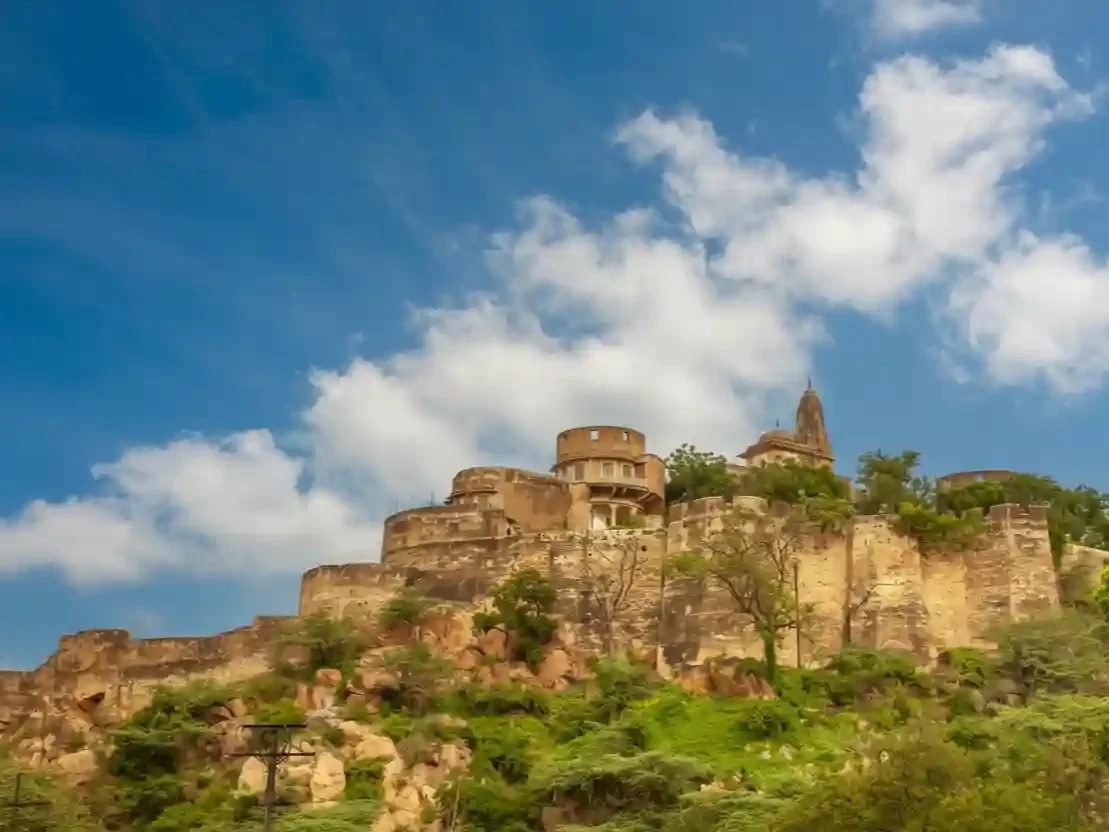
Atmosphere at Moti Doongri Fort is peaceful, elevated, and distinctly royal, offering visitors a calm presence amidst Jaipur’s urban surroundings. Sitting atop a small hill, the fort enjoys gentle breezes, open views, and a quiet ambiance that feels dignified and reflective, especially during temple visit hours and festivals.
What makes Moti Doongri Fort special is its unique architectural style and cultural importance. Built in the Scottish castle style, the fort stands out from typical Rajput structures and houses the revered Moti Doongri Ganesh Temple. Visitors can admire the fort’s exterior design, enjoy panoramic views of the city, and participate in devotional activities, especially during Ganesh Chaturthi, when the site becomes a major center of celebration and faith.
Beyond its visual and religious appeal, Moti Doongri Fort holds cultural and spiritual significance within Jaipur’s heritage landscape. It attracts devotees, photographers, and travelers seeking a blend of architecture, devotion, and scenic city views. The holistic experience leaves visitors with a sense of calm, cultural connection, and appreciation for Jaipur’s diverse architectural heritage.
Moti Doongri Fort is a historic hilltop palace located in Jaipur, Rajasthan, built in the 18th century by Maharaja Sawai Madho Singh II. Designed in a Scottish castle style, the fort stands on Moti Doongri Hill and was originally used as a royal residence rather than a defensive fortification.
The structure reflects a blend of European architectural influence with traditional Rajput aesthetics, featuring turrets, arched windows, and commanding views of the surrounding city. Adjacent to the fort is the Moti Doongri Ganesh Temple, which further enhances the site’s cultural and religious importance.
Today, Moti Doongri Fort remains a prominent landmark in Jaipur, representing the city’s royal lifestyle and architectural experimentation during the princely era. Though not open to the public, it continues to be admired for its unique design and historical presence in the Pink City.
Visiting Moti Doongri Fort in Jaipur is most enjoyable when the weather is comfortable, allowing visitors to admire the fort’s exterior, nearby Ganesh Temple, and city views without discomfort from heat.
The months from October to March are ideal for visiting, as Jaipur experiences pleasant winter weather with cool mornings and mild daytime temperatures. This period is perfect for sightseeing, photography, and exploring nearby attractions comfortably.
Spring months from March to early April remain suitable, though temperatures gradually begin to rise. Early morning or late afternoon visits are recommended to avoid the warmer hours while enjoying views and architectural details.
Summer season from May to September brings intense heat, making daytime visits uncomfortable. While the fort remains accessible, most travelers prefer visiting early in the morning, and monsoon months may bring occasional showers that briefly cool the surroundings.
 Temple
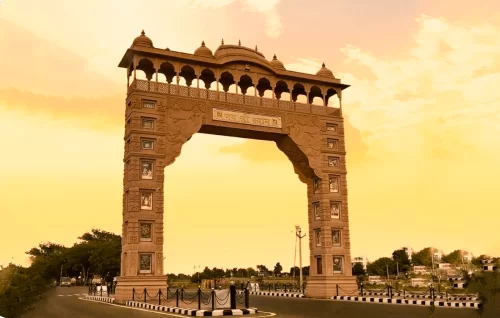
Khatu Shyam Temple is a Hindu temple dedicated to Khatu Shyam Ji, located in Khatu village of Sikar district, Rajasthan, India.
 Temple
Mehandipur Balaji Temple is a Hindu temple dedicated to Lord Hanuman, located in Mehandipur village of Dausa district, Rajasthan, India.
 Temple
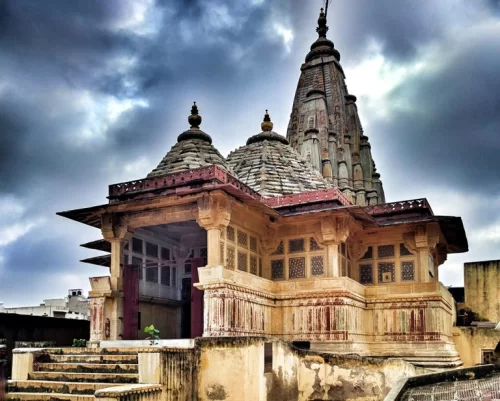
Shree Kalki Mandir is a Hindu temple dedicated to Lord Kalki, the prophesied future incarnation of Lord Vishnu, located in Rajasthan, India.
Get customized Rajasthan tour planning designed around desert climate comfort, long-distance road travel flow, heritage exploration time, and realistic pacing between regions. Whether you are visiting for fort architecture, palace heritage, cultural exper
⚡ Quick Response | 💰 Free consultation | 🕒 24×7 expert support

