+91 9910402252
admin@chalbanjare.com


| Entry Fee | No entry fee for general visitors, some special exhibitions or performances may have a small ticket charge |
|---|---|
| Timings | Open daily from 10 00 AM to 7 00 PM, closed on Monday |
| Altitude (m) | Located at approximately 431 meters above sea level in central Jaipur city |
| Ideal Visit Duration | One and a half to three hours to explore galleries, museum space, performance areas and courtyards |
| Best Time of Day | Late morning around 10 30 AM to 12 30 PM for galleries, and late afternoon around 4 00 PM to closing for events |
| Crowd Level | Moderate crowds with higher attendance during weekends, holidays and cultural events |
| Distance from City Centre (km) | About two to three kilometers from major central Jaipur landmarks and the main city centre |
| Walking Difficulty | Low walking difficulty with paved paths across the courtyard and museum galleries |
| Parking Available | Yes parking available near the entrance on Jawahar Lal Nehru Marg in Jaipur |
| Last Mile Access | Auto rickshaws, taxis and app based cabs available to reach the museum on JLN Marg |
| Suitable for Kids | Yes suitable for children with art galleries, exhibitions and open spaces |
| Suitable for Seniors | Yes generally suitable with easy walking paths and seating areas available |
| Wheelchair Friendly | Partially wheelchair accessible on main paved routes but some exhibition areas may have limited access |
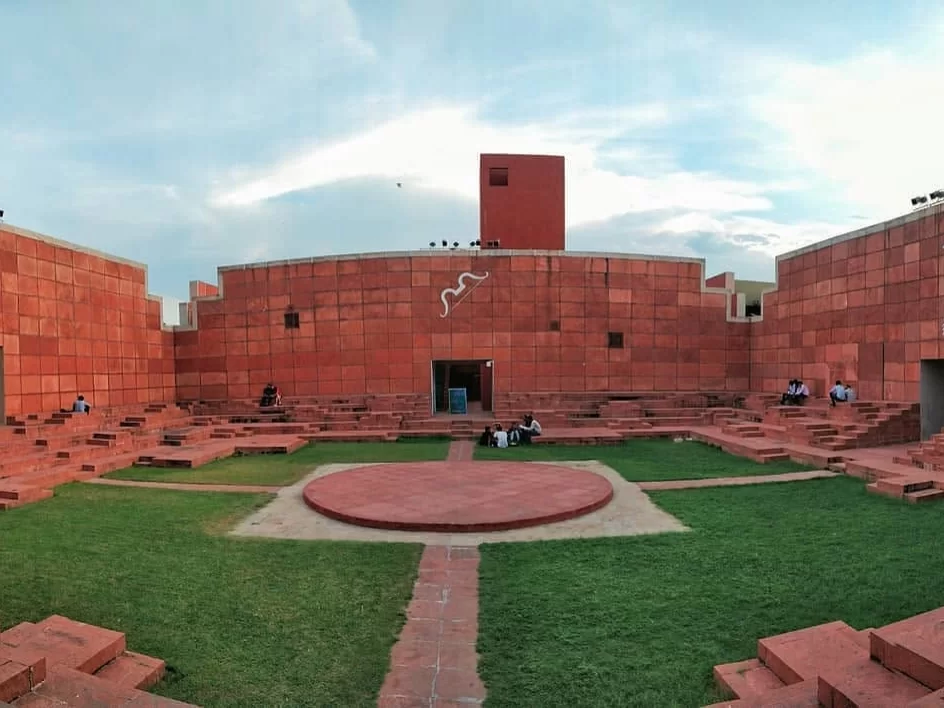
Atmosphere at Jawahar Kala Kendra Museum is vibrant, artistic, and intellectually stimulating, offering visitors an immersive cultural experience in the heart of Jaipur. The museum’s spacious galleries, open courtyards, and creative displays provide a serene yet inspiring environment for art lovers, students, and travelers seeking cultural enrichment.
What makes Jawahar Kala Kendra Museum special is its focus on preserving and promoting Rajasthan’s diverse arts, crafts, and performing traditions. Designed by renowned architect Charles Correa, the complex itself is a masterpiece of modern architecture inspired by the traditional Navagraha (nine planets) concept. Visitors can explore galleries showcasing paintings, sculptures, folk art, textiles, and pottery, as well as participate in cultural workshops, performances, and festivals that celebrate local heritage. Seasonal exhibitions and live events further enhance the visitor experience.
Beyond its visual and architectural appeal, Jawahar Kala Kendra Museum holds cultural and educational significance, fostering appreciation for Rajasthan’s artistic legacy. It caters to artists, students, researchers, tourists, and families seeking both learning and leisure. The holistic experience ensures that visitors leave with a deeper understanding of the state’s rich arts, traditions, and innovative cultural expressions.
Jawahar Kala Kendra Museum, located in Jaipur, Rajasthan, is a premier cultural and arts center established in 1986 by the Government of Rajasthan. The center was designed by renowned architect Charles Correa, inspired by the ancient Indian concept of the Navagraha (nine planets), to create a space that integrates traditional Rajasthani art with contemporary cultural expression.
The museum within the complex houses an extensive collection of paintings, sculptures, folk art, and handicrafts that represent the diverse artistic traditions of Rajasthan. It also hosts regular exhibitions, workshops, and cultural events, making it a hub for artists, scholars, and tourists interested in the region’s heritage.
Over the years, Jawahar Kala Kendra Museum has become an important educational and cultural landmark in Jaipur, preserving Rajasthan’s artistic legacy while providing a platform for contemporary creative expression. It reflects both historical continuity and modern innovation in the state’s cultural landscape.
Visiting Jawahar Kala Kendra Museum in Jaipur is most enjoyable when the weather is comfortable, allowing visitors to explore the museum, art galleries, and outdoor spaces without discomfort from heat or humidity.
The months from October to March are ideal for visiting, as Jaipur experiences cool, dry, and pleasant weather. This period is perfect for leisurely exploration of the museum’s exhibits, cultural performances, and landscaped courtyards.
Spring months from March to early April are also suitable, though temperatures begin to rise. Early morning or late afternoon visits are recommended to enjoy the outdoor areas comfortably and capture the architecture in soft natural light.
Summer season from May to September brings intense heat, making outdoor exploration less comfortable. While the indoor galleries remain accessible, most travelers prefer visiting during the cooler months to fully enjoy the museum and cultural activities.
 Temple
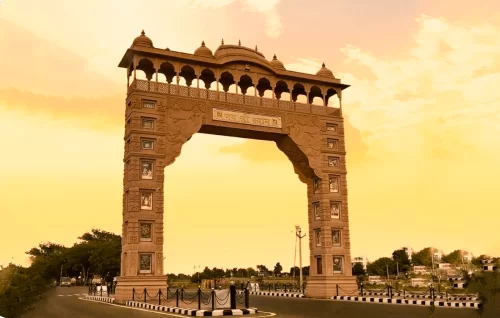
Khatu Shyam Temple is a Hindu temple dedicated to Khatu Shyam Ji, located in Khatu village of Sikar district, Rajasthan, India.
 Temple
Mehandipur Balaji Temple is a Hindu temple dedicated to Lord Hanuman, located in Mehandipur village of Dausa district, Rajasthan, India.
 Temple
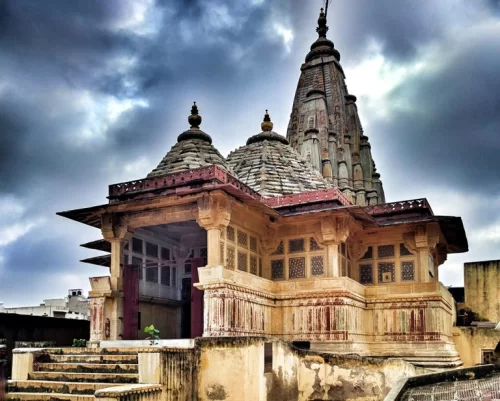
Shree Kalki Mandir is a Hindu temple dedicated to Lord Kalki, the prophesied future incarnation of Lord Vishnu, located in Rajasthan, India.
Get customized Rajasthan tour planning designed around desert climate comfort, long-distance road travel flow, heritage exploration time, and realistic pacing between regions. Whether you are visiting for fort architecture, palace heritage, cultural exper
⚡ Quick Response | 💰 Free consultation | 🕒 24×7 expert support

