Jal Mahal Jaipur – The Floating Palace on Man Sagar Lake

Jal Mahal , Jaipur
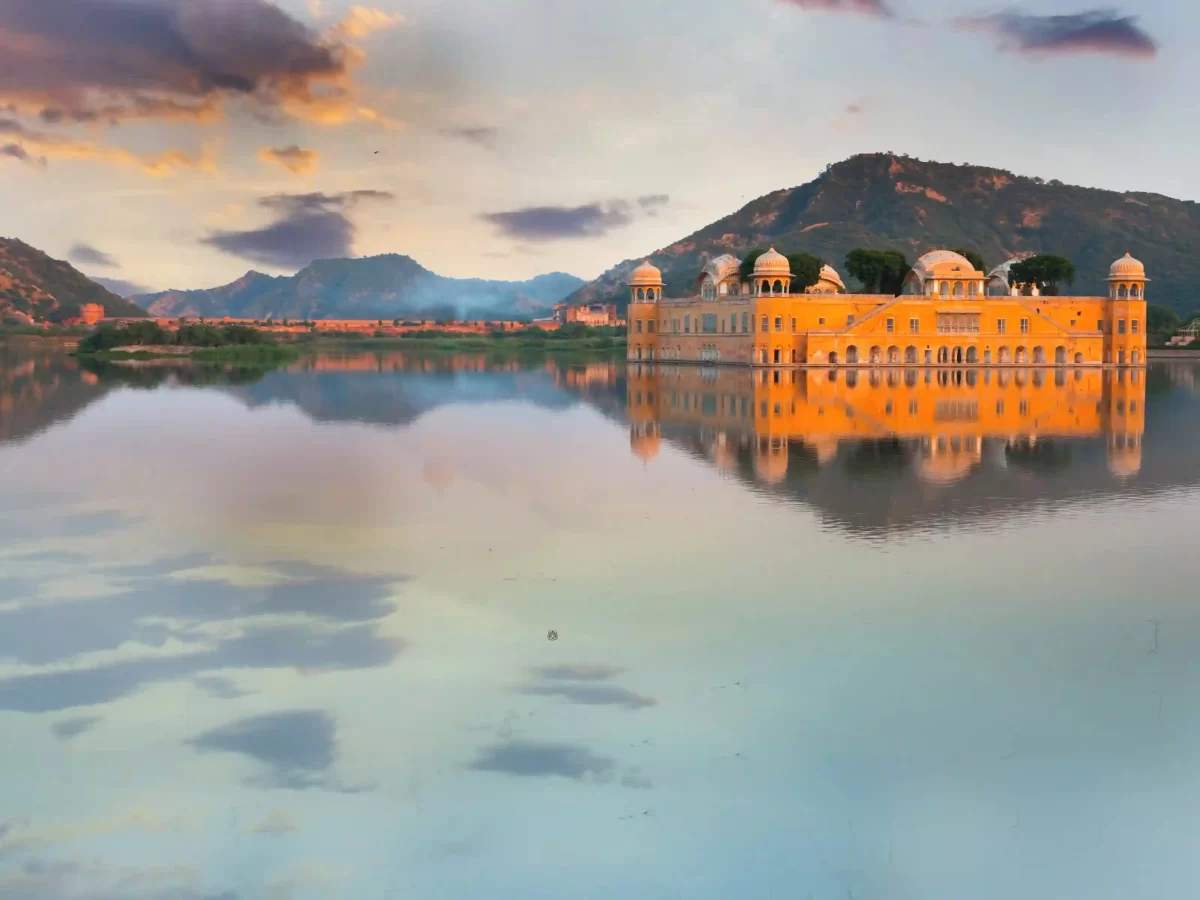
Built in the 18th century by Maharaja Madho Singh I, Jal Mahal is a five-story Rajput-style palace, of which four floors remain submerged underwater when the lake is full. The palace showcases a blend of Mughal and Rajput architectural styles, featuring delicate balconies, chhatris, and intricate stonework. Though entry to the palace is restricted, visitors can enjoy stunning views from the lake’s edge, take boat rides, and capture the palace framed against the Aravalli hills. Its serene location and reflection in the lake make it one of Jaipur’s most photographed landmarks.

Quick Facts About Jal Mahal

Quick Facts About Jal Mahal

Entry Fee Free to view from the lakefront; boat rides around the palace cost 150–300 per person.
Timings Daily from 8:00AM to 6:00PM for lakefront access and sightseeing; boat rides available from 9:00AM to 5:00PM.
Altitude (m) ~431m above sea level.
Ideal Visit Duration 30–60 minutes for lakeside photography and boat rides.
Best Time of Day Early morning or late afternoon for soft light and calm water reflections.
Crowd Level Moderate on weekdays, high during weekends and holidays.
Distance from City Centre (km) About 4km from Jaipur city center.
Walking Difficulty Easy — lakeside walkways are mostly flat and accessible.
Parking Available Yes, nearby paid parking is available at the lakefront.
Last Mile Access Accessible via taxis, auto-rickshaws, and walking paths from parking areas.
Suitable for Kids Yes — ideal for family visits and photography.
Suitable for Seniors Yes — flat lakeside pathways make it easy to explore.
Wheelchair Friendly Partially — lakeside paths are mostly flat, but boat rides may not be wheelchair accessible.

Why Visit Jal Mahal

Jal Mahal, meaning “Water Palace,” is one of Jaipur’s most picturesque landmarks, offering a serene and photogenic setting in the middle of Man Sagar Lake. Its unique architecture, blending Rajput and Mughal styles, and partially submerged structure create a magical floating effect. Visitors can enjoy the calm atmosphere of the lake, capture stunning reflections of the palace against the backdrop of the Aravalli hills, and take leisurely boat rides for closer views. The combination of architectural beauty, tranquil surroundings, and breathtaking photography opportunities makes Jal Mahal a must-visit destination for tourists and photography enthusiasts alike.

History of Jal Mahal

Jal Mahal was originally constructed in the 18th century by Maharaja Madho Singh I as a hunting lodge and summer retreat for the royal family. The palace showcases a harmonious blend of Rajput and Mughal architectural styles, with chhatris, balconies, and intricately designed walls. Its partially submerged structure in the middle of Man Sagar Lake not only enhances its aesthetic appeal but also serves as a cooling feature during hot summers. Over the years, Jal Mahal has become an iconic symbol of Jaipur’s royal heritage and a popular spot for sightseeing and photography.

Best Time to Visit Jal Mahal

The best time to visit Jal Mahal is during the cooler months from October to March, when Jaipur enjoys pleasant weather ideal for sightseeing and photography. Early mornings and late afternoons offer soft, warm lighting, perfect for capturing reflections of the palace in Man Sagar Lake. Summers (April to June) can be extremely hot, making outdoor exploration uncomfortable.
  • October to March: Pleasant weather, ideal for sightseeing and photography.
  • Early Morning (7:00–9:00?AM): Fewer crowds, calm lake surface, and soft natural light.
  • Late Afternoon (4:00–6:00?PM): Golden hour enhances the palace’s reflection in the lake.
  • Weekdays: Less crowded than weekends, providing a peaceful visit.
  • Avoid April to June: High temperatures make it uncomfortable to explore the lakefront and surroundings.

How to Reach Jal Mahal

  • By Air: Jaipur International Airport is approximately 13?km away. Taxis and app-based cabs take around 30–40 minutes to reach the lakefront.
  • By Train: Jaipur Junction is about 5?km from Jal Mahal. Auto-rickshaws, taxis, and local buses provide convenient access.
  • By Bus: Jaipur City Transport and private buses connect major city points to the Jal Mahal area; alight at nearby stops in the old city.
  • By Car/Taxi: Accessible via Amer Road and nearby streets. Paid parking is available near the lakefront; local taxis and rickshaws are convenient for last-mile access.
  • Walking: If staying in central Jaipur, Jal Mahal is reachable by a short walk from nearby hotels and markets, offering scenic lake views en route.

What to Expect When You Visit Jal Mahal

  • Scenic Views: Enjoy breathtaking views of the floating palace set against the calm waters of Man Sagar Lake and the Aravalli hills.
  • Photography Opportunities: Capture reflections of the palace in the lake, the surrounding gardens, and nearby birdlife for stunning photos.
  • Boat Rides: Leisurely boat rides are available around the palace, offering closer perspectives of the architecture and water surroundings.
  • Relaxed Atmosphere: The lakefront provides a peaceful and serene environment, ideal for a quiet stroll or enjoying the sunset.
  • Wildlife Spotting: Spot migratory birds and local waterfowl around the lake, especially in the early morning or late afternoon.
  • Moderate Walking: The lakefront has mostly flat walkways, making it easy for families, seniors, and casual visitors to explore.
  • Limited Access: Entry inside the palace is not allowed, so the experience focuses on lakeside views, photography, and boat rides.
  • Visitor Amenities: Benches, viewpoints, and nearby cafes are available for rest and refreshments during the visit.

Important Visitor Information

  • Crowd & Weather Notes: Jal Mahal is moderately crowded on weekdays and highly visited on weekends and public holidays. The best time to visit is October to March when the weather is pleasant.
  • Peak / Quiet Hours: Peak visiting hours are 10:00?AM–4:00?PM. Early mornings (8:00–10:00?AM) and late afternoons (4:00–6:00?PM) are quieter and ideal for photography and leisurely walks.
  • Dress Code: Comfortable clothing and shoes are recommended. Modest attire is suggested for cultural sensitivity while visiting Jaipur landmarks.
  • Safety Notes: Stay on designated pathways, supervise children near the water, and avoid venturing onto restricted areas. Be cautious during boat rides and follow instructions from operators.

Photography and Viewpoint

  • Lakefront Views: Capture stunning images of Jal Mahal reflected in the calm waters of Man Sagar Lake, especially during early morning or sunset.
  • Terrace and Garden Perspectives: Nearby gardens and terraces offer elevated viewpoints for wider shots of the palace with the Aravalli hills in the background.
  • Golden Hour Photography: Early morning and late afternoon light enhances the palace’s sandstone color and creates perfect reflections in the water.
  • Birdwatching Shots: The lake attracts migratory birds and local waterfowl, adding dynamic natural elements to your photographs.
  • Street and Market Angles: Include the surrounding local streets, markets, and tree-lined paths for contextual and culturally rich compositions.
  • Boat Ride Photography: Capture close-up perspectives of the palace architecture and balconies from permitted boat rides around the lake.
  • Visitor Tips: Weekdays are less crowded, providing unobstructed views; wide-angle lenses help capture the full palace in one frame.

Near By Attraction

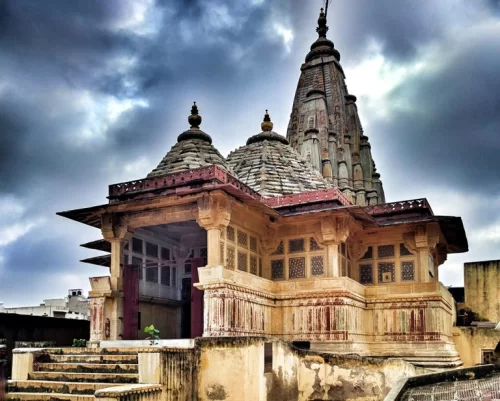
Shri Khole Ke Hanuman Ji Temple Jaipur Massive 1960s hillside shrine dedicated to Lord Hanuman featuring white marble architecture and scenic valley views Rajasthan. Temple

Shri Khole Ke Hanuman Ji Temple

Shri Khole Ke Hanuman Ji Temple is a prominent Hindu temple complex situated on a hillside in the Laxman Dungri area.

Moti Doongri Ganeshji Temple Jaipur Ancient Hindu shrine dedicated to Lord Ganesha with a gold seated idol Rajasthan. Temple

Moti Dungri Ganesh Ji Temple jaipur

Moti Dungri Ganesh Ji Temple is an 18th-century Hindu place of worship dedicated to Lord Ganesha, located at the foot of the Moti Dungri hill.

BAPS Shri Swaminarayan Akshardham Mandir aerial view of the intricate stone carvings and domes in Jaipur, Rajasthan. Temple

BAPS Shri Swaminarayan Akshardham Mandir

BAPS Shri Swaminarayan Akshardham is a modern Hindu temple complex dedicated to Bhagwan Swaminarayan, constructed using traditional Vedic architectural principles.

Frequently Asked Questions About Jal Mahal

Jal Mahal is located in the middle of Man Sagar Lake in Jaipur, Rajasthan. It stands along the Amer Road between Jaipur city and Amer.
Jal Mahal can be viewed throughout the day from the lakeside promenade. There are no fixed visiting hours for external viewing.
There is no entry fee to view Jal Mahal from the roadside promenade. Public entry inside the palace is generally not permitted.
Visitors are not allowed to enter inside Jal Mahal as it is not open for regular public access. The palace can be admired from the lakefront area.
Jal Mahal can be reached easily by taxi, auto or private vehicle from Jaipur city. It is located along the main Amer Road.
The best time to visit Jal Mahal is between October and March when the weather remains pleasant for sightseeing in Jaipur.
Around 20 to 40 minutes are sufficient to stop, view and photograph Jal Mahal from the lakeside.
Parking facilities are available along the roadside near Jal Mahal. Availability may vary during peak tourist hours.
Jal Mahal is suitable for families, couples and photography enthusiasts. The lakeside area allows relaxed viewing of the monument.
Jal Mahal is famous for its unique location in the middle of Man Sagar Lake and its Rajput architectural style.
Jal Mahal experiences higher footfall during evenings and weekends when visitors gather to enjoy the view and sunset.
Amber Fort, Jaigarh Fort and Nahargarh Fort can be combined with a Jal Mahal visit. These attractions are located near Jaipur in Rajasthan.

Loved this place ? Let’s Plan Your Rajasthan Trip

Get customized Rajasthan tour planning designed around desert climate comfort, long-distance road travel flow, heritage exploration time, and realistic pacing between regions. Whether you are visiting for fort architecture, palace heritage, cultural exper

⚡ Quick Response | 💰 Free consultation | 🕒 24×7 expert support

×

Plan Your Trip