+91 9910402252
admin@chalbanjare.com


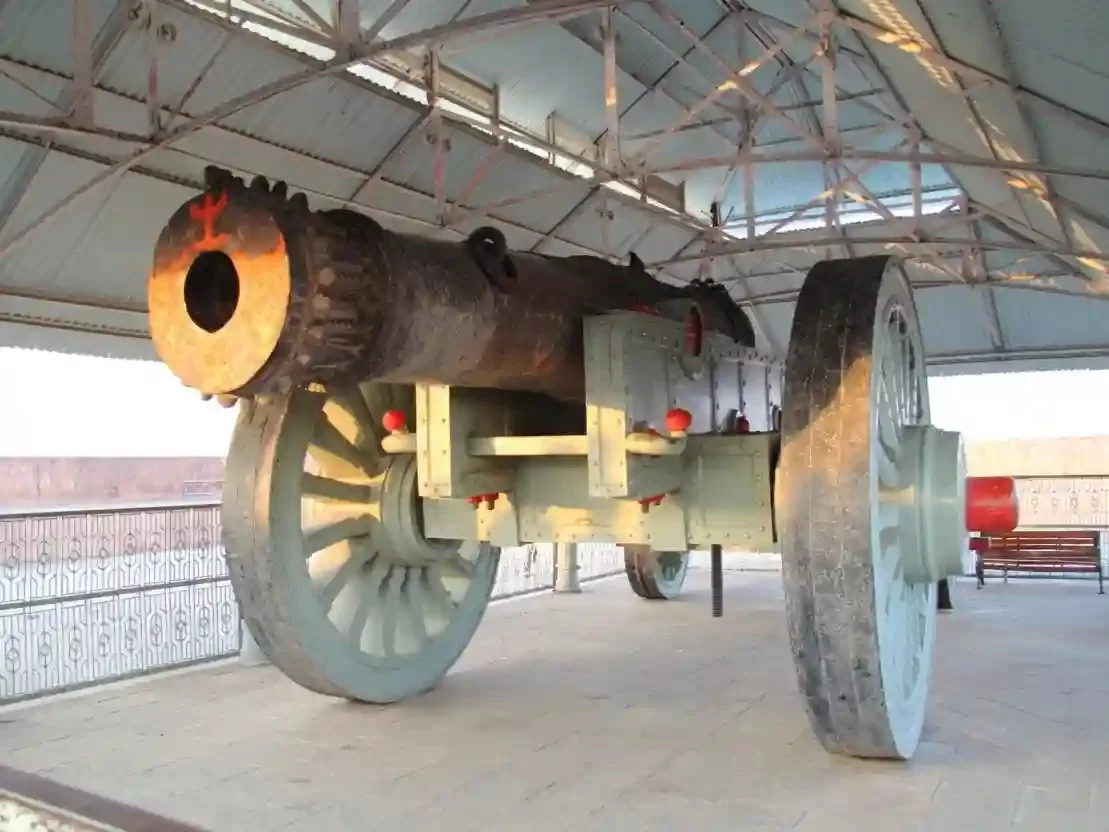
| Entry Fee | No separate entry fee for Jaivana Cannon, included with Jaigarh Fort entry ticket |
|---|---|
| Timings | Accessible daily during Jaigarh Fort visiting hours generally from 9 00 AM to 4 30 PM |
| Altitude (m) | Located at approximately 650 meters above sea level at Jaigarh Fort in the Aravalli hills |
| Ideal Visit Duration | Fifteen to thirty minutes to view the cannon and surrounding fort area |
| Best Time of Day | Morning hours for clearer views and comfortable weather |
| Crowd Level | Moderate crowds as it is a popular attraction inside Jaigarh Fort |
| Distance from City Centre (km) | About 15 kilometers from Jaipur city centre |
| Walking Difficulty | Low walking difficulty with flat stone paths near the cannon platform |
| Parking Available | Yes parking available at Jaigarh Fort parking area |
| Last Mile Access | Taxi auto rickshaw or private vehicle available up to Jaigarh Fort followed by short walk |
| Suitable for Kids | Yes suitable for kids with supervision near elevated areas |
| Suitable for Seniors | Yes generally suitable with minimal walking required |
| Wheelchair Friendly | Partially wheelchair accessible though some fort paths may be uneven |
Atmosphere at Jaivana Cannon is commanding, historic, and awe-inspiring, set atop the formidable ramparts of Jaigarh Fort overlooking the Aravalli hills. The open surroundings, sweeping views, and massive scale of the cannon create a powerful sense of military strength and royal ambition, transporting visitors back to Jaipur’s warrior era.
What makes Jaivana Cannon special is its status as the world’s largest cannon on wheels and a remarkable symbol of Rajput engineering excellence. Built in the 18th century during the reign of Maharaja Sawai Jai Singh II, the cannon was never used in battle but stands as a testament to Jaipur’s advanced metallurgy and strategic defense planning. Visitors can admire its sheer size, intricate construction, and the scenic landscape it once guarded, making it a highlight for history lovers and photographers.
Beyond its visual impact, Jaivana Cannon holds strong historical and cultural significance within Rajasthan’s military heritage. It attracts travelers interested in warfare history, architecture, and panoramic viewpoints. The holistic experience leaves visitors with a deep appreciation for Jaipur’s royal engineering achievements and the commanding presence of Jaigarh Fort.
The Jaivana Cannon is a historic artillery piece housed at Jaigarh Fort near Jaipur, Rajasthan, and is regarded as the largest cannon on wheels ever manufactured. It was cast in 1720 during the reign of Maharaja Sawai Jai Singh II, the founder of Jaipur, as a symbol of military strength and technological advancement of the Kachwaha Rajputs.
The cannon was manufactured within Jaigarh Fort itself using locally available metals and advanced casting techniques of the time. Although it was test-fired only once, the cannon successfully launched a massive projectile that landed several kilometers away, demonstrating its formidable power. The firing also led to the creation of water reservoirs in the surrounding area, showcasing strategic planning beyond warfare.
Today, the Jaivana Cannon stands as an iconic military and engineering landmark, attracting visitors interested in Rajasthan’s martial history. It represents Jaipur’s royal ambition, defensive preparedness, and mastery of early artillery technology.
Visiting the Jaivana Cannon in Jaipur is most enjoyable when the weather is comfortable, allowing visitors to explore the fort area and admire this historic artillery piece without discomfort from heat.
The months from October to March are ideal for visiting, as Jaipur experiences cool and pleasant winter weather. This period is perfect for sightseeing, photography, and exploring Jaigarh Fort and its surroundings comfortably.
Spring months from March to early April remain suitable, though temperatures begin to rise. Early morning or late afternoon visits are recommended to avoid the warmer hours while enjoying views and architectural details.
Summer season from May to September brings intense heat, making daytime exploration challenging. While the cannon remains accessible, most travelers prefer visiting early in the morning, and monsoon months may bring occasional showers that slightly cool the surroundings.
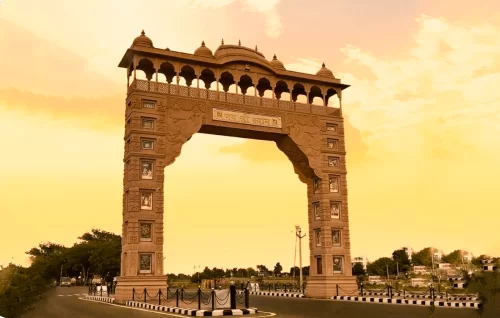 Temple
Khatu Shyam Temple is a Hindu temple dedicated to Khatu Shyam Ji, located in Khatu village of Sikar district, Rajasthan, India.
 Temple
Mehandipur Balaji Temple is a Hindu temple dedicated to Lord Hanuman, located in Mehandipur village of Dausa district, Rajasthan, India.
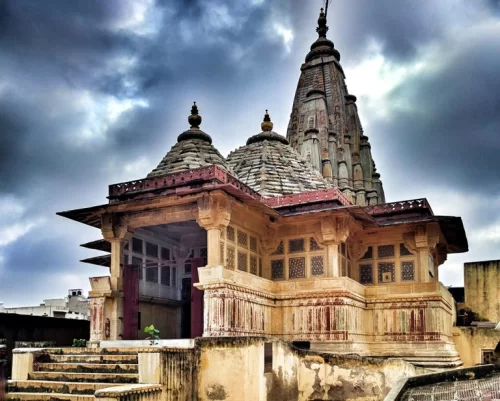 Temple
Shree Kalki Mandir is a Hindu temple dedicated to Lord Kalki, the prophesied future incarnation of Lord Vishnu, located in Rajasthan, India.
Get customized Rajasthan tour planning designed around desert climate comfort, long-distance road travel flow, heritage exploration time, and realistic pacing between regions. Whether you are visiting for fort architecture, palace heritage, cultural exper
⚡ Quick Response | 💰 Free consultation | 🕒 24×7 expert support

