Quick Facts About Jaigarh Fort
Quick Facts About Jaigarh Fort Jaipur
| Entry Fee | Approx. 150 for Indian adults; 75 children (5–12); 50 students; 200 for foreign adults; 100 for foreign children/students; children under 5 free; camera charges approx. 50 (still) & 200 (video). |
|---|---|
| Timings | Open daily from 9:00AM to 6:30PM; last entry usually around 6:00PM. |
| Altitude (m) | Located atop the Hill of Eagles around ~500ft (approximately 150m) above surrounding plains, offering elevated views. |
| Ideal Visit Duration | 2–3 hours to explore fort walls, Jaivana Cannon, museum, and viewpoints. |
| Best Time of Day | Morning (9:00AM–11:00AM) for cooler temperatures and photography; late afternoon for views. |
| Crowd Level | Moderate daily; can be busier in peak tourist seasons (winter & holidays). |
| Distance from City Centre (km) | Approximately 14–15km from Jaipur city centre / main bus stand via Amber Road. |
| Walking Difficulty | Moderate — involves walking on uneven fort grounds, steps, and ramparts. |
| Parking Available | Yes — parking is available near the fort entrance; some areas charge for parking. |
| Last Mile Access | Accessible by taxi, autorickshaw, cab, or private vehicle; road to fort is uphill with scenic views. |
| Suitable for Kids | Yes — children enjoy exploring the fort, cannons, and open spaces (supervision recommended). |
| Suitable for Seniors | Partly — moderate walking and steps may be tiring for some elderly visitors; take breaks. |
| Wheelchair Friendly | Limited — fort terrain includes uneven surfaces and steps; wheelchair access is not comprehensive. |
Why Visit Jaigarh Fort Jaipur
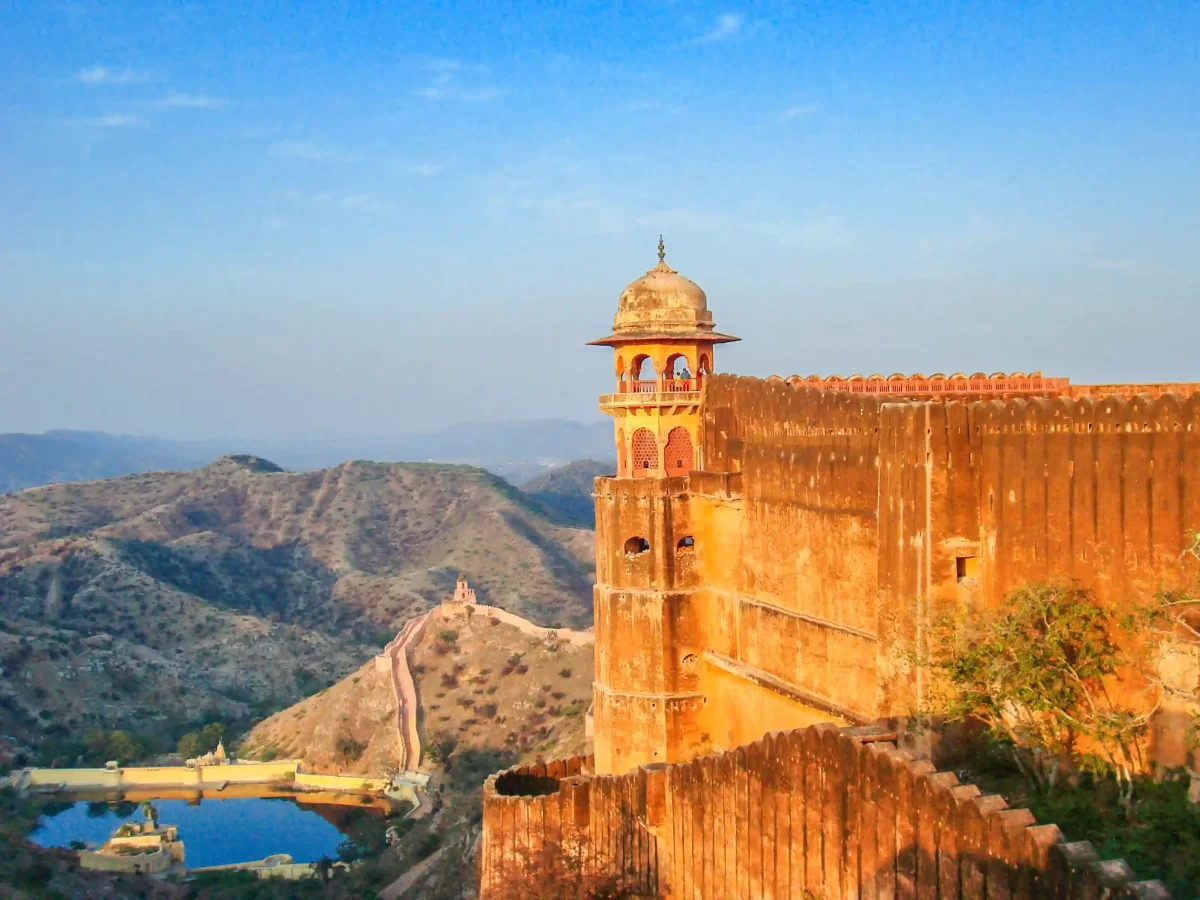
Jaigarh Fort, perched atop the Aravalli Hills, offers a fascinating glimpse into Rajasthan’s military history and architectural grandeur. Visitors are drawn to its massive walls, bastions, and the world-famous Jaivana Cannon, one of the largest cannons on wheels in the world.
The fort’s strategic location provides panoramic views of Amber Fort, Maota Lake, and the surrounding Jaipur plains, making it a haven for photographers and history enthusiasts. Its robust design, fortified gates, and underground passages reflect the engineering brilliance of the 18th century.
What makes Jaigarh Fort special is its combination of historical significance, architectural marvels, and scenic viewpoints. The atmosphere is both majestic and serene, allowing visitors to explore, learn, and capture unforgettable vistas while immersing themselves in Rajasthan’s regal past.
History of Jaigarh Fort Jaipur
Jaigarh Fort was constructed in 1726 by Maharaja Jai Singh II to protect the Amber Fort and its palace complex from invasions. Built on the Aravalli Hills, the fort served as a strategic military stronghold and housed a large arsenal, including cannons, weapons, and ammunition.
The fort is renowned for its robust defensive architecture, massive walls, watchtowers, and the Jaivana Cannon, which remains a symbol of 18th-century engineering excellence. The underground passages, granaries, and armories highlight the fort's role in safeguarding the region during times of war.
Jaigarh Fort has become a major historical attraction, offering visitors insight into Rajasthan’s military strategy, architectural innovation, and royal legacy. Its strategic location, preserved structures, and panoramic views make it a must-visit for history and architecture enthusiasts.
Best Time to Visit Jaigarh Fort Jaipur
Jaigarh Fort can be visited throughout the year, but certain seasons and times enhance the experience of exploring its historic architecture and panoramic views.
- October to March: The ideal period to visit Jaipur and Jaigarh Fort, with pleasant temperatures (10°C–25°C) and clear skies for sightseeing and photography.
- April to June: Summers are hot; early morning or late afternoon visits are recommended to avoid peak heat and enjoy comfortable exploration.
- Monsoon (July to September): Occasional rains add greenery to the surrounding Aravalli Hills, but some pathways may be slippery, so caution is advised.
- Time of Day: Morning visits (9:00?AM–11:00?AM) offer cooler conditions and better lighting for photography; late afternoon provides beautiful sunset views over Amber and Jaipur.
- Weekdays vs Weekends: Weekdays are less crowded, while weekends and public holidays may see higher visitor traffic.
- Photography Tip: Early morning or late afternoon light enhances fort walls and Jaivana Cannon, making it ideal for photography enthusiasts.
How to Reach Jaigarh Fort Jaipur
- By Air: Jaipur International Airport is approximately 16?km from Jaigarh Fort. Visitors can hire taxis, app-based cabs, or airport shuttles to reach the fort in about 30–35 minutes.
- By Train: Jaipur Railway Station is around 14–15?km away and connects the city to major Indian cities. Taxis and auto-rickshaws provide convenient last-mile access to the fort.
- By Road: Jaigarh Fort is accessible via Amber Road. Private vehicles, taxis, and buses can reach the fort entrance directly. Parking is available near the main gate.
- Local Transport: Auto-rickshaws, app-based cab services, and rental scooters or bikes are widely available from central Jaipur for short-distance travel to the fort.
- Self-Drive: Visitors driving themselves can follow Amber Road signage. The road leads uphill to the fort, offering scenic views en route. Early arrival is recommended during peak tourist season.
- Walking: Moderate uphill walking is required within the fort complex to reach viewpoints and cannons. Comfortable footwear is recommended.
What to Expect When You Visit Jaigarh Fort Jaipur
- Historic Military Architecture: Explore massive walls, bastions, watchtowers, and the underground passages that showcase 18th-century defensive design.
- Jaivana Cannon: See the world-famous Jaivana Cannon, once the largest cannon on wheels, symbolizing Rajasthan’s military prowess.
- Panoramic Views: Enjoy breathtaking views of Amber Fort, Maota Lake, and Jaipur city from the fort’s elevated vantage points.
- Museum & Armory: Discover ancient weaponry, armaments, and artifacts preserved in the fort’s museum, providing insights into historic warfare.
- Scenic Photography: Capture stunning photographs of the fort’s architecture, surrounding hills, and sunset vistas.
- Walking & Exploration: Moderate uphill walking is required across ramparts, courtyards, and gardens; wear comfortable shoes.
- Family-Friendly: Suitable for history enthusiasts and families; children enjoy the open spaces and viewing cannons.
- Quiet & Majestic Atmosphere: The fort’s hilltop location offers a serene and majestic environment, especially during early morning or late afternoon visits.
Important Visitor Information for Jaigarh Fort Jaipur
- Crowd & Weather Notes: The fort experiences moderate crowds on weekdays and higher footfall on weekends and public holidays. The best weather is during October–March with pleasant temperatures. Summers (April–June) can be hot, while monsoon (July–September) may make some areas slippery.
- Peak / Quiet Hours: Peak visiting hours are late morning (11:00?AM–1:00?PM) and early afternoon (3:00?PM–5:00?PM). Early morning (9:00?AM–11:00?AM) and late afternoon (4:00?PM–6:00?PM) are quieter and ideal for photography and exploration.
- Dress Code: Comfortable, modest clothing is recommended. Light clothes in summer, warm layers in winter. Footwear should be suitable for walking on uneven surfaces.
- Safety Notes: Follow fort guidelines, stay on designated pathways, and supervise children. Carry water, wear sun protection, and be cautious on steps and ramparts. Photography is allowed but respect other visitors.
Photography and Viewpoints at Jaigarh Fort Jaipur
- Panoramic Hilltop Views: Capture sweeping vistas of Amber Fort, Maota Lake, and Jaipur city from the fort’s elevated ramparts and watchtowers.
- Fort Architecture: Photograph massive walls, bastions, gates, and stone pathways that reflect 18th-century military design.
- Jaivana Cannon: Iconic cannon provides a unique photography subject and a glimpse into Rajasthan’s historic artillery.
- Sunrise & Sunset Shots: Early morning or late afternoon visits offer soft lighting for dramatic architectural and landscape photography.
- Courtyards and Pathways: Explore wide courtyards, narrow passages, and gardens for detailed shots and perspective photography.
- Family & Visitor Moments: Candid photography of families exploring, children viewing cannons, and visitors walking along ramparts.
- Photography Tips: Use wide-angle lenses for expansive views; avoid flash in enclosed areas; respect other visitors and fort guidelines.