+91 9910402252
admin@chalbanjare.com


| Entry Fee | Entry fee for Indian adults typically between 50 rupees and 100 rupees per person, foreign nationals usually about 200 rupees to 500 rupees per person |
|---|---|
| Timings | Open daily generally from 9 00 AM to 4 30 PM for visitors to climb and view |
| Altitude (m) | Located at about 431 meters above sea level in the old city of Jaipur |
| Ideal Visit Duration | Thirty minutes to one hour to climb the tower and enjoy panoramic city views |
| Best Time of Day | Early morning or late afternoon before closing time for comfortable climb and clearer views |
| Crowd Level | Moderate crowds with higher numbers on weekends holidays and peak tourist months |
| Distance from City Centre (km) | Located within the old walled city near Tripolia Gate so about zero to one kilometer from major central landmarks |
| Walking Difficulty | Moderate walking difficulty with a narrow spiral staircase climb to the top floors |
| Parking Available | Parking options are limited within the old city near the monument; street parking and public lots available nearby |
| Last Mile Access | Auto rickshaws taxis and e rickshaws available in the old city; walking through bazaar lanes is common to reach the tower entrance |
| Suitable for Kids | Yes suitable for children above age six with supervision because the staircase is narrow |
| Suitable for Seniors | Moderate for seniors as the climbing up narrow steps can be tiring for some |
| Wheelchair Friendly | No not wheelchair friendly due to narrow stairways and historic structure access limitations |
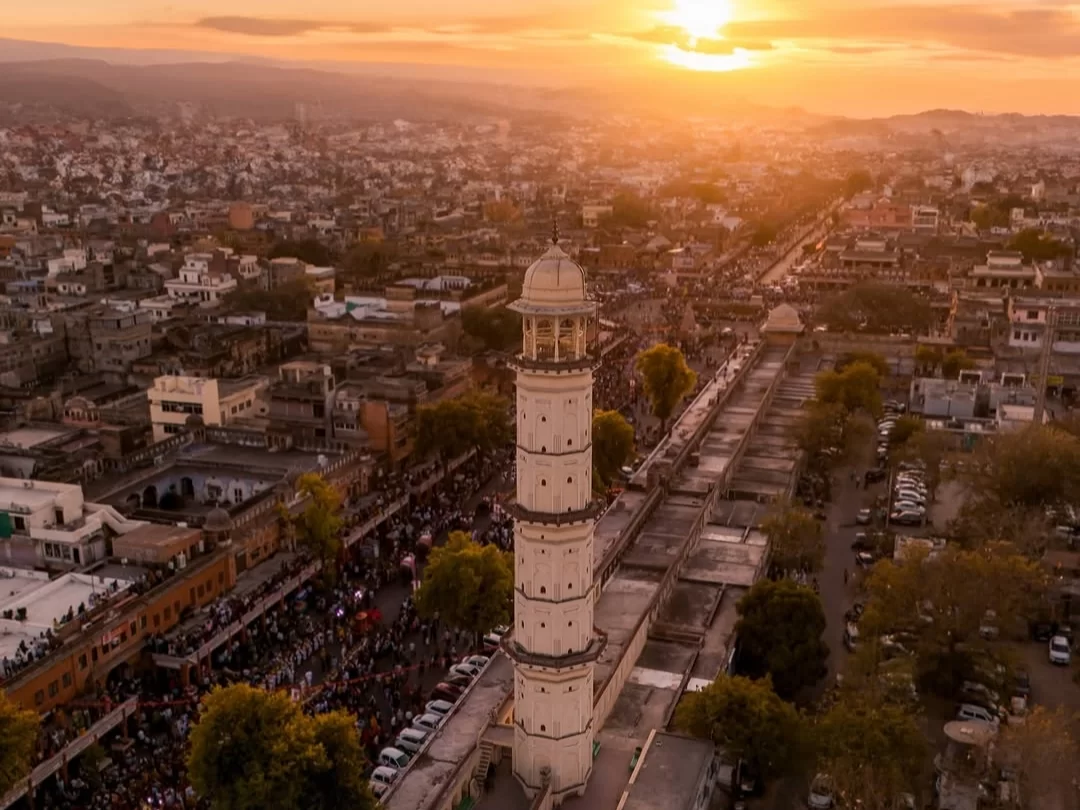
Atmosphere at Isarlat Sargasooli is peaceful and majestic, offering visitors a calm escape amidst the historic heart of Jaipur. The tall stone tower rises gracefully above the surrounding markets and old city streets, creating a serene environment once you step inside. The gentle breeze at higher levels and the quiet ambiance make it a refreshing contrast to the lively streets below.
What makes Isarlat Sargasooli special is its striking architecture and panoramic city views. Built in the 18th century by Maharaja Ishwari Singh, the seven-storeyed tower was constructed to commemorate victory and stands as a symbol of royal pride. Visitors can climb its winding steps to reach various levels that offer breathtaking views of Jaipur’s forts, palaces, and bustling bazaars. The tower’s elegant Rajput design and historical charm make it a favorite spot for photographers and heritage lovers.
Beyond its visual beauty, Isarlat Sargasooli holds historical and cultural significance within Jaipur’s royal legacy. It attracts travelers interested in architecture, history, and scenic viewpoints while providing a peaceful heritage experience. The holistic visit leaves visitors with memorable views, appreciation for Jaipur’s royal past, and a unique perspective of the Pink City.
Isarlat Sargasooli, popularly known as Sargasooli Tower, is a historic victory monument located near Tripolia Gate in Jaipur, Rajasthan. It was built in 1749 by Maharaja Ishwari Singh of Jaipur to commemorate his triumph over rival kingdoms in the region, symbolizing the strength and political stability of the Kachwaha Rajput rulers.
The towering structure rises above the old city skyline and features a spiral staircase leading to the top, offering panoramic views of Jaipur’s bustling bazaars, palaces, and forts. Architecturally, the tower reflects traditional Rajput design with arched windows, decorative brackets, and ornamental detailing that highlight 18th-century craftsmanship.
Over the centuries, Isarlat Sargasooli has remained a significant historical landmark representing Jaipur’s royal legacy and urban development. Today, it stands as both a heritage monument and a popular viewpoint, allowing visitors to experience the city’s historical grandeur from above.
Visiting Isarlat Sargasooli in Jaipur is most enjoyable when the weather is pleasant, allowing visitors to comfortably climb the historic tower and enjoy panoramic views of the Pink City without extreme heat.
The months from October to March are ideal for visiting, as Jaipur experiences cool and comfortable winter weather with clear skies. This period is perfect for sightseeing, photography, and exploring nearby markets and heritage attractions without discomfort from high temperatures.
Spring months from March to early April remain suitable, though temperatures gradually begin to rise. Early morning or late afternoon visits are recommended to avoid midday heat while enjoying the tower’s views and architectural details.
Summer season from May to September brings intense heat, making daytime visits challenging. While the monument remains open, most travelers prefer visiting during early mornings only, and many avoid peak summer months due to extreme temperatures.
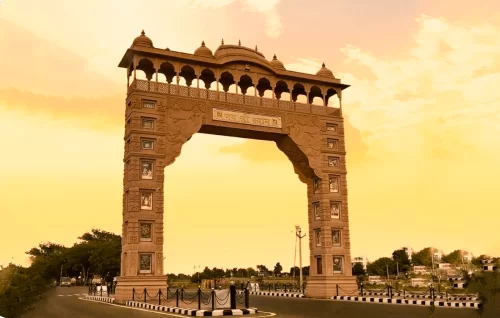 Temple
Khatu Shyam Temple is a Hindu temple dedicated to Khatu Shyam Ji, located in Khatu village of Sikar district, Rajasthan, India.
 Temple
Mehandipur Balaji Temple is a Hindu temple dedicated to Lord Hanuman, located in Mehandipur village of Dausa district, Rajasthan, India.
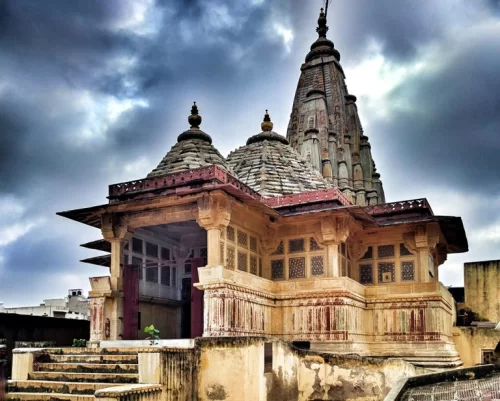 Temple
Shree Kalki Mandir is a Hindu temple dedicated to Lord Kalki, the prophesied future incarnation of Lord Vishnu, located in Rajasthan, India.
Get customized Rajasthan tour planning designed around desert climate comfort, long-distance road travel flow, heritage exploration time, and realistic pacing between regions. Whether you are visiting for fort architecture, palace heritage, cultural exper
⚡ Quick Response | 💰 Free consultation | 🕒 24×7 expert support

