+91 9910402252
admin@chalbanjare.com


| Entry Fee | 50 per adult, 20 per child; Indian citizens. Foreign tourists: 200 per adult, 100 per child. |
|---|---|
| Timings | Daily from 9:00AM to 4:30PM. |
| Altitude (m) | ~431m above sea level. |
| Ideal Visit Duration | 1–2hours to explore the palace, terraces, and nearby streets. |
| Best Time of Day | Early morning for soft lighting and fewer crowds; late afternoon also ideal for photography. |
| Crowd Level | High during weekends, festivals, and peak tourist season (October–March); moderate on weekdays. |
| Distance from City Centre (km) | Located in central Jaipur, within the old city area. |
| Walking Difficulty | Moderate — narrow staircases and uneven floors inside the palace; main terraces are accessible. |
| Parking Available | Limited paid parking nearby; auto-rickshaws and taxis recommended for access. |
| Last Mile Access | Short walk from nearby markets and city streets; accessible via rickshaws and taxis. |
| Suitable for Kids | Yes — but supervise on staircases and terraces. |
| Suitable for Seniors | Moderate — stairs may require assistance for elderly visitors. |
| Wheelchair Friendly | No — due to stairs and narrow passages inside the palace. |
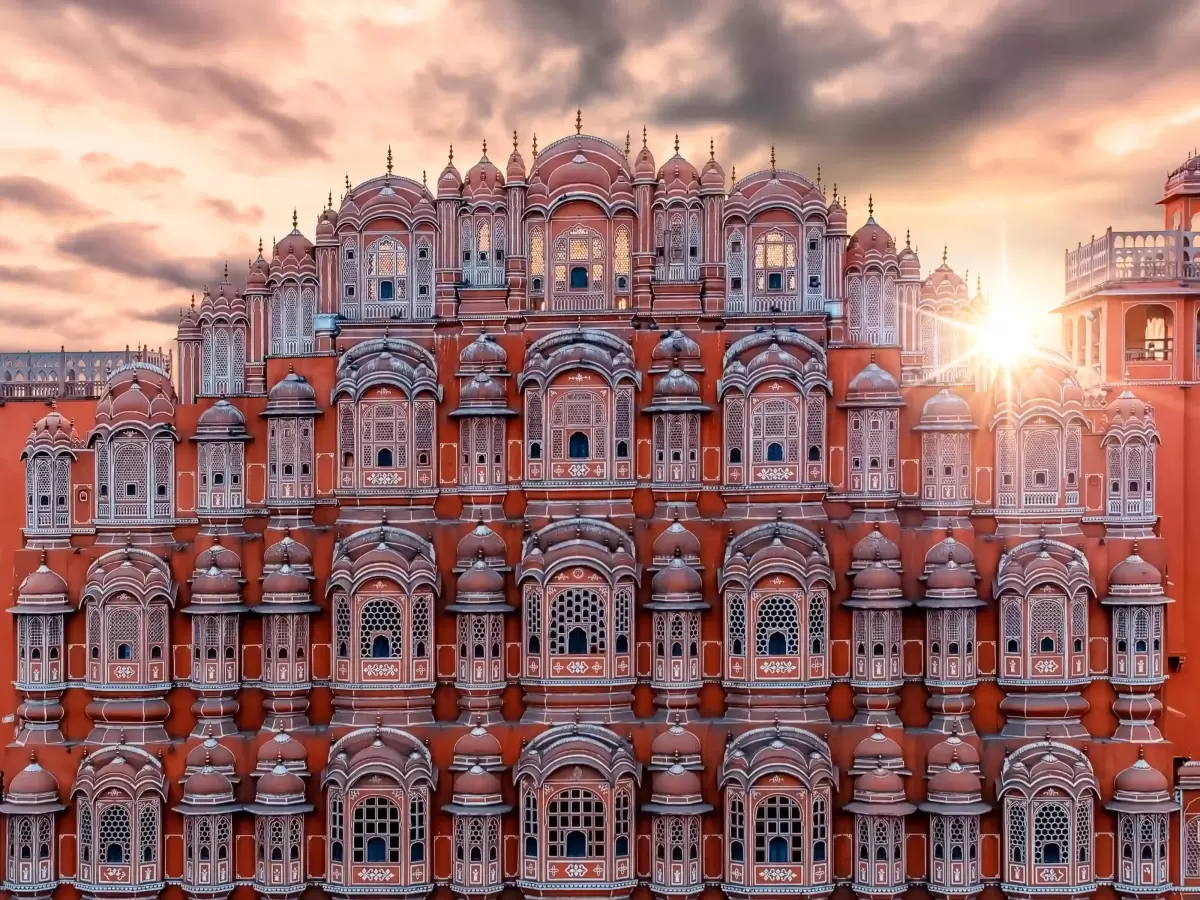
Hawa Mahal, the “Palace of Winds,” is one of Jaipur’s most iconic landmarks and a masterpiece of Rajput architecture. Its unique five-story pink sandstone façade, adorned with 953 intricately carved jharokhas (windows), was designed to allow royal women to observe street festivals without being seen. Visitors can experience the palace’s airy interiors, narrow corridors, and terraces offering panoramic views of Jaipur’s vibrant streets and bustling markets. The blend of architectural brilliance, cultural history, and photogenic angles makes Hawa Mahal a must-visit destination for tourists, photographers, and history enthusiasts alike.
Hawa Mahal was built in 1799 by Maharaja Sawai Pratap Singh as an extension of the City Palace of Jaipur. Designed by architect Lal Chand Ustad, the palace showcases the distinctive Rajput style of architecture with its pink sandstone façade and numerous latticed windows. The main purpose of Hawa Mahal was to allow royal women of the palace to observe daily street life and festive processions without being seen, adhering to the practice of purdah. Over the centuries, it has become a symbol of Jaipur’s royal heritage and architectural ingenuity, attracting tourists and history enthusiasts from around the world.
The ideal time to visit Hawa Mahal is during the cooler months from October to March, when Jaipur experiences pleasant temperatures and minimal heat. Early mornings and late afternoons are best for exploring the palace and capturing the intricate façade in soft, natural light. Avoid the peak summer months (April–June) when temperatures can soar, making sightseeing uncomfortable.
 Temple
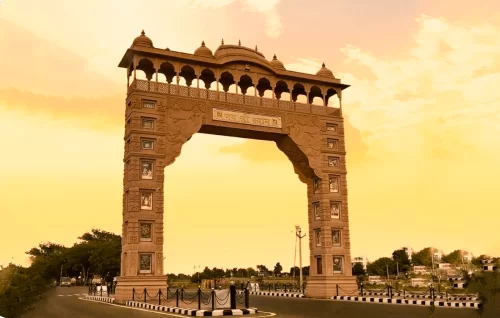
Khatu Shyam Temple is a Hindu temple dedicated to Khatu Shyam Ji, located in Khatu village of Sikar district, Rajasthan, India.
 Temple
Mehandipur Balaji Temple is a Hindu temple dedicated to Lord Hanuman, located in Mehandipur village of Dausa district, Rajasthan, India.
 Temple
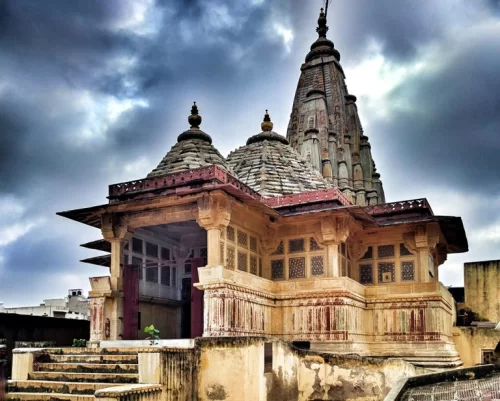
Shree Kalki Mandir is a Hindu temple dedicated to Lord Kalki, the prophesied future incarnation of Lord Vishnu, located in Rajasthan, India.
Get customized Rajasthan tour planning designed around desert climate comfort, long-distance road travel flow, heritage exploration time, and realistic pacing between regions. Whether you are visiting for fort architecture, palace heritage, cultural exper
⚡ Quick Response | 💰 Free consultation | 🕒 24×7 expert support

