+91 9910402252
admin@chalbanjare.com


| Entry Fee | Indian visitors about 30 rupees per person, foreign visitors about 50 rupees per person, children below age five free |
|---|---|
| Timings | Open daily generally from 9 30 AM to 5 00 PM for visitors with ticket counter closing around 4 30 PM |
| Altitude (m) | Located at approximately 431 meters above sea level in the Brahmpuri area near Nahargarh foothills |
| Ideal Visit Duration | Forty five minutes to one and a half hours to explore the royal cenotaphs and surroundings |
| Best Time of Day | Early morning soon after opening or late afternoon before closing for cooler weather and softer light |
| Crowd Level | Moderate crowds with quieter ambience compared to major forts and palaces |
| Distance from City Centre (km) | About six to eight kilometers from central Jaipur landmarks such as City Palace and Jaipur Junction |
| Walking Difficulty | Low walking difficulty with level paths among the marble and sandstone cenotaphs |
| Parking Available | Yes parking available near the site entrance for cars and two wheelers |
| Last Mile Access | Auto rickshaws taxis and app based cabs available to the site from Jaipur city areas closing with a short walk within the complex |
| Suitable for Kids | Yes suitable for children with supervision and interest in heritage architecture |
| Suitable for Seniors | Yes generally suitable for seniors with easy walking and calm heritage setting |
| Wheelchair Friendly | Partially wheelchair accessible on major paths but some uneven stone surfaces may exist |
Atmosphere at Gaitor Ki Chhatriyan is serene, historical, and culturally immersive, offering visitors a peaceful environment amidst intricately carved cenotaphs and lush surroundings. The quiet ambiance and architectural beauty create a reflective space where travelers can appreciate Jaipur’s royal heritage and artistic craftsmanship.
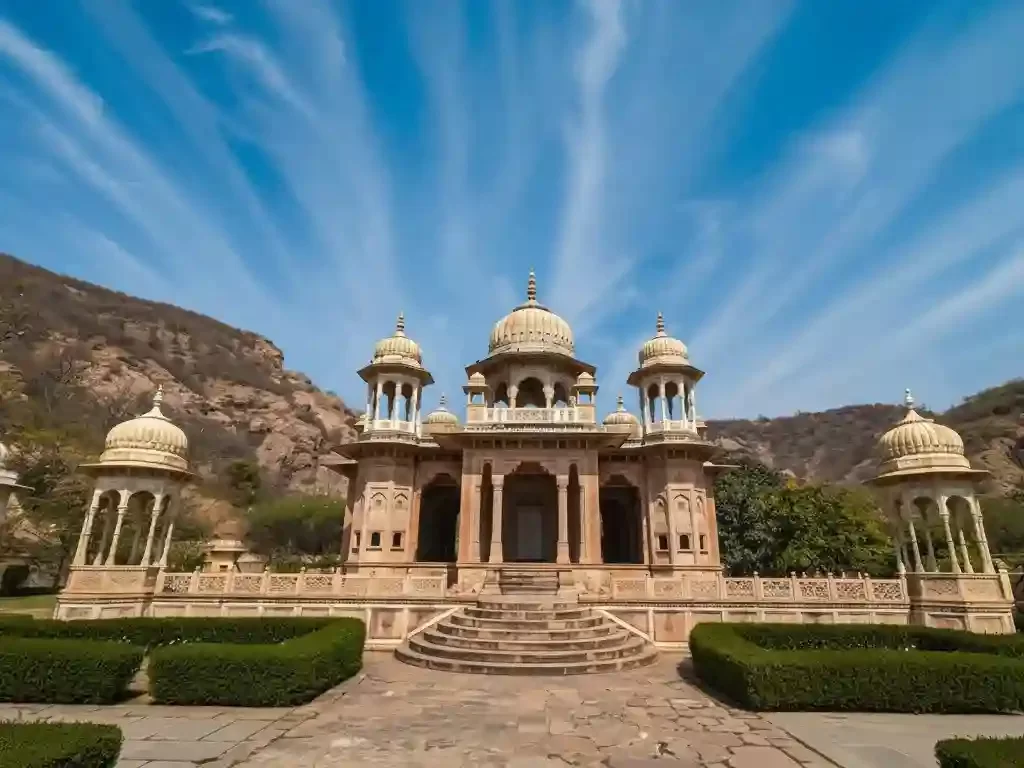
What makes Gaitor Ki Chhatriyan special is its collection of royal cenotaphs (chhatris) built for the Kachwaha rulers of Jaipur. Each chhatri features exquisite Rajput architecture, intricate carvings, and beautifully sculpted domes, making it a visual delight for history and architecture enthusiasts. Visitors can explore the cenotaphs, learn about the royal lineage, and capture panoramic views of the surrounding gardens and hills. Seasonal changes, such as monsoon greenery or winter clarity, enhance the aesthetic and contemplative appeal of the site.
Beyond its architectural and visual appeal, Gaitor Ki Chhatriyan holds cultural and historical significance, reflecting the royal traditions and legacy of Jaipur. It caters to historians, photographers, tourists, and travelers seeking both educational insight and serene exploration. The holistic experience ensures that visitors leave with a deep appreciation for the city’s heritage, artistry, and tranquil atmosphere.
Gaitor Ki Chhatriyan, located in Jaipur, Rajasthan, is a historic cenotaph complex dedicated to the royal family of Jaipur. Built in the 18th century, these chhatris (elevated dome-shaped pavilions) serve as memorials for the Kachwaha rulers, honoring their contributions and preserving their legacy.
The site features intricately carved domes, pillars, and marble cenotaphs, showcasing the exquisite craftsmanship and architectural style of the period. Each chhatri reflects the artistic and cultural values of the Jaipur royal lineage, with inscriptions and motifs highlighting historical events and royal achievements.
Today, Gaitor Ki Chhatriyan is an important heritage site and tourist attraction, offering visitors a glimpse into Jaipur’s royal history, architectural grandeur, and the traditions of commemorating the city’s past rulers.
Visiting Gaitor Ki Chhatriyan in Jaipur is most enjoyable when the weather is comfortable, allowing visitors to explore the historic cenotaphs, intricate architecture, and surrounding gardens without extreme heat or humidity.
The months from October to March are ideal for visiting, as Jaipur experiences cool and pleasant winter weather. This period is perfect for sightseeing, photography, and leisurely walks among the beautifully carved chhatris and heritage structures.
Spring months from March to early April remain suitable, though temperatures gradually begin to rise. Early morning or late afternoon visits are recommended to avoid the warmer hours while appreciating the architectural details and serene surroundings.
Summer season from May to September brings intense heat, making daytime exploration challenging. While the site remains accessible, early mornings are the best time to visit, and monsoon months may occasionally affect outdoor activities with sporadic rainfall.
 Temple
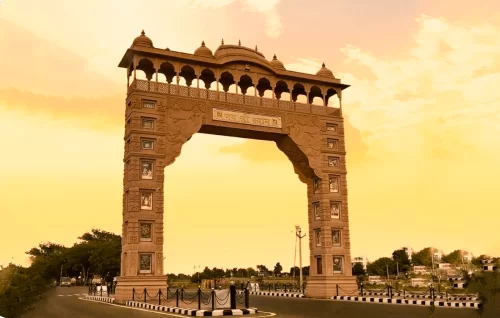
Khatu Shyam Temple is a Hindu temple dedicated to Khatu Shyam Ji, located in Khatu village of Sikar district, Rajasthan, India.
 Temple
Mehandipur Balaji Temple is a Hindu temple dedicated to Lord Hanuman, located in Mehandipur village of Dausa district, Rajasthan, India.
 Temple
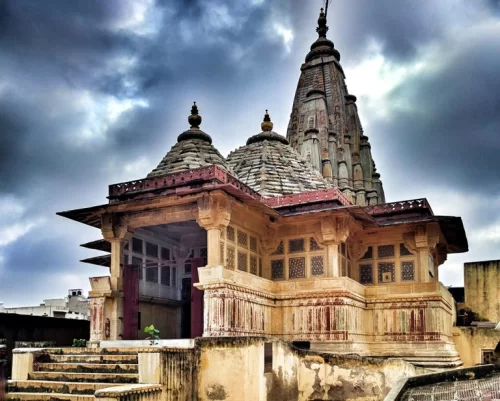
Shree Kalki Mandir is a Hindu temple dedicated to Lord Kalki, the prophesied future incarnation of Lord Vishnu, located in Rajasthan, India.
Get customized Rajasthan tour planning designed around desert climate comfort, long-distance road travel flow, heritage exploration time, and realistic pacing between regions. Whether you are visiting for fort architecture, palace heritage, cultural exper
⚡ Quick Response | 💰 Free consultation | 🕒 24×7 expert support

