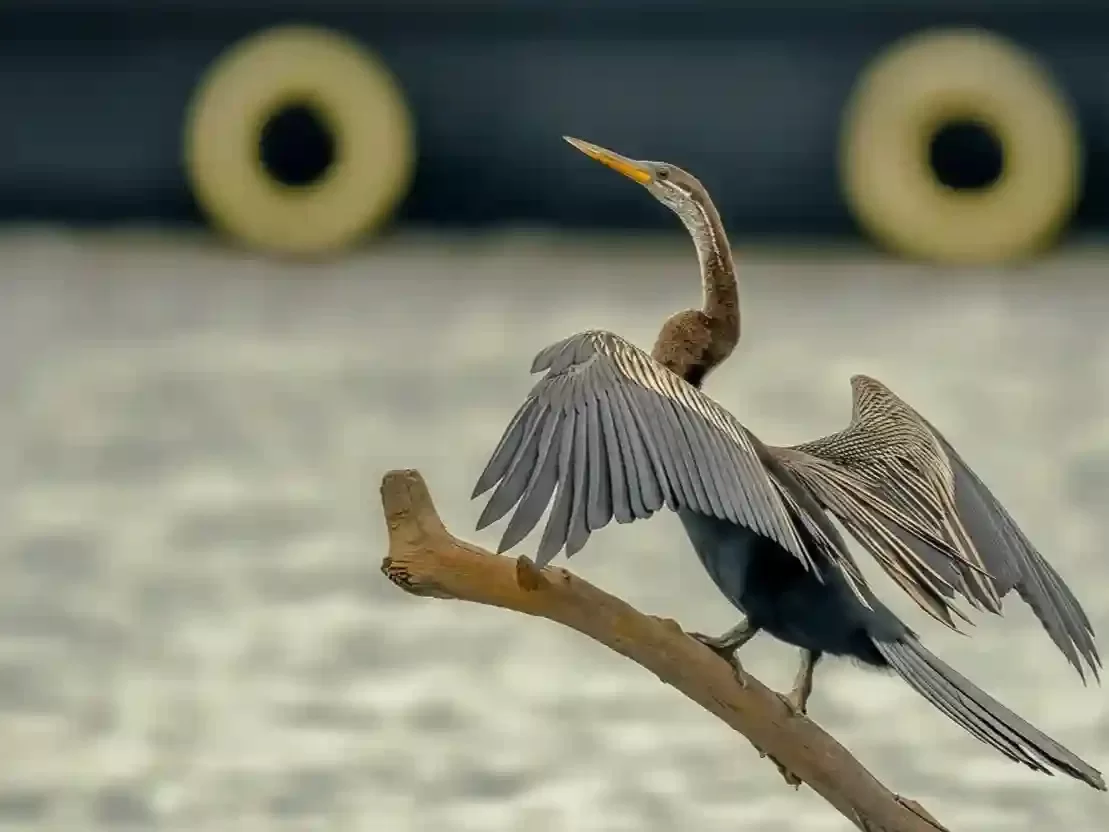
Bird Watching in Ranthambore National Park, Sawai Madhopur, Rajasthan, India

Birdwatching Ranthambore , Jaipur
Bird watching in Ranthambore National Park attracts visitors interested in spotting a wide variety of birds across lakes, grasslands, and dry deciduous forest zones. The park supports species such as kingfishers, eagles, owls, storks, and seasonal migratory birds, making it a common activity during wildlife safaris.

Quick Facts About Birdwatching Ranthambore

Quick Facts About Birdwatching Ranthambore Sawai Madhopur

Entry Fee Included with Ranthambore National Park entry permit; additional charges apply for jeep or canter safari and guide services
Timings Birdwatching possible during official safari hours; morning safari around 6:30 AM to 10:00 AM and afternoon safari around 2:30 PM to 6:00 PM depending on season
Altitude (m) Approximately 215 meters above sea level in the Ranthambore region
Ideal Visit Duration One safari (about 3 to 4 hours); birdwatchers often take multiple safaris in different park zones
Best Time of Day Early morning when bird activity is highest around lakes, wetlands, and forest edges
Crowd Level Moderate; most visitors focus on tiger sightings, though birdwatchers are present year-round
Distance from City Centre (km) About 11 kilometers from Sawai Madhopur town to the main Ranthambore park entry gates
Walking Difficulty Low as birdwatching is done from safari vehicles; walking inside the park is not permitted
Parking Available Yes, parking areas are available near safari booking offices and park entry gates
Last Mile Access Access to birdwatching areas is only through pre-booked safari vehicles entering designated zones
Suitable for Kids Yes, suitable for kids if comfortable with safari rides and following park safety rules
Suitable for Seniors Yes, though safari drives can be bumpy on forest tracks
Wheelchair Friendly Limited accessibility as safari vehicles and boarding conditions vary at entry gates

Why Visit Bird Watching in Ranthambore National Park, Sawai Madhopur, Rajasthan

Visitors come to Ranthambore National Park for bird watching because the park supports a large number of resident and migratory bird species across lakes, forest clearings, grasslands, and rocky hills. Areas around Rajbagh Lake, Padam Talao, Malik Talao, and forest edges regularly attract storks, kingfishers, raptors, owls, and waterbirds during safari drives.

The atmosphere during a birdwatching safari is quiet and observant, with visitors scanning tree canopies, water bodies, and open scrubland from jeep or canter vehicles. Early morning safaris are usually calmer, with cooler temperatures and more visible bird activity around wetlands and shaded forest sections.

What makes bird watching here distinct is the mix of dry deciduous forest, lakes, and open terrain within a protected tiger reserve. This landscape supports more than 300 recorded bird species, allowing travelers to observe waterbirds, woodland birds, and birds of prey within the same safari zone.

History of Bird Watching in Ranthambore National Park, Sawai Madhopur, Rajasthan

Bird watching in Ranthambore National Park developed alongside the park’s recognition as an important wildlife reserve in Rajasthan. The area was once a royal hunting ground for the rulers of Jaipur before being declared the Sawai Madhopur Game Sanctuary in 1955 and later becoming part of Project Tiger in 1973.

As conservation measures expanded and tourism safaris were introduced, visitors and wildlife researchers began documenting the park’s diverse bird population across its lakes, dry deciduous forests, and open scrubland. Over time, Ranthambore became known not only for tiger sightings but also for the large number of resident and migratory bird species recorded within the reserve.

Best Time to Visit Bird Watching in Ranthambore National Park, Sawai Madhopur, Rajasthan

Bird watching in Ranthambore National Park is most productive during the cooler months when migratory species arrive and daytime conditions are comfortable for long safari drives. Visibility around lakes and forest edges is generally better in winter and early summer when birds gather near water sources.
  • Ideal months: October to March, when many migratory birds arrive and park conditions are comfortable for early morning safaris.
  • Weather conditions during the best season: Winter mornings are cool (around 8°C–20°C) with clear visibility around lakes such as Padam Talao and Rajbagh Lake where waterbirds and raptors are frequently seen.
  • Periods to avoid: July to September when the park remains closed during the monsoon season; April to June can be extremely hot, with temperatures often exceeding 40°C, making long safari drives uncomfortable.

How to Reach Bird Watching in Ranthambore National Park, Sawai Madhopur, Rajasthan

  • Nearest Airport: Jaipur International Airport (approximately 160 km from Ranthambore) is the closest major airport with regular domestic and international flights. From Jaipur, visitors typically travel by taxi or train to Sawai Madhopur.
  • Nearest Railway Station: Sawai Madhopur Railway Station (about 10–12 km from Ranthambore National Park entry gates) is well connected to cities such as Delhi, Jaipur, Kota, and Mumbai. Taxis, auto-rickshaws, and hotel-arranged vehicles are available outside the station.
  • Road Access and Last-Mile Connectivity: Bird watching takes place inside Ranthambore National Park and is accessible only through pre-booked safari vehicles (jeep or canter) that enter designated zones from official gates such as Singh Dwar. Private vehicles cannot enter the park, so visitors must reach the safari reporting point using taxis or hotel transport.

What to Expect When You Visit Bird Watching in Ranthambore National Park, Sawai Madhopur, Rajasthan

  • Environment and surroundings: Bird watching takes place across Ranthambore’s dry deciduous forest, rocky hills, grasslands, and lakes such as Padam Talao, Rajbagh Lake, and Malik Talao. Visitors typically observe birds from safari vehicles while moving slowly through designated park zones.
  • Facilities and amenities: There are no visitor facilities inside safari zones. Basic services such as restrooms, waiting areas, and booking counters are available near safari entry gates and in hotels around Sawai Madhopur.
  • Accessibility and movement: Movement inside the park is restricted to authorized jeep or canter safari vehicles following fixed routes and time slots. Walking, independent exploration, and stopping outside designated tracks are not permitted.
  • Typical visitor conditions: Safaris involve long drives on uneven forest tracks and require quiet observation while scanning trees, wetlands, and open areas for bird activity. Vehicles may pause when guides or drivers spot birds or other wildlife.

Important Visitor Information for Bird Watching in Ranthambore National Park, Sawai Madhopur, Rajasthan

  • Crowd and weather notes: Visitor numbers increase between October and March during the main wildlife tourism season. Early winter mornings can be cold inside open safari vehicles, while April to June afternoons become very hot during safari hours.
  • Peak and quiet visiting hours: Morning safaris usually see active bird movement around lakes and forest edges, but these safaris are also the most requested by visitors. Afternoon safaris may have fewer vehicles but bird activity can be lower during hotter months.
  • Dress considerations: Neutral-colored clothing is commonly recommended during safaris to avoid disturbing wildlife. Light jackets are useful during winter morning drives when temperatures can be low.
  • Safety and practical cautions: Visitors must remain seated inside safari vehicles and follow instructions from guides and forest staff. Loud noise, feeding wildlife, or stepping out of vehicles inside the park is not permitted under Ranthambore National Park regulations.

Photography and Viewpoints for Bird Watching in Ranthambore National Park, Sawai Madhopur, Rajasthan

  • Best viewpoints for photos: Lakes such as Padam Talao, Rajbagh Lake, and Malik Talao are common locations where waterbirds, kingfishers, storks, and raptors are often photographed from safari vehicles. Open grassland edges and dead tree perches inside safari zones also provide clear bird sightlines.
  • Lighting conditions: Early morning safaris generally provide softer light across lakes and forest clearings, which improves visibility of birds resting near water or perched on trees. Late afternoon light can highlight birds flying across open terrain, though shadows increase in dense forest sections.
  • Photography rules: Photography is allowed during safaris, but drones and off-vehicle photography are not permitted inside Ranthambore National Park. Visitors must remain inside safari vehicles at all times.
  • Crowd and access factors: Vehicles must stay on designated safari tracks, which means photographers cannot approach birds freely. Popular zones near lakes may have several safari vehicles stopping at the same location when wildlife activity is spotted.

Near By Attraction

Shri Khole Ke Hanuman Ji Temple Jaipur Massive 1960s hillside shrine dedicated to Lord Hanuman featuring white marble architecture and scenic valley views Rajasthan. Temple

Shri Khole Ke Hanuman Ji Temple

Shri Khole Ke Hanuman Ji Temple is a prominent Hindu temple complex situated on a hillside in the Laxman Dungri area.

Moti Doongri Ganeshji Temple Jaipur Ancient Hindu shrine dedicated to Lord Ganesha with a gold seated idol Rajasthan. Temple

Moti Dungri Ganesh Ji Temple jaipur

Moti Dungri Ganesh Ji Temple is an 18th-century Hindu place of worship dedicated to Lord Ganesha, located at the foot of the Moti Dungri hill.

BAPS Shri Swaminarayan Akshardham Mandir aerial view of the intricate stone carvings and domes in Jaipur, Rajasthan. Temple

BAPS Shri Swaminarayan Akshardham Mandir

BAPS Shri Swaminarayan Akshardham is a modern Hindu temple complex dedicated to Bhagwan Swaminarayan, constructed using traditional Vedic architectural principles.

Frequently Asked Questions About Birdwatching Ranthambore

Loved this place ? Let’s Plan Your Rajasthan Trip

Get customized Rajasthan tour planning designed around desert climate comfort, long-distance road travel flow, heritage exploration time, and realistic pacing between regions. Whether you are visiting for fort architecture, palace heritage, cultural exper

⚡ Quick Response | 💰 Free consultation | 🕒 24×7 expert support

×

Plan Your Trip