+91 9910402252
admin@chalbanjare.com


| Entry Fee | No entry fee, free entry for all visitors |
|---|---|
| Timings | Open daily from 6 00 AM to 6 00 PM as per Archaeological Survey of India rules |
| Altitude (m) | Located at approximately 250 meters above sea level in the Aravalli hills |
| Ideal Visit Duration | One and a half to two hours to explore the fort ruins temples and surrounding area |
| Best Time of Day | Early morning or late afternoon for comfortable weather and better light |
| Crowd Level | Moderate crowds on weekdays and high crowds on weekends and holidays |
| Distance from City Centre (km) | About 60 kilometers from Alwar city centre |
| Walking Difficulty | Moderate walking difficulty with uneven paths ruins and some uphill sections |
| Parking Available | Yes parking available near the main entrance area for cars and buses |
| Last Mile Access | Taxi private vehicle or local transport available from Alwar or Jaipur up to the fort entrance |
| Suitable for Kids | Yes suitable for older children with supervision due to ruins and open areas |
| Suitable for Seniors | Moderate for seniors as walking on uneven surfaces may be tiring |
| Wheelchair Friendly | No not wheelchair friendly due to uneven terrain and lack of paved paths |
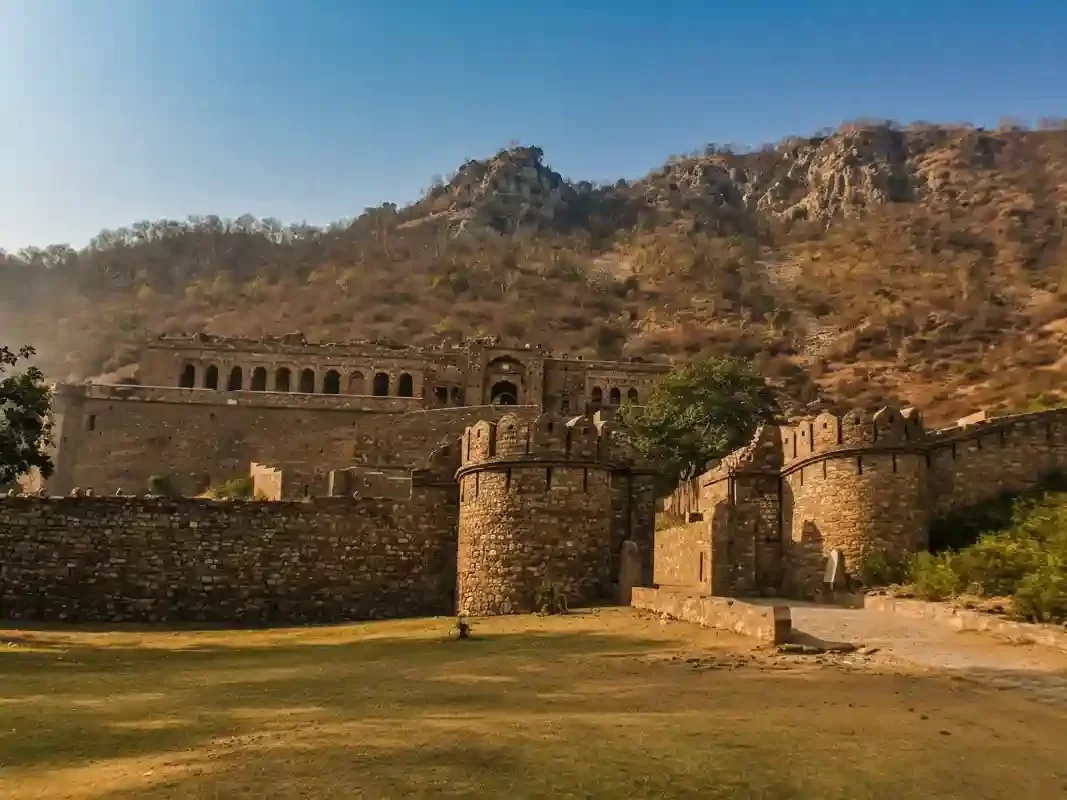
Atmosphere at Bhangarh Fort is mysterious, dramatic, and deeply immersive, set against the rugged Aravalli hills and dense forest surroundings. The quiet ruins, long stone pathways, and echoing silence create an intense and intriguing environment that instantly captures attention. The setting feels untouched by time, giving visitors a powerful sense of history and legend intertwined.
What makes Bhangarh Fort special is its blend of striking architecture, historical depth, and folklore that has made it one of India’s most talked-about forts. Built in the 17th century, the fort complex includes temples, palaces, gateways, and markets that reflect fine Rajput craftsmanship. Visitors can explore expansive ruins, admire detailed stone carvings, and walk through structures that reveal the lifestyle of a once-thriving settlement, all while absorbing the legends that add to its mystique.
Beyond its visual and architectural appeal, Bhangarh Fort holds strong cultural and historical significance within Rajasthan’s heritage. It attracts history enthusiasts, photographers, adventure seekers, and curious travelers looking for an experience that combines heritage, storytelling, and dramatic landscapes. The holistic visit leaves visitors with lasting impressions of Rajasthan’s past, architectural brilliance, and the fort’s unforgettable atmosphere.
Bhangarh Fort, located in the Alwar district of Rajasthan, was built in the 17th century by Raja Madho Singh, the younger brother of Raja Man Singh of Amber. The fort served as a prosperous settlement with palaces, temples, markets, and residential structures, reflecting the urban planning and architectural style of the Rajput era.
Historically, Bhangarh was a thriving town before its gradual decline, which is often attributed to political conflicts, resource scarcity, and changing trade routes. Over time, local legends and folklore became closely associated with the fort, adding to its mystique, although its historical significance remains rooted in its strategic location and royal patronage.
Today, Bhangarh Fort stands as an important archaeological site under the Archaeological Survey of India. It attracts history enthusiasts and curious visitors, offering a glimpse into Rajasthan’s medieval past through its ruins, temples, and fortifications set against the Aravalli hills.
Visiting Bhangarh Fort in Alwar is most enjoyable when the weather is comfortable, allowing visitors to explore the vast ruins, temples, and surrounding Aravalli landscape without discomfort from heat.
The months from October to March are ideal for visiting, as the region experiences pleasant winter weather with cool mornings and mild daytime temperatures. This period is perfect for sightseeing, photography, and walking through the expansive fort complex.
Spring months from March to early April remain suitable, though temperatures gradually begin to rise. Early morning visits are recommended to enjoy the fort’s eerie atmosphere comfortably and avoid daytime heat.
Summer season from May to September brings intense heat, making daytime exploration difficult. While the fort remains open during daylight hours, most travelers avoid peak summer months due to extreme temperatures, except during early mornings in monsoon season when the surroundings turn green.
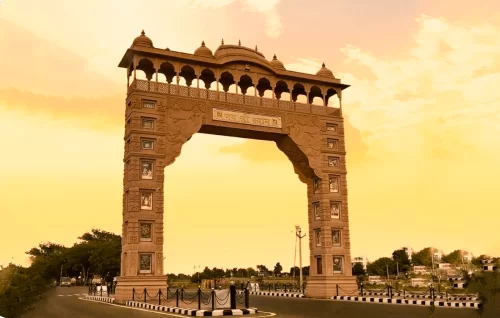 Temple
Khatu Shyam Temple is a Hindu temple dedicated to Khatu Shyam Ji, located in Khatu village of Sikar district, Rajasthan, India.
 Temple
Mehandipur Balaji Temple is a Hindu temple dedicated to Lord Hanuman, located in Mehandipur village of Dausa district, Rajasthan, India.
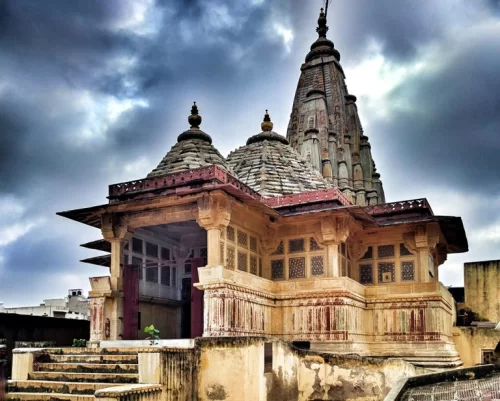 Temple
Shree Kalki Mandir is a Hindu temple dedicated to Lord Kalki, the prophesied future incarnation of Lord Vishnu, located in Rajasthan, India.
Get customized Rajasthan tour planning designed around desert climate comfort, long-distance road travel flow, heritage exploration time, and realistic pacing between regions. Whether you are visiting for fort architecture, palace heritage, cultural exper
⚡ Quick Response | 💰 Free consultation | 🕒 24×7 expert support

