+91 9910402252
admin@chalbanjare.com


| Entry Fee | 100 for Indian adults, 50 for children (5–12 years), 500 for foreign tourists. Free for children below 5 years. |
|---|---|
| Timings | Daily from 8:00AM to 5:30PM. |
| Altitude (m) | ~430m above sea level. |
| Ideal Visit Duration | 2–3 hours to explore the main courtyards, palaces, and gardens. |
| Best Time of Day | Early morning or late afternoon for cooler temperatures and soft lighting for photography. |
| Crowd Level | Moderate on weekdays, heavy on weekends and public holidays. |
| Distance from City Centre (km) | Approximately 11km from Jaipur city center (City Palace area). |
| Walking Difficulty | Moderate — uphill pathways and stairs within the fort; comfortable shoes recommended. |
| Parking Available | Paid parking available near the entrance; taxis and auto-rickshaws also accessible. |
| Last Mile Access | Accessible via taxi, auto-rickshaw, or elephant rides from the parking area to the fort entrance. |
| Suitable for Kids | Yes — interactive and visually engaging; watch for stairs and steep pathways. |
| Suitable for Seniors | Yes — moderate walking required; ramps available at some points. |
| Wheelchair Friendly | Partially — limited accessibility due to stairs and hilly terrain; some areas may be difficult to reach. |
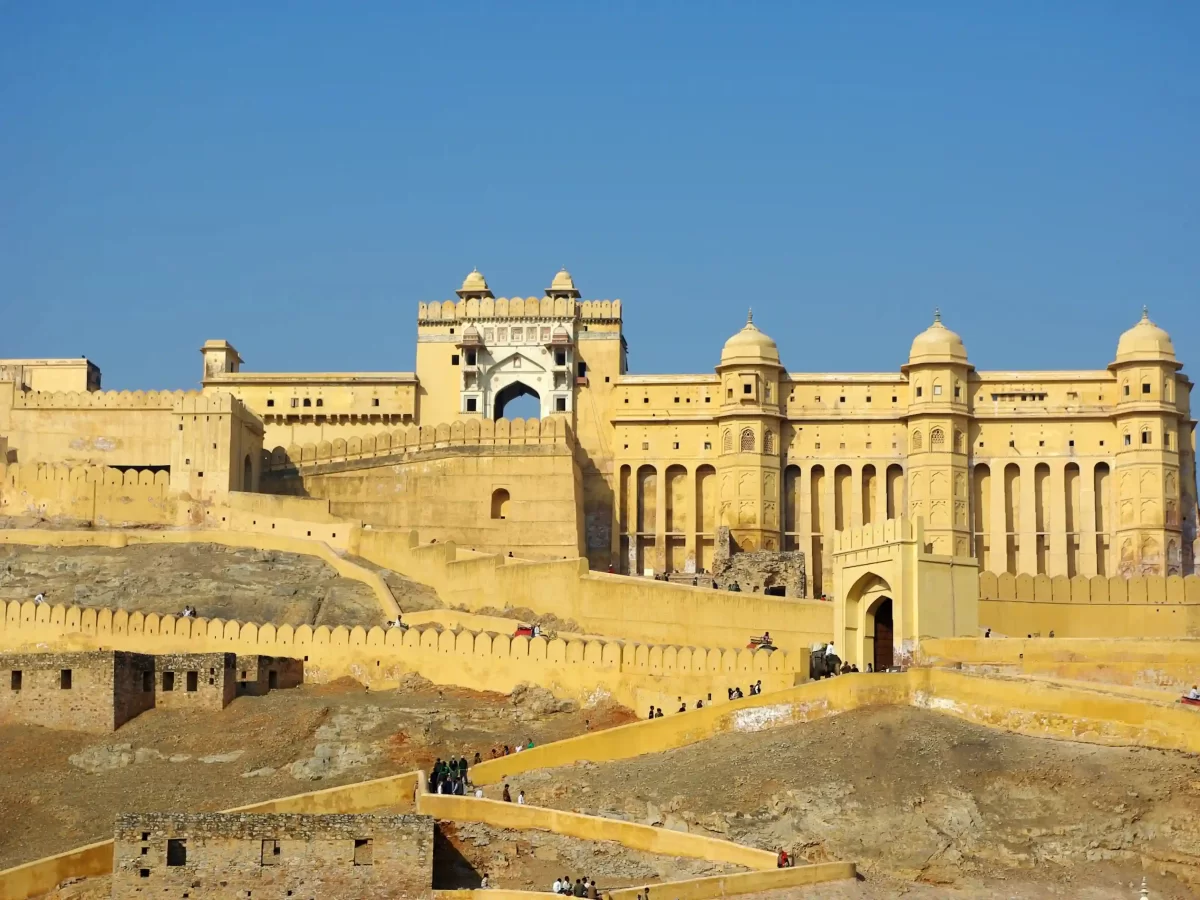
Amber Fort is one of Jaipur’s most iconic attractions, offering a majestic blend of Rajput and Mughal architecture set against the Aravalli hills. Visitors can explore grand courtyards, intricately carved palaces, ornate gates, and the stunning Sheesh Mahal (Mirror Palace). The fort’s expansive layout, with panoramic views of Maota Lake and Jaipur city, provides a perfect atmosphere for sightseeing and photography. Elephant rides to the entrance, evening light shows, and historical storytelling tours enhance the experience, making it a must-visit for history enthusiasts, architecture lovers, and travelers seeking a glimpse of Rajasthan’s royal heritage.
Amber Fort, also known as Amer Fort, was built in the late 16th century by Raja Man Singh I, one of the trusted generals of Mughal Emperor Akbar. The fort served as the capital of the Kachwaha Rajputs before the establishment of Jaipur city. Its design reflects a harmonious blend of Rajput military architecture and Mughal aesthetic, featuring massive ramparts, ornate gates, courtyards, and palaces. Amber Fort played a strategic and ceremonial role, hosting royal processions, gatherings, and cultural events. Today, it stands as a UNESCO World Heritage site and a symbol of Rajasthan’s royal history and architectural brilliance.
The best time to visit Amber Fort is during the cooler months from October to March, when Jaipur experiences pleasant weather ideal for exploring the hilltop fort and its expansive courtyards. Early mornings and late afternoons offer comfortable temperatures and excellent lighting for photography, while avoiding the peak crowds.
 Temple
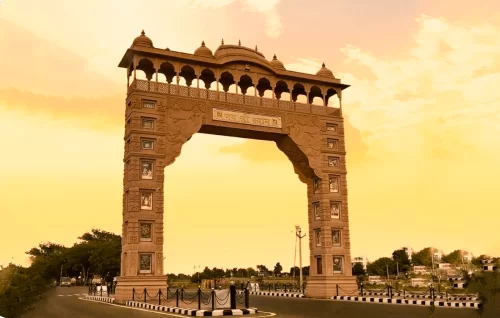
Khatu Shyam Temple is a Hindu temple dedicated to Khatu Shyam Ji, located in Khatu village of Sikar district, Rajasthan, India.
 Temple
Mehandipur Balaji Temple is a Hindu temple dedicated to Lord Hanuman, located in Mehandipur village of Dausa district, Rajasthan, India.
 Temple
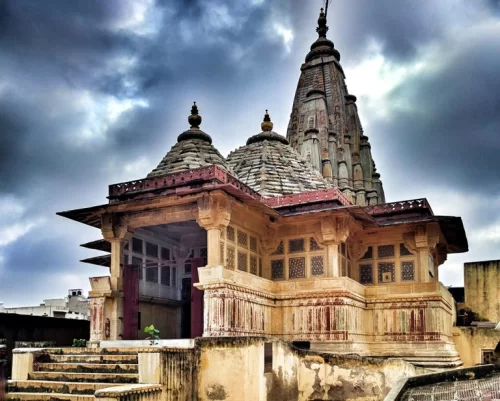
Shree Kalki Mandir is a Hindu temple dedicated to Lord Kalki, the prophesied future incarnation of Lord Vishnu, located in Rajasthan, India.
Get customized Rajasthan tour planning designed around desert climate comfort, long-distance road travel flow, heritage exploration time, and realistic pacing between regions. Whether you are visiting for fort architecture, palace heritage, cultural exper
⚡ Quick Response | 💰 Free consultation | 🕒 24×7 expert support

