+91 9910402252
admin@chalbanjare.com


| Entry Fee | No entry fee, free to visit and pass through the gate area |
|---|---|
| Timings | Accessible daily throughout the day, best visited between 7 00 AM and 8 00 PM |
| Altitude (m) | Located at approximately 431 meters above sea level in Jaipur city |
| Ideal Visit Duration | Ten to twenty minutes to view the gate structure and surrounding markets |
| Best Time of Day | Early morning or late afternoon to avoid heavy traffic and heat |
| Crowd Level | High as it is a busy gateway with constant traffic and local activity |
| Distance from City Centre (km) | Located within the old city so zero to one kilometer from central Jaipur areas |
| Walking Difficulty | Low walking difficulty on flat roads and pavements |
| Parking Available | Limited street parking available nearby with public parking at walking distance |
| Last Mile Access | Auto rickshaw taxi e rickshaw and local buses available directly to Ajmeri Gate area |
| Suitable for Kids | Yes suitable for kids with supervision due to traffic and crowds |
| Suitable for Seniors | Yes suitable for seniors with easy access and flat walking areas |
| Wheelchair Friendly | Partially wheelchair friendly though traffic and uneven pavements may be challenging |
Atmosphere at Ajmeri Gate is lively, historic, and culturally immersive, marking the vibrant transition between Jaipur’s old city and the areas beyond the walled boundaries. The constant movement of people, vehicles, and street activity creates an energetic environment where history and modern urban life coexist seamlessly.
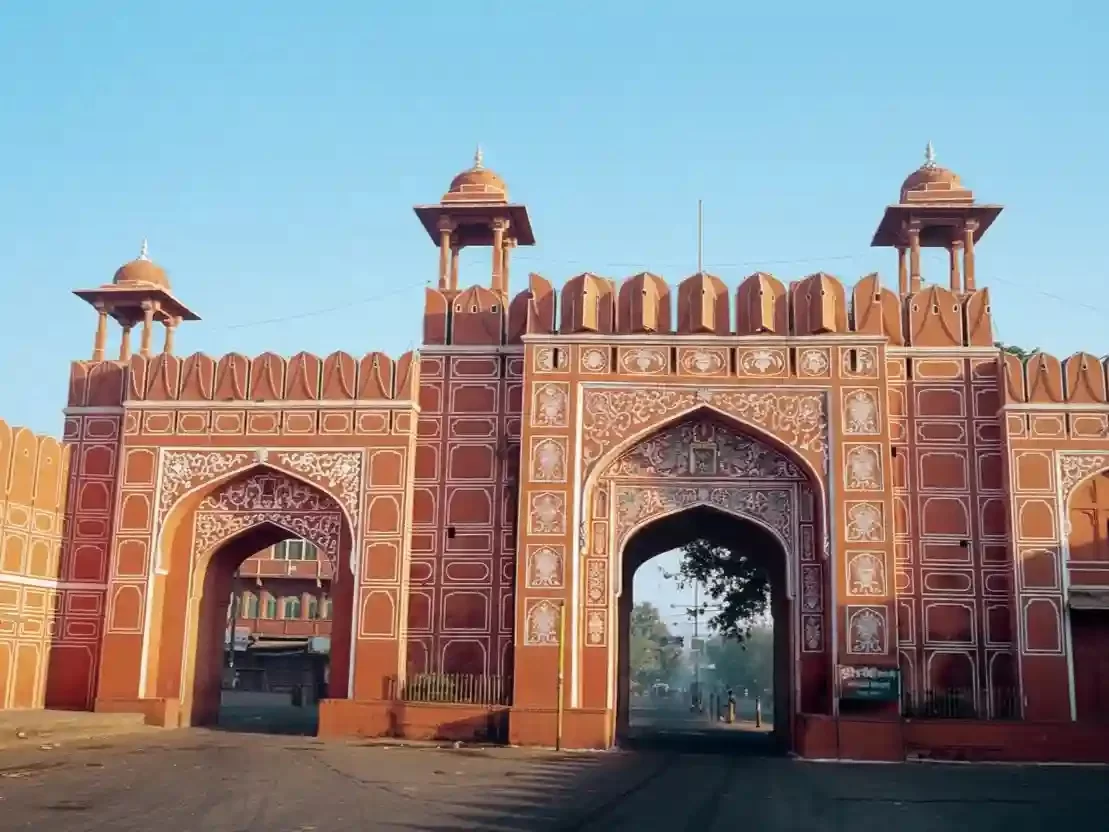
What makes Ajmeri Gate special is its historical importance as one of the main entrances to Jaipur’s walled city, facing the direction of Ajmer. Built during the reign of Maharaja Sawai Jai Singh II, the gate showcases traditional Rajput architecture with strong arches and symmetrical design. Visitors can explore the surrounding bazaars, witness local commerce, and experience the authentic pulse of Jaipur while appreciating the gate’s role in the city’s original urban planning.
Beyond its architectural appeal, Ajmeri Gate holds cultural and social significance as a key landmark in Jaipur’s heritage landscape. It attracts travelers interested in history, street photography, and everyday local experiences. The holistic visit leaves visitors with a deeper understanding of Jaipur’s traditional city life, architectural legacy, and vibrant street culture.
Ajmeri Gate is one of the prominent historic gateways of Jaipur, Rajasthan, forming part of the city’s original walled fortifications. Built in the early 18th century during the reign of Maharaja Sawai Jai Singh II, the gate served as the southern entrance to the planned city of Jaipur and opened towards the historic route leading to Ajmer.
Architecturally, Ajmeri Gate reflects a blend of Mughal and Rajput design, with massive stone arches, battlements, and decorative elements that balanced defense with aesthetics. The gate played a crucial role in regulating trade, travel, and security, connecting Jaipur with important pilgrimage and commercial centers.
Today, Ajmeri Gate stands as a significant historical landmark surrounded by bustling markets and urban life. It offers visitors insight into Jaipur’s urban planning, royal vision, and the fortified character that once defined the Pink City.
Visiting Ajmeri Gate in Jaipur is most enjoyable when the weather is comfortable, allowing visitors to explore the historic gate, nearby markets, and surrounding old city streets without discomfort from heat.
The months from October to March are ideal for visiting, as Jaipur experiences pleasant winter weather with cool mornings and mild daytime temperatures. This period is perfect for heritage walks, photography, and experiencing the local life around the gate.
Spring months from March to early April remain suitable, though temperatures gradually rise. Early morning or late afternoon visits are recommended to avoid daytime heat while enjoying the architectural details and market scenes.
Summer season from May to September brings intense heat, making daytime exploration uncomfortable. While the gate remains accessible, most travelers prefer visiting early in the morning, and monsoon months may bring occasional showers that briefly cool the surroundings.
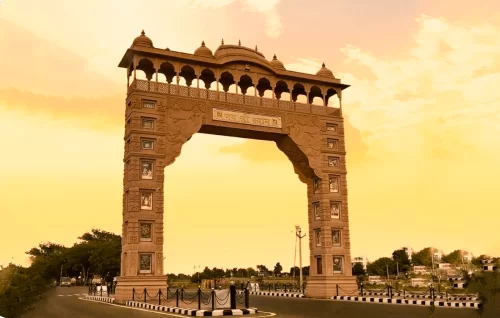 Temple
Khatu Shyam Temple is a Hindu temple dedicated to Khatu Shyam Ji, located in Khatu village of Sikar district, Rajasthan, India.
 Temple
Mehandipur Balaji Temple is a Hindu temple dedicated to Lord Hanuman, located in Mehandipur village of Dausa district, Rajasthan, India.
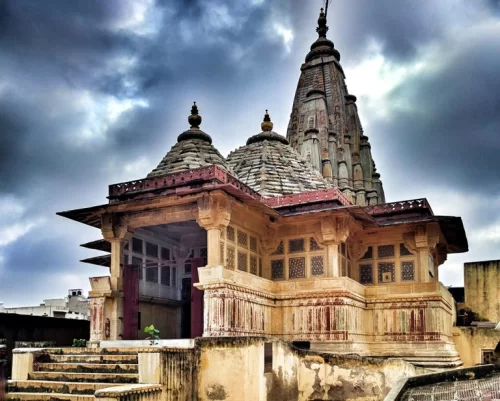 Temple
Shree Kalki Mandir is a Hindu temple dedicated to Lord Kalki, the prophesied future incarnation of Lord Vishnu, located in Rajasthan, India.
Get customized Rajasthan tour planning designed around desert climate comfort, long-distance road travel flow, heritage exploration time, and realistic pacing between regions. Whether you are visiting for fort architecture, palace heritage, cultural exper
⚡ Quick Response | 💰 Free consultation | 🕒 24×7 expert support

