Luxury Heritage Experiences to Try in Rajasthan
Rajasthan offers royal luxury heritage experiences through palace stays, vintage dining, desert camps, cultural performances, and historic royal hospitality.
+91 9910402252
admin@chalbanjare.com


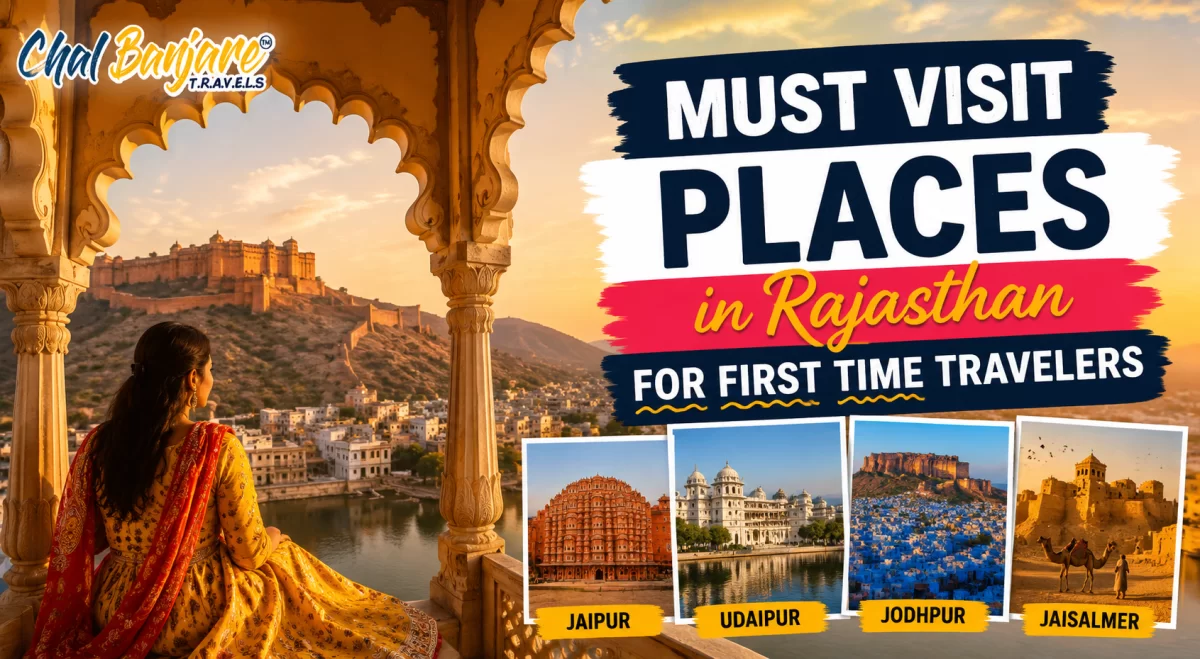
Rajasthan offers royal forts, desert landscapes, lakes, temples, and cultural cities that create a complete heritage travel experience for first-time visitors.
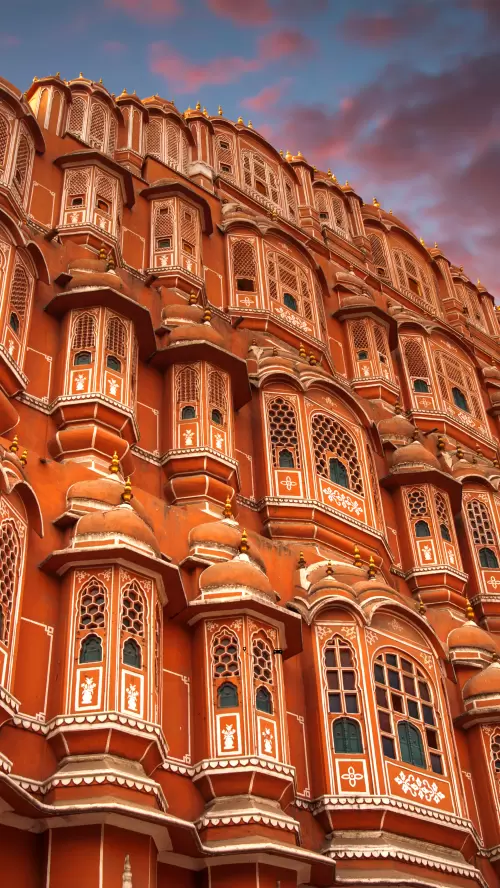
Jaipur is one of the most important cities in the Rajasthan heritage circuit because it combines royal forts, grand palaces, historic observatories, and vibrant cultural markets within a well-planned heritage city layout that reflects Rajput architecture and royal traditions.
The city is ideal for travelers seeking a balanced mix of history, shopping, and cultural experiences.
Jaipur offers a structured and accessible introduction to Rajasthan’s royal heritage and remains a must-visit for first-time travelers.
Udaipur is known as the City of Lakes because it offers a romantic blend of palaces, lakeside views, heritage hotels, and scenic Aravalli surroundings that create one of Rajasthan’s most picturesque travel experiences.
The city is especially popular among couples, luxury travelers, and photography enthusiasts.
Udaipur offers a slower and more scenic travel experience compared to other Rajasthan cities, making it ideal for relaxed exploration.
Jodhpur is a key destination in the Rajasthan heritage circuit because it combines massive hill forts, blue-painted old city lanes, traditional markets, and strong Marwar cultural identity within a dramatic desert-city setting.
The city offers a powerful mix of history, architecture, and local street culture.
Jodhpur provides a strong cultural contrast within the Rajasthan circuit with its vibrant old city and dominant fort architecture.
Jaisalmer is the crown jewel of Rajasthan’s desert circuit because it combines the living Golden Fort, vast Thar Desert landscapes, and immersive desert camping experiences that showcase the region’s rich cultural and natural heritage.
The destination is ideal for travelers seeking dunes, camel safaris, and vibrant Rajasthani folk culture in an iconic desert setting.
Jaisalmer offers the most complete desert experience in Rajasthan, combining heritage, adventure, and cultural immersion in one destination.
Bikaner is a key desert destination because it preserves authentic camel culture, royal forts, traditional markets, and deep-rooted desert heritage that reflects the historical lifestyle of western Rajasthan.
It is less commercialized compared to other desert cities, offering a more authentic cultural experience.
Bikaner is ideal for travelers who want to experience desert heritage in a quieter and more traditional environment.
Khuri and Osian are offbeat desert destinations in Rajasthan that offer peaceful dune landscapes, rural village experiences, and fewer crowds compared to major tourist hubs, making them ideal for slow and immersive desert travel.
These destinations are perfect for travelers seeking authenticity and solitude in the Thar Desert.
Khuri and Osian are ideal for travelers looking to escape crowds and experience Rajasthan’s desert culture in a more personal and peaceful way.
The royal fort circuit of Rajasthan represents the most powerful legacy of Rajput architecture, combining massive hill forts, intricate palaces, and strategic military structures that defined the region’s history for centuries.
This route is ideal for travelers who want a deep dive into Rajasthan’s royal heritage and architectural grandeur.
This circuit is best experienced slowly, allowing time to explore architecture, viewpoints, and local cultural surroundings at each fort.
Ranthambore Fort offers a rare combination of heritage and wildlife because it is located inside Ranthambore National Park, where ancient architecture and jungle landscapes coexist within a single protected ecosystem.
This makes it one of Rajasthan’s most unique historical experiences.
Ranthambore Fort is best explored along with wildlife safaris, offering a complete blend of history, nature, and adventure.
Chittorgarh Fort is one of the largest forts in India and a symbol of Rajput bravery, known for its historic battles, legendary tales, and massive architectural scale spread across a vast hilltop landscape.
The fort represents deep cultural pride and historical significance in Rajasthan’s heritage narrative.
Chittorgarh Fort requires significant time to explore fully due to its vast scale and deep historical importance.
Udaipur is the most iconic lake destination in Rajasthan because it blends serene water bodies, royal palaces, and Aravalli hill landscapes into a romantic and culturally rich travel experience.
The lakes of Udaipur create some of India’s most picturesque sunset and heritage views.
Udaipur offers a peaceful and visually rich lake experience ideal for both leisure and cultural travelers.
Mount Abu is Rajasthan’s only hill station and offers a refreshing escape from desert landscapes, combining cool weather, forested hills, and scenic viewpoints centered around Nakki Lake.
It is a popular destination for relaxation, family trips, and nature-focused travel.
Mount Abu provides a refreshing contrast to Rajasthan’s desert cities, making it ideal for relaxed hill station travel.
Pushkar Lake is one of India’s most sacred lakes, surrounded by ghats, temples, and spiritual energy that create a peaceful and culturally rich atmosphere for pilgrims and travelers alike.
The lake becomes especially beautiful during sunrise and sunset when rituals and daily prayers take place.
Pushkar offers a blend of spirituality, culture, and relaxed travel, making it a unique stop in Rajasthan’s lake circuit.
Pushkar is one of the most important spiritual towns in Rajasthan because it is closely associated with Lord Brahma and offers a unique blend of temples, ghats, desert surroundings, and vibrant cultural streets filled with spiritual energy.
The town is ideal for travelers seeking religious exploration along with relaxed cultural experiences.
Pushkar offers a slow-paced and reflective travel experience ideal for spiritual and cultural exploration.
Ajmer Sharif Dargah is one of India’s most significant Sufi pilgrimage sites, attracting devotees from all religions due to its spiritual importance and association with Khwaja Moinuddin Chishti.
The atmosphere is deeply devotional, making it a powerful cultural and religious experience.
Ajmer provides a powerful spiritual contrast within Rajasthan’s cultural circuit, complementing nearby Pushkar’s Hindu pilgrimage atmosphere.
Nathdwara and Eklingji form one of Rajasthan’s most important temple circuits, known for their strong devotional traditions, intricate temple architecture, and deep cultural significance within the Mewar region.
These destinations are often explored together as part of a spiritual journey near Udaipur.
Nathdwara and Eklingji together offer a deeply rooted cultural and devotional experience that reflects the spiritual heritage of the Mewar region.
Ranthambore National Park is Rajasthan’s most famous wildlife destination because it offers one of the best chances in India to observe Bengal tigers in their natural habitat along with a dramatic mix of forests, lakes, and ancient fort ruins.
The park is a perfect blend of wildlife adventure and historical landscape exploration.
Ranthambore is ideal for travelers seeking a combination of adventure, wildlife photography, and heritage exploration.
Keoladeo Ghana Bird Sanctuary in Bharatpur is a UNESCO World Heritage Site and one of the most important birding destinations in India, known for its rich wetland ecosystem and migratory bird populations.
It is especially popular among birdwatchers, photographers, and nature lovers.
Bharatpur offers a completely different wildlife experience compared to Rajasthan’s desert and tiger reserves, focusing on wetlands and avian life.
Sariska Tiger Reserve is located in the Aravalli hills and offers a mix of wildlife safaris, forest landscapes, and historical ruins, making it a convenient wildlife destination close to Delhi and Jaipur.
The reserve is known for its tiger population and scenic dry deciduous forest environment.
Sariska is ideal for short wildlife trips combining nature, history, and convenient accessibility from major cities.
Haldighati is one of Rajasthan’s most important historical landscapes because it is associated with the legendary Battle of Haldighati and offers a scenic mountain pass experience through the Aravalli hills near Udaipur.
The region combines history, patriotism, and natural beauty, making it a meaningful offbeat travel destination.
Haldighati is ideal for travelers interested in historical exploration combined with scenic mountain routes.
Mandawa in the Shekhawati region is famous as an open-air art gallery because its havelis are covered with intricate fresco paintings that depict history, culture, trade routes, and traditional Rajasthani life.
It is one of the most visually rich yet lesser-explored cultural destinations in Rajasthan.
Mandawa is perfect for travelers who appreciate art, architecture, and offbeat cultural exploration.
Bundi is a charming offbeat town in Rajasthan known for its stepwells, blue houses, narrow streets, and historic palaces that reflect a slower and more traditional side of Rajasthani heritage.
It offers a peaceful alternative to Rajasthan’s more crowded tourist cities.
Bundi is ideal for travelers seeking heritage, architecture, and peaceful exploration away from mainstream tourist circuits.
Rajasthani cuisine is one of the most distinctive food cultures in India because it reflects the region’s desert geography, royal heritage, and traditional cooking methods that use rich spices, ghee, and long-preservation techniques.
From royal thalis to festive sweets, food becomes a major part of the travel experience across Rajasthan.
Rajasthani food offers a deep cultural connection, making it an essential part of any travel itinerary in the region.
Rajasthan’s folk culture is world-famous because it preserves traditional music, dance forms, storytelling, and desert performances that reflect the lifestyle, emotions, and history of the region’s communities.
These performances are commonly experienced in cities, desert camps, and heritage resorts.
These performances offer travelers a direct connection to Rajasthan’s living cultural heritage and traditional artistic expressions.
Rajasthan is one of India’s best destinations for traditional shopping because its local markets offer handicrafts, textiles, jewelry, and artwork that reflect centuries of artistic heritage and craftsmanship.
Each city has its own unique market culture and specialty products.
Shopping in Rajasthan is not just commercial but also a cultural experience that reflects the artistic identity of its people.
Winter is the best time to visit Rajasthan because the weather becomes pleasant for sightseeing, desert exploration, and heritage walks, making it ideal for first-time travelers who want to cover multiple cities comfortably.
This season also aligns with many cultural festivals, adding more depth to the travel experience.
Travelers should plan bookings early during winter because Rajasthan becomes one of the busiest tourism regions in India.
Rajasthan is a large state, and first-time travelers often make the mistake of overpacking their itinerary with too many cities, which leads to rushed travel and long road journeys instead of meaningful exploration.
A balanced circuit approach helps improve the overall travel experience.
| Planning Approach | Main Issue | Better Strategy |
|---|---|---|
| Too Many Cities in Short Time | Exhausting long travel hours | Focus on 2–3 key destinations |
| Fast City-Hopping Itineraries | Limited sightseeing time | Slow travel with fewer stops |
| Long Distance Road Travel Daily | Travel fatigue and missed experiences | Stay at least 2 nights per city |
| Overpacked Heritage Circuit | Rushed sightseeing experience | Choose regional clusters |
| Better Circuit Planning | Balanced exploration time | Jaipur–Udaipur–Jodhpur style routes |
| Time for Local Experiences | Often missed in tight itineraries | Include food and cultural activities |
| One of the Biggest First-Time Travel Mistakes | Overambitious planning | Slow and immersive travel approach |
Travelers should prioritize quality over quantity by reducing the number of destinations and spending more time exploring each place.
Rajasthan’s climate and travel conditions require practical preparation because travelers often face strong sunlight, rural areas with limited digital payments, and long hours of walking across forts and markets.
Simple essentials significantly improve comfort during the journey.
Proper preparation helps travelers enjoy Rajasthan’s diverse landscapes comfortably, from deserts to lakes and hill stations.
The best Rajasthan itinerary for first-time travelers usually follows a well-connected heritage circuit that balances forts, palaces, lakes, deserts, and cultural towns instead of rushing across the entire state.
A smart route combination helps reduce travel fatigue while maximizing sightseeing and cultural experiences.
First-time travelers should focus on 3–4 key destinations instead of trying to cover the entire state in one trip.
Rajasthan offers two main travel experiences: the desert heritage circuit with forts and sand dunes, and the lake circuit with palaces, hills, and romantic landscapes.
Choosing the right combination depends on travel style, season, and interest in culture, nature, or adventure.
| Travel Circuit | Main Highlight | Experience Type |
|---|---|---|
| Desert Heritage Circuit | Jaisalmer and Bikaner | Adventure and cultural desert experience |
| Lake Circuit | Udaipur and Mount Abu | Relaxed scenic and romantic travel |
| Fort Heritage Circuit | Jaipur Jodhpur Chittorgarh | Royal architecture and history |
| Spiritual Circuit | Pushkar and Ajmer | Cultural and religious experience |
| Wildlife Circuit | Ranthambore and Sariska | Nature and safari experience |
| Mixed Circuit Planning | Combination of multiple regions | Complete Rajasthan experience |
| One of India’s Most Diverse Travel States | Desert, lakes, forts, and wildlife | Multi-experience destination |
Travelers should ideally combine one desert destination with one lake or heritage city for a balanced Rajasthan experience.
A well-planned Rajasthan trip requires preparation for weather, distances, accommodation, cultural experiences, and transportation because the state is large and diverse in geography and climate.
A simple checklist ensures a smoother and more enjoyable travel experience.
Rajasthan rewards slow and well-planned travel, where each destination is explored deeply rather than rushed across a large circuit.

Get customized Rajasthan tour planning designed around desert climate comfort, long-distance road travel flow, heritage exploration time, and realistic pacing between regions. Whether you are visiting for fort architecture, palace heritage, cultural exper
⚡ Quick Response | 💰 Free consultation | 🕒 24×7 expert support