Luxury Heritage Experiences to Try in Rajasthan
Rajasthan offers royal luxury heritage experiences through palace stays, vintage dining, desert camps, cultural performances, and historic royal hospitality.
+91 9910402252
admin@chalbanjare.com


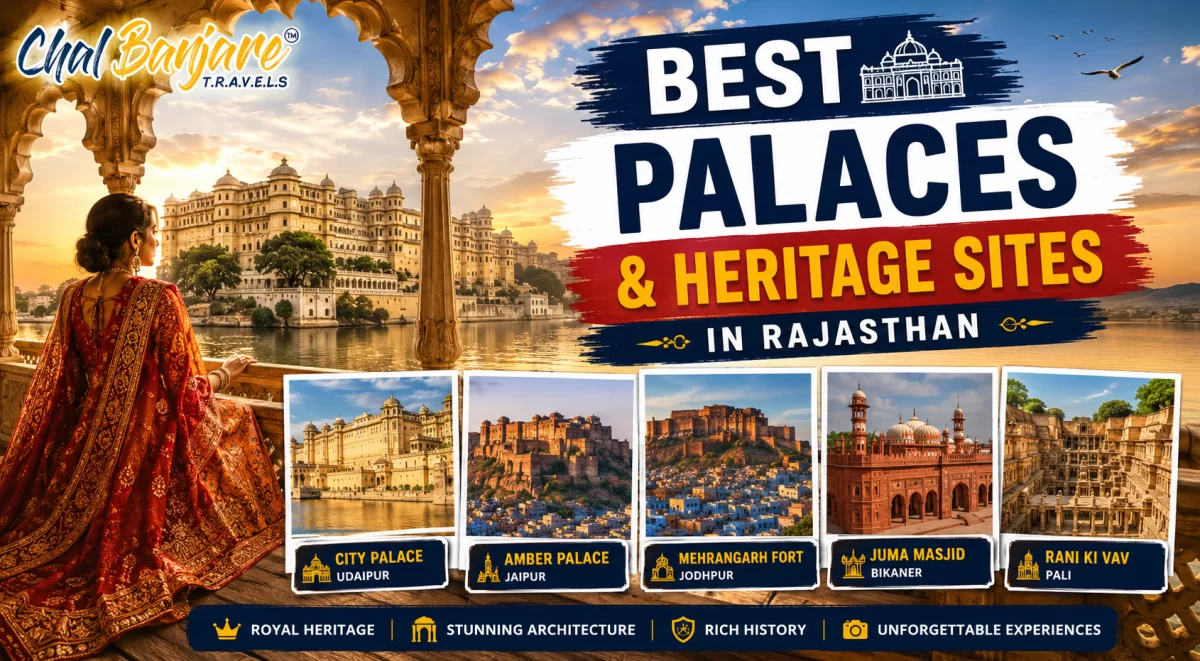
Rajasthan is known for grand palaces and heritage sites that reflect royal lifestyles, architecture, culture, and centuries of Rajput history.
City Palace Jaipur is the heart of the Pink City’s royal heritage, blending Rajput and Mughal architecture into a grand complex of courtyards, gardens, and museums that still reflect the legacy of Jaipur’s royal family.
It remains one of the most significant cultural landmarks in Rajasthan’s heritage circuit.
City Palace is best explored with a guided tour to fully understand its historical and architectural depth.
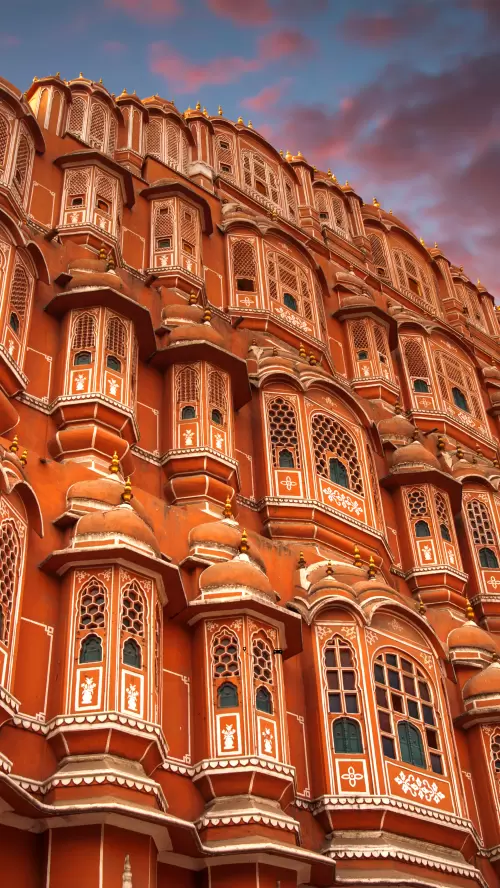
Hawa Mahal, also known as the Palace of Winds, is one of Jaipur’s most iconic landmarks, famous for its unique honeycomb façade designed to allow royal women to observe street life without being seen.
It is a symbol of Jaipur’s architectural identity and cultural heritage.
Hawa Mahal is best visited early in the day when the light enhances its pink sandstone beauty and reduces crowd congestion.
Rambagh Palace is one of the most luxurious heritage hotels in India, originally a royal residence that has been transformed into a premium hospitality experience reflecting Jaipur’s regal lifestyle and aristocratic charm.
It offers a blend of heritage architecture, luxury services, and royal ambiance.
Rambagh Palace offers a unique opportunity to experience Jaipur’s royal heritage through luxury hospitality and timeless elegance.
City Palace Udaipur is the largest palace complex in Rajasthan and one of the most iconic landmarks of the Lake City, showcasing centuries of Mewar royal history along the scenic banks of Lake Pichola.
Its layered architecture, courtyards, and balconies offer unmatched views of the lake and surrounding old city.
City Palace is best explored in the morning or late afternoon for softer light and clearer views of Lake Pichola.
Jag Mandir is a stunning island palace situated on Lake Pichola, known for its serene surroundings, marble architecture, and historical significance as a royal retreat and event venue.
It offers one of the most peaceful and scenic lake experiences in Udaipur.
Jag Mandir is best experienced during a boat ride in the evening when the lake reflects golden sunset colors.
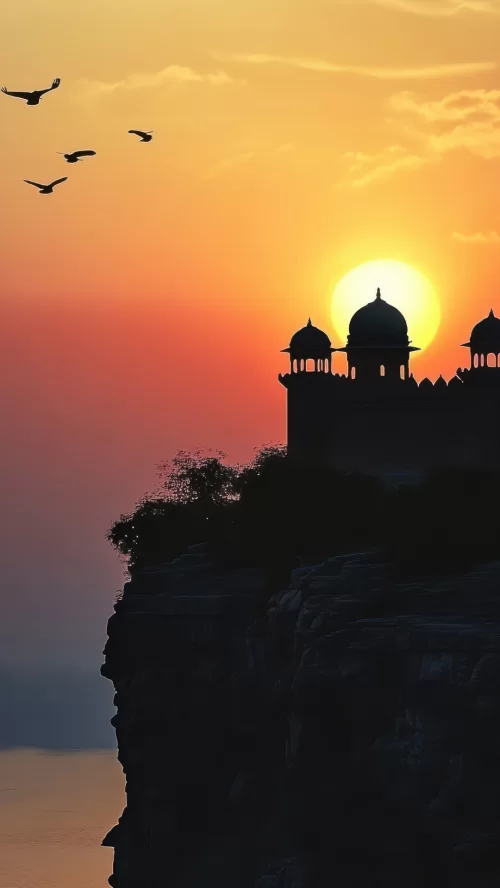
The Monsoon Palace, also known as Sajjangarh Palace, is a hilltop fort-palace overlooking Udaipur, famous for its breathtaking sunset views and panoramic vistas of lakes, palaces, and the Aravalli hills.
It is one of the best viewpoints in Udaipur for landscape photography.
Monsoon Palace is best visited in the evening for sunset views and clear panoramic photography of Udaipur’s lake city landscape.
Umaid Bhawan Palace is one of the last grand palaces built in India and remains a symbol of Jodhpur’s royal legacy, blending Indo-European architecture with Art Deco influences and offering a glimpse into the modern royal lifestyle of the Marwar dynasty.
A portion of the palace still serves as a royal residence, while another section functions as a heritage hotel and museum.
Umaid Bhawan Palace offers a rare combination of living royal heritage, museum culture, and luxury hospitality.
Mehrangarh Fort in Jodhpur is not only a massive fortress but also a palace complex with beautifully preserved royal chambers, museums, and exhibitions that showcase the grandeur of the Marwar kingdom.
The interiors reflect centuries of royal lifestyle and artistic excellence.
Mehrangarh Fort offers a complete royal experience where architecture, history, and cultural exhibitions come together in one monumental site.
Mandore Palace and its surrounding gardens represent the ancient capital of Marwar before Jodhpur, featuring historic ruins, cenotaphs, and landscaped gardens that reflect the early heritage of the region.
It offers a peaceful and less crowded historical experience compared to major tourist forts.
Mandore offers a quieter alternative for travelers interested in early Marwar history and serene heritage exploration.
Lalgarh Palace in Bikaner is one of the finest examples of Indo-Saracenic architecture in Rajasthan, built in the early 20th century and reflecting a royal transition from traditional fort living to modern palace luxury in the desert region.
Its intricate interiors, courtyards, and museum sections highlight the refined lifestyle of the Bikaner royal family.
Lalgarh Palace offers a refined glimpse into royal life during the modern era of Rajasthan’s desert kingdoms.
Jaisalmer’s heritage havelis are palace-like mansions built by wealthy merchants, showcasing intricate sandstone carvings, courtyards, and decorative façades that reflect the prosperity of desert trade routes.
These havelis collectively create an open-air museum of desert architecture.
Jaisalmer’s havelis offer a palace-like experience that reflects the richness of desert trade culture and craftsmanship.
Khimsar Fort is a desert palace located on the edge of the Thar Desert, offering a blend of historic fort architecture, luxury heritage hospitality, and surrounding sand dune landscapes that create a peaceful desert retreat experience.
It is ideal for travelers seeking offbeat luxury in a quiet desert setting.
Khimsar Fort provides a unique mix of heritage comfort and desert wilderness, making it ideal for relaxed luxury travel in Rajasthan.
Chittorgarh Fort is one of Rajasthan’s most powerful heritage landmarks and a UNESCO World Heritage Site, known for its massive scale, legendary battles, and deep-rooted Rajput history that symbolizes courage and sacrifice.
The fort stands as a living reminder of Mewar’s heroic past and cultural pride.
Chittorgarh Fort requires sufficient time to explore due to its vast area and rich historical significance.
Kumbhalgarh Fort is famous for its colossal defensive wall, often considered one of the longest continuous walls in the world, and its strong connection to Mewar’s royal history and strategic defense system.
The fort is also a UNESCO World Heritage Site under the Hill Forts of Rajasthan group.
Kumbhalgarh offers a unique blend of architectural strength and natural mountain scenery.
Ranthambore Fort is a rare heritage site located inside a tiger reserve, where ancient Rajput architecture coexists with dense forests, lakes, and wildlife habitats, creating a unique jungle heritage experience.
It offers a perfect blend of history, nature, and wildlife exploration.
Ranthambore Fort offers a distinctive experience where wildlife and heritage exist side by side in a protected natural environment.
Bundi is one of Rajasthan’s most charming offbeat heritage towns, known for its intricate stepwells, historic palace architecture, and beautifully preserved old city that reflects authentic Rajput-era craftsmanship.
The town offers a quieter and more artistic alternative to Rajasthan’s major tourist circuits.
Bundi is ideal for travelers who enjoy architecture, photography, and peaceful heritage exploration.
Mandawa in the Shekhawati region is often called an open-air art gallery because of its richly painted havelis, fresco-covered walls, and historic merchant mansions that depict Rajasthan’s cultural and trade history.
It is one of the most visually artistic yet lesser-explored heritage regions in Rajasthan.
Mandawa is perfect for travelers interested in art, culture, and slow-paced heritage exploration.
Bhangarh Fort is one of Rajasthan’s most famous offbeat heritage sites, known for its dramatic ruins, historical significance, and folklore stories that have made it a popular destination for curious travelers.
Despite its mysterious reputation, it is an important archaeological and historical site.
Bhangarh Fort is best visited during daylight hours for safe and comfortable exploration of its historical ruins.
Light and sound shows in Rajasthan’s forts and palaces bring royal history to life through storytelling, music, and illuminated architecture, offering an immersive cultural experience after sunset.
These shows are designed to recreate the grandeur of Rajput kingdoms in an engaging narrative format.
These shows are best experienced in the evening when the forts are illuminated and the storytelling atmosphere feels most immersive.
Rajasthan offers unique royal dining experiences inside heritage palaces and havelis where travelers can enjoy traditional cuisine in a regal setting that reflects the lifestyle of former Rajput rulers.
Heritage hotels enhance this experience with authentic architecture and royal hospitality.
Royal dining in Rajasthan combines culture, architecture, and cuisine into a memorable heritage experience.
Rajasthan’s cultural performances inside palaces showcase traditional folk music, dance forms, and storytelling that reflect the region’s royal heritage and vibrant desert culture.
These performances are a key highlight of evening experiences in heritage hotels and desert camps.
These performances offer travelers a direct connection to Rajasthan’s living traditions and royal cultural identity.
Winter is the most comfortable and popular season to explore Rajasthan’s palaces and heritage sites because the weather remains cool, dry, and ideal for long walking tours, photography, and outdoor sightseeing across cities like Jaipur, Udaipur, and Jodhpur.
This season also aligns with major festivals and cultural events, enhancing the overall travel experience.
Travelers should plan and book accommodations early during winter due to high tourist demand across Rajasthan.
Summer in Rajasthan is extremely hot, especially in desert and interior regions, so palace visits should be carefully timed for early morning or late afternoon hours to avoid peak heat and ensure a more comfortable travel experience.
Despite the harsh temperatures, summer also offers fewer crowds and better availability.
Proper timing and hydration are essential for safely enjoying Rajasthan’s palaces during summer months.
Monsoon season brings a refreshing transformation to Rajasthan’s palaces as surrounding landscapes turn greener, skies become dramatic, and historic structures appear more vibrant and atmospheric for photography and sightseeing.
It is a less crowded season that offers a different visual charm of heritage sites.
Monsoon is ideal for travelers who prefer photography, greenery, and a quieter palace exploration experience.
Most palaces in Rajasthan follow fixed opening hours and structured entry systems, so planning your visit timing in advance helps avoid long queues and ensures a smoother heritage experience across major cities like Jaipur, Udaipur, and Jodhpur.
Guided tours are highly recommended in larger palace complexes for better historical understanding and navigation.
Proper timing and guided planning significantly improve the overall palace exploration experience.
Rajasthan offers both luxury heritage experiences and budget-friendly sightseeing options, allowing travelers to explore royal palaces in a way that suits their travel style, comfort level, and budget.
Both approaches provide access to the same historical landmarks but differ in experience quality and amenities.
Travelers should choose based on comfort preferences, as both luxury and budget options offer rich cultural exposure.
Photography in Rajasthan’s palaces is a major attraction, but it requires awareness of local rules, respectful behavior, and smart crowd management to ensure a smooth and enjoyable experience.
Following basic etiquette enhances both travel quality and cultural respect.
Good photography etiquette ensures a respectful and visually rewarding palace travel experience in Rajasthan.
The best palace circuit for first-time Rajasthan travelers is a balanced route that connects Jaipur, Udaipur, and Jodhpur while adding optional extensions to desert and hill regions for a complete royal heritage experience.
This combination ensures a mix of grand forts, lakeside palaces, desert architecture, and cultural immersion without overwhelming travel distances.
This circuit works best when planned slowly, allowing enough time to experience each palace in depth rather than rushing across cities.
Rajasthan’s palace experiences vary significantly across regions, with Jaipur offering royal urban heritage, Udaipur delivering lakeside romance, and desert regions like Jaisalmer and Bikaner showcasing rugged desert architecture.
Choosing the right combination depends on travel style, interest, and seasonal comfort.
| Region | Main Highlight | Travel Experience |
|---|---|---|
| Jaipur Palaces | Royal Pink City heritage | Urban forts, palaces, and markets |
| Udaipur Palaces | Lakeside royal beauty | Romantic and scenic experience |
| Desert Palaces | Jaisalmer and Bikaner heritage | Sandstone forts and desert culture |
| Hill Region Palaces | Kumbhalgarh and Chittorgarh | Historic forts with mountain views |
| Best Combined Option | Multi-region circuit | Complete Rajasthan experience |
| Photography Focus | Diverse landscapes | Best visual variety across regions |
| One of India’s Most Diverse Heritage States | Multiple ecosystems | Desert, lake, and hill integration |
For first-time travelers, combining Jaipur, Udaipur, and one desert destination offers the most balanced Rajasthan palace experience.
Planning a Rajasthan heritage trip requires attention to season, itinerary balance, travel distances, and cultural preparation to ensure a smooth and enriching palace exploration experience across multiple cities.
A structured checklist helps avoid common travel mistakes and improves overall journey quality.
Rajasthan rewards slow and well-planned travel, where each palace and heritage site is experienced deeply rather than rushed across multiple cities.

Get customized Rajasthan tour planning designed around desert climate comfort, long-distance road travel flow, heritage exploration time, and realistic pacing between regions. Whether you are visiting for fort architecture, palace heritage, cultural exper
⚡ Quick Response | 💰 Free consultation | 🕒 24×7 expert support