
Best Adventure Activities in Mount Abu
Mount Abu offers adventure activities like trekking, rock climbing, boating, wildlife exploration, and nature trails in Rajasthan’s only hill station.
+91 9910402252
admin@chalbanjare.com


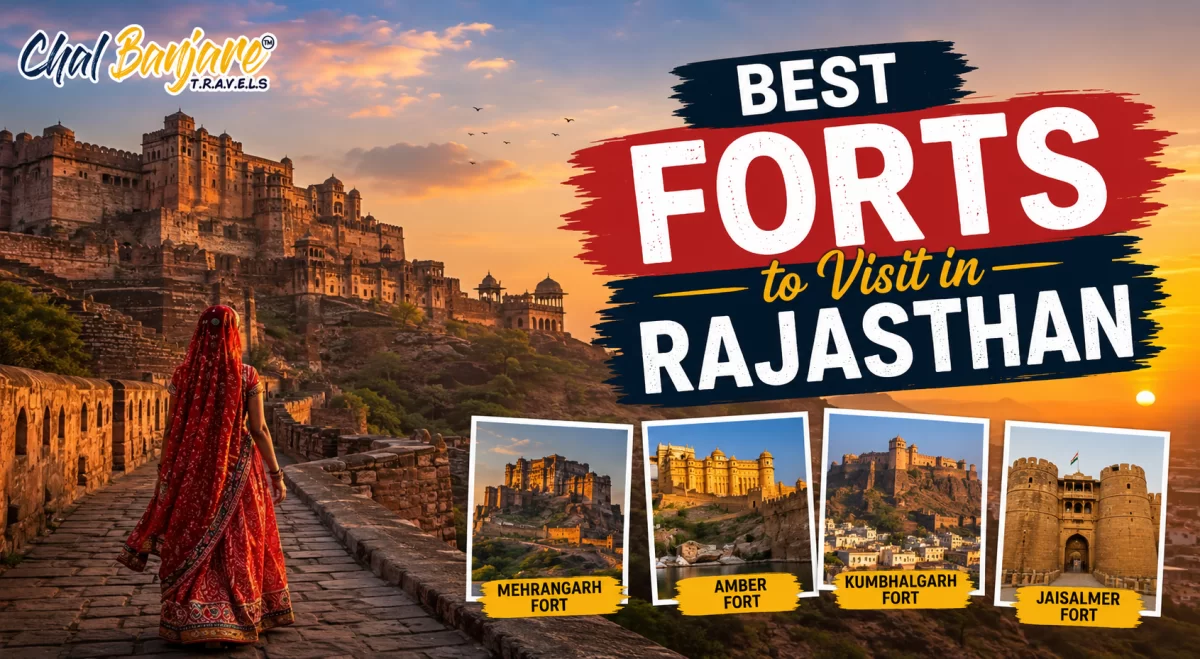
Rajasthan is home to magnificent forts showcasing royal history, battle legends, architecture, and panoramic hilltop views across deserts and Aravalli ranges.
Amber Fort is Jaipur’s most iconic fort because it combines grand Rajput architecture, artistic palaces, and strategic hilltop design overlooking the Aravalli hills, making it one of the most visited heritage landmarks in Rajasthan.
The Sheesh Mahal and traditional elephant ride experience add to its royal charm and cultural appeal.
Amber Fort is best explored in the morning to avoid crowds and enjoy better lighting for photography.
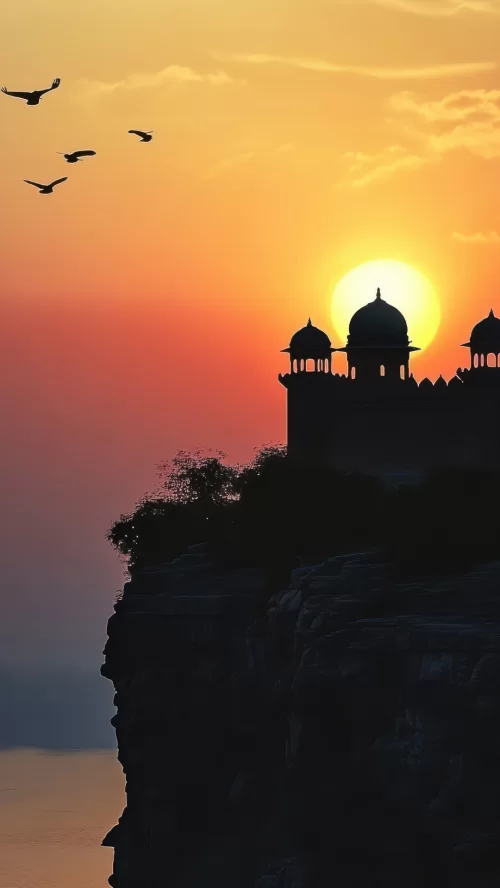
Nahargarh Fort is known for its breathtaking sunset views over Jaipur city and the Aravalli hills, making it one of the most scenic viewpoints in Rajasthan’s capital region.
The fort offers a peaceful atmosphere ideal for evening visits and photography.
Nahargarh Fort is best visited during late afternoon to capture both sunset and nighttime views of Jaipur.
Jaigarh Fort is famous for its military architecture and houses one of the world’s largest cannons on wheels, reflecting Jaipur’s strong defense history and strategic military importance.
The fort also offers impressive views of Amber Fort and the surrounding Aravalli ranges.
Jaigarh Fort is ideal for travelers interested in military history, architecture, and panoramic landscape photography.
Mehrangarh Fort is the most iconic landmark of Jodhpur and one of the largest forts in India, rising dramatically above the Blue City with massive walls, intricate palaces, and rich Marwar history that defines the region’s royal legacy.
The fort complex offers a complete experience of architecture, museums, courtyards, and panoramic views of the old city.
Mehrangarh Fort is best explored slowly to experience its architectural detail and panoramic viewpoints.
Umaid Bhawan Palace is a symbol of modern royal luxury blended with heritage, serving as both a royal residence and museum that showcases Jodhpur’s recent princely history and architectural elegance.
The palace reflects the transition of Marwar royalty into the modern era.
Umaid Bhawan Palace offers a refined heritage experience that blends royal history with contemporary elegance.
Mandore Fort and Gardens represent the ancient capital of Marwar before Jodhpur, featuring historic ruins, cenotaphs, temples, and lush gardens that reflect centuries of Rajput heritage and cultural evolution.
The site is peaceful and ideal for exploring lesser-known historical layers of Jodhpur.
Mandore provides a quieter and more reflective heritage experience compared to the grandeur of Mehrangarh and Umaid Bhawan.
City Palace Udaipur is the most prominent fort-palace complex in the Mewar region because it stretches along Lake Pichola and reflects centuries of royal architecture, intricate courtyards, and evolving Rajput design traditions.
The palace offers one of the most scenic combinations of heritage architecture and lakeside beauty in Rajasthan.
City Palace is best explored slowly to fully experience its layered architecture and panoramic lake views.
Kumbhalgarh Fort is one of the most powerful hill forts in India, famous for its massive defensive wall and dramatic location in the Aravalli mountains, offering a unique blend of heritage, nature, and panoramic landscapes.
It is also a UNESCO World Heritage Site under the Hill Forts of Rajasthan group.
Kumbhalgarh offers a unique experience where fort architecture blends seamlessly with natural mountain landscapes.
Chittorgarh Fort is one of India’s largest forts and a powerful symbol of Rajput valor, known for its legendary battles, heroic sacrifices, and massive architectural scale spread across a vast hilltop landscape.
The fort represents deep historical and emotional significance in Mewar’s legacy.
Chittorgarh Fort requires ample time to explore due to its vast scale and deep historical significance.
Jaisalmer Fort, also known as Sonar Quila, is one of the world’s few living forts where people still reside inside ancient walls, making it a unique blend of history, culture, and daily life in the heart of the Thar Desert.
The fort glows in golden sandstone and stands as the cultural identity of Jaisalmer’s desert heritage.
Jaisalmer Fort is best explored on foot to experience its living culture and architectural beauty closely.
Junagarh Fort in Bikaner is one of the rare forts in Rajasthan that was not built on a hill, yet it remained unconquered, showcasing powerful architecture, strong defense systems, and rich royal collections.
The fort represents the grandeur of Bikaner’s desert kingdom heritage.
Junagarh Fort offers a detailed glimpse into Bikaner’s royal history and architectural excellence.
Pokhran Fort is a lesser-known but historically significant desert fort that played an important role in Marwar’s strategic defense system, located deep within the Thar Desert region of Rajasthan.
It reflects the military and political importance of desert strongholds in Rajasthan’s history.
Pokhran Fort is ideal for travelers seeking offbeat desert heritage experiences away from mainstream tourist circuits.
Taragarh Fort in Bundi is one of Rajasthan’s most atmospheric offbeat forts because it overlooks a beautifully preserved old town filled with blue houses, stepwells, and narrow streets that reflect the region’s artistic and architectural heritage.
The fort offers a raw and less commercialized experience compared to Rajasthan’s major tourist forts.
Taragarh Fort is best suited for travelers who enjoy slow exploration, photography, and untouched heritage experiences.
Ranthambore Fort is uniquely located inside Ranthambore National Park, making it one of the rare forts in India where wildlife, forest landscapes, and ancient architecture coexist in a single protected environment.
This combination creates a distinctive heritage-wildlife experience.
Ranthambore Fort is ideal for travelers who want to combine wildlife safaris with historical exploration in a single destination.
Bala Quila Fort in Alwar is an offbeat hill fort located in the Aravalli ranges, offering panoramic views of the surrounding city, forests, and hills, along with a strong sense of historical significance.
The fort remains less explored, making it ideal for peaceful heritage travel.
Bala Quila Fort is best visited during cooler months when visibility and weather conditions are ideal for hill exploration.
Light and sound shows at Rajasthan’s major forts bring history to life by narrating royal stories, battles, and cultural heritage through illuminated architecture, music, and storytelling in dramatic evening settings.
These shows are especially popular in Jaipur, Jodhpur, and Chittorgarh where historic forts create a natural backdrop for immersive experiences.
Light and sound shows are best enjoyed after sunset when forts are beautifully illuminated and the storytelling atmosphere becomes more immersive.
Heritage walks inside and around Rajasthan’s forts allow travelers to explore architectural details, hidden courtyards, ancient gates, and historic streets while understanding the cultural evolution of each region.
These walks are especially rewarding for photography and slow cultural exploration.
Heritage walks are ideal for travelers who want to go beyond sightseeing and deeply connect with Rajasthan’s architectural history.
Rajasthan’s forts often host cultural performances and house royal museums that display artifacts, weapons, costumes, and historical collections, offering a complete understanding of royal life and traditions.
These experiences combine entertainment with education and cultural immersion.
Cultural performances and museum visits together offer a complete view of Rajasthan’s royal legacy and artistic traditions inside its historic forts.
Winter is the best time to visit Rajasthan’s forts because the weather remains cool and comfortable, making it ideal for long heritage walks, photography sessions, and detailed exploration of massive fort complexes spread across different cities.
From October to March, most forts can be explored comfortably without the extreme heat of the desert climate.
Travelers should book accommodations early during winter because it is the peak tourist season across Rajasthan.
Summer in Rajasthan is extremely hot, especially in desert cities, so fort visits require careful planning with early morning or late afternoon schedules to avoid peak heat and ensure a more comfortable sightseeing experience.
Despite the heat, summer offers fewer crowds and clearer visibility in many locations.
Travelers visiting forts in summer should prioritize timing and hydration to ensure a safe and comfortable experience.
The monsoon season brings a different charm to Rajasthan’s forts as surrounding landscapes turn green, skies become dramatic, and ancient structures gain a refreshed scenic backdrop ideal for photography and peaceful exploration.
Although rainfall may occasionally affect travel plans, it offers a unique and less crowded experience.
Monsoon is best suited for travelers who enjoy photography, greenery, and quieter heritage exploration rather than strict itinerary-based travel.
The Jaipur–Jodhpur–Udaipur circuit is the most popular Rajasthan fort route because it connects the key royal capitals of Rajput history, offering a balanced mix of grand forts, palaces, old cities, and cultural experiences across well-connected travel routes.
This circuit is ideal for first-time travelers who want a complete introduction to Rajasthan’s heritage.
This route is best experienced at a relaxed pace with 2–3 nights in each city for meaningful exploration.
The Jaisalmer–Bikaner desert circuit offers a unique experience of Rajasthan’s Thar Desert heritage, combining golden forts, camel culture, sand dunes, and historic desert settlements in one immersive journey.
It is ideal for travelers seeking desert landscapes and offbeat royal architecture.
This circuit is best planned over 6–8 days to fully experience both cities and desert landscapes.
The extended heritage circuit combining Kumbhalgarh and Chittorgarh with Udaipur and surrounding regions offers a deeper exploration of Mewar history, showcasing massive forts, legendary battles, and scenic Aravalli landscapes.
This route is ideal for travelers interested in Rajasthan’s most powerful historical narratives.
This extended circuit is best experienced over 8–12 days for a balanced and immersive heritage journey.
Rajasthan’s forts are large, uneven, and often located on hills or elevated terrain, which makes walking an essential part of the experience rather than just sightseeing from one point.
Proper footwear and physical preparation significantly improve comfort during exploration.
Travelers should be prepared for moderate walking at every major fort to fully experience architecture and viewpoints.
Most forts in Rajasthan follow fixed entry timings and ticket systems, which vary based on domestic, international, camera charges, and guided tour options depending on the monument.
Planning visits around opening hours helps avoid crowds and extreme weather conditions.
Travelers should check specific fort timings in advance to optimize their daily itinerary and avoid peak crowds.
Rajasthan’s climate can become extremely hot during midday, especially in desert regions, so planning fort visits around early morning or late afternoon hours greatly improves comfort and sightseeing quality.
Sunrise and sunset hours also offer the best lighting for photography and heritage views.
Proper timing can transform a fort visit from exhausting to highly enjoyable, especially in Rajasthan’s extreme climate conditions.
First-time travelers to Rajasthan should focus on a curated selection of iconic forts that represent the state’s diverse heritage, including hill forts, desert forts, and palace-fort complexes spread across Jaipur, Jodhpur, Udaipur, and surrounding regions.
These forts offer the best combination of architecture, history, accessibility, and cultural experiences.
These forts together provide a well-rounded introduction to Rajasthan’s royal history and architectural diversity.
Rajasthan’s forts can broadly be grouped into desert, hill, and lake-region categories, each offering a different travel experience based on landscape, climate, and architectural style.
Choosing the right mix depends on whether travelers prefer adventure, heritage immersion, or scenic relaxation.
| Fort Region Type | Main Highlight | Travel Experience |
|---|---|---|
| Desert Forts | Jaisalmer and Bikaner forts | Golden landscapes and desert culture |
| Hill Forts | Kumbhalgarh, Chittorgarh, Amber | Panoramic views and historic defense structures |
| Lake Region Forts | Udaipur City Palace complex | Romantic lakeside heritage experience |
| Mixed Heritage Circuit | Jaipur–Jodhpur–Udaipur route | Balanced cultural exploration |
| Photography Focused Travel | All regions combined | Diverse landscapes and lighting conditions |
| Adventure Style Travel | Hill forts and desert routes | Rugged exploration experience |
| One of India’s Most Diverse Fort Landscapes | Desert, hills, and lakes | Complete heritage variety |
A balanced itinerary that includes at least one fort from each category offers the most complete Rajasthan experience.
A well-planned Rajasthan fort tour requires attention to season, travel routes, physical readiness, and cultural planning to ensure a smooth and enjoyable heritage experience across multiple cities and landscapes.
This checklist helps travelers avoid common mistakes and improve overall travel comfort.
Rajasthan’s forts are best experienced slowly and thoughtfully, allowing travelers to fully appreciate their history, architecture, and cultural depth.

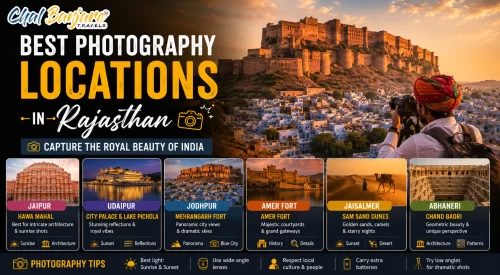
Get customized Rajasthan tour planning designed around desert climate comfort, long-distance road travel flow, heritage exploration time, and realistic pacing between regions. Whether you are visiting for fort architecture, palace heritage, cultural exper
⚡ Quick Response | 💰 Free consultation | 🕒 24×7 expert support