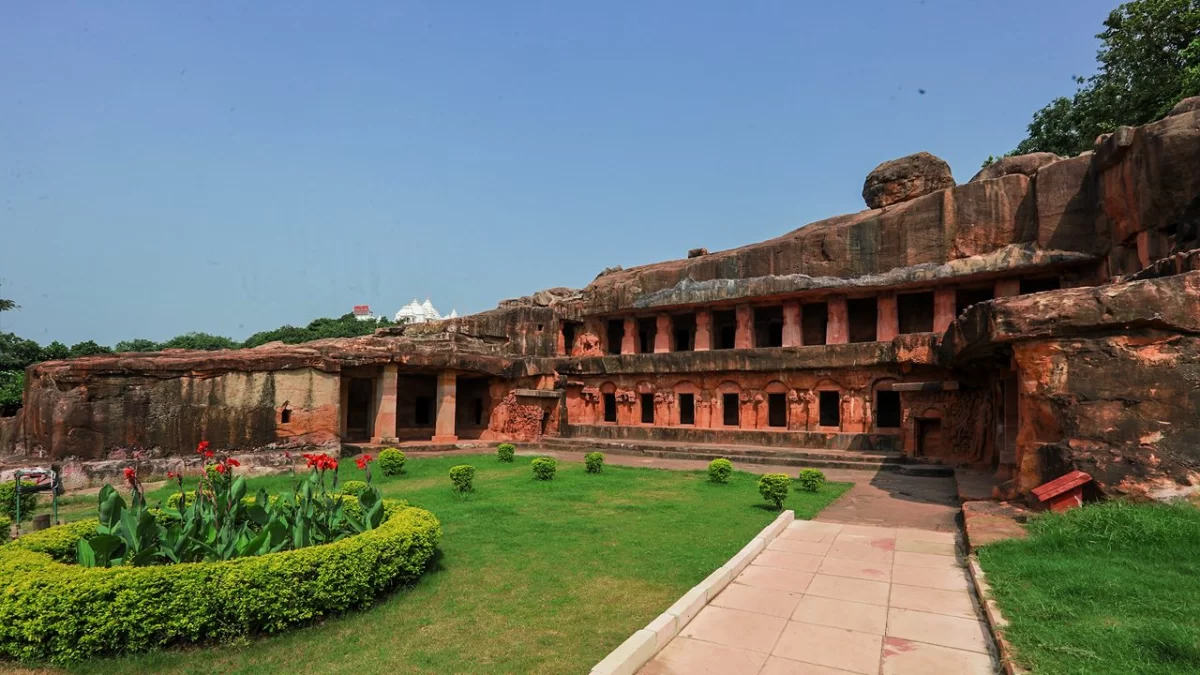
Udayagiri Khandagiri Caves, Bhubaneswar, Odisha, India

Udayagiri Khandagiri Caves , Bhubaneswar
Visitors come to explore the ancient cave dwellings, inscriptions, sculptures, and archaeological remains that reflect the region’s early religious and cultural history. The site is one of Odisha’s most important heritage attractions and offers both historical significance and panoramic views from its hilltop setting.

Quick Facts About Udayagiri Khandagiri Caves

Udayagiri Khandagiri Caves Quick Facts

Entry Fee ?25 for Indian citizens; ?300 for foreign nationals (subject to ASI revisions).
Timings Generally open daily from 8:00 AM to 5:00 PM.
Altitude (m) Approximately 70 m above sea level
Ideal Visit Duration 2–3 hours
Best Time of Day Morning for cooler temperatures and comfortable exploration of the caves.
Crowd Level Moderate to high; busiest during weekends, holidays, and the winter tourist season.
Distance from City Centre (km) Approximately 8 km from central Bhubaneswar.
Walking Difficulty Moderate; involves climbing steps, walking on rocky paths, and exploring cave complexes.
Parking Available Yes, parking facilities are available near the monument entrance.
Last Mile Access Direct road access followed by walking through the cave complex and hill pathways.
Suitable for Kids Yes, with supervision on steps and rocky surfaces.
Suitable for Seniors Suitable for active seniors comfortable with climbing steps and uneven terrain.
Wheelchair Friendly No; the site includes stairs, rocky pathways, and elevated cave access points.

Why Visit Udayagiri Khandagiri Caves Bhubaneswar

Visitors come to Udayagiri Khandagiri Caves to explore ancient rock-cut shelters associated with Jain monks and to experience one of Odisha’s most significant archaeological sites.

The atmosphere is historic and exploratory, with cave passages, carved facades, hilltop viewpoints, and walking trails offering a glimpse into the region’s early religious heritage.

What makes Udayagiri Khandagiri Caves distinct is their collection of rock-cut chambers, inscriptions dating back to the reign of King Kharavela, and the combination of archaeological significance and panoramic views over Bhubaneswar.

History of Udayagiri Khandagiri Caves

Udayagiri and Khandagiri Caves are among the most important archaeological monuments in Odisha, dating to the 1st century BCE during the reign of King Kharavela of the Mahameghavahana dynasty. The rock-cut caves were created primarily as residential and meditation chambers for Jain monks, reflecting the prominence of Jainism in ancient Kalinga.

Several caves contain inscriptions and carvings of exceptional historical value, including the famous Hathigumpha Inscription, which records the achievements and military campaigns of King Kharavela. These inscriptions provide valuable insight into the political, religious, and cultural history of ancient eastern India.

Today, Udayagiri and Khandagiri Caves stand as a significant testament to Odisha's ancient heritage, attracting visitors interested in archaeology, Jain history, and early Indian rock-cut architecture.

Best Time to Visit Udayagiri Khandagiri Caves

Udayagiri Khandagiri Caves are best visited from October to March when Bhubaneswar experiences pleasant weather, making it comfortable to explore the ancient rock-cut caves, climb the hilltops, and enjoy panoramic views of the city.
  • Ideal months: October to March is the most favorable period to visit Udayagiri Khandagiri Caves, offering comfortable temperatures and excellent conditions for heritage exploration.
  • Weather conditions during the best season: Cool mornings, pleasant afternoons, and lower humidity make it ideal for walking through the cave complexes, examining ancient Jain carvings, and enjoying viewpoints across the surrounding landscape.
  • Periods to avoid: April to June can be hot and humid, making the uphill walks and cave exploration less comfortable during the day. The monsoon season from June to September brings frequent rainfall, which can make stone pathways slippery and affect outdoor sightseeing.

How to Reach Udayagiri Khandagiri Caves

  • Nearest Airport: Biju Patnaik International Airport, Bhubaneswar, located approximately 7 km from Udayagiri Khandagiri Caves, is the nearest airport. Taxis, app-based cabs, and local transport are readily available for the short onward journey.
  • Nearest Railway Station: Bhubaneswar Railway Station, about 8 km away, is the nearest major railway station and offers excellent connectivity to major cities across India.
  • Road Access and Last-Mile Connectivity: Udayagiri Khandagiri Caves are situated on the western outskirts of Bhubaneswar along National Highway 16 and are easily accessible by private vehicle, taxi, auto-rickshaw, or local bus. Visitors can reach the designated parking area directly, followed by a short walk and climb via stone pathways and steps to explore the cave complexes. Comfortable footwear is recommended, especially for accessing the upper viewpoints and cave sections.

What to Expect When You Visit Udayagiri Khandagiri Caves

  • Environment and Surroundings: Udayagiri and Khandagiri Caves are ancient rock-cut cave complexes situated on twin hills in Bhubaneswar. Visitors can expect a blend of historical monuments, natural hilltop surroundings, carved cave chambers, and panoramic views of the city from elevated viewpoints.
  • Facilities and Amenities: Basic visitor facilities such as parking areas, ticketing services, restrooms, seating spaces, and small refreshment stalls are available near the entrance. Additional restaurants and tourist services are located in nearby parts of Bhubaneswar.
  • Accessibility and Movement: Exploring the caves involves walking on stone pathways, climbing steps, and navigating uneven rocky surfaces across both hills. Comfortable footwear is recommended, as some sections can be steep and require moderate physical effort.
  • Visitor Conditions: Visitors typically spend time exploring the ancient Jain cave carvings, inscriptions, viewpoints, and archaeological features. The site attracts history enthusiasts, students, and photographers, with higher visitor numbers during weekends, holidays, and the cooler months of the year.

Important Visitor Information for Udayagiri Khandagiri Caves

  • Udayagiri Khandagiri Caves attract the highest number of visitors during weekends, public holidays, and the winter tourism season from October to February.
  • Early morning hours generally offer a quieter experience, cooler temperatures, and better conditions for exploring the cave complexes before larger crowds arrive.
  • Summer afternoons can be hot and exposed, while monsoon rains may make cave steps, pathways, and rocky surfaces slippery.
  • No specific dress code applies, though comfortable clothing and sturdy walking footwear are recommended due to uneven terrain and stair climbing.
  • Visitors should exercise caution on steep steps and rock-cut passages, avoid climbing on protected cave structures, and help preserve the ancient carvings by not touching or defacing them.

Photography and Viewpoints at Udayagiri Khandagiri Caves

  • The best photographs are captured from the hilltop viewpoints of Udayagiri and Khandagiri, where visitors can frame the ancient rock-cut caves along with panoramic views of Bhubaneswar city.
  • Early morning provides softer light, fewer visitors, and ideal conditions for photographing the cave façades, carved entrances, and historic inscriptions.
  • The elevated terraces and pathways between the caves offer excellent vantage points for capturing the layered architecture, natural rock formations, and surrounding greenery.
  • The intricately carved Rani Gumpha, Hathi Gumpha inscription area, and multi-level cave complexes are particularly rewarding subjects for architectural and heritage photography.
  • Daylight hours are best for photographing the cave interiors, relief carvings, and stone details, as natural light helps reveal the craftsmanship of these ancient Jain monuments.
  • Photography is generally permitted throughout the monument complex, though visitors should avoid touching carvings and comply with any regulations issued by the Archaeological Survey of India.
  • Weekday mornings usually provide quieter conditions for photography, while weekends, holidays, and peak tourist seasons can lead to increased visitor activity around the most popular caves and viewpoints.

Near By Attraction

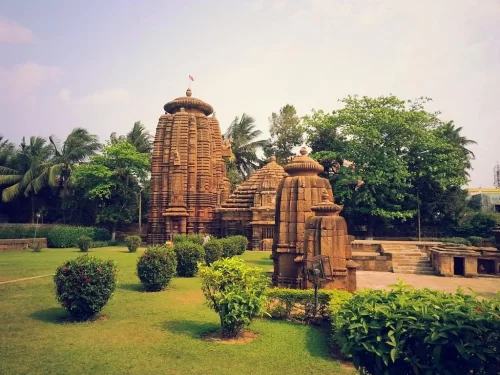
Parsurameswar Temple Temple

Parsurameswar Temple

Parsurameswar Temple is one of the oldest surviving Hindu temples in Bhubaneswar, Odisha, dedicated to Lord Shiva and dating to the 7th century CE.
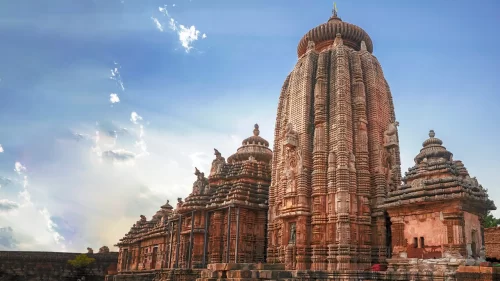
Ananta Vasudeva Temple Temple

Ananta Vasudeva Temple

Ananta Vasudeva Temple is a 13th-century Hindu temple dedicated to Lord Krishna, Balarama, and Subhadra, located in the historic temple district of Bhubaneswar, Odisha.
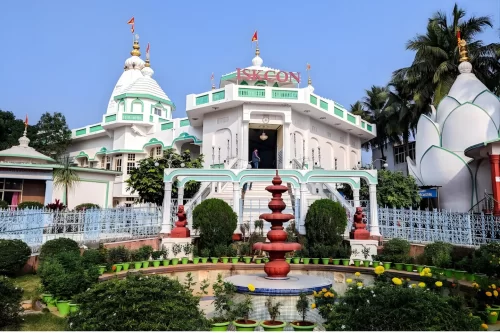
ISKCON Temple Bhubaneswar Temple

ISKCON Temple Bhubaneswar

ISKCON Temple is a prominent Hindu temple dedicated to Lord Krishna and Radha, located in Bhubaneswar, Odisha, and operated by the International Society for Krishna Consciousness (ISKCON).

Frequently Asked Questions About Udayagiri Khandagiri Caves

Loved this place ? Let’s Plan Your Odisha Trip

Get customized Odisha tour planning designed around temple visit timing, coastal weather patterns, wildlife seasonality, and realistic travel pacing across regions. Whether you are visiting for spiritual journeys, heritage architecture, beach relaxation,

⚡ Quick Response | 💰 Free consultation | 🕒 24×7 expert support

×

Plan Your Trip