Shree Gundicha Temple, Puri, Odisha, India | History & Visitor Guide

Shree Gundicha Temple , Puri
Tourists and pilgrims visit this \"Garden House\" to observe the intricate stone carvings on the Vimana and to understand the terminal point of the world-famous chariot festival. The temple complex remains most active during the nine-day period when the deities reside here, attracting millions of devotees.

Quick Facts About Shree Gundicha Temple

Entry Fee Free
Timings 06:00 - 21:00
Altitude (m) 6
Ideal Visit Duration (hrs) 1
Best Time of Day Morning / Evening
Crowd Level Moderate
Distance from City Centre (km) 3
Walking Difficulty Easy
Parking Available Yes
Last Mile Access Road
Suitable for Kids Yes
Suitable for Seniors Yes
Wheelchair Friendly No

Why Visit Shree Gundicha Temple

Visitors travel to this garden temple to witness the focal point of the world-renowned Ratha Yatra, as it serves as the summer retreat for Lord Jagannath and his siblings. It is a critical stop for those seeking to understand the complete cycle of Puri’s temple rituals, representing the "Aunt’s House" where the deities reside for nine days during the annual festival.

The atmosphere on-ground is one of serene seclusion, offering a stark contrast to the high-energy environment of the main Jagannath Temple. Surrounded by high walls and lush garden spaces, the temple complex provides a tranquil, meditative setting where travelers can observe the massive stone courtyard and traditional Kalinga architecture without the typical crowds found at the main shrine.

Shree Gundicha Temple is distinct for its "Garden House" layout, specifically designed to host the deities during their transit rather than for year-round residency. It is unique for its Mahavedi—the site where the celestial images were said to have first manifested—making it an indispensable destination for travelers interested in the foundational legends of Odia spiritual culture.

Historical and Religious Context of Shree Gundicha Temple

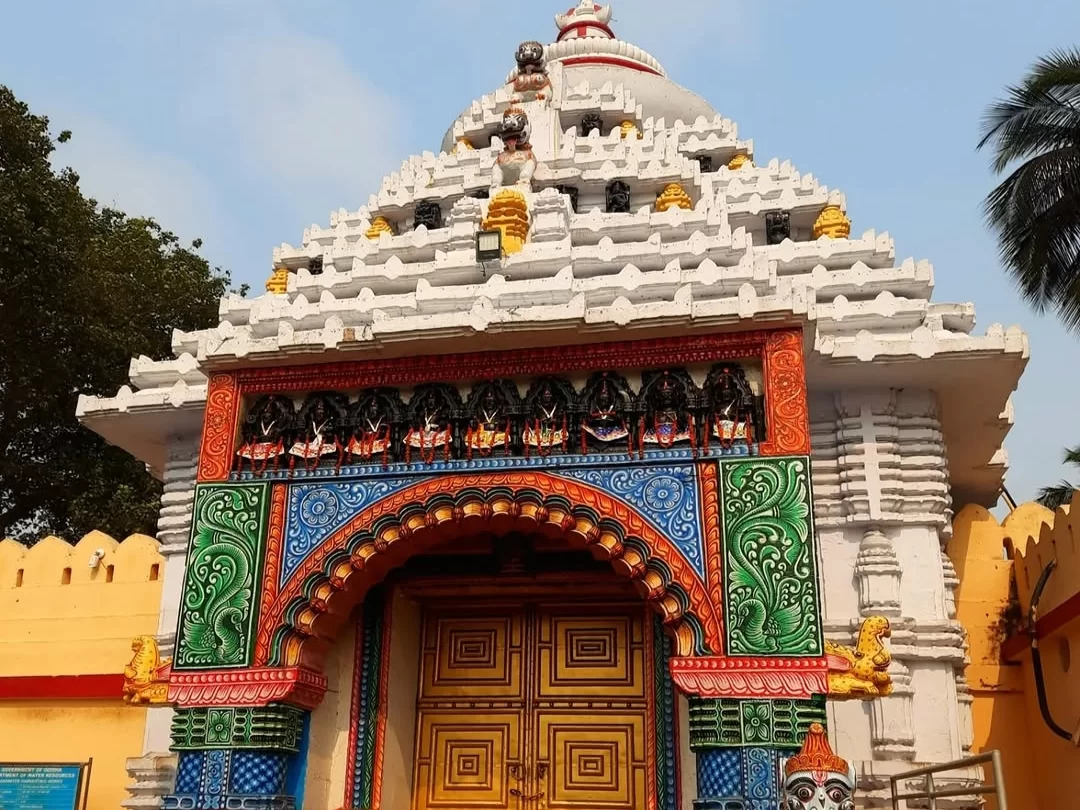
Shree Gundicha Temple, often referred to as the Garden House of Jagannath, is a pivotal site in Puri’s sacred geography. Built in the Kalingan architectural style using light grey sandstone, it serves as the destination for the deities during the annual Ratha Yatra. The temple is named after Queen Gundicha, the consort of the legendary King Indradyumna, who is credited with the installation of the original idols.

The temple's primary significance is tied to the nine-day stay of Lord Jagannath, Balabhadra, and Subhadra during their summer vacation. This period represents the "Gundicha Marjana," a ritualistic cleaning of the temple performed by devotees a day before the Ratha Yatra begins. The site remains vacant for most of the year, coming to life only during this festival, which symbolizes the deities' visit to their birthplace.

Culturallly, the temple is surrounded by a high wall and features a sprawling garden known as Gundicha Orchards. It is architecturally divided into four structures: the Vimana (tower), Jagamohana (assembly hall), Natamandapa (festival hall), and Bhogamandapa (hall of offerings). The central pedestal, known as the "Mahavedi," is where the deities are placed during their week-long residence, attracting millions of pilgrims.

Best Time to Visit Shree Gundicha Temple

Visiting Shree Gundicha Temple requires balancing the desire for spiritual significance with coastal climate realities, as the deities only inhabit this "Garden House" for nine days during the Rath Yatra. For those interested in the architecture and the serene garden setting without the overwhelming crowds, the winter months provide the most stable and comfortable atmosphere for exploration.
  • Ideal Months: June or July specifically for the Rath Yatra festival to see the deities on the Adapa Mandapa; otherwise, October to February for general sightseeing and garden walks.
  • Weather Conditions: During the winter peak, expect cool coastal breezes and clear skies with temperatures between 16°C and 28°C, making the walk along the Grand Road (Bada Danda) pleasant.
  • Periods to Avoid: April and May, when temperatures often exceed 36°C with extreme maritime humidity, making the unshaded stone courtyards painfully hot; also be aware that during the Rath Yatra (June/July), the temple is extremely crowded and local transport is often restricted.

Travel Logistics: How to Reach Shree Gundicha Temple

  • By Air: Biju Patnaik International Airport (BBI) in Bhubaneswar is the nearest airport, located approximately 60 km from Puri. From the airport, you can hire a private taxi or take the airport bus service to Puri, with a typical transit time of 1.5 to 2 hours via the NH-316.
  • By Rail: Puri Railway Station (PURI) is the closest railhead, situated just 1.5 to 2 km from the temple. It is a major terminal with direct trains from cities like Delhi, Kolkata, and Mumbai. Auto-rickshaws and cycle-rickshaws are available at the station for a quick 10-minute ride to the temple.
  • Road Access: The temple is located at the northeastern end of the Bada Danda (Grand Road). It is well-connected by road to Bhubaneswar and Konark. Regular OSRTC and private buses operate from the Baramunda and Master Canteen bus stands in Bhubaneswar directly to the Puri bus stand.
  • Last-Mile Connectivity: Within Puri, the temple is easily accessible via the "Mo Bus" service and local auto-rickshaws. Since it sits at the end of the Grand Road, many pilgrims also prefer to walk from the Shree Jagannath Temple, which is about 3 km away.
  • Travel Conditions: During the annual Rath Yatra (June/July), the entire Grand Road is closed to vehicular traffic, and walking becomes mandatory. On regular days, be aware of the coastal humidity; visiting in the early morning or late afternoon is recommended to avoid heat.

What to Expect When You Visit Khandagiri Caves

  • Environment and Surroundings: Situated on a hill directly opposite Udayagiri, these 15 caves are characterized by a more vertical and rugged landscape. The environment is largely unshaded, with the sandstone topography reflecting high levels of heat and light. Expect a semi-natural setting where the caves are integrated into the hillside, offering panoramic views of Bhubaneswar that are often accompanied by strong wind gusts at higher elevations.
  • Facilities and Amenities: Facilities are minimal and restricted to the base of the hill near the main road. There are small local stalls providing water and snacks, but no formal dining or rest areas within the cave complex. Public restrooms are located near the entrance. Maintenance is less structured than at the neighboring site, and visitors should be prepared for a lack of modern infrastructure once the ascent begins.
  • Accessibility and Movement: Movement requires significant physical exertion, as the path involves climbing steep, irregular stone steps that can be slippery, especially during the monsoon or early morning. Handrails are not present in most sections. The site is not wheelchair accessible and is unsuitable for visitors with serious mobility issues. Navigating between tiers requires steady footwork and careful balance on weathered rock surfaces.
  • Typical Visitor Behavior and Conditions: The site is heavily populated by Macaque monkeys that are habituated to humans; they can be aggressive if food or plastic bags are visible. Unlike the more academic atmosphere of Udayagiri, Khandagiri attracts a high volume of local pilgrims visiting the Jain temple at the summit. Expect crowded pathways and a lively, sometimes noisy environment, particularly on weekends and religious holidays.

Important Visitor Information for Shree Gundicha Temple

  • Crowds and Weather: Outside of the annual Rath Yatra period, the temple is relatively tranquil and experiences moderate tropical humidity. However, during the 9-day Rath Yatra (typically June or July), the site sees hundreds of thousands of devotees, leading to extreme congestion and high heat indexes. From October to February, the weather is significantly more pleasant for exploring the vast garden complex.
  • Visiting Hours: The temple is generally open from 6:00 AM to 9:00 PM. During the "Gundicha Marjana" (cleansing ceremony) just before the Rath Yatra, access may be restricted. The quietest hours are between 12:30 PM and 3:30 PM, though the inner sanctum may briefly close for afternoon rituals during this window.
  • Dress Code: Strict traditional Hindu temple etiquette is enforced. Visitors should wear modest attire; for men, shirts and long trousers (or dhotis) are preferred, while women should wear sarees or salwar kameez. Non-Hindus are traditionally permitted to enter this "Garden House" of Jagannath, unlike the main Puri temple, but must still adhere to respectful clothing standards and remove footwear at the entrance.
  • Safety and Cautions: During the festival season, be prepared for intense "darshan" lines and practice extreme caution regarding pickpockets in large crowds. The stone floors of the courtyard can become very hot under the afternoon sun; walking on the provided jute mats is recommended to avoid burns. Ensure you drink bottled water before entering, as the humidity within the stone walls can lead to rapid exhaustion.

Photography and Viewpoints at Shree Gundicha Temple

  • The Vimana and High External Walls: The best angle for capturing the Kalinga-style architecture is from the outer perimeter near the main gate. The massive stone walls and the towering spire (Vimana) provide a sense of scale, especially when photographed from a low angle to emphasize their height.
  • Simhadwara (Lion's Gate) Perspective: The main entrance is the most iconic viewpoint. The intricate carvings on the red-hued stone gate are best captured in the early morning (6:30 AM to 8:30 AM) when the rising sun illuminates the eastern facade, revealing the textures of the masonry.
  • Rath Yatra Week Perspective: During the annual Chariot Festival, the temple surroundings offer unique documentary photography opportunities as the three massive chariots are parked outside. Note that the density of the crowd (millions of devotees) requires a telephoto lens from an elevated building nearby to capture the scale of the event safely.
  • Internal Photography Ban: Like the main Jagannath Temple, photography and videography are strictly prohibited inside the temple premises. Security personnel will inspect bags at the entrance, and all cameras or mobile phones must be deposited at the designated cloakroom before entering the inner sanctum.
  • The Garden Complex (Gundicha Bari): The temple is situated within a lush garden setting. For exterior shots, the greenery provides a natural contrast to the weathered stone of the temple walls. Use the garden pathways to find frames that include the temple Shikhara peeking through the canopy.
  • Lighting and Color Balance: The temple is painted in traditional white and red lime washes. During the midday sun, these surfaces can be highly reflective; using a circular polarizer is recommended to manage the glare and deepen the blue of the sky behind the white spire.
  • Evening Illumination: During festivals, the temple is often decorated with strings of lights. Capturing the glow against the dark stone architecture is best done at dusk (blue hour), though you must remain outside the boundary walls to use your camera equipment.

Near By Attraction

Puri Beach Odisha golden sands sunset with traditional Patachitra painted Jagannath Balabhadra Subhadra idols - iconic large eyes red-black faces, colorful Odia folk art figurines against Bay of Bengal waves, perfect Rath Yatra spiritual India tour packag Beach

Puri Beach

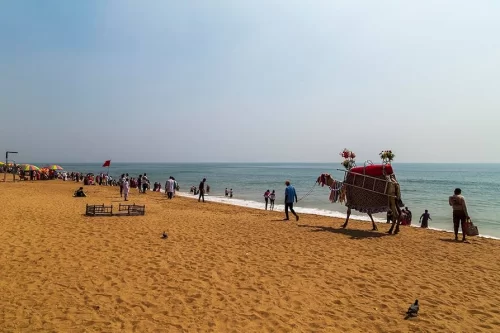
Puri Beach is a prominent golden sand coastline on the Bay of Bengal, recognized as a sacred site for Hindu pilgrims and a major recreational destination.

Shree Jagannath Temple towers at Puri during partly cloudy day, featuring Neelachakra flag, white-red domes, ancient spires, perfect spiritual experience with Odisha Puri tour package. Temple

Shree Jagannatha Temple

The Shri Jagannath Temple is a 12th-century Hindu shrine dedicated to Lord Jagannath, a form of Vishnu, and is one of the four holiest Char Dham pilgrimage sites.

Puri Konark Marine Drive Odisha aerial drone ocean waves golden beach highway palms, scenic coastal road Chilika Lake views, perfect beach drive sunset paradise package.  Beach

Marine Drive Beach, Puri

Marine Drive Beach is a long stretch of coastline along the Bay of Bengal, connecting the pilgrimage city of Puri to the Sun Temple at Konark.

Frequently Asked Questions About Shree Gundicha Temple

Shree Gundicha Temple is located in Puri city in Odisha, India, about 3 kilometers from Shree Jagannatha Temple.
Shree Gundicha Temple is known as the destination of the annual Rath Yatra when Lord Jagannath and siblings stay here for a few days.
The best time to visit Shree Gundicha Temple is from October to March when the weather in Odisha is pleasant for temple visits.
Visitors can reach Shree Gundicha Temple by road or on foot from central Puri, while Bhubaneswar serves as the nearest major airport in Odisha.
There is no mandatory entry fee for general darshan at Shree Gundicha Temple, though donations are accepted.
Shree Gundicha Temple generally opens during daytime hours and remains accessible until evening, with extended access during Rath Yatra.
Shree Gundicha Temple experiences very heavy crowds during Rath Yatra when thousands of devotees gather in Puri.
Around one hour is usually sufficient to complete darshan and explore the temple premises at Shree Gundicha Temple.
Photography and mobile phone usage may be restricted inside certain areas of Shree Gundicha Temple, so visitors should follow local guidelines.
Shree Gundicha Temple is suitable for families, though visitors should be prepared for crowds during major festivals.
Tourists can find hotels and guesthouses in Puri, Odisha, within walking or short driving distance of Shree Gundicha Temple.

Loved this place ? Let’s Plan Your Odisha Trip

Get customized Odisha tour planning designed around temple visit timing, coastal weather patterns, wildlife seasonality, and realistic travel pacing across regions. Whether you are visiting for spiritual journeys, heritage architecture, beach relaxation,

⚡ Quick Response | 💰 Free consultation | 🕒 24×7 expert support

×

Plan Your Trip