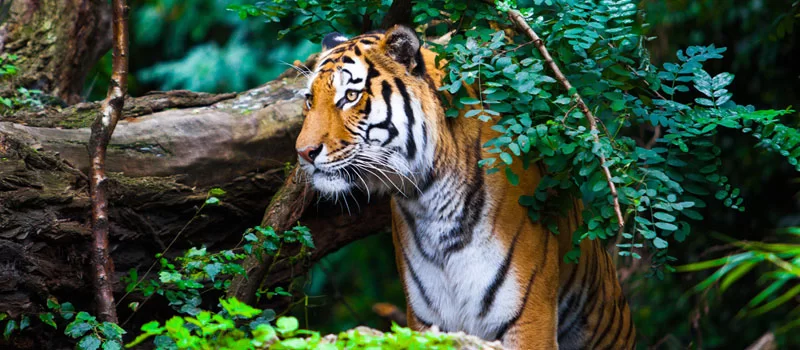
Satkosia Tiger Reserve, Angul and Nayagarh Districts, Odisha, India

Satkosia Tiger Reserve , Satkosia
Visitors come to explore its forest ecosystems, observe wildlife habitats, and experience the scenic Satkosia Gorge where the Mahanadi River flows through the Eastern Ghats. The reserve is known for its biodiversity, riverine landscapes, birdlife, and opportunities for nature-based tourism and wildlife observation.

Quick Facts About Satkosia Tiger Reserve

Satkosia Tiger Reserve Quick Facts

Entry Fee Approximately ?40 per day visitor; additional charges apply for vehicles, cameras, boating, safari activities, and accommodation.
Timings Generally open from 6:00 AM to 5:00 PM for visitors; entry and exit are regulated through designated forest gates.
Altitude (m) Approximately 70–300 m above sea level, varying across the reserve.
Ideal Visit Duration 1–2 days
Best Time of Day Early morning and late afternoon for wildlife viewing and nature activities.
Crowd Level Low to moderate; visitor numbers increase during winter and holiday periods.
Distance from City Centre (km) Approximately 120 km from Bhubaneswar and 60 km from Angul.
Walking Difficulty Easy to Moderate; depends on trekking trails, nature walks, and sightseeing activities.
Parking Available Yes, parking facilities are available at major entry gates and tourist zones.
Last Mile Access Accessible by road through Pampasar, Chhamundia, Kusanga, Tikarpada, and other designated entry points.
Suitable for Kids Yes, with supervision during boating, trekking, and wildlife activities.
Suitable for Seniors Yes; major viewpoints and eco-tourism sites are accessible, though some trails require walking.
Wheelchair Friendly Partially; accessibility varies by nature camp, viewpoint, and forest area.

Why Visit Satkosia Tiger Reserve Odisha

Visitors come to Satkosia Tiger Reserve to experience a diverse wilderness landscape where forests, river gorges, and wildlife habitats combine to create one of Odisha’s most important protected areas.

The atmosphere is natural and secluded, with dense woodlands, the flowing Mahanadi River, and opportunities to observe the region’s rich biodiversity in a relatively undisturbed environment.

What makes Satkosia Tiger Reserve distinct is its dramatic gorge carved by the Mahanadi River, its mix of terrestrial and aquatic ecosystems, and its role in conserving species such as tigers, elephants, crocodiles, and a variety of birdlife.

History of Satkosia Tiger Reserve

Satkosia Tiger Reserve, located along the Mahanadi River in Odisha, derives its name from the spectacular Satkosia Gorge, a seven-kos-long canyon carved by the river through the Eastern Ghats. The region has long been recognized for its rich biodiversity and ecological significance, supporting a wide variety of wildlife and forest ecosystems.

To protect its unique habitats, the area was first designated as a wildlife sanctuary before being incorporated into Project Tiger. In 2007, Satkosia was officially declared a Tiger Reserve through the merger of Satkosia Gorge Wildlife Sanctuary and Baisipalli Wildlife Sanctuary, strengthening conservation efforts in the region.

Today, Satkosia Tiger Reserve is one of Odisha's most important protected areas, safeguarding tigers, elephants, gharials, and numerous other species while preserving a landscape of exceptional ecological and conservation value.

Best Time to Visit Satkosia Tiger Reserve

Satkosia Tiger Reserve is best visited from November to March when the weather is pleasant, wildlife movement is more active around water sources, and conditions are ideal for nature safaris, river activities, and forest exploration.

  • Ideal months: November to March is the most favorable period to visit Satkosia Tiger Reserve, offering comfortable temperatures and excellent conditions for wildlife viewing and eco-tourism activities.
  • Weather conditions during the best season: Cool mornings, pleasant daytime temperatures, and relatively dry forest conditions make it easier to explore the reserve, enjoy boat rides on the Mahanadi River, and observe wildlife and birdlife.
  • Periods to avoid: June to September experiences heavy monsoon rainfall, which can affect forest access, river activities, and wildlife tourism operations. Some eco-tourism zones and activities may have seasonal restrictions during the monsoon. April and May can be quite hot, although wildlife sightings near water sources may increase.

How to Reach Satkosia Tiger Reserve

  • Nearest Airport: Biju Patnaik International Airport, Bhubaneswar, located approximately 140 km from Satkosia Tiger Reserve, is the nearest airport. Visitors can continue the journey by road to the reserve's entry points.
  • Nearest Railway Station: Angul Railway Station, about 65 km away, is the nearest major railway station and serves as the primary rail gateway for visitors to Satkosia.
  • Road Access and Last-Mile Connectivity: Satkosia Tiger Reserve is spread across Angul, Nayagarh, Boudh, and Cuttack districts and is accessible by road from Bhubaneswar, Angul, and Nayagarh. Private vehicles, taxis, and organized safari operators provide access to key tourism zones such as Tikarpada, Chhotkei, and Badmul. The final approach to forest camps, nature trails, and riverfront areas may involve short walks on natural terrain. Entry permits and safari bookings may be required for certain activities within the reserve.

What to Expect When You Visit Satkosia Tiger Reserve

  • Environment and Surroundings: Satkosia Tiger Reserve is a protected forest landscape centered around the spectacular Satkosia Gorge of the Mahanadi River. Visitors can expect dense forests, river valleys, wildlife habitats, scenic viewpoints, and a remote natural environment far removed from urban areas.
  • Facilities and Amenities: Tourist facilities are limited and concentrated around designated eco-tourism zones. Accommodation, guided activities, and basic visitor services are available at select locations, but restaurants, fuel stations, and commercial amenities are sparse within the reserve.
  • Accessibility and Movement: Access is primarily by road through designated entry points. Exploring the reserve may involve jeep safaris, boat rides, nature walks, and travel on forest roads. Certain areas can only be visited with prior permission or authorized guides.
  • Visitor Conditions: Wildlife sightings are never guaranteed and depend on season, timing, and natural animal movement. Visitors are expected to follow forest regulations, remain within permitted zones, and avoid disturbing wildlife. Mobile network coverage may be weak in some areas, and weather conditions can influence access to specific routes and activities.

Important Visitor Information for Satkosia Tiger Reserve

  • Satkosia Tiger Reserve experiences the highest visitor numbers during the wildlife tourism season from October to June, with weekends and public holidays typically attracting more visitors.
  • Early morning and late afternoon hours are generally the best times for wildlife viewing, while midday temperatures can be considerably warmer, especially during summer.
  • Some tourism zones and activities may be restricted during the monsoon season due to heavy rainfall, forest conditions, and safety considerations.
  • No specific dress code applies, but neutral-colored clothing, comfortable footwear, and sun protection are recommended for safaris and outdoor activities.
  • Visitors must follow forest department regulations, remain inside designated tourism zones, avoid disturbing wildlife, and comply with guide and safari instructions at all times.

Photography and Viewpoints at Satkosia Tiger Reserve

  • The Mahanadi River gorge is the reserve's most spectacular photography subject, with viewpoints along the riverbanks offering dramatic compositions of forested hills, rocky cliffs, and the winding river cutting through the Eastern Ghats.
  • Early morning provides the best wildlife photography conditions, with softer light and higher chances of spotting deer, birds, reptiles, and other wildlife near water sources and forest edges.
  • The Tikarpada region offers some of the finest landscape viewpoints, where photographers can capture the expansive Satkosia Gorge and the scenic river corridor from elevated positions.
  • Winter months are particularly rewarding for photography due to clear skies, pleasant weather, migratory bird activity, and improved visibility across the reserve.
  • Photography is generally permitted during safaris, nature walks, and in designated tourism zones, but visitors must follow forest department regulations and avoid disturbing wildlife.
  • Drone photography is prohibited without special authorization, and photography in restricted conservation or core wildlife zones may be limited for ecological and security reasons.
  • Wildlife sightings are unpredictable, so telephoto lenses are especially useful for photographing animals while maintaining a safe and responsible distance.

Near By Attraction

Frequently Asked Questions About Satkosia Tiger Reserve

Loved this place ? Let’s Plan Your Odisha Trip

Get customized Odisha tour planning designed around temple visit timing, coastal weather patterns, wildlife seasonality, and realistic travel pacing across regions. Whether you are visiting for spiritual journeys, heritage architecture, beach relaxation,

⚡ Quick Response | 💰 Free consultation | 🕒 24×7 expert support

×

Plan Your Trip