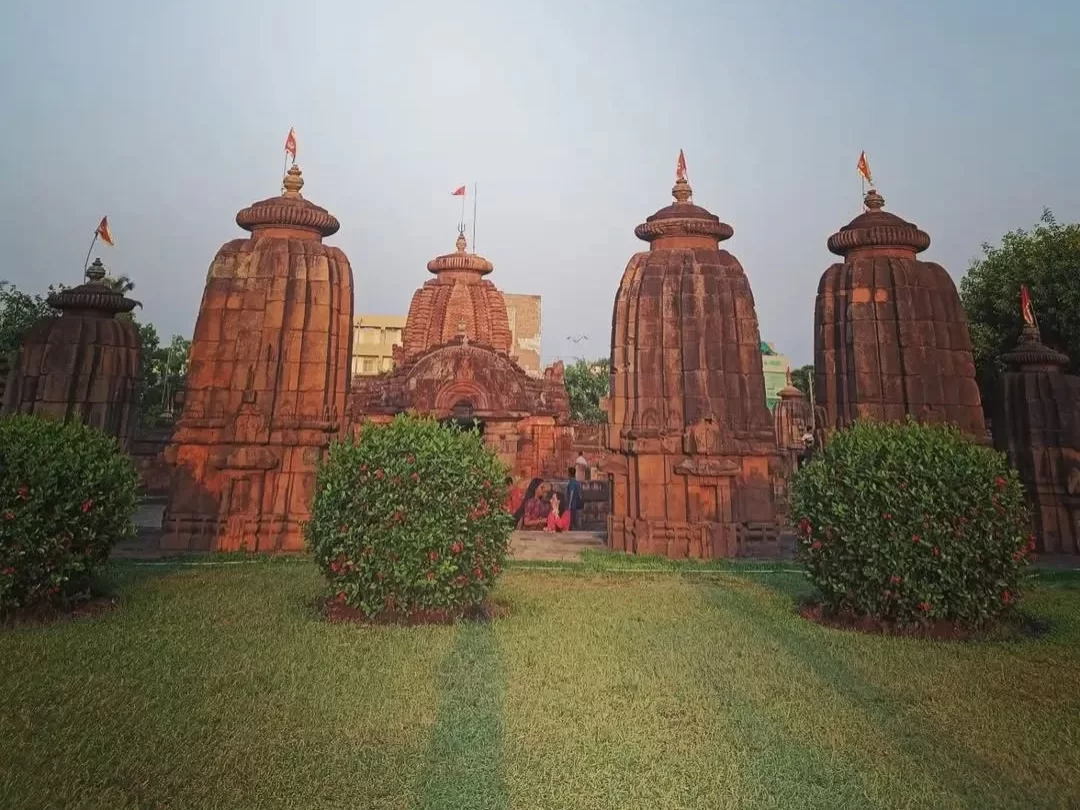
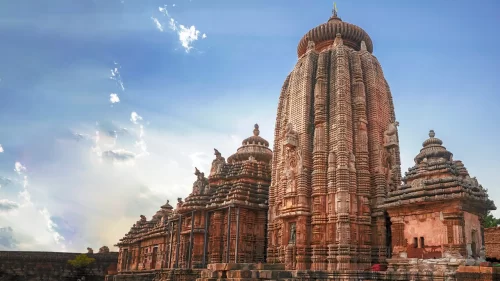
Mukteswara Temple, Bhubaneswar, Odisha, India | History & Visitor Guide

Mukteswara Temple , Bhubaneswar
Visitors prioritize this site to observe the iconic torana a freestanding, highly ornamental arched gateway that marks a unique transition between early and mature Odishan temple design. The complex is a key destination for examining detailed stone reliefs of figures from the Panchatantra, celestial dancers, and meditative ascetics carved into its red sandstone structure.

Quick Facts About Mukteswara Temple

Quick Facts Mukteswara Temple

Entry Fee Free
Timings 06 30 to 19 00 Daily
Altitude m 45 m
Ideal Visit Duration 45 to 60 minutes
Best Time of Day Sunrise for photography or Late Afternoon
Crowd Level Low to Moderate
Distance from City Centre km 3 5 km from Bhubaneswar Railway Station
Walking Difficulty Easy Small compact complex with well maintained garden paths
Parking Available Yes Roadside parking and a small designated area near the entrance
Last Mile Access Easily accessible via auto rickshaw taxi or private vehicle through Old Town
Suitable for Kids Yes Open garden space surrounding the temple
Suitable for Seniors Yes Minimal walking required to view the main structure and Torana
Wheelchair Friendly Partial The garden is accessible but the temple plinth and inner sanctum have steps

Why Visit Mukteswara Temple

Visitors prioritize this 10th-century monument because it is widely regarded as the Gem of Odishan Architecture, marking the critical transition point where Kalinga temple design reached its aesthetic maturity. It is a primary destination for travelers who want to see the perfect culmination of early medieval artistry, distilled into a compact, human-scaled structure that influenced all subsequent major temples in the region, including the Rajarani and Lingaraj.

The atmosphere on the ground is serene and aesthetically focused, characterized by the striking contrast of deep-red sandstone against the lush green temple gardens. Unlike the sprawling, high-traffic pilgrimage centers, the environment here is intimate, allowing travelers to stand inches away from some of the most delicate carvings in India. The experience is defined by a quiet elegance, where the lack of large crowds permits a slow, meditative appreciation of the sculptural details and the play of light through the iconic stone archway.

Mukteswara is distinct for its famous Torana—a magnificent freestanding, semi-circular stone archway decorated with intricate scrolls and reclining female figures that is unique to this site. It stands out for its stylistic departure from earlier temples, featuring a recessed ceiling inside the porch with a detailed lotus motif and exterior walls adorned with a diverse array of motifs, from playful monkeys to celestial dancers, making it a definitive masterclass in ancient sculptural precision.

History and Architectural Significance of Mukteswara Temple

The Mukteswara Temple, constructed around 950 CE during the Somavamshi dynasty, is hailed as the Gem of Odia Architecture. It represents a pivotal transition in the Kalinga school of temple building, marking the shift from the early, austere Shailodbhava style to the highly refined and decorative classical period. Dedicated to Lord Shiva, the name Mukteswara translates to the Lord who bestows salvation, reflecting its historical role as a center for those seeking liberation from the cycle of rebirth.

The temple is architecturally famous for its unique Torana, a magnificent free-standing arched gateway that displays distinct Buddhist influence. This gateway is intricately carved with reclining female figures, floral scrolls, and mythical animals, serving as one of the most photographed landmarks in Odisha. The main shrine features a compact but perfectly proportioned Shikhara (spire) and a Jagamohana (assembly hall) with a pyramidal roof, which became the standard blueprint for later monumental temples like the Lingaraj.

Culturally, the temple serves as a living record of 10th-century religious life, featuring relief sculptures of ascetic monks, various manifestations of Shiva, and scenes from the Panchatantra fables. The complex includes the Marichi Kunda, a sacred tank whose waters are traditionally believed to possess medicinal properties. Every year, the temple provides a historical backdrop for the Mukteswara Dance Festival, where the architectural grandeur of the sandstone carvings complements the performances of classical Odissi dance.

Best Time to Visit Mukteswara Temple

Widely regarded as the "Gem of Odisha Architecture," the Mukteswara Temple is best experienced during the winter months when the soft morning light illuminates the famous arched gateway (Torana) without the glare of the summer sun. Since the temple is a compact site within a shared complex, visiting during the cooler season allows you to spend the necessary time examining the intricate ceiling carvings and the transition from the older Parashurameshvara style to this refined 10th-century masterpiece.
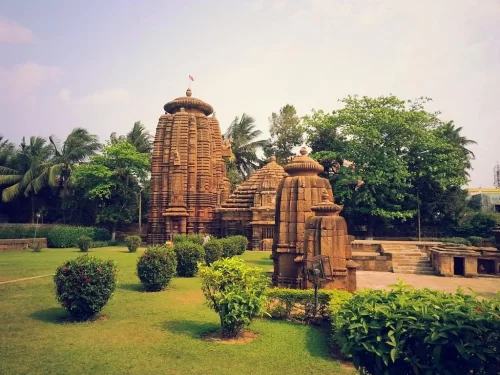
  • Ideal Months: October to March, particularly in January when the temple grounds host the prestigious Mukteswar Dance Festival featuring Odissi performances.
  • Weather Conditions: Crisp, clear days with temperatures ranging from 15°C to 28°C; the low humidity is perfect for navigating the narrow stone platforms and the surrounding Marichi Kunda tank.
  • Periods to Avoid: April to June, when temperatures often spike above 40°C, heating the sandstone surfaces to uncomfortable levels; additionally, the heavy monsoon rains from July to September can make the moss-covered stone steps leading to the tank slippery.

Travel Logistics: How to Reach Mukteswara Temple

  • By Air: Biju Patnaik International Airport (BBI) is the nearest airport, located just 4 km away. Taxis and app-based cabs (Ola/Uber) are available at the terminal, providing a direct 10 to 15-minute commute to the Old Town heritage zone.
  • By Rail: Bhubaneswar Railway Station (BBS) is the closest major railhead, situated approximately 4 km from the temple. Auto-rickshaws and private taxis are readily available at the station's main exit for a quick transit to the temple complex.
  • Road Access: The temple is centrally located in the Old Town area of Bhubaneswar. It is well-connected via the Cuttack-Puri Road and is a prominent stop on the "Ekamra Kshetra" heritage circuit, making it easily accessible by private car or tourist coach.
  • Last-Mile Connectivity: The "Mo Bus" public transit system has frequent stops at the nearby Lingaraj Temple and Kedar Gouri Square. From these stops, the Mukteswara Temple is within a short walking distance (less than 500 meters) or a quick cycle-rickshaw ride.
  • Travel Conditions: The roads within the Old Town are relatively narrow and can become heavily congested during local festivals like Shivratri or Ashokashtami. It is recommended to visit during the early morning hours (6:00 AM – 8:00 AM) to enjoy the architecture in a peaceful environment and avoid peak traffic.

What to Expect When You Visit Mukteswara Temple

  • Environment and Surroundings: Often described as the "gem of Odisha architecture," this 10th-century temple is set within a compact, sunken courtyard that creates a naturally quiet and intimate atmosphere. The site is surrounded by well-manicured gardens and several smaller shrines, including the Siddheswara Temple. Because the temple is built from red sandstone at a lower elevation than the street, it can feel humid, and the stone surfaces become quite hot under the midday sun.
  • Facilities and Amenities: As a protected monument under the Archaeological Survey of India (ASI), facilities within the enclosure are minimal. There is a small ticket counter and basic informational signage. Public restrooms and drinking water are not available inside the temple courtyard itself but can be found in the immediate vicinity of the Old Town tourist hub. Visitors are advised to carry their own hydration and sun protection.
  • Accessibility and Movement: The temple is accessed from the road via a flight of stone stairs leading down into the courtyard. The grounds are paved with flat stone slabs, but some areas around the Marichi Kunda (holy tank) can be slippery or uneven. The famous torana (archway) is easily accessible for photography, but entering the small inner sanctum requires navigating a high stone threshold and a narrow doorway, which is not wheelchair accessible.
  • Typical Visitor Behavior and Conditions: The site is a major draw for architecture enthusiasts and photographers due to its intricate carvings, so expect to see people spending long periods documenting the details. It is an active religious site, and visitors must remove their shoes before stepping onto the temple platforms. The atmosphere is generally respectful and significantly less crowded than the Lingaraj Temple, though school groups are common during weekday mornings.

Important Visitor Information for Mukteswara Temple

  • Crowds and Weather: This 10th-century monument is a major highlight for architecture enthusiasts, resulting in moderate daily foot traffic. The open stone courtyard offers no shade, making the heat and humidity intense from March to June. The most comfortable experience is during the cooler months from October to February, though you should expect large crowds during the Mukteswar Dance Festival in January.
  • Visiting Hours: The temple is open daily from 6:30 AM to 7:00 PM. Arriving at sunrise is essential for photographers to capture the iconic arched Torana without shadows. Early morning visits also allow for a quieter experience before the arrival of large tour groups mid-morning.
  • Dress Code: While there is no formal enforcement, modest attire that covers shoulders and knees is culturally appropriate. You must remove your footwear before stepping onto the temple plinth; during summer, the sandstone becomes extremely hot, so use the provided coir mats to traverse the compound.
  • Safety and Cautions: The carvings are ancient and delicate; please refrain from touching the stone surfaces to prevent erosion from skin oils. The steps near the Marichi Kunda tank can be slippery, especially during the monsoon season (July to September). Be mindful of your belongings near the entrance where street vendors and unofficial guides often congregate.

Photography and Viewpoints at Mukteswara Temple

  • The Iconic Torana (Gateway): The arched gateway is the most photographed element of the temple. Position your camera at a low angle from the courtyard entrance to capture the full curvature of the arch, featuring the reclining female figures and intricate scrolls, ideally with the temple spire (Vimana) centered in the background.
  • Morning Golden Hour: The red sandstone of the temple glows intensely in the early morning light. Arriving between 6:30 AM and 8:30 AM allows the sun to hit the eastern facade directly, illuminating the delicate "diamond-shaped" carvings on the spire without creating the deep, muddy shadows typical of midday.
  • Lattice Window (Jagamohana) Detail: The porch features unique stone windows with diamond-patterned lattices and monkey motifs. To capture the contrast and depth of these carvings, use a mid-range prime lens with side-lighting during the mid-morning, which emphasizes the three-dimensional quality of the stone.
  • The Marichi Kunda (Sacred Tank): Located to the side of the main shrine, this small tank provides an excellent vantage point for reflection photography. On a calm morning, the temple’s tiered roof and Shikhara reflect perfectly in the water; use a circular polarizer to manage surface glare.
  • Ceiling of the Jagamohana: Inside the porch is a remarkably carved eight-petal lotus ceiling. While indoor light is limited, a high-ISO setting and a wide-angle lens are necessary to capture the architectural geometry. Note that photography is generally allowed, but avoid using flash to preserve the stone's natural tone.
  • Photography Rules: As a protected monument under the Archaeological Survey of India (ASI), handheld photography is permitted for tourists. However, the use of professional tripods, drones, or commercial filming equipment requires prior written authorization and a separate permit.
  • Crowd Management: Because the temple is compact and located within a smaller complex, even moderate crowds can obstruct clear architectural shots. Visit on a weekday morning to ensure the courtyard is empty, allowing for unobstructed views of the base moldings and the small subsidiary shrines.

Near By Attraction

Chausath Yogini Temple Morena Madhya Pradesh Tour Package, Mitaoli hilltop 64 yogini shrines circular open-air Kachchhapaghata 11th century Ekattarso Mahadeva Shiva lingams, ideal Madhya Pradesh heritage tour package. Temple

Chausathi Yogini Temple

Chausathi Yogini Temple is a circular 9th-century stone temple located in Hirapur near Bhubaneswar, Odisha, dedicated to the 64 Yogini deities.

Nandankanan Zoological Park iconic entrance with white tiger and Royal Bengal tiger sculptures amid lush greenery, perfect Odisha wildlife safari tour package.  Zoo

Nandankanan Zoological Park

Nandankanan Zoological Park is a major zoological park and wildlife conservation centre located near Bhubaneswar, known for its large animal enclosures and safari zones.

Lingaraj Temple at Bhubaneswar on clear day, featuring main Kalinga spire with Odisha flag, perfect heritage Bhubaneswar tour package. Temple

Lingaraj Temple

Lingaraj Temple is a major 11th-century Hindu temple in Bhubaneswar dedicated to Lord Shiva, known for its towering Kalinga-style architecture.

Frequently Asked Questions About Mukteswara Temple

Mukteswara Temple is located in Bhubaneswar in Odisha, India.
Mukteswara Temple is known for its ornate stone archway and fine Kalinga style temple architecture.
The best time to visit Mukteswara Temple is from October to March when the weather in Odisha is pleasant for sightseeing.
Visitors can reach Mukteswara Temple by road from different parts of Bhubaneswar, which has the nearest major airport and railway station in Odisha.
Yes, Mukteswara Temple charges a nominal entry fee as it is maintained by the Archaeological Survey of India.
Mukteswara Temple is generally open from morning until evening and remains accessible throughout the day.
Around one hour is usually sufficient to explore the temple structure and surrounding garden area at Mukteswara Temple.
Mukteswara Temple is highly suitable for photography due to its detailed carvings and well preserved architecture.
Official guides may not always be available at Mukteswara Temple, but visitors can arrange licensed guides in Bhubaneswar if required.
Mukteswara Temple is suitable for families as it offers open space and manageable walking access.
Tourists can find hotels and guesthouses in Bhubaneswar, Odisha, within a short driving distance of Mukteswara Temple.

Loved this place ? Let’s Plan Your Odisha Trip

Get customized Odisha tour planning designed around temple visit timing, coastal weather patterns, wildlife seasonality, and realistic travel pacing across regions. Whether you are visiting for spiritual journeys, heritage architecture, beach relaxation,

⚡ Quick Response | 💰 Free consultation | 🕒 24×7 expert support

×

Plan Your Trip