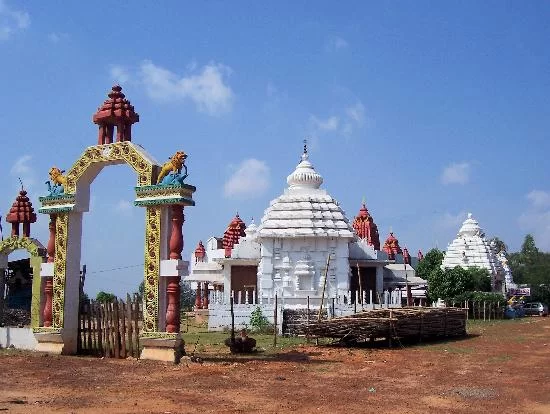
Mausi Maa Temple, Puri, Odisha, India

Mausi Maa Temple , Puri
Visitors come to explore its religious significance within the Jagannath tradition and witness its important role during the annual Rath Yatra, when the deities of Lord Jagannath, Balabhadra, and Subhadra stop here on their return journey. The temple is an integral part of Puri’s pilgrimage circuit and local religious heritage.

Quick Facts About Mausi Maa Temple

Mausi Maa Temple Quick Facts

Entry Fee No entry fee
Timings Generally open from 6:00 AM to 8:00 PM; timings may vary during festivals and special rituals.
Altitude (m) Approximately 6 m above sea level
Ideal Visit Duration 20–45 minutes
Best Time of Day Morning for peaceful darshan and fewer visitors.
Crowd Level Moderate; very high during the annual Rath Yatra when Lord Jagannath's chariot halts here.
Distance from City Centre (km) Approximately 2 km from Puri city centre and about 1 km from Shri Jagannath Temple.
Walking Difficulty Easy
Parking Available Limited parking available nearby; availability may be restricted during festivals and Rath Yatra.
Last Mile Access Direct road access via Grand Road (Bada Danda) followed by a short walk to the temple entrance.
Suitable for Kids Yes
Suitable for Seniors Yes
Wheelchair Friendly Partially; the temple premises are relatively accessible, though some sections may have steps.

Why Visit Mausi Maa Temple Puri

Visitors come to Mausi Maa Temple to pay homage to Goddess Ardhasini and experience a significant shrine closely associated with the traditions of Lord Jagannath in Puri.

The atmosphere is devotional and culturally rich, with devotees visiting the temple throughout the year and particularly during the famous Rath Yatra festivities.

What makes Mausi Maa Temple distinct is its important role in the Rath Yatra, when Lord Jagannath is traditionally believed to visit his aunt’s home, making the temple an integral part of Puri’s religious heritage and ritual practices.

History of Mausi Maa Temple

Mausi Maa Temple, located in Puri, Odisha, is dedicated to Goddess Ardhasini, who is revered as the maternal aunt ("Mausi Maa") of Lord Jagannath. The temple occupies a special place in the religious traditions of Puri and is closely connected with the annual Rath Yatra festival.

According to local tradition, Lord Jagannath, along with Lord Balabhadra and Goddess Subhadra, visits the temple during the return journey of the Rath Yatra, known as Bahuda Yatra. It is here that the deities are traditionally offered Poda Pitha, a distinctive baked delicacy that forms an important part of the ritual observances.

For centuries, Mausi Maa Temple has remained an integral component of Puri's sacred landscape, reflecting the unique customs and devotional traditions associated with Lord Jagannath. Today, it continues to attract pilgrims interested in the cultural and religious heritage of the Jagannath tradition.

Best Time to Visit Mausi Maa Temple

Mausi Maa Temple in Puri is best visited from October to March when the weather is pleasant and comfortable for temple visits, sightseeing, and exploring nearby religious and coastal attractions.
  • Ideal months: October to March is the most favorable period to visit Mausi Maa Temple, offering comfortable temperatures and enjoyable conditions for pilgrimage and sightseeing.
  • Weather conditions during the best season: Cool mornings, mild afternoons, and lower humidity make it convenient to visit the temple, participate in religious activities, and explore the surrounding areas of Puri.
  • Periods to avoid: April to June can be hot and humid, making daytime visits less comfortable. During the monsoon season from June to September, heavy rainfall may affect outdoor movement. The Rath Yatra period attracts exceptionally large crowds, leading to increased waiting times and congestion around the temple area.

How to Reach Mausi Maa Temple

  • Nearest Airport: Biju Patnaik International Airport, Bhubaneswar, located approximately 60 km from Mausi Maa Temple, is the nearest airport. Taxis, app-based cabs, and rental vehicles are readily available for travel to Puri.
  • Nearest Railway Station: Puri Railway Station, about 2 km away, is the nearest railway station and offers regular connectivity to major cities across India.
  • Road Access and Last-Mile Connectivity: Mausi Maa Temple is located on Grand Road (Bada Danda) in Puri, between Shri Jagannath Temple and Gundicha Temple. Visitors can reach the temple by private vehicle, taxi, auto-rickshaw, cycle-rickshaw, or local transport. The final approach is fully motorable, though traffic restrictions may be in place during Rath Yatra and major religious festivals. A short walk may be required from nearby parking areas during peak pilgrimage periods.

What to Expect When You Visit Mausi Maa Temple

  • Environment and Surroundings: Mausi Maa Temple is a revered Hindu shrine in Puri associated with Lord Jagannath and the annual Rath Yatra. The temple is situated along the Grand Road (Bada Danda), surrounded by traditional neighborhoods, pilgrimage routes, and a distinctly devotional atmosphere.
  • Facilities and Amenities: Basic visitor amenities such as shoe storage areas, drinking water points, and shops selling prasad and religious offerings are available near the temple. Additional restaurants, accommodation options, and tourist services can be found throughout Puri.
  • Accessibility and Movement: The temple is easily accessible by road and can be reached on foot from many of Puri's major religious landmarks. Visitors should expect walking through busy pilgrimage areas, particularly during festival periods.
  • Visitor Conditions: The temple receives regular devotees throughout the year and plays a significant role during the Rath Yatra, when Lord Jagannath's chariot procession halts here. Crowd levels increase substantially during religious festivals, resulting in busier surroundings and longer waiting times for darshan.

Important Visitor Information for Mausi Maa Temple

  • Mausi Maa Temple experiences the highest devotee footfall during Rath Yatra, Bahuda Yatra, major Hindu festivals, and weekends, when large numbers of pilgrims visit the shrine.
  • Early morning hours generally offer a quieter atmosphere for darshan, while festival days and evening periods tend to attract larger crowds.
  • The temple remains accessible throughout the year, though summer weather can be hot and humid, and monsoon rains may occasionally affect local travel conditions.
  • Modest attire is recommended within the temple premises, and footwear must be removed before entering the sacred areas.
  • Visitors should follow temple customs, respect ongoing rituals, maintain orderly queues during peak periods, and keep personal belongings secure during major religious gatherings.

Photography and Viewpoints at Mausi Maa Temple

  • The best photographs are captured from the temple forecourt and entrance area, where the traditional Odia temple architecture, decorative gateway, and surrounding pilgrimage atmosphere can be framed together.
  • Early morning provides soft natural light and relatively fewer visitors, making it ideal for photographing the temple exterior and architectural details.
  • The temple's location along the Grand Road (Bada Danda) offers opportunities to capture the shrine within the broader religious landscape of Puri, particularly during festive periods.
  • The carved entrance, temple spire, and religious motifs are best photographed during daylight hours when details and textures are clearly visible.
  • Photography is generally permitted in the exterior sections of the temple complex, but photography inside the sanctum and during religious rituals may be restricted. Visitors should follow directions issued by temple authorities.
  • The temple becomes especially significant during the annual Rath Yatra when the chariots of Lord Jagannath, Balabhadra, and Subhadra halt here, creating unique cultural photography opportunities.
  • Rath Yatra, major festivals, and weekends attract large crowds, which can affect access to photography locations and movement around the temple premises.

Near By Attraction

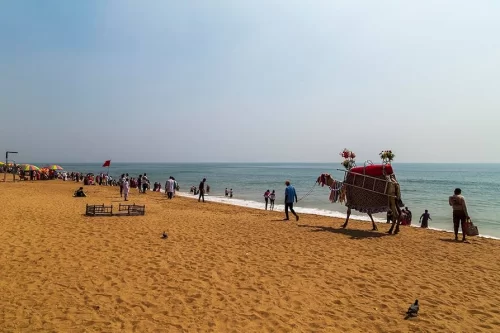
Swargadwar Beach Beach

Swargadwar Beach

Swargadwar Beach is a prominent beachfront area located along the Bay of Bengal in Puri, Odisha, adjacent to the sacred Swargadwar cremation ghat.
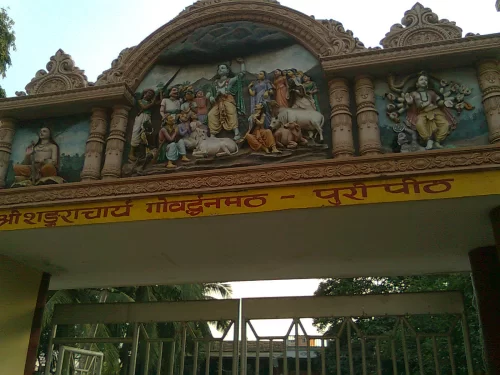
Govardhan Math Temple

Govardhan Math

Govardhan Math is a historic Hindu monastic institution located in Puri, Odisha, established by Adi Shankaracharya as one of the four principal Mathas (monasteries) founded to promote Advaita Vedanta across India.
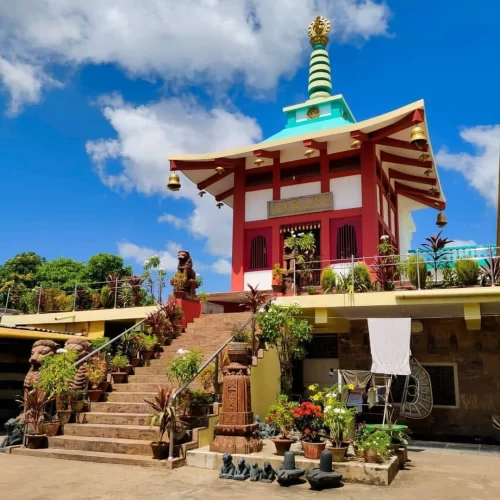
Sudarsan Crafts Museum Museum

Sudarsan Crafts Museum

Sudarshan Crafts Museum is a cultural museum and artisan workshop located in Puri, Odisha, established by renowned sculptor Sudarshan Sahoo to preserve and promote traditional Odishan arts and crafts.

Frequently Asked Questions About Mausi Maa Temple

Loved this place ? Let’s Plan Your Odisha Trip

Get customized Odisha tour planning designed around temple visit timing, coastal weather patterns, wildlife seasonality, and realistic travel pacing across regions. Whether you are visiting for spiritual journeys, heritage architecture, beach relaxation,

⚡ Quick Response | 💰 Free consultation | 🕒 24×7 expert support

×

Plan Your Trip