+91 9910402252
admin@chalbanjare.com


| Entry Fee | Free (Boating and sanctuary entry fees vary by location and operator) |
| Timings | 06:00 – 18:00 (Boating is generally restricted after sunset) |
| Altitude (m) | 0 m |
| Ideal Visit Duration | 4 – 6 hours |
| Best Time of Day | Early Morning (06:00 – 09:00) for bird watching and dolphin spotting |
| Crowd Level | Moderate (High at Satapada and Barkul during winter months) |
| Distance from City Centre (km) | 105 km from Bhubaneswar (to Satapada or Barkul) |
| Walking Difficulty | Easy (Minimal walking; primarily boat-based exploration) |
| Parking Available | Yes (Designated parking at OTDC Barkul, Rambha, and Satapada jetties) |
| Last Mile Access | Accessible via private taxi, OTDC buses, or train to Balugaon station |
| Suitable for Kids | Yes |
| Suitable for Seniors | Yes (Requires caution while boarding and disembarking boats) |
| Wheelchair Friendly | Limited (Jetties and boat access are not fully optimized for wheelchairs) |
Visitors travel to this vast brackish water lagoon to explore Asia’s largest coastal wetland and a premier destination for birdwatching and wildlife photography. It is a critical stop for nature enthusiasts seeking to witness the annual migration of over a million birds from as far as Siberia, while providing one of the few places in the world where you can reliably spot the endangered Irrawaddy dolphin in its natural habitat.
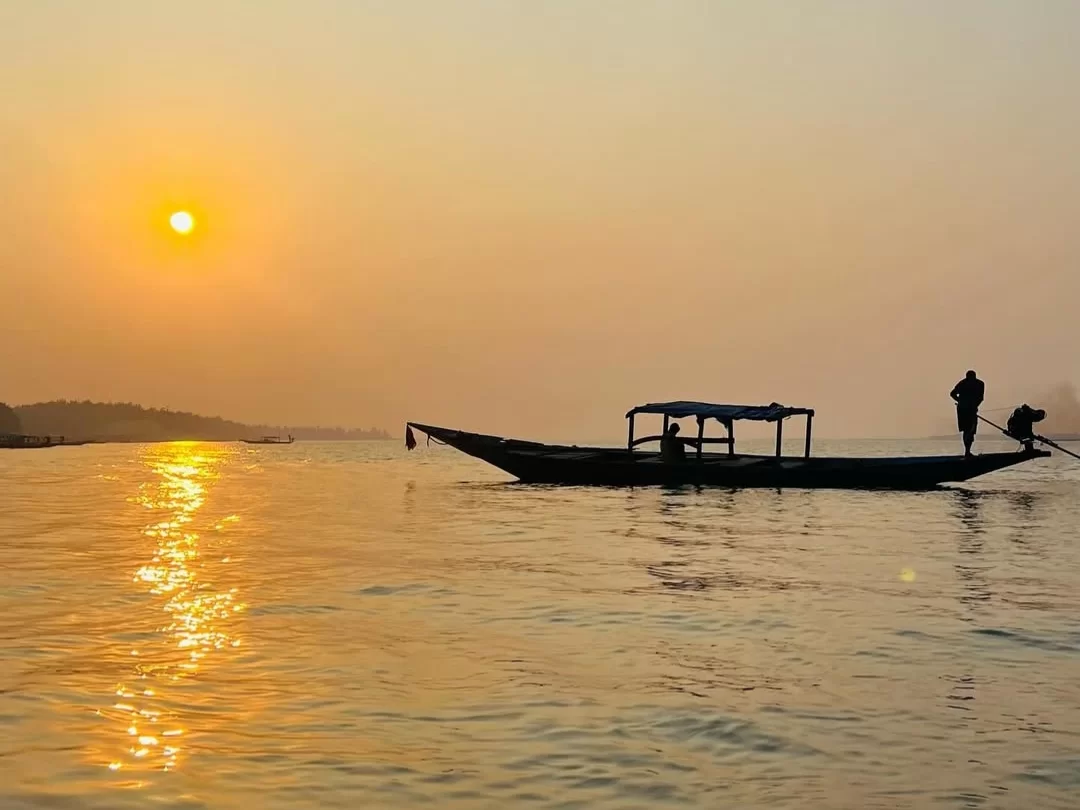
The atmosphere on the ground is expansive and serene, defined by the rhythmic sound of long-tail wooden boats cutting through shallow waters and the distant calls of migratory flocks. Navigating the lagoon from hubs like Satapada or Rambha, travelers experience a shifting landscape of open water, secluded marshes, and quiet fishing villages where the pace of life is dictated entirely by the tides and the seasonal movement of the birds.
Chilika Lake is distinct for its unique estuarine ecosystem, where the mixing of fresh river water and salty seawater creates a biodiversity hotspot unlike any other in India. It stands out for its variety of specialized island destinations, such as the Nalabana Bird Sanctuary and the architectural anomaly of the British-era Breakfast Island, offering travelers a multifaceted experience that combines maritime exploration with conservation-focused ecotourism.
Chilika Lake, Asia's largest brackish water lagoon and India's first Ramsar site, is a vast estuarine ecosystem that has served as a pivotal maritime center since antiquity. Historical records and archaeological findings of ancient anchors suggest the lagoon was a major harbor for Kalingan traders sailing to Southeast Asian ports in Java and Sumatra. Its unique hydrological character, formed by the meeting of freshwater from the Daya and Bhargavi rivers with the salt water of the Bay of Bengal, has shaped the region's history as a strategic coastal stronghold.
The cultural landscape of Chilika is anchored by the Kalijai Temple, situated on an island and dedicated to the Goddess Kalijai, the patron deity of the local fishing communities and sailors. The lake also holds deep religious significance for the Jagannath cult; during historical periods of external invasion, the deities from the Puri Jagannath Temple were frequently moved to secret shelters on Chilika’s secluded islands, such as Gurubai and Kankanashikhari, for protection.
Experience-wise, the lake is globally recognized for its biodiversity, serving as the largest wintering ground for migratory birds on the Indian subcontinent, hosting species from the Caspian Sea and Lake Baikal. It is also one of the few places in the world where the endangered Irrawaddy dolphin can be observed in its natural habitat, particularly near Satapada. The traditional "Nolia" fishing methods and the seasonal harvest of Chilika crabs and prawns remain central to the local economy and the authentic culinary heritage of the area.
Visiting Chilika Lake, Asia's largest brackish water lagoon, is most rewarding during the winter months when the arrival of over a million migratory birds transforms the ecosystem into a global birdwatching hotspot. Because the lake covers over 1,100 square kilometers, choosing the right season is critical for navigating the waters safely and ensuring visibility of the elusive Irrawaddy dolphins near the Satapada region.
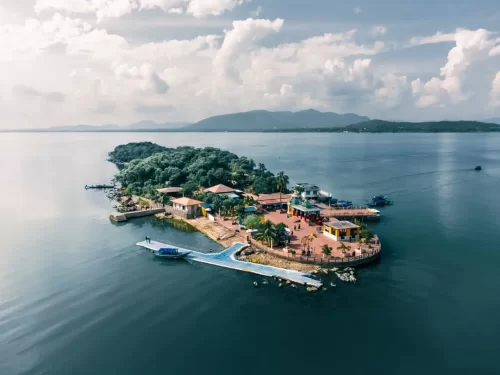 Temple
Kalijai Temple is a revered Hindu temple dedicated to Goddess Kalijai, situated on an island within Chilika Lake in Odisha.
Get customized Odisha tour planning designed around temple visit timing, coastal weather patterns, wildlife seasonality, and realistic travel pacing across regions. Whether you are visiting for spiritual journeys, heritage architecture, beach relaxation,
⚡ Quick Response | 💰 Free consultation | 🕒 24×7 expert support

