Atharanala Bridge Puri – Historic 18-Arch Stone Bridge Near Jagannath Temple

Atharanala Bridge , Puri
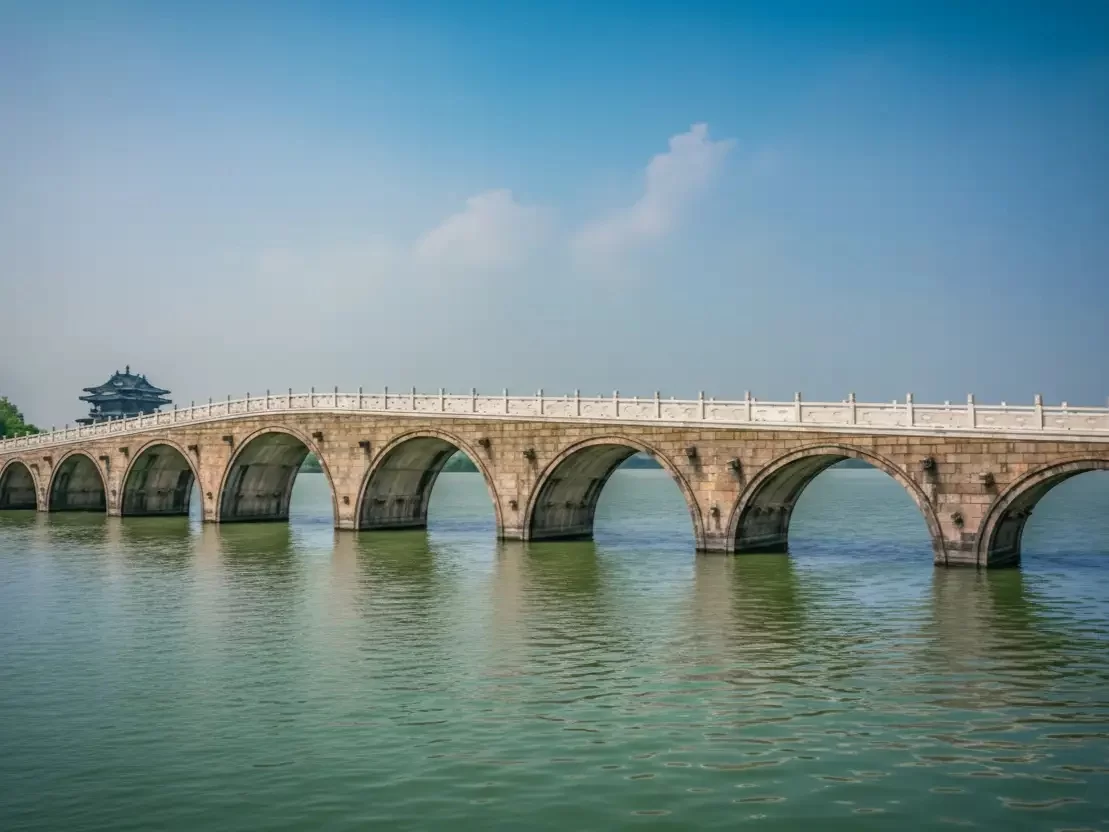
Atharanala Bridge is one of the most iconic heritage structures in Puri, Odisha, located near the entrance route leading towards the Shri Jagannath Temple. The name “Atharanala” literally means “18 streams/arches,” and the bridge is well known for its impressive 18-arch design built in traditional stone construction style. Historically, it served as an important passage for pilgrims and travelers entering the holy city of Puri. Today, Atharanala Bridge is admired for its architectural beauty, cultural value, and historical importance, making it a must-visit spot for tourists who love heritage monuments and photography. It is also a great place to understand the old infrastructure and temple-town planning of Puri.

Quick Facts About Atharanala Bridge

Entry Fee Free
Timings 24 hours
Altitude (m) 10
Ideal Visit Duration (hrs) 0.5
Best Time of Day Morning / Evening
Crowd Level Moderate / High
Distance from City Centre (km) 2
Walking Difficulty Easy
Parking Available Yes
Last Mile Access Road
Suitable for Kids Yes
Suitable for Seniors Yes
Wheelchair Friendly No

Why Visit Atharanala Bridge

Why Visit: Atharanala Bridge is one of the most important historical landmarks in Puri, Odisha, known for its unique 18-arch stone structure. It is not just a bridge but a symbol of Puri’s heritage and temple-town history. Visiting this place gives travelers a chance to explore an architectural marvel that once served as a major entry route for pilgrims coming to the sacred Shri Jagannath Temple.

Atmosphere: The atmosphere around Atharanala Bridge feels culturally rich and traditionally local. Since it is located close to the pilgrimage route, the area often remains active with locals, devotees, and tourists moving towards the temple zone. The surroundings reflect the authentic daily life of Puri, making it a good place to experience the spiritual vibe of the city beyond the beaches and temples.

What Makes it Special: What makes Atharanala Bridge special is its historic construction featuring 18 arches, which is rare and unique in Odisha. The bridge is believed to have been built centuries ago using traditional stone techniques, making it an excellent example of old Indian engineering. Its location near the Jagannath Temple route, along with its heritage value and photogenic design, makes it a must-visit spot for history lovers, architecture enthusiasts, and cultural travelers visiting Puri.

History of Atharanala Bridge

Atharanala Bridge is one of the oldest and most iconic heritage structures in Puri, Odisha, known for its unique design featuring 18 stone arches. The name “Atharanala” comes from the Odia words meaning “eighteen streams/arches,” highlighting the bridge’s distinctive architectural identity. This historic bridge has long been an important part of Puri’s traditional road network and played a key role in connecting the holy city with nearby regions.

The bridge is believed to have been constructed during the period of the Gajapati rulers of Odisha, who were known for developing temple towns, roads, and pilgrimage infrastructure. Atharanala served as a main entry route for pilgrims and travelers visiting the sacred Shri Jagannath Temple, making it an important structure in the development of Puri as a major religious destination.

Over centuries, Atharanala Bridge remained a significant landmark because it supported the movement of devotees, temple processions, and local trade routes. Its strong stone construction reflects the advanced engineering skills of Odisha’s ancient builders. Even today, the bridge is respected as a cultural and historical monument, representing the heritage planning and architectural brilliance of old Puri.

Best Time to Visit Atharanala Bridge

The best time to visit Atharanala Bridge is from October to March, when the weather in Puri remains pleasant, cool, and ideal for walking and sightseeing. During this season, visitors can comfortably explore the bridge and nearby heritage areas without facing extreme heat or humidity. Since Atharanala Bridge is an open-air historical structure, winter months provide the best experience for photography and cultural exploration.

Atharanala Bridge can also be visited during the pilgrimage season, especially when tourists come to Puri for the Jagannath Temple darshan. However, during major festivals like Rath Yatra, the city becomes heavily crowded, and traffic movement near the temple route may be restricted, so visitors should plan accordingly.
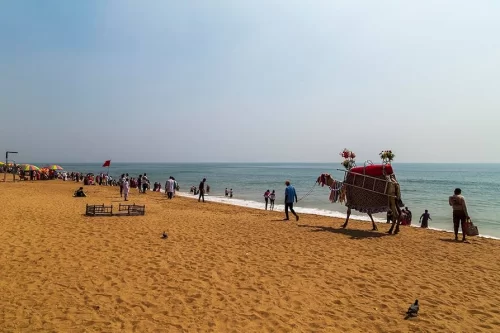
  • Winter (October to March): Best time for sightseeing, comfortable weather, and clear photography.
  • Monsoon (July to September): The area looks fresh, but rain may cause slippery surfaces and travel inconvenience.
  • Summer (April to June): Hot and humid; best visited only in early morning or late evening.
  • Festival Season: Rath Yatra and major Jagannath festivals bring heavy crowds, but the cultural vibe is at its peak.
  • Best Time of Day: Morning and late afternoon are ideal for fewer crowds, better light, and peaceful exploration.

How to Reach Atharanala Bridge

  • Location: Atharanala Bridge is located in Puri, Odisha, near the main road leading towards the Shri Jagannath Temple. It is easily accessible from all major parts of the city.
  • By Air: The nearest airport is Biju Patnaik International Airport, Bhubaneswar (approx. 60 km). From the airport, visitors can hire a taxi or take a bus to reach Puri. After reaching Puri, Atharanala Bridge can be visited by local transport within minutes.
  • By Train: The nearest railway station is Puri Railway Station (approx. 3–4 km). Puri station is well-connected with major Indian cities such as Kolkata, Bhubaneswar, Chennai, Delhi, and Visakhapatnam. From the station, autos and taxis are easily available.
  • By Road: Puri is well-connected by road with Bhubaneswar, Konark, and Cuttack. Regular government and private buses operate from Bhubaneswar to Puri. Atharanala Bridge is located on a major city route and is easy to reach by car or taxi.
  • From Jagannath Temple: Atharanala Bridge is located around 1.5–2 km from the Jagannath Temple area and can be reached in about 10–15 minutes by auto-rickshaw.
  • Local Transport: Auto-rickshaws, cycle rickshaws, taxis, and local buses are easily available from anywhere in Puri to reach Atharanala Bridge.
  • Last Mile Access: The bridge is located directly along the main road and requires only a short walk from the roadside, making it convenient for all types of visitors.

What to Expect When You Visit Atharanala Bridge

  • See one of the most famous heritage structures of Puri, known for its unique 18-arch stone bridge design.
  • Experience a quick yet meaningful stop while exploring the cultural and historical landmarks near the Jagannath Temple route.
  • Observe traditional stone construction and old architectural engineering that reflects Odisha’s historical infrastructure development.
  • Enjoy a peaceful heritage sightseeing moment, especially in the morning hours when the area is less crowded.
  • Get a chance to capture authentic photographs of the bridge’s arches, stone structure, and the old-city surroundings.
  • Expect a lively local atmosphere, as the bridge is located on a commonly used route with regular movement of pilgrims, locals, and tourists.
  • Spend around 15–30 minutes exploring the bridge, taking photos, and learning about its historical importance.
  • Find small local shops and roadside stalls nearby, offering snacks, local items, and religious essentials.
  • During festival seasons, especially around Jagannath Temple events, expect heavier crowds and traffic in the surrounding area.
  • Overall, it is an easy-to-visit landmark suitable for families, senior citizens, and tourists interested in heritage and architecture.

Important Visitor Information for Atharanala Bridge

  • Crowd & Weather Notes: Atharanala Bridge is usually moderately crowded as it lies on a busy route in Puri. During peak pilgrimage months and major festivals like Rath Yatra, the area becomes highly crowded with heavy traffic movement. Winter season (October to March) is the most comfortable time to visit due to pleasant weather.
  • Peak / Quiet Hours: Peak hours are generally 8:00 AM – 11:00 AM and 5:00 PM – 8:00 PM, when pilgrims and tourists move towards the Jagannath Temple area. Quiet hours are early morning and afternoon, making it the best time for peaceful sightseeing and photography.
  • Dress Code: There is no strict dress code as it is an outdoor heritage spot, but since it is close to the Jagannath Temple route, modest and respectful clothing is recommended. Traditional attire is preferred if you are visiting nearby religious sites.
  • Safety Notes: The bridge is located on a public road, so visitors should be careful of moving vehicles and traffic while exploring. Avoid standing in the middle of the road for photos. Keep personal belongings secure in crowded times and stay alert during festival days.
  • Walking & Surface Tip: The stone surface may be uneven in some parts, so comfortable footwear is recommended, especially for senior citizens.
  • Photography Tip: Photography is allowed, but it is best to click pictures from safe roadside points and avoid blocking local traffic or pedestrian movement.
  • Travel Tip: Combine this visit with nearby attractions like Jagannath Temple, Gundicha Temple, and Puri Beach for a complete city sightseeing experience.

Photography and Viewpoint at Atharanala Bridge

  • Heritage Photography Spot: Atharanala Bridge is an excellent place for heritage photography because of its unique 18-arch stone structure, which makes it one of the most photogenic historical landmarks in Puri.
  • Best Photography Angles: The best photos can be captured from the side view where multiple arches are visible in a line. Wide-angle shots work well to highlight the length and symmetry of the bridge.
  • Best Time for Photography: Morning hours (7:00 AM – 9:00 AM) and late afternoon (4:30 PM – 6:00 PM) provide soft natural light, making the stone texture and arches look more detailed and visually appealing.
  • Local Culture Frames: Visitors can capture authentic city-life moments here, such as pilgrims walking towards the Jagannath Temple route, local vendors, and traditional Puri street scenes, giving photos a strong cultural feel.
  • Viewpoint Experience: While Atharanala Bridge is not a hill viewpoint, it offers a unique perspective of Puri’s old-town landscape and historic road planning. The view of the arches and surrounding city movement gives a strong heritage-tourism experience.
  • Monsoon Beauty: During monsoon season, the surroundings appear greener and fresher, which adds natural beauty to photography, though the area may be slippery after rain.
  • Photography Restrictions: There are no major restrictions for photography since it is an open public heritage site. However, visitors should avoid disturbing traffic or local movement while taking pictures.
  • Safety Tip for Photographers: Since the bridge is on a busy route, always click photos from safe points and avoid stepping onto the road or blocking vehicles for better safety.
  • Recommended Photography Style: Wide shots, symmetry-focused images, and close-ups of the stone arches are the best ways to capture the historical beauty of Atharanala Bridge.

Near By Attraction

Puri Beach Odisha golden sands sunset with traditional Patachitra painted Jagannath Balabhadra Subhadra idols - iconic large eyes red-black faces, colorful Odia folk art figurines against Bay of Bengal waves, perfect Rath Yatra spiritual India tour packag Beach

Puri Beach

Puri Beach is a prominent golden sand coastline on the Bay of Bengal, recognized as a sacred site for Hindu pilgrims and a major recreational destination.

Shree Jagannath Temple towers at Puri during partly cloudy day, featuring Neelachakra flag, white-red domes, ancient spires, perfect spiritual experience with Odisha Puri tour package. Temple

Shree Jagannatha Temple

The Shri Jagannath Temple is a 12th-century Hindu shrine dedicated to Lord Jagannath, a form of Vishnu, and is one of the four holiest Char Dham pilgrimage sites.

Puri Konark Marine Drive Odisha aerial drone ocean waves golden beach highway palms, scenic coastal road Chilika Lake views, perfect beach drive sunset paradise package.  Beach

Marine Drive Beach, Puri

Marine Drive Beach is a long stretch of coastline along the Bay of Bengal, connecting the pilgrimage city of Puri to the Sun Temple at Konark.

Frequently Asked Questions About Atharanala Bridge

Atharanala Bridge is located at the entrance of Puri city in Odisha, India.
Atharanala Bridge is known for its historic eighteen arched structure built during the medieval period.
The best time to visit Atharanala Bridge is from October to March when the weather in Odisha is pleasant for sightseeing.
Visitors can reach Atharanala Bridge by road while entering Puri, with Bhubaneswar serving as the nearest major airport and railway station in Odisha.
There is no entry fee to visit Atharanala Bridge as it is a public heritage structure.
Atharanala Bridge can be viewed at any time of the day, though daytime visits are recommended for better visibility.
Around thirty minutes to one hour is sufficient to stop and view Atharanala Bridge.
Atharanala Bridge is suitable for photography due to its historic arches and surrounding views.
Official guides are not usually available at Atharanala Bridge, and visitors typically explore independently.
Atharanala Bridge is suitable for families as it can be visited briefly while entering or leaving Puri.
Tourists can find hotels and guesthouses in Puri, Odisha, within a short driving distance of Atharanala Bridge.

Loved this place ? Let’s Plan Your Odisha Trip

Get customized Odisha tour planning designed around temple visit timing, coastal weather patterns, wildlife seasonality, and realistic travel pacing across regions. Whether you are visiting for spiritual journeys, heritage architecture, beach relaxation,

⚡ Quick Response | 💰 Free consultation | 🕒 24×7 expert support

×

Plan Your Trip