Quick Facts About Tyrshi Falls
| Entry Fee | Free |
| Timings | 08:00 - 17:00 |
| Altitude (m) | 1300 |
| Ideal Visit Duration (hrs) | 2 |
| Best Time of Day | Morning |
| Crowd Level | Moderate |
| Distance from Jowai (km) | 15 |
| Walking Difficulty | Moderate |
| Parking Available | Yes |
| Last Mile Access | Walk |
| Suitable for Kids | Yes |
| Suitable for Seniors | Yes |
| Wheelchair Friendly | No |
Why Visit Tyrshi Falls, Meghalaya
Atmosphere: Tyrshi Falls offers a serene and tranquil environment away from the bustle of urban life. The sound of cascading water, the surrounding lush greenery, and the scenic paddy fields create a calming atmosphere perfect for relaxation, meditation, and nature walks.
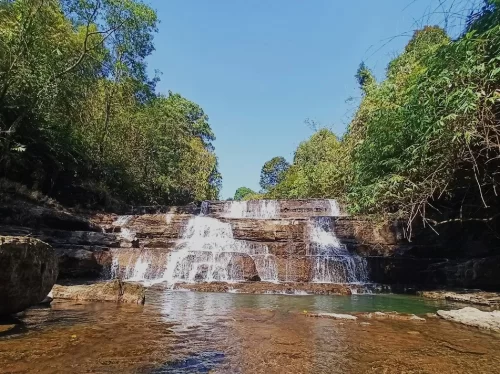
What Makes it Special: Tyrshi Falls is a lesser-known gem in Meghalaya, often referred to as Jowai’s hidden waterfall. Its wide, segmented cascade and the natural arch bridge nearby provide stunning photo opportunities. The combination of the waterfall, terraced paddy fields, and panoramic valley views makes it a unique destination for nature lovers, photographers, and travelers seeking offbeat experiences in Northeast India.
About Tyrshi Falls, Meghalaya
Tyrshi Falls is a natural waterfall formed by the cascading streams of the West Jaintia Hills. Unlike many heritage sites, it does not have a recorded historical or religious significance, but it holds local importance as a scenic natural landmark. The falls have become a favored spot for picnics, photography, and nature excursions, offering visitors a glimpse of Meghalaya’s lush landscapes and serene rural environment. The site reflects the unspoiled natural beauty and tranquil charm typical of the region’s waterfalls.
Best Time to Visit Tyrshi Falls, Meghalaya
The ideal time to visit Tyrshi Falls is during the dry, cooler months when the weather is pleasant and walking around the site is comfortable. Seasonal variations influence both the flow of the waterfall and the surrounding scenery, making certain periods better suited for photography, sightseeing, and outdoor activities.
- October to March: Best months to visit with mild temperatures and clear skies. Waterfall is scenic and paths are easy to navigate.
- April to June: Warm weather; mornings and late afternoons are recommended for comfort and optimal lighting.
- July to September: Monsoon season; heavy rainfall can make the paths slippery, but the surrounding greenery is lush and vibrant.
- Early Morning Visits: Quieter hours, soft natural light ideal for photography and enjoying the peaceful atmosphere.
- Late Afternoon Visits: Cooler temperatures and golden-hour light enhance the scenic beauty of the falls and valley views.
How to Reach Tyrshi Falls, Meghalaya
- By Air: The nearest airport is Shillong Airport (Umroi Airport), approximately 75 km from Tyrshi Falls. From the airport, travelers can hire a taxi or cab to reach the waterfall.
- By Train: There is no railway station in the immediate vicinity. The nearest major railway station is Guwahati Railway Station, about 160 km away. From Guwahati, visitors can take a taxi or bus to Shillong, then continue by road to Tyrshi Falls.
- By Road: Tyrshi Falls is accessible via the Shillong–Jowai Road. Private taxis, rental cars, or shared cabs from Jowai (approximately 15 km) or Shillong (about 75 km) are the most convenient options. The drive passes through scenic hills and rural landscapes of Meghalaya.
- Local Access: From parking areas, a short walk along paved and dirt paths leads to the waterfall viewpoints. Comfortable footwear is recommended for this walk.
What to Expect When You Visit Tyrshi Falls, Meghalaya
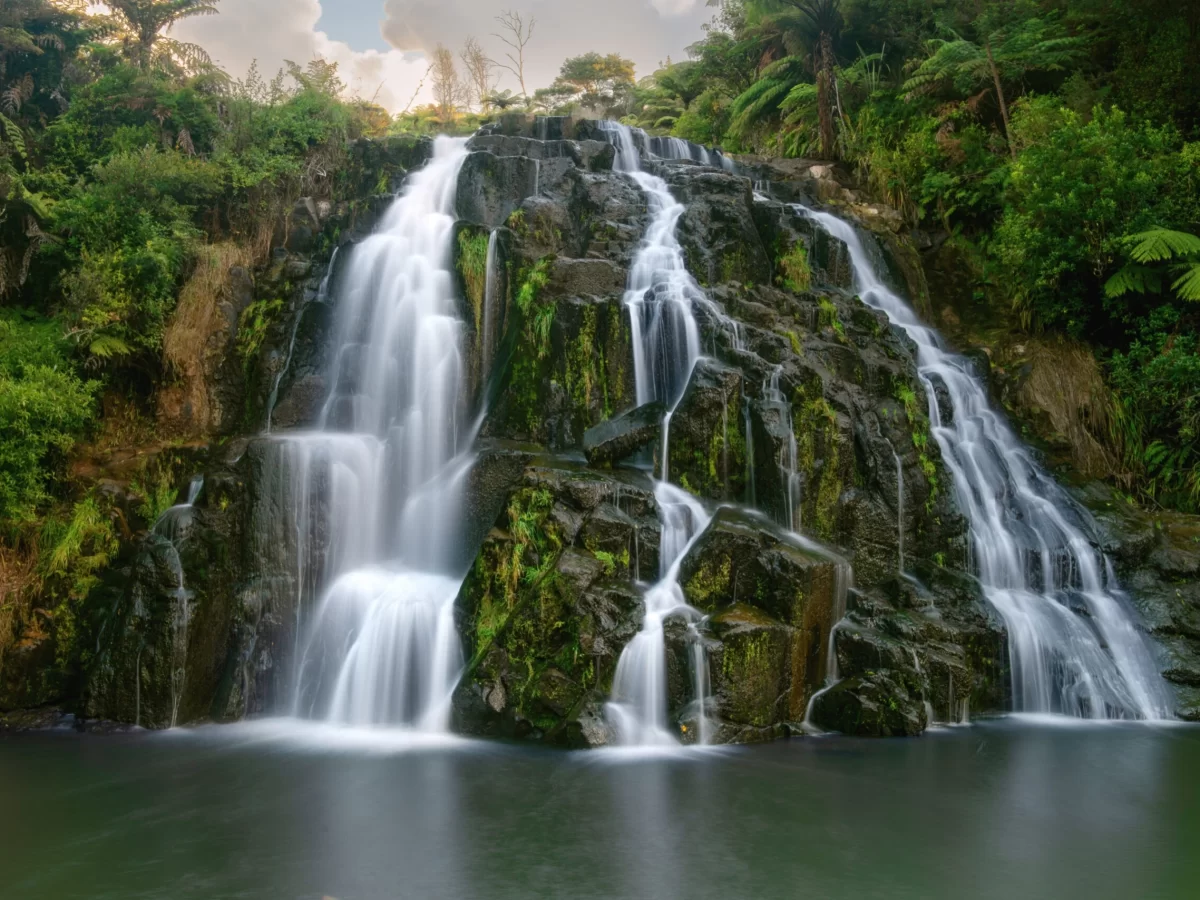
- Scenic Waterfall: Visitors can enjoy the wide, segmented cascade of Tyrshi Falls surrounded by lush greenery and terraced paddy fields, offering a peaceful natural retreat.
- Photography Opportunities: Early morning and late afternoon light provides excellent conditions for capturing both wide-angle landscape shots and close-ups of the falls.
- Short Walking Trails: Easy to moderate footpaths lead to viewpoints and the waterfall base, suitable for casual strolls and nature walks.
- Tranquil Atmosphere: Less crowded than other popular waterfalls in Meghalaya, making it ideal for reflection, relaxation, and quiet family outings.
- Family-Friendly: Safe and accessible for children and seniors, with gentle paths and open areas for picnics and exploration.
- Local Culture: Visitors may notice traditional Jaintia village life around the falls, providing a glimpse into rural Meghalaya’s lifestyle and community practices.
Important Visitor Information for Tyrshi Falls, Meghalaya
- Crowd & Weather Notes: The site experiences low to moderate crowds. Weekdays are quieter, while weekends and public holidays attract more visitors. Best visited during dry months (October to March) to avoid slippery paths and heavy rainfall.
- Peak / Quiet Hours: Early morning (8:00 AM – 10:00 AM) and late afternoon (3:00 PM – 5:00 PM) are the quietest times, offering peaceful surroundings and ideal lighting for photography.
- Dress Code: Casual and comfortable clothing recommended. Sturdy footwear is advised for walking on dirt and stone paths.
- Safety Notes: Uneven paths and steps near viewpoints require caution. Children should be supervised, and seniors should take care while walking. Carry water, sunscreen, and rain protection during summer and monsoon months.
Photography and Viewpoints at Tyrshi Falls, Meghalaya
- Main Waterfall Views: Capture the cascading water from multiple angles along the footpath and viewpoints near the base of the falls. Early morning or late afternoon light enhances textures and creates dramatic shadows.
- Panoramic Landscapes: The surrounding terraced paddy fields and rolling hills provide natural framing for wide-angle landscape shots, perfect for capturing the region’s rural charm.
- Bridge & Footpath Perspectives: The small arch bridge near the falls and winding footpaths offer unique perspectives for both landscape and close-up photography.
- Seasonal Variations: During the monsoon, the waterfall is at its fullest, offering dynamic and powerful water flow photography, while winter and post-monsoon months provide clear skies and calm waters.
- Cultural Context: Shots including local villagers (with permission) or surrounding village life add storytelling depth and capture the authentic lifestyle of the West Jaintia Hills.