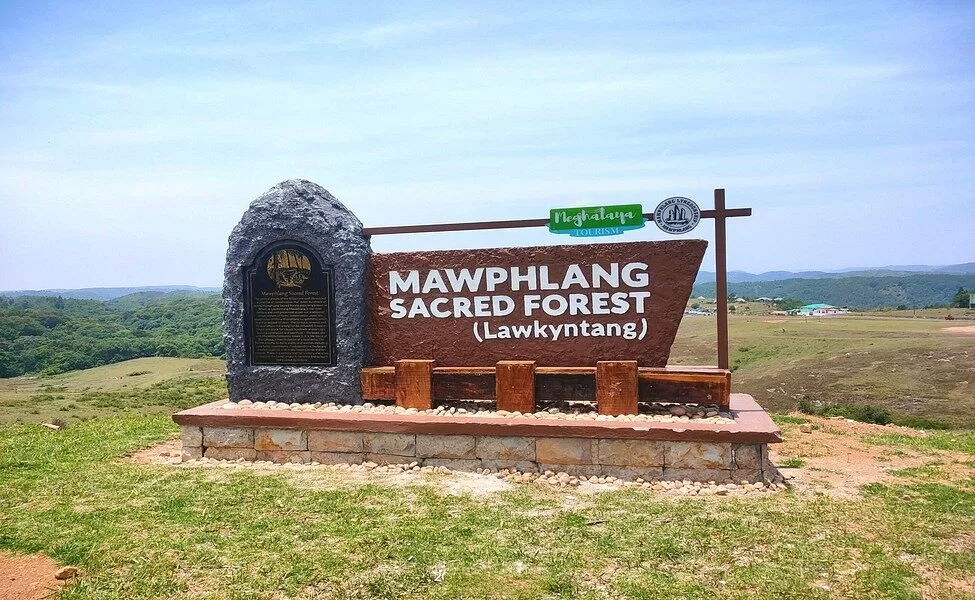
Sacred Forest of Mawphlang, East Khasi Hills, Meghalaya, India

Sacred Forest of Mawphlang , Mawlyngbna
Visitors come to explore its dense biodiversity, ancient monoliths, medicinal plants, and cultural heritage associated with Khasi beliefs and sacred conservation practices. The forest is recognized as one of Meghalaya’s most significant natural and cultural sites, offering guided walks that combine ecology, history, and local traditions.

Quick Facts About Sacred Forest of Mawphlang

Sacred Forest of Mawphlang Quick Facts

Entry Fee Entry fee and local guide charges apply; rates are determined by local authorities and may change periodically.
Timings Generally open from 9:00 AM to 4:30 PM; entry is typically allowed only with a registered local guide.
Altitude (m) Approximately 1,800 m above sea level
Ideal Visit Duration 1.5–3 hours
Best Time of Day Morning for comfortable walking conditions and better forest visibility
Crowd Level Low to moderate; visitor numbers are controlled through guided access
Distance from City Centre (km) Approximately 25 km from Shillong city centre
Walking Difficulty Moderate; involves walking on natural forest trails, roots, and uneven ground
Parking Available Yes, parking facilities are available near the forest entrance
Last Mile Access Direct road access to the entrance followed by a guided walk through the sacred forest trails
Suitable for Kids Yes, for children comfortable with nature walks under supervision
Suitable for Seniors Suitable for active seniors comfortable walking on uneven forest terrain
Wheelchair Friendly No; access is via natural forest trails with uneven surfaces and tree roots

Why Visit Sacred Forest of Mawphlang

Visitors come to the Sacred Forest of Mawphlang to explore an ancient protected woodland known for its rich biodiversity, cultural significance, and guided nature walks.

The atmosphere is quiet and immersive, with dense vegetation, moss-covered stones, and a strong sense of connection to the traditions and beliefs of the Khasi community.

What makes the Sacred Forest of Mawphlang distinct is its long-standing conservation through indigenous customs, unique ecosystem, and the opportunity to learn about local folklore, medicinal plants, and traditional environmental practices.

History of Sacred Forest of Mawphlang

The Sacred Forest of Mawphlang is one of Meghalaya's most important cultural heritage sites and has been protected by the Khasi community for centuries. The forest is preserved under traditional indigenous beliefs that regard it as the sacred abode of local deities and ancestral spirits, making it an integral part of Khasi spiritual practices.

For generations, strict customary laws governed the forest, prohibiting the removal of plants, wood, stones, or other natural materials. These traditions helped conserve the ecosystem long before modern conservation methods were introduced and contributed to the remarkable biodiversity found within the forest today.

The Sacred Forest remains a living example of the close relationship between nature and indigenous culture in Meghalaya, offering visitors insight into the region's traditional beliefs, community-led conservation practices, and cultural heritage.

Best Time to Visit Sacred Forest of Mawphlang

The Sacred Forest of Mawphlang is best visited from October to April when the weather is pleasant, trails are easier to navigate, and visitors can comfortably explore one of Meghalaya's most significant ecological and cultural heritage sites.
  • Ideal months: October to April is the most favorable period to visit the Sacred Forest of Mawphlang, offering comfortable temperatures and excellent conditions for guided nature walks.
  • Weather conditions during the best season: Cool weather, lower humidity, and relatively dry trails make it easier to explore the ancient forest, observe its rich biodiversity, and learn about the Khasi community's traditional conservation practices.
  • Periods to avoid: June to September brings heavy monsoon rainfall, making forest trails muddy, slippery, and more challenging to navigate. Dense fog and frequent rain may also reduce visibility and limit the overall trekking experience.

How to Reach Sacred Forest of Mawphlang

  • Nearest Airport: Shillong Airport (Umroi Airport), located approximately 40 km from the Sacred Forest of Mawphlang, is the nearest airport. Many travelers also use Lokpriya Gopinath Bordoloi International Airport in Guwahati, about 120 km away, due to its wider flight connectivity.
  • Nearest Railway Station: Guwahati Railway Station, approximately 105 km from Mawphlang, is the nearest major railway station and offers extensive rail connectivity across India.
  • Road Access and Last-Mile Connectivity: The Sacred Forest of Mawphlang is situated along the Shillong–Mawsynram Road and is easily accessible by road from Shillong. Private vehicles, taxis, and shared cabs can reach the forest entrance directly. Visitors must explore the forest on foot, typically accompanied by a local guide, as entry into the sacred grove is regulated. The pathways are natural and can become slippery during the monsoon season, making sturdy footwear advisable.

What to Expect When You Visit Sacred Forest of Mawphlang

  • Environment and Surroundings: The Sacred Forest of Mawphlang is an ancient protected grove maintained under traditional Khasi beliefs. Visitors can expect dense vegetation, moss-covered trees, unique plant species, stone relics, and a cool forest environment that feels distinctly different from surrounding landscapes.
  • Facilities and Amenities: Tourist facilities within the forest are minimal to preserve the ecosystem. Basic amenities, parking, and local guide services are available near the entrance, while restaurants and larger facilities are located outside the forest area.
  • Accessibility and Movement: The forest is accessible by road from Shillong and is typically explored through guided walks along natural trails. Movement involves walking on uneven forest paths that may become muddy or slippery, especially after rainfall.
  • Visitor Conditions: Entry is generally accompanied by a local guide who explains the cultural and ecological significance of the forest. Visitors are expected to follow local customs, avoid disturbing natural features, and refrain from removing plants, stones, or other objects from the sacred grove.

Important Visitor Information for Sacred Forest of Mawphlang

  • The Sacred Forest of Mawphlang receives the highest visitor numbers during weekends, public holidays, and the pleasant travel months from October to April.
  • Morning hours generally offer a quieter experience and comfortable conditions for exploring the forest trails before larger visitor groups arrive.
  • The forest remains lush throughout the year, while monsoon months bring heavy rainfall that can make trails muddy, slippery, and more challenging to navigate.
  • No specific dress code applies, but comfortable clothing, covered footwear, and rain protection are recommended due to the forest environment and changing weather conditions.
  • Visitors are expected to respect local Khasi traditions associated with the sacred grove, stay on designated paths, and avoid removing plants, stones, or any natural objects from the forest.

Photography and Viewpoints at Sacred Forest of Mawphlang

  • The best photographs are captured along the guided forest trails, where ancient trees, moss-covered stones, hanging roots, and dense vegetation showcase the unique character of this sacred Khasi forest.
  • Early morning provides soft filtered light through the forest canopy, creating atmospheric conditions that highlight the textures of ferns, lichens, and centuries-old trees.
  • The sacred groves, natural clearings, and megalithic stone structures offer distinctive photography subjects that combine cultural heritage with pristine natural surroundings.
  • The dense woodland environment creates naturally diffused lighting throughout the day, making it ideal for nature, landscape, and close-up photography.
  • Photography is generally permitted along designated visitor routes, but visitors must follow local guidelines and should not remove, disturb, or photograph restricted ritual objects without permission.
  • Monsoon and post-monsoon seasons provide the most vibrant greenery, while misty weather conditions often add depth and atmosphere to forest photographs.
  • Access is typically accompanied by local guides, and visitors should remain on approved trails to protect the fragile ecosystem and sacred significance of the forest.

Near By Attraction

Frequently Asked Questions About Sacred Forest of Mawphlang

Loved this place ? Let’s Plan Your Meghalaya Trip

Get customized Meghalaya tour planning designed around rainfall patterns, road connectivity, seasonal visibility, and realistic hill travel timing. Whether you are visiting for waterfalls, cave exploration, scenic drives, village experiences, or nature-fo

⚡ Quick Response | 💰 Free consultation | 🕒 24×7 expert support

×

Plan Your Trip