Riwai Living Root Bridge, Mawlynnong – Natural Wonder of Meghalaya

Riwai Living Root Bridge , Mawlynnong
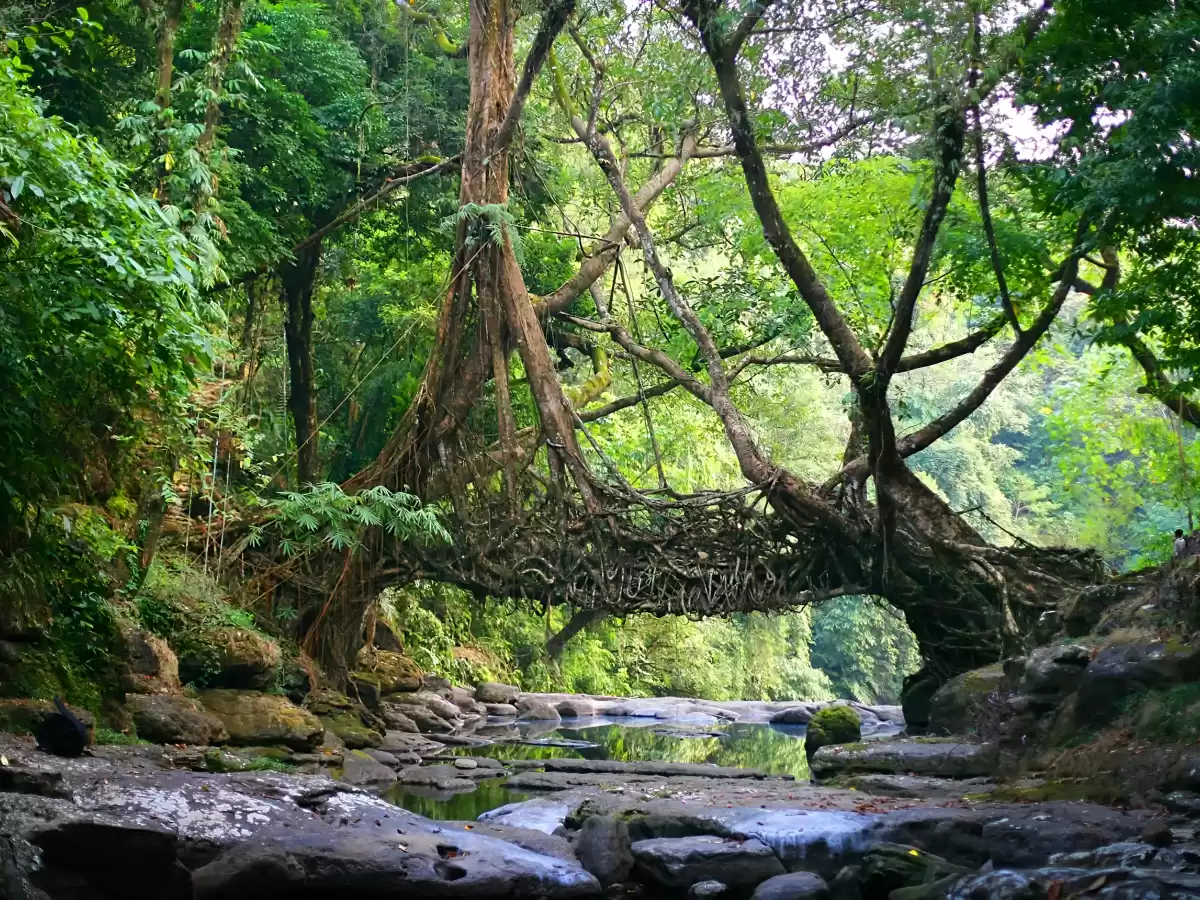
Riwai Living Root Bridge is one of the most visited and easiest-to-reach living root bridges in Meghalaya, located close to Mawlynnong in the East Khasi Hills district. This bridge is naturally formed by the aerial roots of rubber fig trees, which are carefully guided by local Khasi people over many years. The bridge stands over a small stream and is surrounded by thick greenery, making it a peaceful and scenic spot for tourists. Due to its short walking distance and simple access, it is a perfect attraction for families, senior travelers, and nature lovers who want to experience Meghalaya’s eco-cultural heritage.

Quick Facts About Riwai Living Root Bridge

Entry Fee 50
Timings 08:00 - 17:00
Altitude (m) 430
Ideal Visit Duration (hrs) 1
Best Time of Day Morning
Crowd Level High
Distance from Shillong (km) 78
Walking Difficulty Easy
Parking Available Yes
Last Mile Access Walk
Suitable for Kids Yes
Suitable for Seniors Yes
Wheelchair Friendly No

Why Visit Riwai Living Root Bridge

Riwai Living Root Bridge is one of the best places in Meghalaya to witness a real example of nature and human craftsmanship working together. Located near the famous clean village of Mawlynnong, this living bridge is formed by the aerial roots of rubber fig trees, carefully guided by the Khasi community over many years. Unlike regular bridges made of cement or iron, this bridge grows stronger with time, making it a rare and unforgettable attraction for tourists.

The main reason to visit Riwai Living Root Bridge is its peaceful forest atmosphere and unique eco-tourism experience. Surrounded by dense greenery, small streams, and fresh mountain air, the area feels calm and refreshing, perfect for travelers who want a break from crowded city life. The short walk and easy access make it an ideal spot for families, senior travelers, and first-time visitors exploring Meghalaya.

What makes this place truly special is that it is not just a sightseeing point, but a living heritage of Meghalaya. The bridge reflects the traditional wisdom of local tribes who used natural resources in a sustainable way long before modern engineering existed. It is also a great photography spot because of its thick roots, green surroundings, and natural beauty, making it a must-visit attraction for nature lovers, culture enthusiasts, and eco-travelers.

History

Riwai Living Root Bridge is a remarkable example of Meghalaya’s traditional eco-engineering, developed by the Khasi community over generations. Unlike modern bridges built with cement or metal, this bridge was created by guiding the aerial roots of the Indian rubber fig tree (Ficus elastica) across a small stream. Over time, the roots naturally thickened, intertwined, and strengthened, forming a stable and walkable natural bridge.

The living root bridge tradition has been practiced in the Khasi Hills for centuries, especially in areas with heavy rainfall where wooden bridges often rot quickly. These bridges were developed as a long-lasting solution to connect villages and make forest pathways safer during monsoon seasons. Riwai Living Root Bridge, located near Mawlynnong, is one of the most accessible and well-preserved examples of this unique natural architecture, attracting tourists from across India and around the world.

Today, the bridge is not only a functional pathway but also an important symbol of sustainable living and harmony with nature. It represents the deep understanding local communities have of their environment, making it a proud part of Meghalaya’s natural heritage and eco-tourism identity.

Best Time to Visit

The best time to visit Riwai Living Root Bridge is from October to April, when the weather remains pleasant, the forest trails are comfortable to walk on, and the surroundings look fresh and green. During these months, the humidity is lower compared to monsoon season, making the short trek and steps easier for families and senior travelers. This period is also ideal for photography because the natural light is clear and the bridge is visible without heavy mist or rain.

If you want to experience the bridge at its most lush and vibrant, you can also visit during the early monsoon months of June to August. However, rainfall can be heavy, and the pathway becomes slippery, so visitors should take extra precautions. For the most comfortable and safe travel experience, winter and post-monsoon months are highly recommended.
  • October to April: Best overall season for sightseeing, walking, and photography
  • November to February: Cool weather, less rain, and ideal for comfortable exploration
  • March to May: Pleasant climate with greener surroundings and good visibility
  • June to September: Monsoon season, very scenic but trails can be wet and slippery
  • Best time of day: Morning (8:00 AM – 11:00 AM) for fewer crowds and peaceful atmosphere

How to Reach

  • By Air: The nearest airport is Shillong Airport (Umroi Airport), located around 85–90 km away. However, the most convenient major airport is Guwahati Airport (Lokpriya Gopinath Bordoloi International Airport), which is about 170–180 km from Riwai Living Root Bridge. From the airport, you can hire a taxi or take a shared cab to Shillong and then continue towards Mawlynnong.
  • By Train: The nearest railway station is Guwahati Railway Station, approximately 170–180 km away. Guwahati is well connected to major Indian cities. From Guwahati station, travelers can take a taxi, private cab, or bus to Shillong, and then proceed to Mawlynnong and Riwai.
  • By Road: Riwai Living Root Bridge is well connected by road and can be easily reached via Shillong. The route generally followed is Shillong → Dawki Road → Mawlynnong → Riwai. Roads are scenic and pass through forests, villages, and viewpoints. Private taxis and self-drive vehicles are the best options for a comfortable trip.
  • From Shillong: The distance from Shillong to Riwai Living Root Bridge is around 75–80 km and it takes approximately 2.5 to 3.5 hours by road depending on traffic and weather conditions.
  • From Mawlynnong Village: Riwai Living Root Bridge is located very close to Mawlynnong, at a distance of around 1.5–2 km. It takes about 10–15 minutes by car or a short walk depending on your route.
  • Local Transport: Shared taxis may be available from Shillong towards Dawki or Mawlynnong, but frequency can be limited. Hiring a private cab is the most recommended option for tourists visiting Riwai Living Root Bridge.
  • Last Mile Access: After reaching the parking area near Riwai, visitors must walk down a short pathway with steps (around 40–60 steps) to reach the bridge.

What to Expect When You Visit

  • A short scenic walk: After reaching the entry point near Riwai village, you will walk through a green forest pathway with stone steps leading down to the bridge. The walk is short but offers beautiful natural views.
  • A real living root bridge experience: The highlight of the visit is seeing the naturally grown root bridge made from rubber fig tree roots. The bridge looks unique, feels strong, and is a perfect example of Meghalaya’s natural engineering.
  • Cool and refreshing forest atmosphere: The area remains pleasant and shaded due to thick greenery, making the visit comfortable even during sunny hours.
  • Photography opportunities: Visitors can capture stunning photos of the bridge, forest roots, and small stream below. The surrounding greenery makes it an excellent place for nature and travel photography.
  • A peaceful eco-tourism spot: Unlike crowded commercial attractions, this place feels calm and natural, especially during morning hours, giving tourists a relaxing Meghalaya sightseeing experience.
  • Basic facilities near the entrance: You may find small local shops selling snacks, water bottles, and souvenirs near the parking area, but facilities are limited inside the forest trail.
  • Interaction with local culture: Since the bridge is maintained by the local Khasi community, visitors may get a glimpse of village life and local eco-friendly tourism practices.
  • Safe but slippery steps during monsoon: In rainy season, the steps and trail can become slippery. Visitors should wear good shoes and walk carefully.
  • Quick and family-friendly visit: The attraction is ideal for families, kids, and senior travelers because it does not require a long trek like other root bridges in Meghalaya.
  • Combine with nearby attractions: Many tourists visit Riwai Living Root Bridge along with Mawlynnong Village, Dawki, and nearby viewpoints in the same day trip.

Important Visitor Information

  • Crowd & Weather Notes: Riwai Living Root Bridge is a popular tourist attraction near Mawlynnong, so it can get crowded during weekends, holidays, and peak season. The weather remains pleasant most of the year, but during monsoon (June to September) the area receives heavy rainfall and the trail becomes slippery.
  • Peak Hours: 11:00 AM to 3:00 PM (especially during tourist season from October to April).
  • Quiet Hours: 8:00 AM to 10:30 AM is the best time for a peaceful visit, fewer tourists, and better photography.
  • Dress Code: Wear comfortable clothes suitable for walking. Light jackets are recommended in winter months, and raincoats/ponchos are useful during monsoon. Avoid slippery footwear and prefer sports shoes or trekking shoes.
  • Footwear Recommendation: Non-slip shoes are highly recommended as the steps and forest path can be wet, especially after rain.
  • Safety Notes: The steps leading down to the bridge may be uneven and slippery, so visitors should walk carefully and use hand support where possible. Avoid running on the trail.
  • Monsoon Precaution: During heavy rains, the stream water level may rise and the surrounding ground can become muddy. Extra caution is required while walking near the bridge area.
  • Travel with Kids: Kids can visit easily, but they should be supervised on the steps and near the stream to avoid slipping.
  • Senior Citizen Advice: Seniors can visit comfortably, but those with knee pain or mobility issues should take slow steps while climbing up and down.
  • Cleanliness Rules: This is a natural eco-tourism site maintained by locals, so visitors should avoid littering and should carry waste back to disposal points.
  • Mobile Network: Network connectivity may be weak in some areas, so it is better to keep maps and details saved offline.
  • Local Etiquette: Respect the local community and avoid damaging roots or standing on fragile sections of the bridge.

Photography and Viewpoint

  • Best Photography Spot: The main photo point is right in front of the Riwai Living Root Bridge, where you can capture the full structure along with the thick intertwined roots and the stream flowing underneath.
  • Unique Natural Frame: The bridge is surrounded by dense forest greenery, making it a perfect naturally framed shot for nature and travel photography lovers.
  • Best Time for Photos: Morning hours (8:00 AM to 11:00 AM) are best for photography as the light is soft, the area is less crowded, and the forest looks fresh and vibrant.
  • Golden Hour Views: Late afternoon (3:30 PM to 5:00 PM) is also a good time for warm golden light, but the crowd level may be higher depending on season.
  • Monsoon Photography: During monsoon season, the bridge looks extremely green and photogenic, but the trail becomes slippery. Rainy weather adds misty forest vibes, creating dramatic photos.
  • Close-up Root Details: The thick roots of the bridge are perfect for close-up shots, showing the natural weaving and texture that makes this place special.
  • Stream and Reflection Shots: The small stream below the bridge offers beautiful reflection shots, especially after rain when water looks clear and fresh.
  • Portrait Photography: The bridge and forest backdrop create an excellent setting for portrait photos, couple photography, and travel reels.
  • Wide-Angle View: A wide-angle lens or phone wide mode is recommended to capture the entire bridge along with surrounding forest coverage.
  • Drone Photography: Drone shots can capture the forest canopy and village surroundings, but permission may be required as the area is managed by locals. Always confirm locally before flying a drone.
  • Viewpoint Experience: While there is no high hill viewpoint directly at the bridge, the forest trail and natural surroundings provide a scenic viewpoint-like experience with peaceful greenery and fresh air.
  • Photography Tip: Visit early to avoid crowds in photos and keep your camera protected from moisture, especially during rainy months.

Near By Attraction

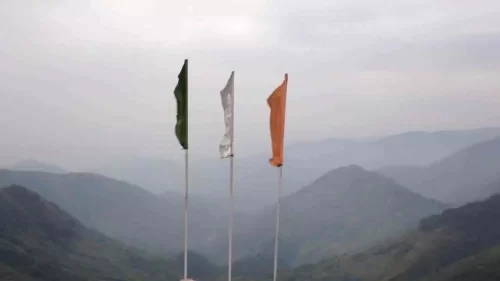
Mawjngih Lapynshongdor View Point in Meghalaya, scenic hilltop offering panoramic views of misty valleys. Viewpoint

Mawjngih Lapynshongdor View Point

Mawjngih Lapynshongdor View Point is a beautiful natural viewpoint in Meghalaya offering stunning panoramic views of lush green valleys and surrounding hills.
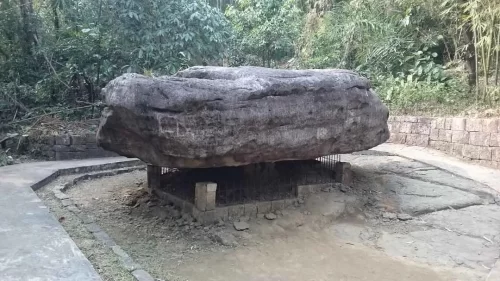
Balancing Rock of Mawlynnong in Meghalaya, massive natural rock perfectly balanced on a smaller base. Tourist Attraction

Balancing Rock of Mawlynnong

A natural geological marvel, the Balancing Rock is an iconic sightseeing spot in the scenic village of Mawlynnong.

Church of the Epiphany, historic stone church with red roof and Gothic steeple surrounded by greenery Church

Church of the Epiphany

The Church of the Epiphany is a century?old, charming parish church in Mawlynnong village, known for its serene atmosphere and colonial heritage.

Frequently Asked Questions About Riwai Living Root Bridge

Riwai Living Root Bridge is located near Mawlynnong village in East Khasi Hills district of Meghalaya, India.
Riwai Living Root Bridge is known for its naturally grown root structure formed by training rubber tree roots across a stream.
The best time to visit Riwai Living Root Bridge is from October to April when the weather in Meghalaya is pleasant for walking.
Visitors can reach Riwai Living Root Bridge by road from Shillong to Mawlynnong, followed by a short walk to the bridge.
Yes, a nominal local entry fee is usually charged to visit Riwai Living Root Bridge.
Around one to two hours are sufficient to walk to and explore Riwai Living Root Bridge.
Riwai Living Root Bridge is suitable for families as it involves a relatively short and manageable walk compared to longer root bridge treks.
Yes, visitors must descend a series of steps to reach Riwai Living Root Bridge and climb back up afterward.
Photography is allowed at Riwai Living Root Bridge, especially to capture the natural root structure and surrounding greenery.
Visitors should carry comfortable footwear with good grip, drinking water, and light rain protection when visiting Riwai Living Root Bridge.
Tourists can find homestays in Mawlynnong and more accommodation options in Shillong, Meghalaya, within driving distance of Riwai Living Root Bridge.

Loved this place ? Let’s Plan Your Meghalaya Trip

Get customized Meghalaya tour planning designed around rainfall patterns, road connectivity, seasonal visibility, and realistic hill travel timing. Whether you are visiting for waterfalls, cave exploration, scenic drives, village experiences, or nature-fo

⚡ Quick Response | 💰 Free consultation | 🕒 24×7 expert support

×

Plan Your Trip