Quick Facts About Mawphlang Sacred Forest
| Entry Fee | 100 |
| Timings | 08:00 - 16:00 |
| Altitude (m) | 1400 |
| Ideal Visit Duration (hrs) | 3 |
| Best Time of Day | Morning |
| Crowd Level | Moderate |
| Distance from Shillong (km) | 28 |
| Walking Difficulty | Moderate |
| Parking Available | Yes |
| Last Mile Access | Walk |
| Suitable for Kids | Yes |
| Suitable for Seniors | Yes |
| Wheelchair Friendly | No |
Why Visit Mawphlang Sacred Forest, Meghalaya
Atmosphere: Mawphlang Sacred Forest offers a serene and mystical environment, with dense evergreen trees, moss-covered paths, and the gentle sounds of birds and streams. The forest is enveloped in an aura of spirituality, creating a peaceful escape from urban life.
What Makes it Special: This sacred grove is one of Meghalaya’s most important ecological and cultural landmarks. Protected by the local Khasi community for centuries, it houses a remarkable diversity of flora and fauna, including rare medicinal plants and endemic species. Visitors can experience walking through ancient forest trails, encounter monoliths and ritual sites, and learn about Khasi traditions that emphasize harmony with nature. The forest provides a unique opportunity to connect with both nature and local heritage in a truly offbeat and tranquil setting.
Significance of Mawphlang Sacred Forest, Meghalaya
Mawphlang Sacred Forest is one of the most ancient sacred groves in Meghalaya, meticulously preserved by the local Khasi community for generations. The forest is believed to be protected by the local deity Labasa, and strict traditional rules prohibit cutting trees or hunting within its boundaries. This practice has maintained the forest’s rich biodiversity, including rare medicinal plants, endemic species, and centuries-old trees. The grove also contains monoliths and ritual sites used for ancestral worship, reflecting the Khasi people’s deep respect for nature and sustainable living. Visitors gain insight into the ecological wisdom and cultural heritage that have kept this forest pristine for centuries.
Best Time to Visit Mawphlang Sacred Forest, Meghalaya
Timing your visit to Mawphlang Sacred Forest is important to fully enjoy its serene trails, lush greenery, and biodiversity. While the forest is accessible year-round, weather conditions can significantly affect walking paths and overall experience.
- October to March: Ideal months with moderate rainfall, pleasant temperatures, and comfortable walking conditions. This period is best for exploring trails and observing flora and fauna.
- April to June: Pre-monsoon months with occasional showers, vibrant greenery, and lively bird activity. Mornings are recommended for guided tours.
- July to September: Peak monsoon season; forest paths may be slippery, and heavy rainfall is common. Recommended only for adventurous travelers equipped with proper rain gear.
- Early Morning Visits: Calm atmosphere, cooler temperatures, and better lighting for photography.
- Late Afternoon Visits: Soft lighting and tranquil environment, ideal for peaceful walks and nature observation.
How to Reach Mawphlang Sacred Forest, Meghalaya
- By Air: The nearest airport is Shillong Airport (Umroi Airport), approximately 30 km from Mawphlang. From the airport, visitors can hire taxis or private cabs to reach the forest.
- By Train: Mawphlang does not have a railway station. The closest major railway station is Guwahati Railway Station, about 160 km away. From Guwahati, travelers can take a taxi or bus to Shillong, followed by a short drive to Mawphlang.
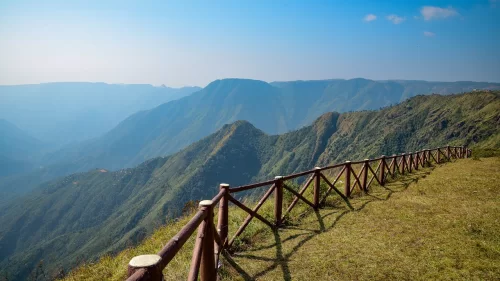
- By Road: Mawphlang is well connected via NH 106 and local roads from Shillong (approx. 25–28 km). Private taxis, rental cars, or shared cabs are convenient options. The drive offers scenic views of the Khasi Hills and nearby villages.
- Local Access: After reaching the village, a short walk leads from the parking area to the guided forest entry point. Local guides are available to provide insights into the sacred grove and trails.
What to Expect When You Visit Mawphlang Sacred Forest, Meghalaya
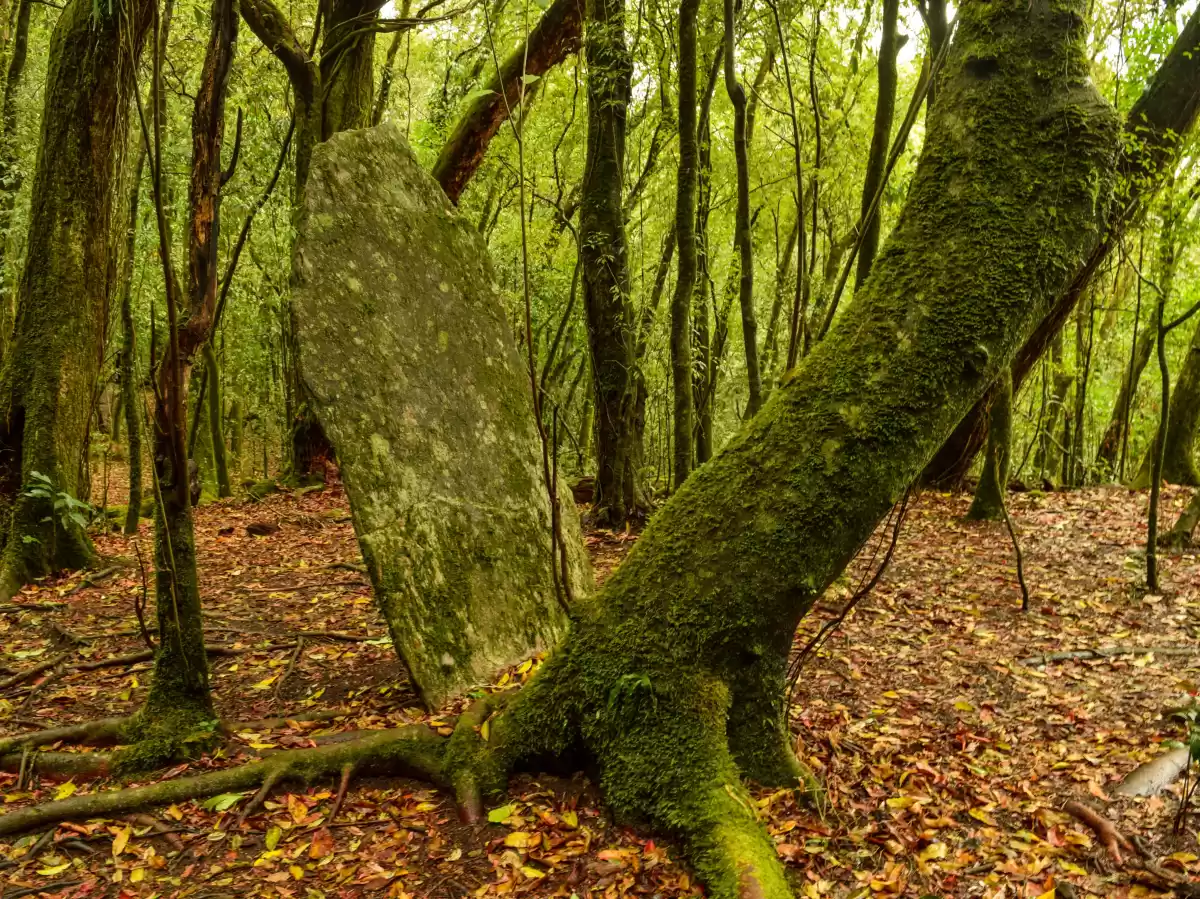
- Ancient Forest Trails: Visitors will walk through dense evergreen forests with moss-covered paths and centuries-old trees, guided by local custodians.
- Rich Biodiversity: Expect to see a variety of flora, including rare medicinal plants, ferns, and orchids, as well as birds, insects, and small wildlife endemic to the Khasi Hills.
- Spiritual and Cultural Insights: The forest is considered sacred, with monoliths, ritual sites, and traditional practices that reflect Khasi heritage and ecological wisdom.
- Photography Opportunities: Lush greenery, filtered sunlight, and misty forest scenes provide excellent natural photography opportunities.
- Guided Experience: Local guides enhance the visit by explaining rules, significance, and stories associated with the sacred grove.
- Moderate Walking: Trails are mostly easy to moderate, but paths may be slippery during or after rainfall; proper footwear is recommended.
Important Visitor Information for Mawphlang Sacred Forest, Meghalaya
- Crowd & Weather Notes: The forest experiences low to moderate crowds, with peak visitors during post-monsoon (October–March). Expect frequent rainfall and mist, especially during the monsoon months (June–September).
- Peak / Quiet Hours: Early mornings (8:00 AM – 10:00 AM) are the quietest and ideal for peaceful exploration and photography. Late afternoons (3:00 PM – 4:00 PM) also offer tranquil conditions.
- Dress Code: Comfortable casual clothing is recommended. Waterproof jackets, umbrellas, and sturdy footwear are essential during rainy periods. Modest attire is appreciated due to the sacred nature of the forest.
- Safety Notes: Forest paths may be uneven and slippery. Supervise children and assist seniors where necessary. Follow local guides’ instructions, stay on designated paths, and avoid disturbing the sacred areas or wildlife.
Photography and Viewpoints at Mawphlang Sacred Forest, Meghalaya
- Lush Evergreen Landscapes: Capture the dense forest canopy, moss-covered trees, and sun-dappled trails that create stunning natural compositions.
- Monoliths and Ritual Sites: The sacred groves feature ancient monoliths and ceremonial spaces, offering unique cultural and heritage photography opportunities.
- Mist and Rain Effects: Frequent rainfall and morning mist add a mystical, ethereal atmosphere to photographs, ideal for landscape and nature photography.
- Flora and Fauna: The forest’s rich biodiversity, including orchids, ferns, medicinal plants, and birds, provides close-up photography opportunities for nature enthusiasts.
- Guided Trails: Short guided walks lead to hidden corners of the forest, perfect for capturing untouched scenic views and forest details.
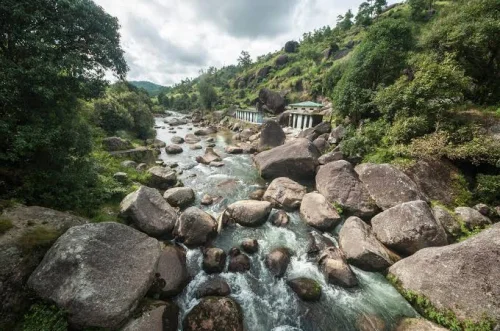
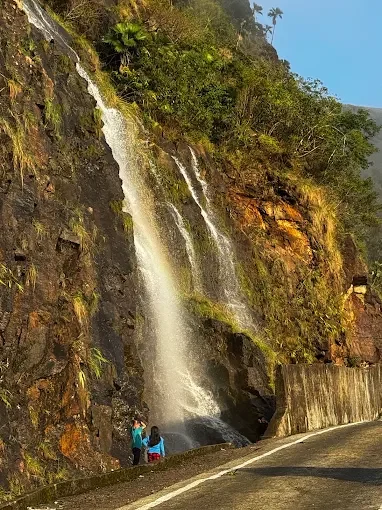
- Seasonal Variation: Post-monsoon months offer clear skies and vibrant greenery, while monsoon months create dramatic waterfalls, streams, and lush scenery for dynamic shots.