Khasi Hills, Meghalaya, India

Khasi Hills , Shillong
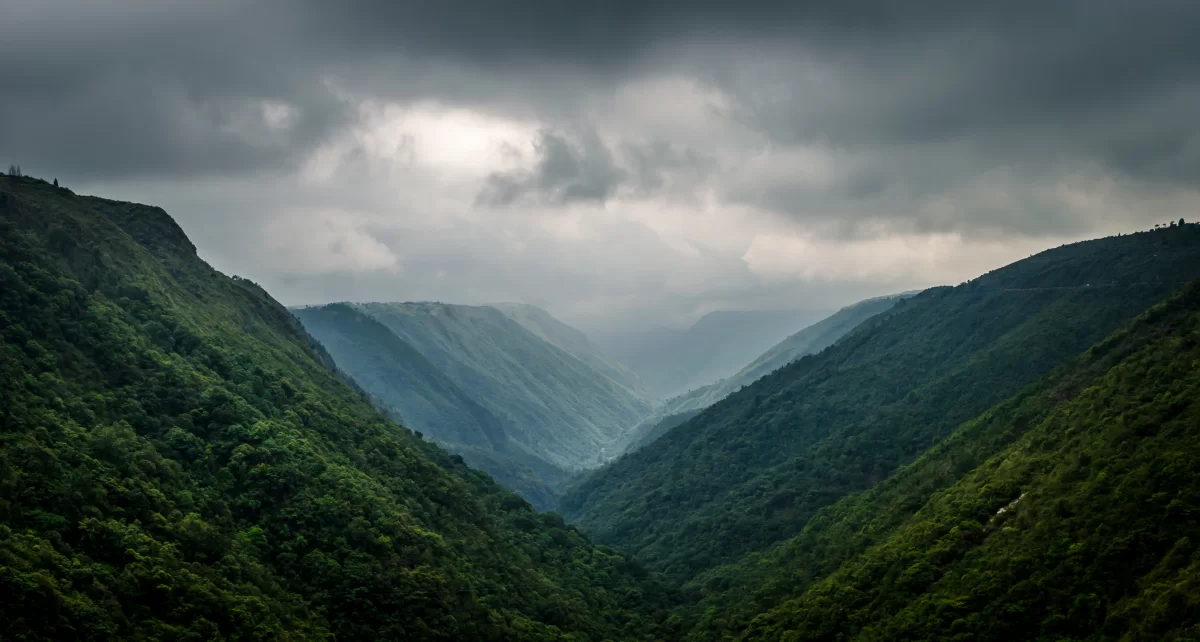
Visitors come to explore scenic landscapes, hill towns such as Shillong and Sohra (Cherrapunji), sacred forests, limestone caves, and some of the highest rainfall areas in the world. The region is a major destination for nature tourism, cultural exploration, trekking, and photography in Northeast India.

Quick Facts About Khasi Hills

Khasi Hills Quick Facts

Entry Fee No entry fee to visit the region; individual attractions within the Khasi Hills may have separate charges.
Timings Accessible throughout the day; timings depend on the specific attraction being visited.
Altitude (m) Approximately 1,500 m average elevation; varies significantly across the region.
Ideal Visit Duration 2–5 days
Best Time of Day Morning for clear views before clouds and mist become more prominent.
Crowd Level Moderate; major destinations such as Shillong, Sohra, and Dawki attract higher visitor numbers.
Distance from City Centre (km) Approximately 0 km from Shillong, which is located within the Khasi Hills region.
Walking Difficulty Varies from Easy to Challenging depending on the chosen attraction, trek, or viewpoint.
Parking Available Available at most major tourist attractions and viewpoints; availability varies by location.
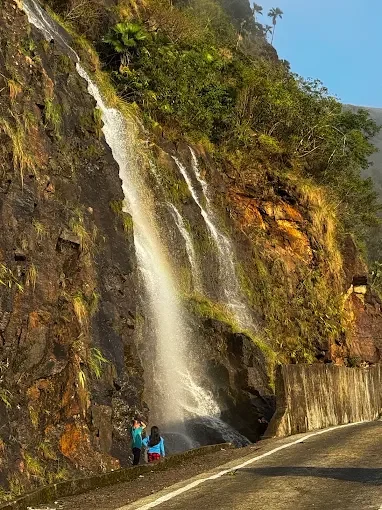
Last Mile Access Most major attractions are accessible by road, though some waterfalls, caves, and living root bridges require walking or trekking.
Suitable for Kids Yes; suitability depends on the specific attraction and activity.
Suitable for Seniors Yes; many viewpoints and attractions are easily accessible, though some trekking sites may be challenging.
Wheelchair Friendly Varies by attraction; some viewpoints are accessible, while caves, waterfalls, and trekking routes are generally not.

Why Visit Khasi Hills Meghalaya

Visitors come to the Khasi Hills for their rolling landscapes, waterfalls, forest trails, and the opportunity to experience the natural and cultural character of Meghalaya’s highlands.

The atmosphere is refreshing and scenic, with mist-covered valleys, traditional Khasi settlements, and changing weather conditions that create distinctive mountain views throughout the year.

What makes the Khasi Hills distinct is the combination of dramatic limestone landscapes, sacred forests, living root bridges, and a strong indigenous heritage that shapes the region’s identity and visitor experience.

History of Khasi Hills

The Khasi Hills form a historically significant region of Meghalaya and have been home to the Khasi people for centuries. Governed through a traditional system of indigenous chieftainships known as Hima, the region developed a distinct cultural identity shaped by its unique social customs, community institutions, and close relationship with the natural environment.

During the 19th century, the Khasi Hills became an important area of interaction between the Khasi states and the British administration. The region played a notable role in the Anglo-Khasi conflicts, particularly under the leadership of U Tirot Sing, who is remembered for resisting British expansion into Khasi territory.

Today, the Khasi Hills remain an important cultural landscape of northeastern India, preserving the traditions, heritage, and indigenous identity of the Khasi community while attracting visitors with their scenic valleys, forests, waterfalls, and living cultural heritage.

Best Time to Visit Khasi Hills

Khasi Hills is best visited from October to April when the weather is pleasant, visibility is excellent, and visitors can comfortably explore waterfalls, viewpoints, caves, forests, and traditional Khasi villages across the region.
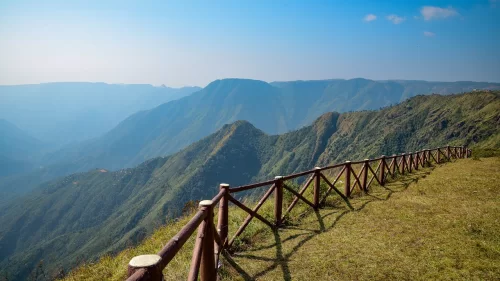
  • Ideal months: October to April is the most favorable period to visit Khasi Hills, offering clear skies, comfortable temperatures, and ideal conditions for sightseeing and outdoor activities.
  • Weather conditions during the best season: Cool weather, low humidity, and excellent visibility provide spectacular views of valleys, waterfalls, and rolling hills, making it perfect for photography, trekking, and nature exploration.
  • Periods to avoid: June to September experiences some of the heaviest monsoon rainfall in India, often causing dense fog, slippery roads, and reduced visibility. While the landscapes become exceptionally lush and waterfalls reach peak flow, outdoor activities can be significantly affected by persistent rain.

How to Reach Khasi Hills

  • Nearest Airport: Shillong Airport (Umroi Airport), located within the Khasi Hills region, is the nearest airport. Many travelers also use Lokpriya Gopinath Bordoloi International Airport in Guwahati, approximately 120 km from Shillong, due to its wider domestic connectivity.
  • Nearest Railway Station: Guwahati Railway Station is the nearest major railway station serving the Khasi Hills and is well connected to major cities across India.
  • Road Access and Last-Mile Connectivity: The Khasi Hills are accessible by road from Guwahati, Shillong, Cherrapunji, Mawlynnong, and other destinations across Meghalaya. National and state highways provide good connectivity throughout the region, while taxis, shared cabs, buses, and private vehicles are the primary modes of transport. Last-mile access to viewpoints, waterfalls, caves, and villages may require short walks, stairways, or local transport depending on the specific attraction. Travel times can increase during the monsoon season due to heavy rainfall, fog, and occasional road maintenance work.

What to Expect When You Visit Khasi Hills

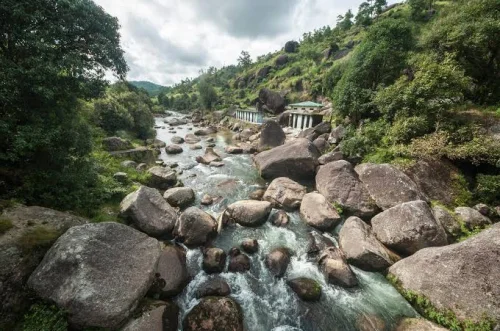
  • Environment and Surroundings: Khasi Hills is a vast hilly region of Meghalaya characterized by rolling green landscapes, deep valleys, waterfalls, forests, and traditional Khasi villages. The scenery changes noticeably with altitude and weather, ranging from mist-covered ridges to open panoramic viewpoints.
  • Facilities and Amenities: Facilities vary by location within the region. Major towns such as Shillong and Cherrapunji offer hotels, restaurants, fuel stations, and medical services, while remote villages and natural attractions may have only limited visitor amenities.
  • Accessibility and Movement: The region is connected by a network of mountain roads, with travel times often longer than expected due to winding routes and changing weather conditions. Exploring many attractions involves short walks, stairways, forest trails, or uneven terrain.
  • Visitor Conditions: Weather is highly variable throughout the year, and fog, rain, and low clouds can affect visibility even outside the monsoon season. Visitors typically spend time sightseeing, hiking, visiting waterfalls, exploring local culture, and enjoying scenic drives through the hills.

Important Visitor Information for Khasi Hills

  • Khasi Hills experiences its highest visitor numbers during weekends, public holidays, and the peak travel season from October to April when weather conditions are most favorable for sightseeing.
  • Early morning hours generally offer the clearest views of valleys, waterfalls, and surrounding landscapes, while afternoons may bring mist, clouds, and occasional rainfall.
  • The region receives heavy rainfall during the monsoon season, which enhances the scenery but can affect road conditions, visibility, and outdoor activities.
  • No specific dress code applies, but layered clothing, rain protection, and comfortable walking footwear are recommended due to rapidly changing weather conditions.
  • Visitors should exercise caution on mountain roads, viewpoints, and trekking trails, especially during foggy or rainy weather, and respect local customs in Khasi villages and rural communities.

Photography and Viewpoints at Khasi Hills

  • The best photographs are captured from elevated viewpoints across the Khasi Hills, including Shillong Peak, Mawkdok Dympep Valley View Point, Laitlum Canyon, and the scenic ridgelines overlooking deep valleys and forested landscapes.
  • Early morning offers the clearest visibility, allowing photographers to capture layered hills, distant villages, and rolling clouds before mist and weather changes become more frequent later in the day.
  • The monsoon and post-monsoon seasons create particularly dramatic scenes, with lush green slopes, waterfalls, drifting clouds, and mist-filled valleys throughout the region.
  • Sunrise and sunset provide exceptional lighting conditions, adding depth and contrast to the hills while enhancing panoramic landscape compositions.
  • Numerous roadside viewpoints and trekking routes offer opportunities to photograph traditional Khasi settlements, terraced landscapes, forests, and natural rock formations.
  • Photography is generally permitted in public areas, but visitors should seek permission before photographing local residents, private properties, or culturally sensitive locations.
  • Rapidly changing weather is a defining feature of the Khasi Hills, often creating unique opportunities for cloudscape and atmospheric photography, but visibility can change significantly within a short period.

Near By Attraction

 Viewpoint

Laitlum Canyon

Laitlum Canyon is a scenic canyon and viewpoint located in East Khasi Hills district, Meghalaya, known for its dramatic cliffs, deep valleys, and panoramic views of the surrounding landscape.

 Waterfall

Spread Eagle Falls

Spread Eagle Falls is a natural waterfall located on the outskirts of Shillong in East Khasi Hills district, Meghalaya, known for its broad, multi-tiered cascade.

Nongjrong Village Meghalaya sunrise viewpoint with scenic ridge trail and misty valley landscape Village

Nongjrong Village

Nongjrong Village is a hidden gem in Meghalaya famous for its breathtaking sunrise views above the clouds.

Frequently Asked Questions About Khasi Hills

Loved this place ? Let’s Plan Your Meghalaya Trip

Get customized Meghalaya tour planning designed around rainfall patterns, road connectivity, seasonal visibility, and realistic hill travel timing. Whether you are visiting for waterfalls, cave exploration, scenic drives, village experiences, or nature-fo

⚡ Quick Response | 💰 Free consultation | 🕒 24×7 expert support

×

Plan Your Trip