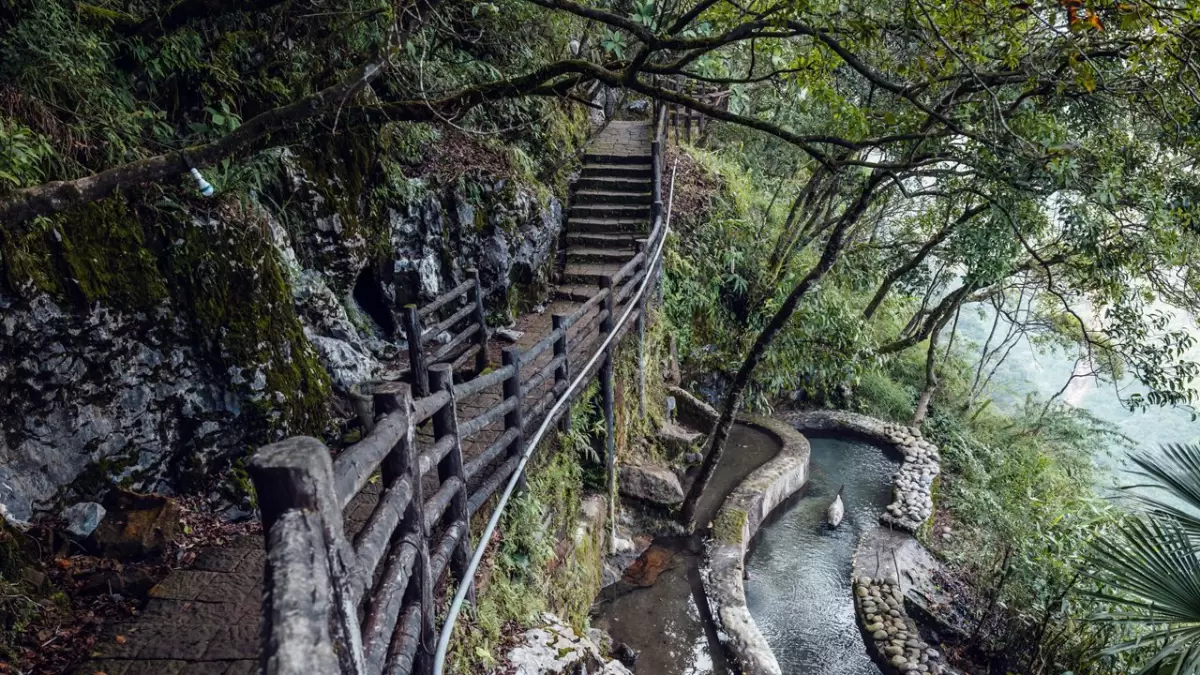
Arwah Caves, Sohra (Cherrapunji), East Khasi Hills, Meghalaya, India

Arwah Caves , Cherrapunji
Visitors come to explore its natural rock formations, underground passages, and visible fossil impressions embedded in the cave walls. The cave offers a relatively accessible caving experience and is known for its geological features, making it a popular attraction for nature enthusiasts and visitors interested in Meghalaya’s karst landscapes.

Quick Facts About Arwah Caves

Arwah Caves Quick Facts

Entry Fee Entry fee applicable; rates are determined by local tourism authorities and may change periodically.
Timings Generally open from 9:00 AM to 5:00 PM.
Altitude (m) Approximately 1,300 m above sea level
Ideal Visit Duration 1–2 hours
Best Time of Day Morning or early afternoon for comfortable exploration and better natural lighting
Crowd Level Moderate; busiest during weekends and peak Meghalaya tourism season
Distance from City Centre (km) Approximately 5 km from Sohra (Cherrapunji) town centre
Walking Difficulty Moderate; involves walking on cave pathways, stairs, and uneven rocky surfaces
Parking Available Yes, parking facilities are available near the entrance area
Last Mile Access Direct road access followed by a short walk and stairway leading to the cave entrance
Suitable for Kids Yes, for children comfortable with cave exploration and under supervision
Suitable for Seniors Suitable for active seniors capable of navigating stairs and uneven cave terrain
Wheelchair Friendly No; access involves stairs, narrow cave passages, and uneven rocky surfaces

Why Visit Arwah Caves Meghalaya

Visitors come to Arwah Caves to explore a natural limestone cave system known for its rock formations, fossil impressions, and underground passages near Cherrapunji.

The atmosphere is adventurous and tranquil, with illuminated pathways, cool cave interiors, and a scenic approach through the surrounding Meghalaya landscape.

What makes Arwah Caves distinct is the presence of visible marine fossil traces embedded in the cave walls, its impressive limestone formations, and the opportunity to experience Meghalaya’s underground geological heritage.

History of Arwah Caves

Arwah Caves, located near Cherrapunji in Meghalaya, are a natural limestone cave system known for their geological significance. Formed over millions of years through the action of water on limestone rock, the caves preserve remarkable natural formations and fossilized marine remains that offer insight into the region's ancient geological history.

The presence of visible fossils within the cave walls indicates that this area was once submerged under a prehistoric sea, making Arwah Caves an important site for understanding Meghalaya's geological past. These features distinguish the caves from many other natural attractions in the region.

Today, Arwah Caves attract visitors interested in exploring Meghalaya's natural heritage, providing a unique opportunity to experience both the geological evolution and the scenic landscapes of the Khasi Hills.

Best Time to Visit Arwah Caves

Arwah Caves are best visited from October to April when the weather in Meghalaya is pleasant, cave access is easier, and visitors can comfortably explore the limestone formations and fossil-bearing rock walls.

  • Ideal months: October to April is the most favorable period to visit Arwah Caves, offering comfortable temperatures and good conditions for cave exploration and sightseeing.
  • Weather conditions during the best season: Cooler temperatures, lower humidity, and relatively dry surroundings make it easier to walk through the cave passages, view ancient marine fossils, and enjoy the scenic landscapes around Sohra (Cherrapunji).
  • Periods to avoid: June to September experiences heavy monsoon rainfall, which can make access paths slippery and reduce comfort during exploration. Dense fog and frequent rain may also affect visibility of nearby viewpoints and surrounding scenery.

How to Reach Arwah Caves

  • Nearest Airport: Shillong Airport (Umroi Airport), located approximately 90 km from Arwah Caves, is the nearest airport. Many travelers also prefer Lokpriya Gopinath Bordoloi International Airport in Guwahati, about 165 km away, for better flight connectivity.
  • Nearest Railway Station: Guwahati Railway Station, approximately 145 km from the caves, is the nearest major railway station with extensive rail connectivity across India.
  • Road Access and Last-Mile Connectivity: Arwah Caves are located near Cherrapunji (Sohra) and are well connected by road from Shillong. Visitors can reach the designated parking area by private vehicle, taxi, or shared cab. The final approach involves a short walk along a paved pathway and steps leading to the cave entrance. Some sections inside the cave are uneven and can be damp, so comfortable footwear and caution are recommended while exploring.

What to Expect When You Visit Arwah Caves

  • Environment and Surroundings: Arwah Caves are limestone caves near Cherrapunji, surrounded by forested hills, rocky landscapes, and scenic viewpoints. The cave system is known for its natural rock formations and visible fossil impressions embedded within the limestone walls.
  • Facilities and Amenities: Basic visitor facilities such as parking areas, ticket counters, restrooms, and small refreshment stalls are available near the entrance. Facilities inside the cave are limited to designated pathways and lighting installations.
  • Accessibility and Movement: Reaching the caves involves a walk along a paved pathway followed by exploration inside the cave system. Visitors should expect uneven surfaces, low-ceiling sections, narrow passages, and occasional damp areas that require careful footing.
  • Visitor Conditions: The caves are popular among nature enthusiasts, geology enthusiasts, and photographers. Interior sections can be cool, humid, and dimly lit, while some passages require bending or moving through confined spaces. Comfortable footwear is recommended due to wet and slippery surfaces in certain areas.

Important Visitor Information for Arwah Caves

  • Arwah Caves experiences its highest visitor numbers during weekends, public holidays, and the peak travel season from October to April when weather conditions are most favorable for exploration.
  • Early morning hours generally offer a quieter experience and allow visitors to explore the cave system before larger tourist groups arrive.
  • Monsoon months can make pathways, steps, and cave entrances slippery due to frequent rainfall and moisture accumulation.
  • No specific dress code applies, but comfortable clothing and sturdy footwear with good grip are strongly recommended for navigating uneven cave floors and rocky trails.
  • Visitors should carry a flashlight for darker sections, watch their footing on wet surfaces, and avoid touching fossil formations or cave walls to help preserve the site.

Photography and Viewpoints at Arwah Caves

  • The best photographs are captured along the illuminated cave walkways, where dramatic limestone formations, naturally sculpted chambers, and ancient fossil impressions can be photographed from designated viewing areas.
  • Early morning visits generally offer fewer visitors and more flexibility for photographing the cave interiors and surrounding landscapes without crowd interference.
  • The entrance viewpoints provide scenic views of the rolling Khasi Hills and surrounding valleys, creating excellent opportunities for landscape photography before entering the caves.
  • The cave's limestone walls feature visible marine fossils and rock patterns that are best photographed in the available artificial lighting within the protected pathways.
  • Photography is generally permitted for personal use, but flash photography, tripods, and commercial shoots may be restricted in certain sections to protect the cave environment and visitor safety.
  • The illuminated pathways create strong contrasts between light and shadow, making the cave particularly rewarding for geological and texture-focused photography.
  • Visitors should remain on designated walkways and avoid touching rock formations, as the cave ecosystem and fossil-bearing surfaces are protected.

Near By Attraction

 Village

Tyrna Village

Tyrna Village is a rural Khasi village in East Khasi Hills district, Meghalaya, serving as the primary starting point for the trek to Nongriat and the Double Decker Living Root Bridge.

 Village

Nongriat

Nongriat Village is a remote hillside village in East Khasi Hills district, Meghalaya, accessible primarily by a long staircase trek from Tyrna village.
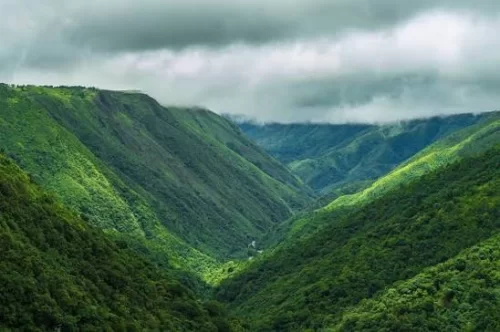
Mawkdok Dympep Valley View Point Viewpoint

Mawkdok Dympep Valley View Point

Mawkdok Dympep Valley View Point is a designated scenic viewpoint located along the Shillong–Sohra road in East Khasi Hills district, Meghalaya.

Frequently Asked Questions About Arwah Caves

Loved this place ? Let’s Plan Your Meghalaya Trip

Get customized Meghalaya tour planning designed around rainfall patterns, road connectivity, seasonal visibility, and realistic hill travel timing. Whether you are visiting for waterfalls, cave exploration, scenic drives, village experiences, or nature-fo

⚡ Quick Response | 💰 Free consultation | 🕒 24×7 expert support

×

Plan Your Trip