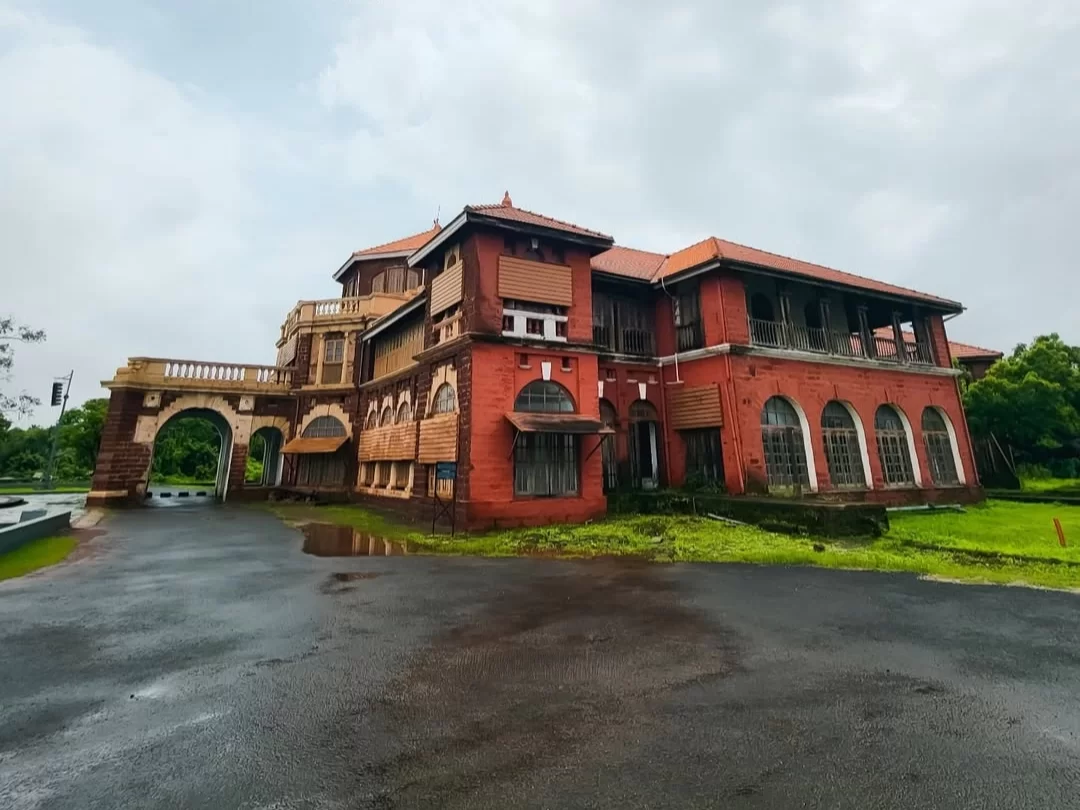
Thiba Palace in Ratnagiri, Maharashtra, India

Thiba Palace , Ratnagiri
Tourists visit to explore the palace\'s colonial architecture, lush surroundings, and to learn about the history of King Thiba\'s exile. The palace offers panoramic views of the Arabian Sea and is a prominent heritage site in Ratnagiri.

Quick Facts About Thiba Palace

Quick Facts for Thiba Palace, Ratnagiri

Entry Fee INR 10 for Indians, INR 100 for Foreign Nationals
Timings 9:00 AM - 6:00 PM (closed on Mondays)
Altitude (m) Approx. 100 m
Ideal Visit Duration 1-1.5 hours
Best Time of Day Morning or late afternoon (cooler temperatures and fewer crowds)
Crowd Level Low to moderate
Distance from City Centre (km) Approx. 2 km from Ratnagiri city centre
Walking Difficulty Easy (paved paths and gentle terrain)
Parking Available Yes (ample parking near the palace)
Last Mile Access Accessible by car/auto to the palace entrance; short walk to the palace premises
Suitable for Kids Yes
Suitable for Seniors Yes
Wheelchair Friendly Yes (paved paths and accessible entrance)

Why Visit Thiba Palace

Visitors come to Thiba Palace in Ratnagiri to explore a piece of history, with its colonial architecture and royal significance. Built in the 19th century, the palace once served as the residence of King Thiba of Myanmar during his exile. The palace offers a unique glimpse into the life of the Burmese royal family and serves as a historical landmark in the coastal city of Ratnagiri.

The on-ground atmosphere is quiet and reflective, with visitors walking through the palace grounds and admiring the colonial-style architecture, ornate rooms, and well-maintained gardens. The palace is set on a hilltop, providing panoramic views of the surrounding landscape, including the Arabian Sea. It’s a great spot for photography, leisurely exploration, and learning about the royal history of Myanmar and India.

What makes Thiba Palace distinct for travelers is its unique historical connection to a foreign royal family, combined with its colonial architectural style. Unlike other historical landmarks, the palace provides insight into an intriguing period of exile and the life of King Thiba. It’s a must-visit for history enthusiasts, architecture lovers, and those looking to explore a less commercialized yet fascinating site in Ratnagiri.

History of Thiba Palace

Thiba Palace, located in the town of Alibag, Maharashtra, is an iconic historical structure built during the British colonial era. The palace was constructed in the early 20th century for King Thibaw Min, the last King of Burma (Myanmar), who was exiled to India after the British annexed Burma. The palace was built by the British as a residence for the king during his exile and is named after him.

The architecture of Thiba Palace reflects a blend of colonial and traditional Burmese styles, with a distinctive European influence. The palace features large verandas, intricate wooden carvings, and spacious rooms, offering a glimpse into the lifestyle of the exiled royal family. The palace is set amidst lush gardens, enhancing its serene atmosphere, and it stands as a symbol of the royal history associated with King Thibaw Min’s exile.

Today, Thiba Palace is a popular tourist attraction in Alibag, offering visitors a chance to explore the history of the last king of Burma and his time in India. The palace, though in need of restoration, remains an important historical site and an architectural gem in the region.

Best Time to Visit Thiba Palace, Ratnagiri

The best time to visit Thiba Palace in Ratnagiri is from November to February, when the weather is cooler and more comfortable for exploring the palace, its gardens, and the surrounding scenic views without the discomfort of intense summer heat or monsoon rains.

  • Ideal months: November to February, particularly December and January for the most pleasant temperatures for sightseeing and enjoying the palace grounds.
  • Weather conditions during the best season: Expect temperatures ranging from 20°C to 30°C with clear skies, low humidity, and a gentle breeze, making it perfect for outdoor exploration and photography of the historic palace.
  • Periods to avoid: April to June due to high temperatures and humidity, which can make outdoor exploration uncomfortable; July to September during the monsoon, when heavy rainfall may disrupt access to the palace and the surrounding areas.

How to Reach Thiba Palace, Ratnagiri

  • Nearest Airport: Ratnagiri Airport (RTC) is the nearest airport, located approximately 18–20 km from Thiba Palace. However, it has limited flights. The nearest major airport is Chhatrapati Shivaji Maharaj International Airport (BOM) in Mumbai, around 330 km away. From Mumbai, you can hire a taxi or take a bus, and the drive typically takes around 7–8 hours depending on traffic conditions.
  • Nearest Railway Station: Ratnagiri Railway Station (RN) is about 5 km from Thiba Palace. It is a major station in the Konkan region with regular train services from Mumbai, Pune, and other cities. From the station, you can take a taxi or auto-rickshaw for a 10–15 minute drive to the palace.
  • Road Access: Ratnagiri is well connected to Mumbai, Pune, and other cities via NH 66. The drive from Mumbai typically takes 7–8 hours. The palace is located in Ratnagiri city, and you can easily reach it via local roads or by taxi from the town center.
  • Last-Mile Connectivity: Taxis, auto-rickshaws, and local transport are the best options for reaching Thiba Palace from Ratnagiri town. There is parking available near the palace, but it may get crowded during weekends and holidays. The palace is a beautiful historical site, and visitors can enjoy exploring its architecture and surrounding gardens.

What to Expect When You Visit Thiba Palace, Ratnagiri

Thiba Palace, located in Ratnagiri, Maharashtra, is a historic royal palace that offers a glimpse into the past with its colonial-style architecture and rich history. The palace was once the residence of King Thiba, the last king of Burma, during his exile in India. The site is now a popular tourist destination for those interested in history, architecture, and royal heritage.

  • Environment and surroundings: Thiba Palace is set amidst a lush, green landscape with views of the surrounding hills and the nearby Arabian Sea. The palace grounds are peaceful, with well-maintained gardens and a quiet atmosphere. The site offers a serene escape from the bustling city life, allowing visitors to appreciate both the natural beauty and historical significance of the place. The area around the palace is ideal for leisurely walks, photography, and relaxation in a tranquil environment.
  • Facilities and amenities: The facilities at Thiba Palace are basic but sufficient for visitors. There are ticket counters at the entrance, and small vendors may sell snacks and drinks near the palace gates. The palace grounds feature simple seating areas and benches, where visitors can sit and enjoy the surroundings. Public restrooms may be available but are quite basic. There are no large-scale commercial facilities like restaurants or hotels directly on the palace premises, so visitors are encouraged to bring their own water, food, and essentials if they plan to spend a longer time at the site.
  • Accessibility and movement: Thiba Palace is easily accessible by road from Ratnagiri, and visitors can reach the site by private vehicle, taxi, or auto-rickshaw. The palace is situated on a small hill, and visitors can walk around the grounds, exploring the palace and its surroundings. The palace itself has multiple rooms and terraces that can be explored, although the layout may require some walking up and down stairs. Comfortable footwear is recommended, as some areas may have uneven surfaces. The site is accessible for most visitors, though some areas may be difficult for those with mobility concerns due to the steps and hilly terrain.
  • Typical visitor behavior and conditions: Visitors to Thiba Palace typically come to explore the historical significance of the site, admire its architecture, and learn about the legacy of King Thiba. The atmosphere is quiet and reflective, with visitors often taking photographs of the palace and the surrounding views. The palace is less crowded compared to other tourist sites in the region, allowing for a more relaxed experience. Visitors are encouraged to respect the heritage of the palace, avoid disturbing any exhibits, and maintain the cleanliness of the site. Photography is allowed, and the scenic backdrop provides excellent opportunities for capturing the beauty of the palace and its surroundings.

Important Visitor Information for Thiba Palace, Ratnagiri

  • Crowd and Weather Notes: Thiba Palace, located in Ratnagiri, is a historic palace once occupied by the exiled King Thiba of Myanmar. The palace sees a moderate number of visitors, especially on weekends and during public holidays. The weather is typically hot and humid in the summer, with temperatures often exceeding 35°C. Winters are more pleasant for exploration. During the monsoon season, heavy rain can affect travel around the area and the outdoor parts of the palace, so it’s best to plan your visit during dry months.
  • Peak and Quiet Visiting Hours: The busiest time at Thiba Palace is typically between 10:00 AM and 2:00 PM, especially during weekends. For a quieter experience, it’s best to visit early in the morning (6:00 AM to 8:00 AM) or later in the afternoon (after 4:00 PM), when the crowds are fewer and the temperature is cooler.
  • Dress Code: There is no formal dress code for visiting Thiba Palace, but comfortable, modest clothing is recommended. As the palace grounds involve walking through courtyards and rooms, wear comfortable shoes suitable for walking on stone floors. Lightweight and breathable clothing is ideal, especially during the summer months.
  • Safety Notes and Practical Cautions: Thiba Palace is generally safe, but visitors should exercise caution when walking around the old, historical building, as there may be uneven floors or steps. The outdoor areas can get slippery during the monsoon, so be careful around the palace’s exterior. Carry water to stay hydrated, wear sunscreen for sun protection, and consider using a hat or umbrella, particularly in the summer heat. Keep your personal belongings secure, especially in crowded or busy areas.

Photography and Viewpoints in Thiba Palace, Ratnagiri

Thiba Palace, located in Ratnagiri, Maharashtra, is a colonial-era palace known for its distinct architecture and historical significance. The palace was once the residence of King Thiba of Burma and offers a combination of architectural beauty and scenic views of the surrounding landscapes, including the Arabian Sea. Its blend of regal structure and natural beauty makes it a great spot for both historical and landscape photography.
  • Best Viewpoints for Photography: The best wide-angle shots of Thiba Palace can be taken from the outer perimeter of the palace grounds, where you can capture the building’s grandeur along with the lush green lawns and the distant sea. The palace’s ornate façade, intricate wooden windows, and colonial-era design elements make for great close-up shots. From the elevated sections around the palace, you can also capture sweeping views of the surrounding hills, the town, and the coastline, adding a scenic backdrop to your photos.
  • Lighting Conditions and Time-of-Day Considerations: Early morning is ideal for photography, as the soft light highlights the architectural details of the palace while creating a calm atmosphere around the surrounding gardens. The golden hour, just before sunset, provides warm tones, which can enhance the palace’s stonework and add depth to the surrounding greenery. Midday sunlight can be harsh, especially on the open palace grounds, so it’s best to focus on shaded areas or smaller architectural details during this time.
  • Rules and Restrictions: Photography is generally allowed on the grounds of Thiba Palace, but flash photography may be discouraged inside the palace due to the preservation of the building’s heritage. Tripods and professional photography equipment may require prior permission from local authorities, especially if used during peak visitor hours or special events. It’s advisable to check with palace staff for any specific photography rules or restrictions before you visit.
  • Crowd and Access Factors: Thiba Palace is a popular tourist destination, particularly for history enthusiasts and photographers, but it tends to be quieter during weekdays. For the best photography experience and fewer crowds, it’s recommended to visit early in the morning or during weekdays. The palace is easily accessible by road, and the surrounding area provides ample space for exploring different perspectives and angles for photography.

Near By Attraction

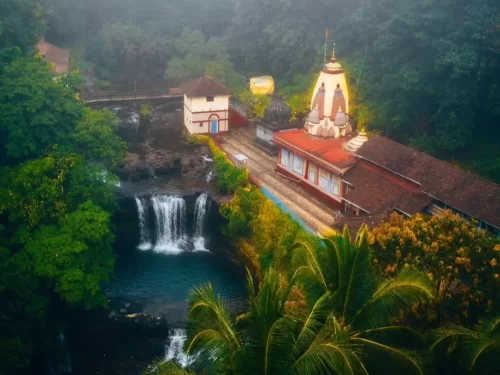
Dhootapapeshwar Mandir in Maharashtra surrounded by lush greenery and a scenic waterfall beside the temple complex, a serene spiritual spot featured in Maharashtra tour packages Temple

Dhutpapeshwarr Temple

Dhutpapeshwarr Temple, located in Ratnagiri, Maharashtra, India, is an ancient Hindu temple dedicated to Lord Shiva.
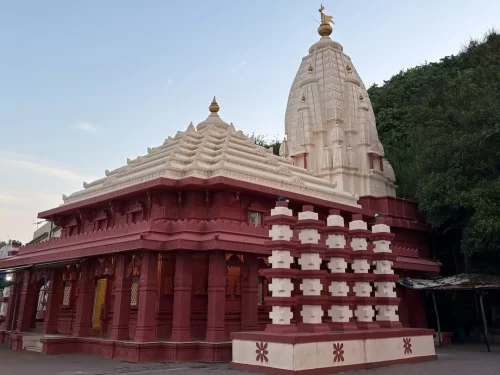
Shree Ganpatipule Mandir in Maharashtra featuring the iconic white temple spire and red stone architecture near the Arabian Sea coast, a major pilgrimage site included in Maharashtra tour packages Temple

Shree Ganpatipule Mandir

Shree Ganpatipule Mandir, located in Ratnagiri, Maharashtra, India, is a famous Hindu temple dedicated to Lord Ganesha.
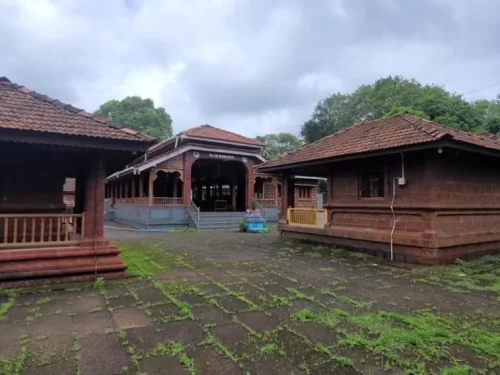
Shri Kanakaditya Mandir in Maharashtra featuring traditional Konkan-style wooden temple architecture with tiled roofs and open courtyard, a historic spiritual site included in Maharashtra tour packages Temple

Shri Kanakaditya Mandir

Shri Kanakaditya Mandir, located in Ratnagiri, Maharashtra, India, is an ancient Hindu temple dedicated to the Sun God (Surya).

Frequently Asked Questions About Thiba Palace

The best time to visit Thiba Palace is between October and March when the weather in coastal Maharashtra remains pleasant for exploring heritage sites. Morning and late afternoon hours are more comfortable for walking around the premises.
Thiba Palace is located in Ratnagiri, Maharashtra, on a small hill offering views of the Arabian Sea. It was built as the residence of the exiled Burmese king Thibaw.
Thiba Palace can be reached within 10 to 15 minutes from Ratnagiri city center by auto rickshaw, taxi, or private vehicle. The road leading to the palace is well connected and motorable.
Thiba Palace is generally open from morning until early evening under fixed government visiting hours. It is advisable to confirm local timings before planning your visit.
There is usually a nominal entry fee to visit Thiba Palace, with separate charges for camera usage if applicable. Tickets are available at the entrance counter.
Most visitors spend around 45 minutes to one hour exploring Thiba Palace. The duration depends on interest in historical displays and architectural details.
Visitors at Thiba Palace can see preserved rooms, historical photographs, and exhibits related to King Thibaw’s stay in Ratnagiri. The structure reflects colonial era architectural style.
Thiba Palace is suitable for children and senior citizens as the palace complex has manageable walking areas and open surroundings. Basic caution is advised on staircases.
Photography at Thiba Palace may be restricted inside certain exhibit areas. Visitors should check camera policies at the ticket counter before taking pictures.
Thiba Palace can easily be included in a Ratnagiri sightseeing plan along with Thiba Point and nearby beaches. Its central location makes it convenient for a short heritage visit.

Loved this place ? Let’s Plan Your Maharashtra Trip

Get customized Maharashtra tour planning designed around seasonal weather shifts, long-distance road travel flow, hill station comfort, coastal timing, and heritage exploration pacing. Whether you are visiting for historic caves, spiritual journeys, beach

⚡ Quick Response | 💰 Free consultation | 🕒 24×7 expert support

×

Plan Your Trip