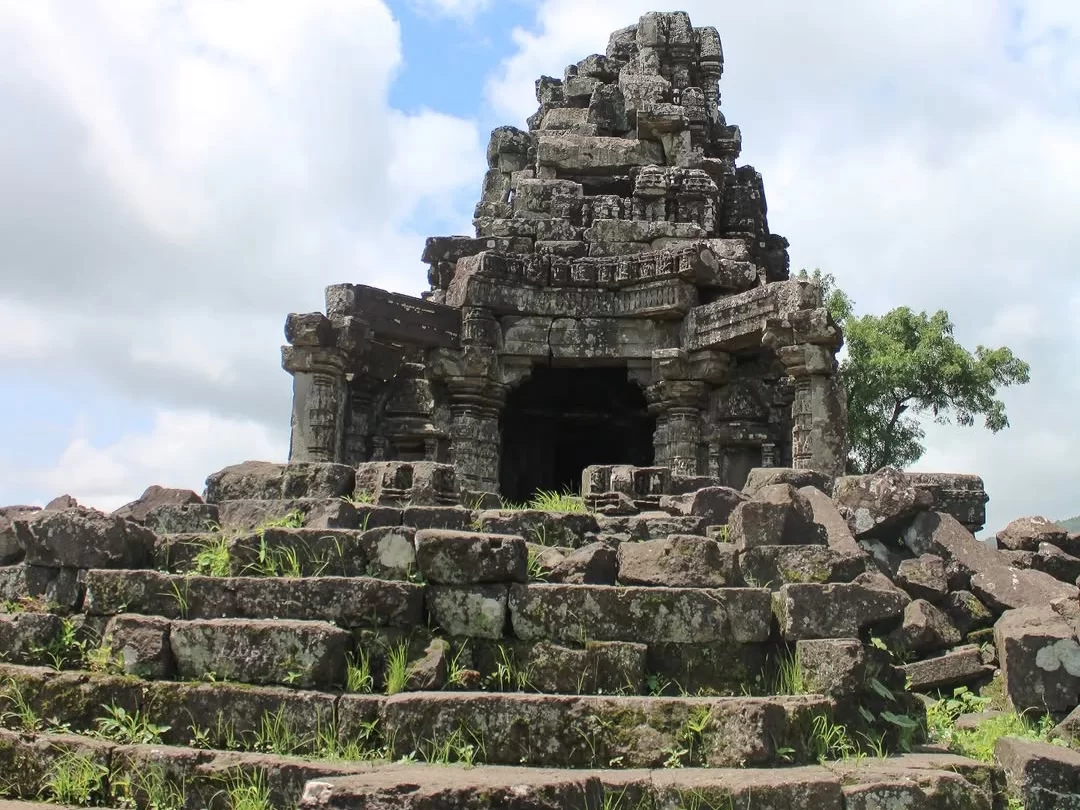
Sita Gufa in Nashik, Maharashtra, India

Sita Gufa , Nashik
Tourists visit Sita Gufa to explore its ancient caves, which are said to be the place where Sita, the wife of Lord Rama, spent part of her exile. The site offers a blend of history, spirituality, and natural beauty.

Quick Facts About Sita Gufa

Quick Facts for Sita Gufa, Nashik

Entry Fee Free
Timings 6:00 AM - 6:00 PM
Altitude (m) 300 m
Ideal Visit Duration 30 minutes to 1 hour
Best Time of Day Morning or late afternoon
Crowd Level Low to moderate
Distance from City Centre (km) 12 km
Walking Difficulty Easy
Parking Available Yes
Last Mile Access Accessible by foot from parking area
Suitable for Kids Yes
Suitable for Seniors Yes
Wheelchair Friendly No

Why Visit Sita Gufa Nashik

Visitors come to Sita Gufa in Nashik for its spiritual and historical significance. This ancient cave, believed to be the place where Goddess Sita spent part of her exile, attracts pilgrims and history enthusiasts alike. The cave is a serene location for reflection, and the surrounding area offers beautiful views of the lush green landscape, making it an ideal destination for both spiritual seekers and nature lovers.

The atmosphere at Sita Gufa is calm and reverential, with the cave offering a quiet space for visitors to reflect on the legend of Lord Rama and Goddess Sita. The peaceful surroundings and the echoes of prayers and chants create a tranquil environment, allowing visitors to connect spiritually and experience a sense of peace and solace.

What makes Sita Gufa distinct for travelers is its blend of spiritual importance and natural beauty. Unlike more commercialized temples, Sita Gufa offers a peaceful and less crowded experience, providing visitors with the opportunity to explore a sacred site while enjoying the serenity of nature. It’s a must-visit for those interested in exploring the spiritual heritage of Nashik in a tranquil setting.

History of Sita Gufa Nashik

Sita Gufa, located in Nashik, Maharashtra, is a significant religious and historical site associated with the Hindu epic, the Ramayana. According to local legends, this cave is believed to be the place where Goddess Sita, the wife of Lord Rama, is said to have spent some time during her exile. The cave is named after her and holds a deep spiritual significance for devotees who visit to reflect on the epic tale.

The cave features ancient carvings and inscriptions that are believed to be connected to the era of the Ramayana. The Sita Gufa area is also home to a small temple dedicated to Lord Rama and Sita, adding to its religious significance. Pilgrims visit the site to honor the memory of the divine couple and experience the tranquil atmosphere that surrounds the cave.

Today, Sita Gufa continues to attract devotees and tourists alike, especially those with an interest in the Ramayana. The site’s peaceful environment, combined with its rich association with one of the most important epics in Hinduism, makes it an essential landmark in Nashik for spiritual seekers and history enthusiasts.

Best Time to Visit Sita Gufa Nashik

The best time to visit Sita Gufa in Nashik is from October to March. During this period, the weather is cool and pleasant, making it ideal for exploring the caves and enjoying the spiritual and historical significance of the site.

  • Ideal months: October to March, when the temperatures are mild and the weather is conducive for exploring the cave complex and surrounding areas.
  • Weather conditions during the best season: Expect temperatures ranging from 18°C to 30°C, with clear skies and mild temperatures, perfect for outdoor exploration and photography.
  • Periods to avoid: June to September, during the monsoon season, when heavy rains can make the path slippery and less accessible, impacting your visit to the caves.

How to Reach Sita Gufa Nashik

  • Nearest Airport: The nearest airport to Sita Gufa in Nashik is Nashik Airport (ISK), located approximately 25 kilometers away. The airport offers limited domestic flights, primarily connecting Nashik to Mumbai and Pune.
  • Nearest Railway Station: The nearest railway station is Nashik Road Railway Station (NK), situated around 10 kilometers from Sita Gufa. It is well-connected to major cities like Mumbai, Pune, and Nagpur with frequent train services.
  • Road Access: Sita Gufa is easily accessible by road from Nashik city center, located around 10 kilometers away. The drive takes about 20 minutes, with well-maintained roads leading to the site. The roads are smooth and provide a comfortable journey.
  • Last-Mile Connectivity: Visitors can hire taxis, auto-rickshaws, or use local buses from Nashik city center to reach Sita Gufa. For convenience, taxis or private vehicles are recommended for the last mile to the cave site.

What to Expect When You Visit Sita Gufa, Nashik

Sita Gufa in Nashik is a historical and spiritual cave believed to be associated with the Ramayana, where Sita, the wife of Lord Rama, is said to have stayed during her exile. Here’s what you can expect during your visit to this sacred site.

  • Environment and Surroundings: Sita Gufa is located in a peaceful area surrounded by natural beauty and lush greenery. The cave is nestled in the hills, providing a tranquil atmosphere for visitors seeking spiritual solace or simply wanting to enjoy the beauty of nature. The site is serene, with the cool breeze and sounds of nature adding to the calm environment. The weather in Nashik can be warm, but the natural surroundings and shaded areas make it comfortable to visit during the cooler early mornings or late afternoons.
  • Facilities and Amenities: Sita Gufa is a relatively simple and rustic site, offering basic amenities such as small seating areas where visitors can rest and reflect. There are a few vendors nearby selling religious offerings and refreshments like water and snacks, but dining options are limited. Restroom facilities are basic, so visitors should come prepared with any necessities for a longer visit. The simplicity of the site ensures that visitors can focus on the spiritual and historical significance of the location without distractions from commercial amenities.
  • Accessibility and Movement: The cave is accessible by road, with private vehicles, taxis, and local transport being the most convenient ways to reach the site. Visitors will need to walk a short distance from the main road to reach the entrance of Sita Gufa, and some steps may lead to the cave itself. The terrain is mostly walkable, but it can be uneven, so comfortable footwear is recommended. For visitors with mobility issues, it may be more challenging to reach the cave as there are steps and rocky paths leading to the site.
  • Typical Visitor Behavior and Conditions: Most visitors come to Sita Gufa for its spiritual significance, as it is associated with the legend of Sita’s exile. The site is usually calm and quiet, with visitors engaging in prayer, meditation, or reflection. It is a sacred site, and visitors are expected to maintain decorum by maintaining silence, dressing modestly, and being respectful of the religious significance of the cave. The area can become more crowded during weekends or religious festivals, but it remains a peaceful spot for those seeking to connect with the spiritual atmosphere. Visitors should also respect the cleanliness of the site and avoid littering.

Important Visitor Information for Sita Gufa Nashik

  • Crowd and Weather Notes: Sita Gufa in Nashik is a popular historical and religious site, especially among those interested in the Ramayana. The cave attracts moderate crowds, particularly during weekends and religious festivals like Dussehra and Diwali. The weather in Nashik is tropical, with hot and dry summers and cooler, more pleasant temperatures during the winter. During the monsoon season (June to September), the area may experience heavy rainfall, making the paths slippery, so it’s advisable to visit during the dry months.
  • Peak and Quiet Visiting Hours: The busiest times at Sita Gufa are generally from 10:00 AM to 2:00 PM, particularly on weekends and during festival seasons. For a quieter visit, it is best to arrive early in the morning, from 6:00 AM to 8:00 AM, or later in the evening, between 4:00 PM and 6:00 PM, when the crowds tend to be fewer, and the atmosphere is more peaceful.
  • Dress Code: There is no formal dress code for visiting Sita Gufa, but as it is a sacred and historical site, visitors are encouraged to dress modestly. Comfortable, casual clothing suitable for outdoor exploration is recommended. Sturdy footwear is essential, especially if you plan to explore the caves and nearby paths, as the terrain can be uneven.
  • Safety Notes and Practical Cautions: Sita Gufa is generally safe for visitors, but caution is advised when exploring the cave areas, as the paths can be narrow and slippery, particularly during the rainy season. Be careful while walking through the caves and ensure that you have a good grip on the steps. It is advisable to carry water, stay hydrated, and use sunscreen if visiting during the summer months. Keep an eye on your belongings and respect the local customs as the site holds religious significance.

Photography and Viewpoints in Sita Gufa Nashik

Sita Gufa, a historical and religious site located in Nashik, is a cave complex believed to have been the place where Goddess Sita spent time during her exile. The caves, surrounded by lush greenery and historical significance, provide a peaceful and scenic location for photography enthusiasts to capture both nature and ancient architecture.

  • Best Viewpoints for Photography: The entrance to Sita Gufa, with its simple yet intricate stone carvings, offers an excellent viewpoint for photographing the cave's architectural features. Inside the cave, you can capture the tranquil atmosphere with shots of the natural stone formations and the small shrine dedicated to Goddess Sita. The surrounding area, with its forested hills, offers elevated views of the caves and the landscape, providing an excellent opportunity for wide-angle shots of the natural surroundings.
  • Lighting Conditions and Time-of-Day Considerations: Early morning and late afternoon are the best times for photography, as the soft golden hour light enhances the natural beauty of the caves and surrounding greenery. Inside the cave, lighting can be dim, so it's best to bring additional lighting equipment if you plan to photograph the interior in detail. Midday light can be harsh for wide shots of the landscape, so it’s advisable to focus on capturing details or take photographs in shaded areas during this time.
  • Rules and Restrictions: Photography is generally allowed at Sita Gufa, but visitors should be respectful of the sacred nature of the site. Flash photography may be discouraged inside the caves to preserve the sanctity of the space. Avoid using tripods or large equipment that could disturb other visitors or the environment. Always check for any specific rules or guidelines, especially if visiting during religious events or festivals.
  • Crowd and Access Factors: Sita Gufa is relatively peaceful, though it can attract visitors during weekends and religious festivals. For the best photography experience, it is recommended to visit early in the morning or on weekdays when the site is quieter, allowing for uninterrupted shots and a more tranquil atmosphere to capture the beauty of the caves and their surroundings.

Near By Attraction

Shree Saptashrungi Nivasini Devi Shaktipeeth idol in Nashik adorned with red saree gold jewelry and floral garlands against vibrant orange carved backdrop Temple

Shree Saptashrungi Nivasini Devi Shaktipeeth

Shree Saptashrungi Nivasini Devi Shaktipeeth, located in Nashik, Maharashtra, India, is a prominent Hindu temple dedicated to Goddess Saptashrungi, a form of Goddess Durga.

Historic stone architecture of Sundar Narayan Mandir in Nashik, Maharashtra, featuring detailed carvings and a tall shikhara against a blue sky, a revered temple included in Maharashtra tour packages. Temple

Sundar narayan mandir

Sundar Narayan Mandir, located in Nashik, Maharashtra, India, is a revered Hindu temple dedicated to Lord Vishnu.

Steep rock cut staircase leading to summit cave entrance at Harihar Fort Nashik surrounded by lush green monsoon landscape Fort

Harihar Fort

Harihar Fort, located in Nashik, Maharashtra, India, is a historic hill fort known for its steep climb and panoramic views of the surrounding landscape.

Frequently Asked Questions About Sita Gufa

The best time to visit Sita Gufa is between October and March when the weather in Nashik remains pleasant for temple visits. Summers in Maharashtra can be hot, making midday exploration less comfortable.
Sita Gufa is located in the Panchavati area of Nashik, Maharashtra, close to the Kalaram Temple. It is situated within a busy pilgrimage zone that attracts devotees throughout the year.
Sita Gufa can be reached easily by auto rickshaw or taxi from Nashik city center within 15 to 20 minutes. It is located near other major religious sites in Panchavati, making access convenient.
Sita Gufa is generally open from early morning until late evening in line with temple timings in the Panchavati area. Visiting in the morning helps avoid peak crowd hours.
There is no major entry fee to visit Sita Gufa, as it is a religious site open to devotees. Visitors may contribute voluntary donations if they wish.
Most visitors spend around 20 to 30 minutes exploring Sita Gufa. The small cave structure allows for a brief but meaningful visit.
Sita Gufa may not be ideal for senior citizens with mobility issues due to its narrow and low cave passage. Visitors need to bend while entering and exiting the cave space.
The entrance to Sita Gufa is narrow and requires visitors to crouch while passing through. People with claustrophobia or knee problems should exercise caution.
Visitors to Sita Gufa should wear comfortable clothing and carry minimal belongings due to the tight interior space. Footwear must be removed before entering the cave area.
Sita Gufa can easily be included in a Nashik pilgrimage plan along with nearby temples in Panchavati. Its central location makes it convenient for a short religious stop.

Loved this place ? Let’s Plan Your Maharashtra Trip

Get customized Maharashtra tour planning designed around seasonal weather shifts, long-distance road travel flow, hill station comfort, coastal timing, and heritage exploration pacing. Whether you are visiting for historic caves, spiritual journeys, beach

⚑ Quick Response | πŸ’° Free consultation | πŸ•’ 24Γ—7 expert support

×

Plan Your Trip