+91 9910402252
admin@chalbanjare.com


| Entry Fee | No entry fee free to visit and offer prayers |
|---|---|
| Timings | Open daily generally from 5 00 AM to 12 00 PM and 4 00 PM to 9 00 PM |
| Altitude (m) | Located at approximately 1353 meters above sea level in Old Mahabaleshwar, Maharashtra |
| Ideal Visit Duration | Thirty to sixty minutes for darshan and temple exploration |
| Best Time of Day | Early morning for peaceful darshan or evening during aarti |
| Crowd Level | Moderate during weekends and Hindu festivals, lighter on weekdays |
| Distance from City Centre (km) | Approximately 6 kilometers from Mahabaleshwar town center |
| Walking Difficulty | Low walking difficulty within temple premises though small steps may be present |
| Parking Available | Yes parking available near Old Mahabaleshwar temple complex |
| Last Mile Access | Accessible directly by road via taxi private vehicle and local transport |
| Suitable for Kids | Yes suitable for children with supervision |
| Suitable for Seniors | Yes generally suitable with easy access from parking area |
| Wheelchair Friendly | Partially wheelchair accessible though inner sanctum access may involve steps |
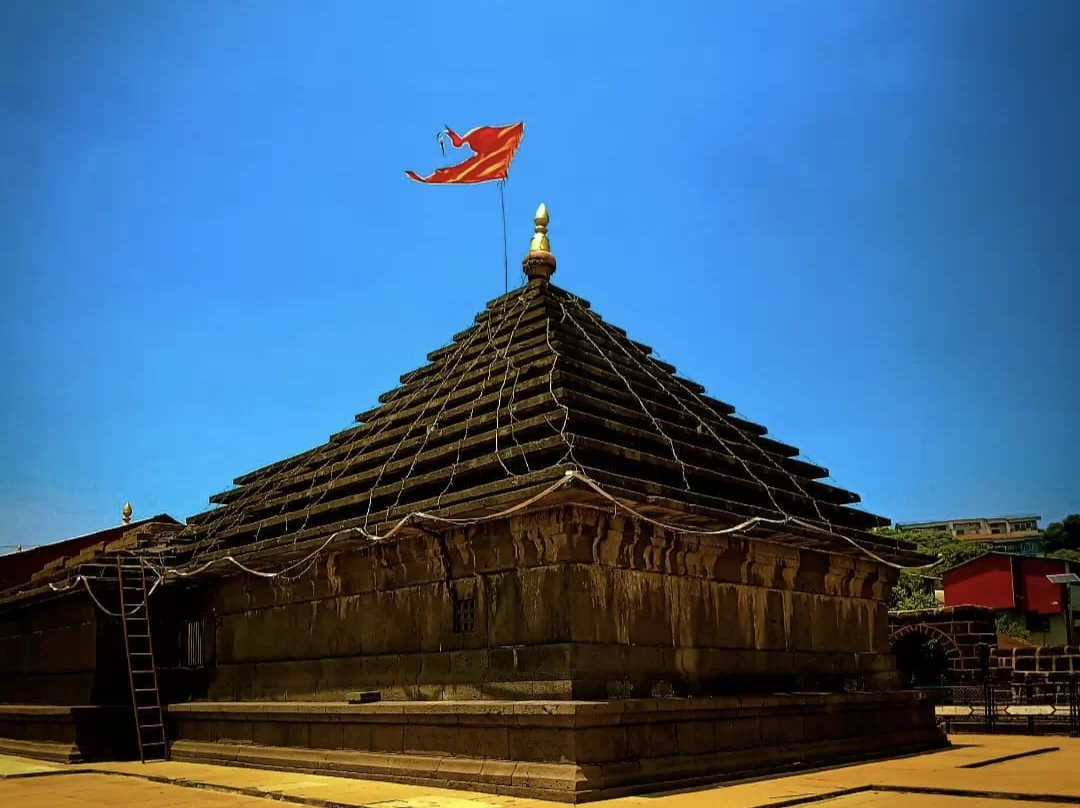
Atmosphere at Shri Panchganga Mandir is sacred and tranquil, set within the historic old Mahabaleshwar area surrounded by lush greenery and cool mountain air. The temple complex carries a calm devotional energy, where the sounds of flowing water and temple bells create a spiritually immersive environment. Its stone architecture and traditional layout reflect centuries of faith and reverence, making it a peaceful retreat away from the bustling viewpoints of the hill station.
What makes Shri Panchganga Mandir special is its religious significance as the origin point of five sacred rivers—Krishna, Koyna, Venna, Savitri, and Gayatri. According to Hindu belief, these rivers emerge from a sacred cow-shaped stone (Gomukh) within the temple premises. Built in the 13th century and later renovated by Maratha rulers, the temple showcases Hemadpanti architectural style with carved stone pillars and ancient structural design. Its mythological and hydrological importance makes it one of the most spiritually revered sites in Mahabaleshwar.
Beyond its spiritual value, Shri Panchganga Mandir connects visitors to the cultural and geographical roots of the region. It attracts pilgrims, historians, and cultural travelers seeking insight into Maharashtra’s sacred river traditions. A visit here offers a meaningful blend of devotion, heritage, and the serene atmosphere of the Western Ghats, enriching the overall Mahabaleshwar experience.
Shri Panchganga Mandir, located in Old Mahabaleshwar, Maharashtra, is an ancient temple closely associated with the origin of five sacred rivers — Krishna, Koyna, Venna, Savitri, and Gayatri. The temple is believed to date back to the 13th century and is attributed to the Yadava dynasty of Devagiri. Its construction reflects early medieval Deccan temple architecture built using black basalt stone in a simple yet spiritually significant design.
The temple derives its name from “Panchganga,” meaning five rivers. Inside the sanctum, water continuously flows from a cow-shaped stone mouth (Gomukh), symbolizing the confluence and emergence of the five rivers from a single sacred source. Historically, this site established Mahabaleshwar as an important religious center long before it developed into a British-era hill station.
During the Maratha period, the temple received patronage and continued to function as a major pilgrimage destination in the Sahyadri region. When the British later established Mahabaleshwar as a summer capital in the 19th century, the temple area became known as Old Mahabaleshwar, preserving its medieval religious identity. Today, Shri Panchganga Mandir remains a landmark of regional history, connecting geography, spirituality, and architectural heritage.
The best time to visit Shri Panchganga Mandir in Mahabaleshwar depends on weather comfort and pilgrimage flow, as the temple is located in an open area and often visited along with nearby heritage sites. Choosing the right season ensures a peaceful and spiritually fulfilling experience.
October to February is considered the ideal period to visit. During these months, the weather remains cool and pleasant, making it comfortable for devotees to explore the temple premises and participate in rituals without exposure to intense heat.
March to May marks the summer season, but Mahabaleshwar’s hill-station climate keeps temperatures relatively moderate compared to surrounding plains. Early morning visits are recommended during this time to enjoy a calm darshan experience.
Monsoon season from June to September enhances the greenery around the temple surroundings and gives the region a refreshing atmosphere. While the setting becomes scenic and misty, pathways may be wet and slightly slippery.
 Viewpoint
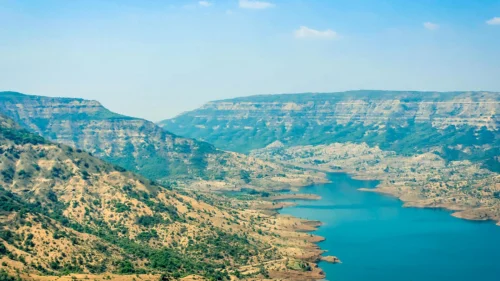
Babington Point is a scenic viewpoint located in Mahabaleshwar hill station of Satara district, Maharashtra, India.
 Tourist Attraction
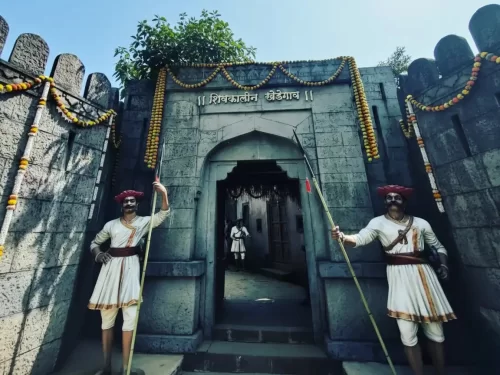
Shivkalin Khedegaon is a heritage-themed village attraction located near Mahabaleshwar in Satara district, Maharashtra, India.
 Viewpoint
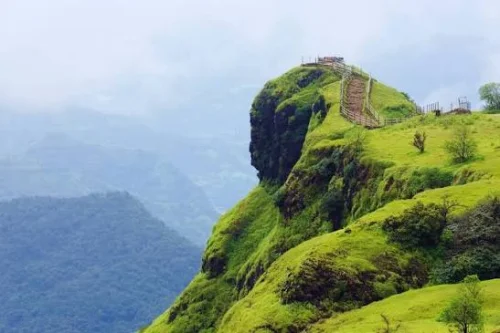
Helen's Point is a scenic viewpoint located in the hill station of Mahabaleshwar, Satara district, Maharashtra, India.
Get customized Maharashtra tour planning designed around seasonal weather shifts, long-distance road travel flow, hill station comfort, coastal timing, and heritage exploration pacing. Whether you are visiting for historic caves, spiritual journeys, beach
⚡ Quick Response | 💰 Free consultation | 🕒 24×7 expert support