Quick Facts About Shri Ghrishneshwar Jyotirlinga
Quick Facts for Shri Ghrishneshwar Jyotirlinga, Ellora
| Entry Fee | Free (donations optional) |
| Timings | 5:00 AM - 9:00 PM (Aarti timings vary during festivals) |
| Altitude (m) | Approx. 320 m |
| Ideal Visit Duration | 30 minutes to 1 hour |
| Best Time of Day | Morning (less crowded and cooler) |
| Crowd Level | Moderate; very high on Mondays and during Maha Shivaratri |
| Distance from City Centre (km) | Approx. 30 km from Aurangabad city centre |
| Walking Difficulty | Easy |
| Parking Available | Yes (limited parking near the temple) |
| Last Mile Access | Car/auto accessible up to temple entrance; short walk to darshan area |
| Suitable for Kids | Yes |
| Suitable for Seniors | Yes |
| Wheelchair Friendly | Yes (paved paths and accessible temple entrance) |
Why Visit Shri Ghrishneshwar Jyotirlinga
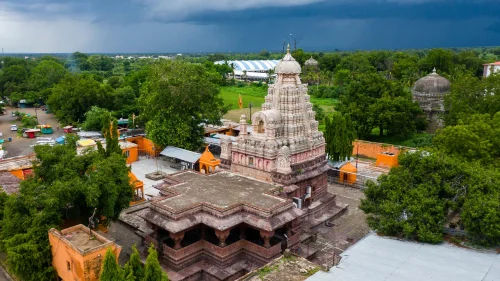
Visitors come to Shri Ghrishneshwar Jyotirlinga to seek blessings at one of the twelve revered Jyotirlingas of Lord Shiva. Located in Ellora near Aurangabad, this ancient temple attracts devotees who believe in the power of Lord Shiva to fulfill their prayers and bring peace. The temple is also famous for its beautiful carvings and religious significance in the Hindu faith.
The on-ground atmosphere is deeply spiritual and peaceful, with visitors often engaged in prayer and ritual offerings. The temple’s serene setting, surrounded by lush greenery, makes it an ideal place for reflection and devotion. The temple is particularly busy during Maha Shivaratri and other auspicious occasions, but it maintains a calm environment throughout the year.
What makes Shri Ghrishneshwar Jyotirlinga distinct for travelers is its status as one of the twelve sacred Jyotirlingas and its proximity to the renowned Ellora Caves. It’s an important stop for pilgrims and those exploring the religious heart of Maharashtra. The temple’s combination of spiritual importance and historical charm makes it a must-visit for those on a pilgrimage tour or interested in ancient Hindu temples.
History of Shri Ghrishneshwar Jyotirlinga
Shri Ghrishneshwar Jyotirlinga, located in Ellora near Aurangabad, Maharashtra, is one of the 12 revered Jyotirlingas dedicated to Lord Shiva in Hindu tradition. It holds significant spiritual and religious importance, attracting thousands of devotees every year. The temple is believed to be the site where Lord Shiva manifested as a divine light (Jyotirlinga) to bless his devotees.
The temple’s history dates back to ancient times, though it was rebuilt in the 18th century by the Maratha queen, Ahilyabai Holkar, after it had been destroyed by invaders. The current structure is an exquisite example of the Maratha style of architecture, with intricate carvings and sculptures adorning the temple's walls and pillars.
Shri Ghrishneshwar Jyotirlinga is particularly revered for its association with the legend of the Ghrishneshwar (meaning "Lord of the Poor"), where it is said that Lord Shiva fulfilled the wishes of a devotee. The temple continues to serve as a major pilgrimage site for those seeking blessings, especially during the Maha Shivaratri festival.
Best Time to Visit Shri Ghrishneshwar Jyotirlinga, Ellora
The best time to visit Shri Ghrishneshwar Jyotirlinga in Ellora is from October to March, when the weather is cooler and more comfortable for darshan and exploring the temple complex, offering a serene experience without the intense summer heat or monsoon rains.
- Ideal months: October to March, with November to February being the most pleasant for temple visits and nearby sightseeing.
- Weather conditions during the best season: Expect temperatures ranging from 15°C to 25°C, with dry weather and clear skies, making it perfect for long visits to the temple and its surroundings.
- Periods to avoid: April to June due to the extreme heat (often above 40°C) in Aurangabad, which can make outdoor visits tiring; July to September during the monsoon, when heavy rainfall can make the area slippery and reduce comfort during travel.
How to Reach Shri Ghrishneshwar Jyotirlinga, Ellora
- Nearest Airport: Aurangabad Airport (IXU) is the nearest airport, located approximately 35 km from Shri Ghrishneshwar Jyotirlinga. The airport has domestic flights to cities like Mumbai, Delhi, Pune, and Hyderabad. Taxis and app-based cabs are available, and the drive to the temple typically takes 40–50 minutes depending on traffic.
- Nearest Railway Station: Aurangabad Railway Station (AWB) is about 30 km from the temple. It is well connected to major cities like Mumbai, Delhi, and Hyderabad. Auto-rickshaws, taxis, and buses are available from the station for the drive to the temple, which takes around 40–45 minutes.
- Road Access: Shri Ghrishneshwar Jyotirlinga is located in Ellora, and the temple is easily accessible via the Aurangabad–Chalisgaon Road (NH 211). The drive from Aurangabad takes approximately 1 hour, and the road conditions are good, with clear signage leading to the temple.
- Last-Mile Connectivity: Taxis, auto-rickshaws, and local buses provide direct access to the temple entrance. There is limited parking available near the temple, so during peak pilgrimage seasons or weekends, visitors may need to park a short walk away. It is advisable to check the temple's visiting hours and plan ahead during festivals or auspicious days when there may be higher footfall.
What to Expect When You Visit Shri Ghrishneshwar Jyotirlinga
Shri Ghrishneshwar Jyotirlinga is one of the twelve Jyotirlingas dedicated to Lord Shiva, located in Ellora near Aurangabad, Maharashtra. It is a significant pilgrimage site and attracts devotees from across the country, known for its religious importance and serene atmosphere.
- Environment and surroundings: The temple is set amidst the historical Ellora Caves complex, offering a tranquil and spiritual environment. The temple area is relatively peaceful, with the sound of temple bells, chanting, and devotional music creating a serene atmosphere. The surroundings are scenic, with rocky hills and lush greenery, and the temple is located near the famous Ellora Caves, so visitors can enjoy both the temple and the cultural heritage of the region.
- Facilities and amenities: Shri Ghrishneshwar Jyotirlinga offers basic amenities such as a ticket counter, shoe storage, clean restrooms, and drinking water stations. There are also small shops selling religious offerings, flowers, and souvenirs. While there are no large-scale commercial facilities like restaurants within the temple complex, local eateries are available nearby for visitors looking to rest and refresh. The temple is focused on spiritual practices, and the services provided are geared toward pilgrimage and prayer.
- Accessibility and movement: The temple is easily accessible by road from Aurangabad, with taxis, rickshaws, and private vehicles being the most convenient way to reach the site. The temple complex is relatively easy to navigate, with paved pathways leading to the temple. However, visitors will need to climb a few steps to reach the main shrine. The area is generally walkable, though it may become crowded during peak pilgrimage seasons. Comfortable footwear is recommended for navigating the temple grounds.
- Typical visitor behavior and conditions: Visitors typically come for darshan (viewing) of the Jyotirlinga, perform rituals, offer prayers, and engage in meditation. The atmosphere is devotional and respectful, with pilgrims often participating in aarti (worship ceremony) and other rituals. The temple can get crowded, especially during special occasions like Maha Shivaratri, and on weekends or holidays. Visitors are expected to dress modestly, remove shoes before entering the temple, and maintain a quiet and respectful demeanor. Photography may be restricted in certain areas to preserve the sanctity of the site.
Important Visitor Information for Shri Ghrishneshwar Jyotirlinga, Ellora
- Crowd and Weather Notes: Shri Ghrishneshwar Jyotirlinga, located near Ellora, is a highly revered pilgrimage site and experiences heavy footfall during peak seasons, religious festivals like Maha Shivaratri, and weekends. The weather in the region is hot and dry, with temperatures rising significantly during the summer months. Winters are more comfortable for visiting. Monsoon season brings rain, which may make the approach paths slippery, so it’s advisable to check the forecast before planning your visit.
- Peak and Quiet Visiting Hours: The temple is busiest during early morning aarti and in the evening when pilgrims gather for prayers. To avoid the crowds, it’s best to visit early in the morning (6:00 AM to 8:00 AM) or later in the evening (after 6:00 PM), when the temple is less crowded, and the weather is cooler.
- Dress Code: As this is a sacred site, modest and respectful attire is required. Men and women should wear clothing that covers the shoulders and knees. Footwear must be removed before entering the temple premises, so it is advisable to wear sandals or shoes that are easy to remove.
- Safety Notes and Practical Cautions: The temple is well-maintained and generally safe, but visitors should be cautious during peak times when crowds are dense. The temple grounds can become slippery during the monsoon, so it is essential to watch your step, especially around the water features. Keep your personal belongings secure in crowded areas. If visiting during festivals, expect longer waiting times for darshan and follow the temple’s instructions for crowd management.
Photography and Viewpoints in Shri Ghrishneshwar Jyotirlinga
Shri Ghrishneshwar Jyotirlinga, located near Ellora Caves in Maharashtra, is one of the 12 Jyotirlingas dedicated to Lord Shiva. The temple is known for its peaceful atmosphere, intricate carvings, and vibrant surroundings. It offers a unique blend of religious and architectural photography opportunities, making it a favorite for both pilgrims and photographers alike.
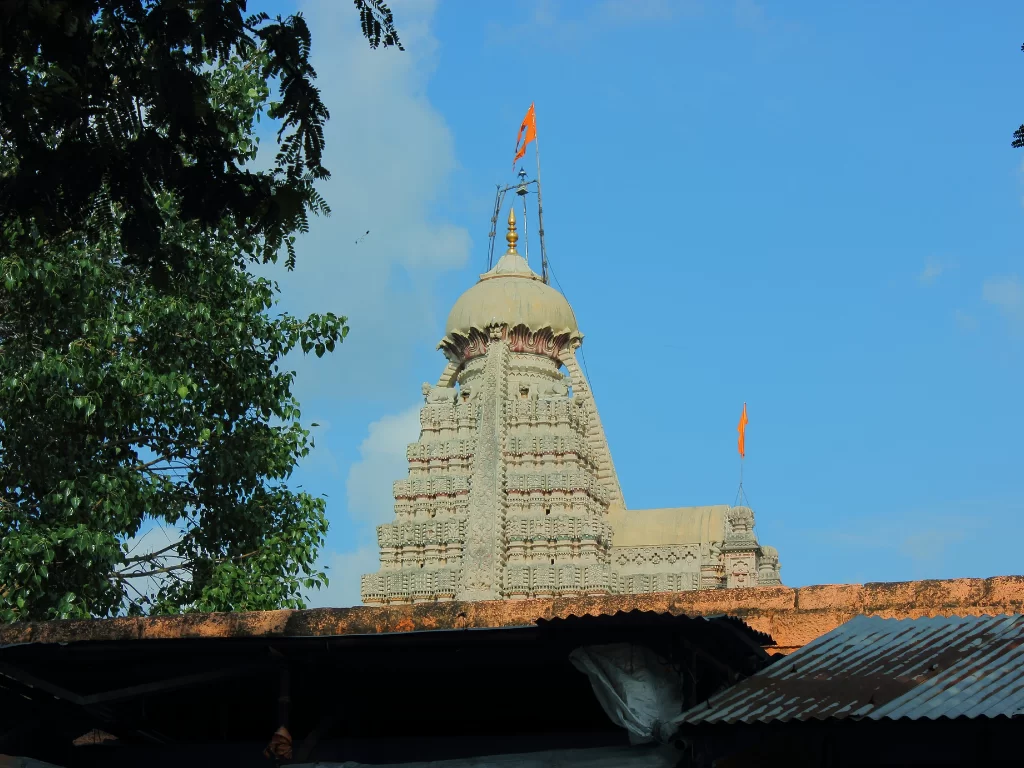
- Best Viewpoints for Photography: The best exterior shots of Shri Ghrishneshwar Jyotirlinga come from the main entrance, where you can capture the intricacy of the temple's ornate gopuram and its surrounding garden. For detailed shots, focus on the carved stonework around the sanctum sanctorum, especially the delicate Shiva imagery and sculptures that adorn the temple. Inside the temple, respectful photography of the idol is possible from a distance, as the sanctum is sacred and has limited access. The surrounding courtyard also offers good framing opportunities to capture the temple's architecture against the backdrop of the sky and hills.
- Lighting Conditions and Time-of-Day Considerations: Early morning provides the best lighting for photography, with soft light and fewer crowds, which allows you to capture the temple’s exteriors and surroundings in serene conditions. Late afternoon also provides a warm glow on the temple's carvings and gives a unique golden hue to the stone. Midday light can be intense and may wash out the finer details on the temple’s façade, so it's best to focus on shaded areas during this time.
- Rules and Restrictions: Photography is generally allowed in the outer premises of the temple, but photography inside the sanctum sanctorum is often restricted to preserve the sanctity of the space. Flash photography is discouraged in prayer areas to maintain the solemn atmosphere. Tripods or professional equipment might require prior permission from temple authorities, especially during busy festival periods.
- Crowd and Access Factors: The temple can get crowded during religious festivals, particularly during Maha Shivaratri and weekends. For the best experience, visit early in the morning on weekdays when the temple is less crowded, allowing for unobstructed shots of the architecture and a more peaceful atmosphere. The temple’s proximity to Ellora Caves also makes it a popular stop, so expect some foot traffic during peak tourist seasons.