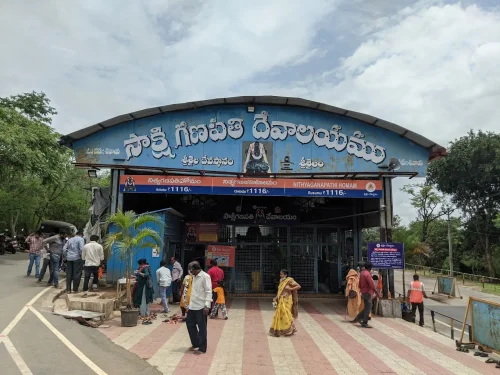
Shri Bhimashankar Jyotirlinga Wildlife Reserve, Maharashtra, India

Shri Bhimashankar Jyotirlinga Wildlife Reserve , Bhimashankar
Tourists visit this reserve for forest trekking routes, biodiversity including the Indian Giant Squirrel (Shekru), and access to the Bhimashankar Jyotirlinga Temple, one of the twelve Jyotirlinga shrines of Lord Shiva. The area forms part of the Western Ghats biodiversity zone and includes regulated entry forest trails.

Quick Facts About Shri Bhimashankar Jyotirlinga Wildlife Reserve

Quick Facts – Shri Bhimashankar Jyotirlinga Wildlife Reserve

Entry Fee Entry fee applicable as per Maharashtra Forest Department rules (varies by visitor category).
Timings Generally open from approximately 6:00 AM to 6:00 PM; entry beyond designated hours is restricted.
Altitude (m) Approximately 1,050 m above sea level.
Ideal Visit Duration 3–5 hours for short nature trails; full day if combining temple visit and forest exploration.
Best Time of Day Early morning for wildlife activity and cooler conditions.
Crowd Level High during Mahashivratri and weekends; moderate on weekdays.
Distance from City Centre (km) Approximately 110 km from Pune city centre.
Walking Difficulty Moderate to challenging depending on trail selected; forest terrain with inclines.
Parking Available Yes (designated parking areas near temple and forest entry points).
Last Mile Access Accessible by road up to Bhimashankar temple area; forest trails must be explored on foot.
Suitable for Kids Yes (with supervision on forest trails).
Suitable for Seniors Depends on mobility; temple area accessible, forest trails may be strenuous.
Wheelchair Friendly No; uneven forest terrain and steps limit accessibility.

Why Visit Shri Bhimashankar Jyotirlinga Wildlife Reserve

Shri Bhimashankar Jyotirlinga Wildlife Reserve attracts visitors for its mix of pilgrimage and forest exploration in the northern Western Ghats of Maharashtra. Travelers come to seek darshan at the Bhimashankar Temple—one of the twelve Jyotirlingas—and to experience the surrounding protected forest known for its biodiversity and trekking routes.

The atmosphere shifts between devotional activity near the temple complex and dense, quieter forest zones deeper inside the reserve. During monsoon and post-monsoon months, the landscape turns lush with flowing streams and mist-covered trails, while winter offers clearer paths and moderate temperatures for longer walks.

What makes Shri Bhimashankar Jyotirlinga Wildlife Reserve distinct is the rare combination of a major Hindu pilgrimage site within a designated wildlife sanctuary that is home to species such as the Indian Giant Squirrel (state animal of Maharashtra). Few destinations in the region integrate active religious significance with a protected evergreen forest ecosystem in such close proximity.

History of Shri Bhimashankar Jyotirlinga Wildlife Reserve

The area surrounding Shri Bhimashankar Jyotirlinga in Pune district, Maharashtra, has long been associated with dense forest cover and traditional village use within the northern Western Ghats. The ancient Bhimashankar Temple, one of the twelve Jyotirlingas dedicated to Lord Shiva, established the region as a significant pilgrimage site centuries before formal wildlife protection measures were introduced.

Recognizing the ecological importance of this forested belt—particularly as habitat for the Indian Giant Squirrel (Shekru), the state animal of Maharashtra—the Government of Maharashtra notified the Bhimashankar Wildlife Sanctuary in 1984 under the Wildlife Protection Act, 1972. The sanctuary was created to conserve semi-evergreen and evergreen forest ecosystems characteristic of the Western Ghats.

Today, the reserve represents a dual heritage landscape: an active Jyotirlinga pilgrimage center alongside a legally protected wildlife habitat. The coexistence of religious activity and conservation management shapes visitor movement, regulated forest access, and seasonal controls, preserving both spiritual significance and ecological integrity.

Best Time to Visit – Shri Bhimashankar Jyotirlinga Wildlife Reserve

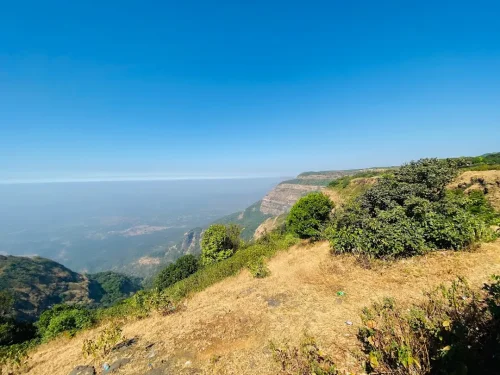
Shri Bhimashankar Jyotirlinga Wildlife Reserve in Maharashtra is best visited when forest trails are accessible and visibility across the Western Ghats is clear, as heavy monsoon rain and mist can restrict movement and wildlife spotting.
  • Ideal months: October to February offers the most comfortable weather for temple darshan and forest exploration.
  • Weather during the best season: Post-monsoon greenery remains dense and vibrant, daytime temperatures generally range between 12–25°C, and humidity is lower than peak monsoon months. Trekking routes and forest paths are safer compared to the rainy season, and visibility across valleys improves significantly.
  • Periods to avoid (and why): June to September brings very heavy rainfall in the Bhimashankar region, leading to slippery trails, leech presence, low visibility due to fog, and possible access slowdowns on ghat roads. Maha Shivaratri sees extremely high pilgrim footfall, which can result in long waiting times for darshan despite favorable winter weather.

How to Reach Shri Bhimashankar Jyotirlinga Wildlife Reserve

  • Nearest Airport: Pune International Airport (approximately 110–120 km from Bhimashankar). From the airport, taxis via Rajgurunagar (Khed) or Manchar typically take 3–4 hours depending on traffic and ghat road conditions. Mumbai’s Chhatrapati Shivaji Maharaj International Airport is about 210 km away and requires 5–6 hours by road.
  • Nearest Railway Station: Pune Junction is the nearest major railway station (around 110 km away) with strong intercity connectivity. From Pune, state transport buses and private taxis operate toward Bhimashankar. Karjat Railway Station (approximately 60–70 km away) is geographically closer but involves a longer ghat drive with limited direct public transport connectivity.
  • Road Access & Last-Mile Connectivity: Shri Bhimashankar Jyotirlinga is located within the Bhimashankar Wildlife Sanctuary in the Sahyadri range. The temple and reserve area are accessible by road up to the main parking zone near the temple complex. Roads include steep ghat sections with sharp bends, especially on the final stretch. During the monsoon season, heavy rainfall and fog can slow travel. From the parking area, short walks lead to the temple and forest trails. Private vehicles, taxis, and Maharashtra State Transport buses operate on this route, though bus frequency may be limited outside peak pilgrimage seasons.

What to Expect When You Visit Shri Bhimashankar Jyotirlinga Wildlife Reserve

  • Environment and Surroundings: Shri Bhimashankar Wildlife Sanctuary is located in the northern Western Ghats across parts of Pune, Raigad, and Thane districts of Maharashtra. The sanctuary surrounds the Bhimashankar Jyotirlinga Temple and is part of a designated wildlife reserve area known for dense semi-evergreen forest, deep valleys, and high rainfall during monsoon (June to September). The terrain is rugged, with forest trails, steep slopes, and laterite soil. The region is also habitat to species such as the Indian Giant Squirrel (Shekru), Maharashtra’s state animal. During monsoon, heavy rainfall, leeches, and slippery pathways are common, and visibility can reduce due to mist.
  • Facilities and Amenities: Basic facilities are concentrated near the Bhimashankar temple area, including small eateries, local stalls, and limited accommodation options such as forest rest houses and simple lodges. Inside core forest areas, facilities are minimal and structured amenities are not available. Public toilets are present near the temple zone but not along interior forest trails. Drinking water availability may be limited outside the main settlement area.
  • Accessibility and Movement: The sanctuary and temple area are accessible by motorable road from Pune (approximately 110 km) and Mumbai (approximately 210 km), though the final stretch includes ghat sections with sharp turns. Within the sanctuary, movement is primarily on foot along designated trekking paths. Some trails are moderate to strenuous and involve uneven rocky sections. During heavy rains, certain forest paths may become unsafe or temporarily restricted by forest authorities.
  • Typical Visitor Behavior and Conditions: The area attracts both pilgrims visiting the Jyotirlinga temple and trekkers exploring forest trails. Peak footfall occurs during Mahashivratri, Shravan month, and winter season (October to February). Weekends can see heavy traffic on approach roads. Visitors typically combine temple darshan with short forest walks. During monsoon, trekking activity reduces due to heavy rainfall and slippery conditions, though the forest remains lush and active with wildlife movement.

Important Visitor Information – Shri Bhimashankar Jyotirlinga Wildlife Reserve

  • Crowd & Weather Notes: The reserve sees high visitor movement during weekends, winter months (October to February), and on major temple festivals such as Maha Shivratri due to the presence of the Bhimashankar Jyotirlinga Temple. Monsoon (June to September) brings heavy rainfall, dense forest cover, leech presence, and slippery trails, but the landscape is at its most lush during this period.
  • Peak / Quiet Hours: Late mornings between 9:00 AM and 1:00 PM are typically busiest near the temple zone and main forest entry trails. Early mornings on weekdays are comparatively quieter for wildlife observation and trekking.
  • Dress Code: No formal dress code for the wildlife reserve; however, modest attire is expected inside the temple premises. For forest areas, full-length clothing and sturdy trekking shoes are recommended, especially during monsoon.
  • Safety Notes: The reserve is a protected forest area under Maharashtra Forest Department regulations; visitors must stay on designated trails. Wildlife such as the Indian Giant Squirrel (Shekru) inhabits the area, and feeding animals is prohibited. During monsoon, trails can become slippery and streams may swell rapidly. Basic facilities are concentrated near the temple area, with limited infrastructure deeper inside the forest.

Photography and Viewpoints – Shri Bhimashankar Jyotirlinga Wildlife Reserve

  • Best viewpoints/angles: Forest trails around Bhimashankar Temple and the sanctuary buffer zone provide dense Western Ghats canopy frames; viewpoints such as Nagphani (Cobra’s Hood) offer elevated valley panoramas with dramatic cliff formations; monsoon waterfalls along marked trekking routes create strong long-exposure compositions when water flow is active.
  • Lighting & time-of-day: Early morning offers the best wildlife activity window and softer forest light filtering through the canopy; post-monsoon months (September–November) provide lush green landscapes with improved visibility compared to peak monsoon fog; heavy monsoon cloud cover creates diffused light but limits long-distance valley clarity.
  • Rules/restrictions: As a notified wildlife sanctuary, photography is allowed on designated trails, but drone usage is strictly prohibited; avoid flash photography around wildlife and maintain distance from animals; entry timings and access to certain forest routes may be regulated by the Forest Department.
  • Crowd & access factors: The temple precinct sees high footfall on Mondays, Mahashivratri, and Shravan month, affecting composition space; sanctuary trails are quieter on weekdays; paths can be slippery and leech-prone during monsoon, impacting equipment stability and movement.

Near By Attraction

Frequently Asked Questions About Shri Bhimashankar Jyotirlinga Wildlife Reserve

Loved this place ? Let’s Plan Your Maharashtra Trip

Get customized Maharashtra tour planning designed around seasonal weather shifts, long-distance road travel flow, hill station comfort, coastal timing, and heritage exploration pacing. Whether you are visiting for historic caves, spiritual journeys, beach

⚡ Quick Response | 💰 Free consultation | 🕒 24×7 expert support

×

Plan Your Trip