+91 9910402252
admin@chalbanjare.com


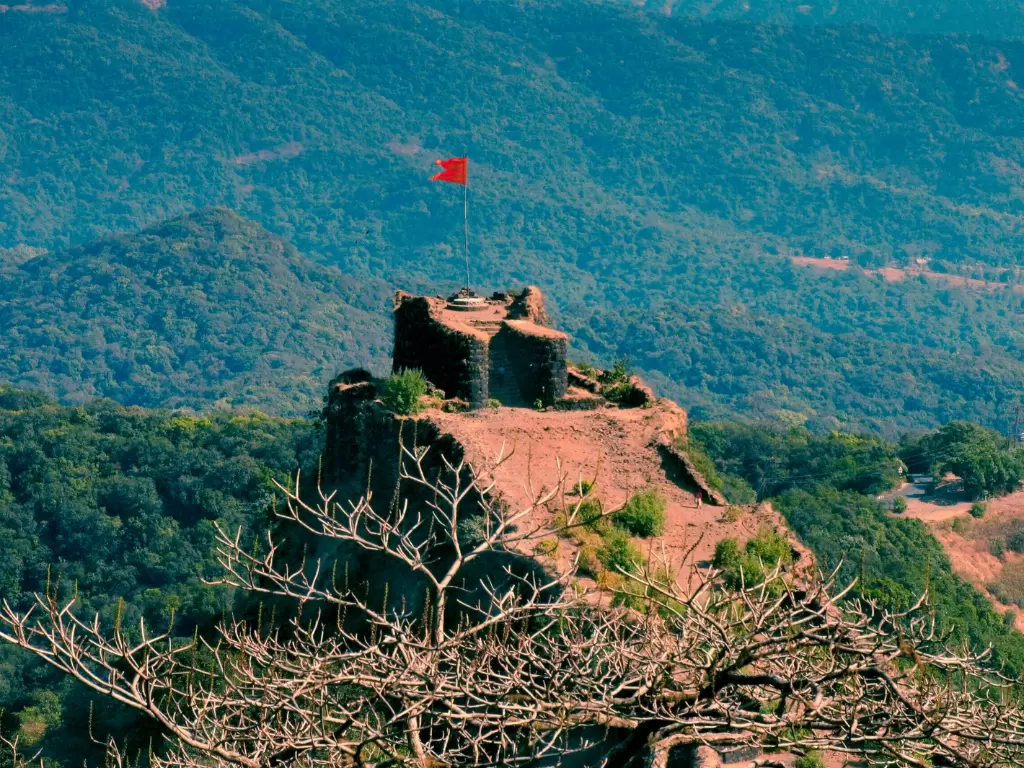
| Entry Fee | No official entry fee to visit the fort, nominal parking charges may apply |
|---|---|
| Timings | Open daily from 6 00 AM to 6 00 PM |
| Altitude (m) | Located at approximately 1080 meters above sea level in the Western Ghats of Maharashtra |
| Ideal Visit Duration | One and a half to three hours to explore fort walls, temples and viewpoints |
| Best Time of Day | Morning hours for cooler weather and clearer valley views |
| Crowd Level | Moderate to high during weekends and holidays, moderate on weekdays |
| Distance from City Centre (km) | Approximately 24 kilometers from Mahabaleshwar town center |
| Walking Difficulty | Moderate walking difficulty with stone steps and uneven fort pathways |
| Parking Available | Yes parking available at the base of the fort near the main entrance |
| Last Mile Access | Accessible by road via taxi bus and private vehicles followed by climb on stone steps to fort entrance |
| Suitable for Kids | Suitable for older children with supervision due to steps and heights |
| Suitable for Seniors | Moderate suitability as climbing steps may require assistance |
| Wheelchair Friendly | Not wheelchair accessible due to steep stone steps and uneven terrain |
Atmosphere at Pratapgad Fort is powerful and historically immersive, set amidst the rugged hills of the Western Ghats overlooking dense forests and deep valleys. The fort’s elevated position offers sweeping panoramic views, cool mountain air, and a sense of stepping back into the era of Maratha valor. Walking through its stone pathways, gateways, and bastions creates a dramatic experience, especially during monsoon when the surrounding landscape turns lush green and mist drifts across the ramparts.
What makes Pratapgad Fort special is its immense historical significance in Maratha history. Built in 1656 by Chhatrapati Shivaji Maharaj, the fort is famously associated with the Battle of Pratapgad against Afzal Khan, a defining moment in establishing Maratha power. The fort complex includes the Bhavani Temple, dedicated to Goddess Bhavani, whom Shivaji deeply revered. Its strategic hilltop design, fortified walls, watchtowers, and defensive layout reflect advanced military architecture of the 17th century.
Beyond its historical depth, Pratapgad Fort appeals to history enthusiasts, trekkers, photographers, and cultural travelers seeking insight into Maharashtra’s warrior heritage. The climb and exploration provide both educational value and scenic enjoyment, blending heritage with the natural beauty of the Sahyadri range. A visit here offers a meaningful connection to Maratha history while enjoying breathtaking mountain landscapes.
Elphinstone Point, located in Mahabaleshwar, Maharashtra, is one of the oldest and most historically significant viewpoints in the hill station. It was named during the British colonial era after Mountstuart Elphinstone, the Governor of Bombay (1819–1827), who played a key role in the development of Mahabaleshwar as a summer retreat for British officials. The point was established as part of early efforts to map and formalize scenic outlooks in the Western Ghats.
Historically, Mahabaleshwar gained prominence in the 19th century when the British identified it as a strategic and climatic refuge from the coastal heat. Elphinstone Point became a favored observation spot due to its dramatic cliff edges and sweeping views of the Sahyadri ranges, deep valleys, and the Koyna River basin. The viewpoint’s rugged rock formations and high elevation offered both scenic appeal and geographical significance during early colonial surveys.
Today, Elphinstone Point remains an iconic landmark within Mahabaleshwar’s tourism circuit. While modern infrastructure has improved visitor access, the viewpoint continues to reflect its colonial-era origins and the enduring natural grandeur that first attracted administrators, travelers, and explorers to this hill station.
The best time to visit Pratapgad Fort depends on weather comfort and visibility, as exploring the fort involves walking on uneven pathways, climbing steps, and spending time outdoors. Choosing the right season enhances both the historical experience and scenic views of the surrounding Sahyadri hills.
October to February is considered the ideal period to visit. During these months, the weather remains cool and pleasant, making it comfortable to explore the fort complex, visit the Bhavani Temple, and enjoy panoramic valley views without exposure to intense heat.
March to May marks the summer season, which can be warm during midday hours. Early morning or late afternoon visits are recommended during this period to avoid peak heat while still enjoying clear views and comfortable exploration.
Monsoon season from June to September transforms the fort surroundings into lush green landscapes with mist-covered hills and flowing streams. While the scenery becomes dramatic and beautiful, pathways may become slippery, and fog can occasionally reduce visibility.
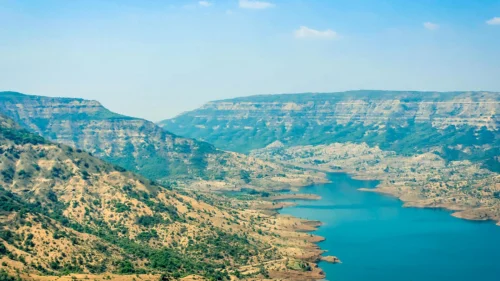 Viewpoint
Babington Point is a scenic viewpoint located in Mahabaleshwar hill station of Satara district, Maharashtra, India.
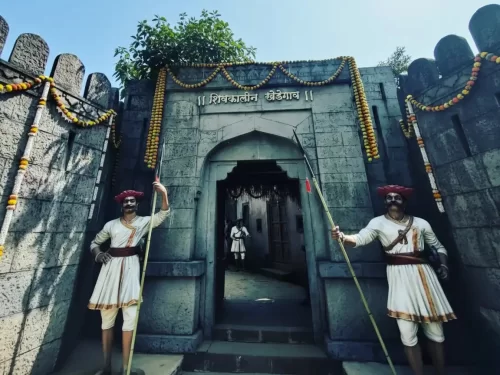 Tourist Attraction
Shivkalin Khedegaon is a heritage-themed village attraction located near Mahabaleshwar in Satara district, Maharashtra, India.
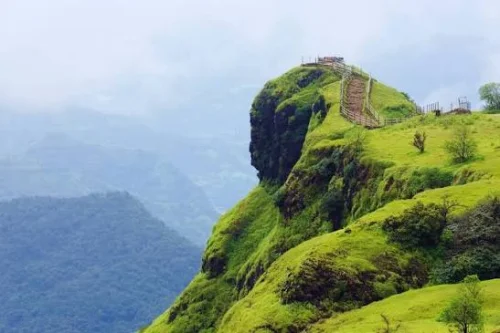 Viewpoint
Helen's Point is a scenic viewpoint located in the hill station of Mahabaleshwar, Satara district, Maharashtra, India.
Get customized Maharashtra tour planning designed around seasonal weather shifts, long-distance road travel flow, hill station comfort, coastal timing, and heritage exploration pacing. Whether you are visiting for historic caves, spiritual journeys, beach
⚡ Quick Response | 💰 Free consultation | 🕒 24×7 expert support

