Matheran Hill Station, Maharashtra, India

Matheran Hill Station , Matheran
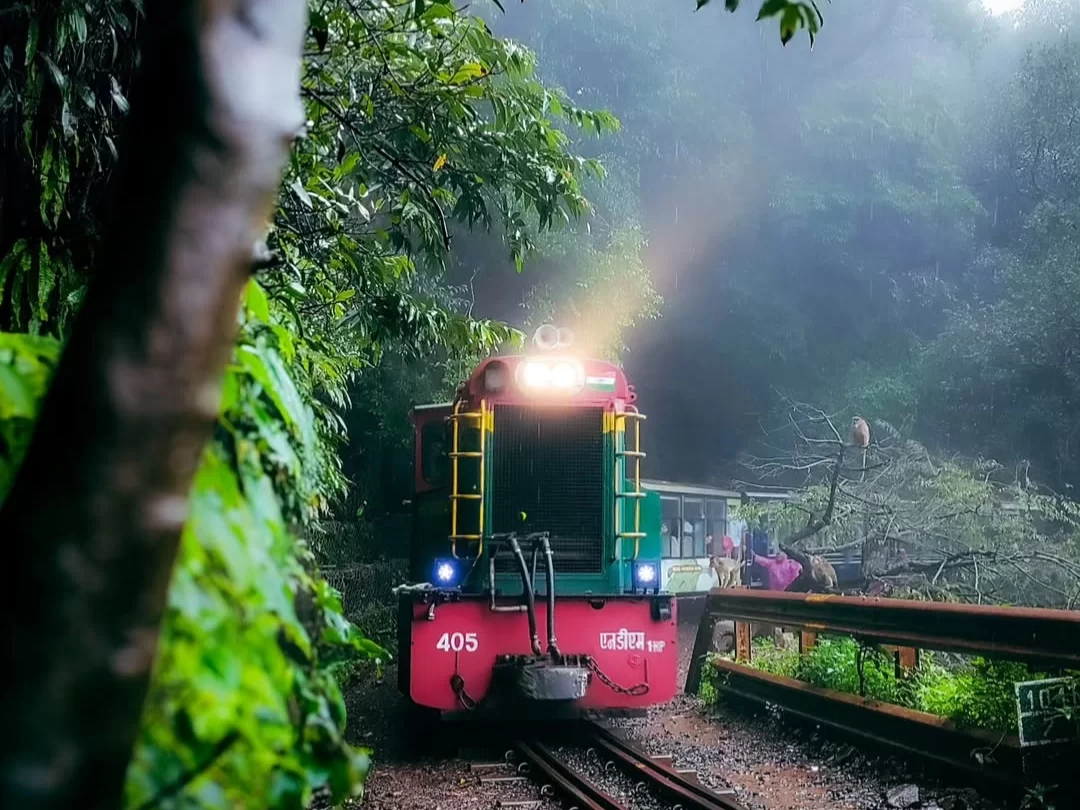
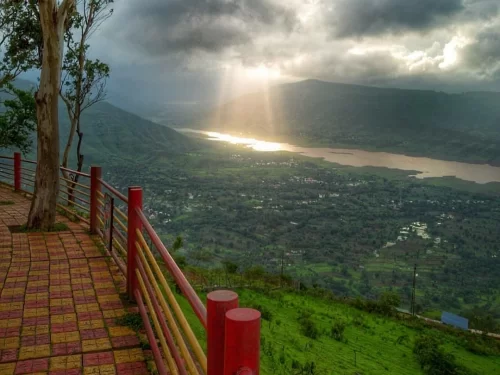
Tourists visit Matheran for its preserved colonial-era layout, network of forest walking trails, heritage narrow-gauge toy train, and multiple cliff-edge viewpoints overlooking the Western Ghats. Its eco-sensitive status restricts motor vehicles, making walking and horse riding the primary modes of local transport.

Quick Facts About Matheran Hill Station

Quick Facts – Matheran Hill Station

Entry Fee Entry fee applicable at Dasturi Naka (collected by Matheran Municipal Council; rates vary for adults and children).
Timings Open year-round; access may be temporarily restricted during extreme monsoon conditions or landslides.
Altitude (m) Approximately 800 m above sea level.
Ideal Visit Duration 1–2 days for covering major viewpoints and Charlotte Lake at a relaxed pace.
Best Time of Day Early morning and late afternoon for viewpoint visits.
Crowd Level High on weekends and public holidays; moderate on weekdays.
Distance from City Centre (km) Not applicable (Matheran itself is the destination; nearest major city Mumbai is approximately 80 km away).
Walking Difficulty Moderate overall; motor vehicles are prohibited inside town, so walking is required for most sightseeing.
Parking Available Yes, at Dasturi Naka (vehicle entry point); no parking inside Matheran town.
Last Mile Access From Dasturi Naka to town by walking, horseback, or hand-pulled rickshaw; toy train operates between Neral and Matheran (subject to seasonal schedule).
Suitable for Kids Yes (car-free environment; supervision required at cliff-edge viewpoints).
Suitable for Seniors Yes, but requires comfort with walking; horseback and rickshaw options available.
Wheelchair Friendly No; uneven laterite paths and vehicle-free terrain limit accessibility.

Why Visit Matheran Hill Station

Matheran Hill Station attracts visitors for its vehicle-free environment, red laterite walking trails, and a network of more than 30 viewpoints overlooking the Western Ghats. Travelers come here for short weekend breaks from Mumbai and Pune, enjoying sunrise and sunset points, forest walks, horseback rides, and the heritage narrow-gauge toy train experience from Neral.

The atmosphere in Matheran is noticeably quieter than most hill stations because motor vehicles are not allowed beyond the entry point. Movement happens on foot, by hand-pulled rickshaw, or on horseback, creating a slower pace. Dense tree cover keeps many pathways shaded, and the central market area remains compact and walkable.

What makes Matheran distinct is its status as one of Asia’s few automobile-free hill stations, combined with its compact size and closely spaced viewpoints. Unlike larger hill towns spread across long distances, Matheran allows travelers to cover lakes, cliffs, and forest trails within a manageable walking radius, making it practical for short, experience-focused stays.

History of Matheran Hill Station

Matheran Hill Station was established in 1850 by Hugh Poyntz Malet, the then Collector of Thane, who identified the forested plateau in the Sahyadri range as a potential sanatorium and summer retreat during the British colonial period. Its elevated position at approximately 800 meters above sea level offered relief from the coastal heat of Mumbai and surrounding lowlands.

In the late 19th century, Matheran developed into a structured hill settlement with bungalows, clubs, churches, and market areas designed in colonial architectural styles. The introduction of the Matheran Light Railway in 1907, built by Sir Adamjee Peerbhoy, significantly improved accessibility from Neral, strengthening its role as a seasonal retreat.

Matheran’s defining historic feature is its strict preservation model: it remains Asia’s only automobile-free hill station, a regulation introduced to protect its fragile laterite soil and dense forest cover. Today, its colonial-era pathways, viewpoints, and heritage structures continue to reflect its original planning as a low-impact mountain retreat.

Best Time to Visit – Matheran Hill Station

Matheran Hill Station is most enjoyable when the weather is cool, visibility across the Sahyadri ranges is clear, and the laterite walking trails remain dry, as the town is vehicle-free and most sightseeing involves walking between viewpoints.

  • Ideal months: October to February offers the most comfortable overall conditions for sightseeing and outdoor exploration.
  • Weather during the best season: Post-monsoon greenery remains vibrant, temperatures usually range between 12–25°C, humidity is lower than peak monsoon months, and skies are clearer—ideal for visiting Panorama Point, Louisa Point, and other cliff viewpoints without haze.
  • Periods to avoid (and why): June to September brings very heavy rainfall, frequent fog, muddy trails, and occasional transport disruptions (toy train services may be suspended). Late April and May afternoons can feel warm and slightly humid, which can make long walks between points less comfortable.

How to Reach Matheran Hill Station

  • Nearest Airport: Chhatrapati Shivaji Maharaj International Airport, Mumbai (approximately 90 km away). From the airport, taxis or app-based cabs to Neral or directly to Dasturi Naka usually take 2.5–3.5 hours depending on Mumbai traffic and expressway conditions.
  • Nearest Railway Station: Neral Junction (around 21 km from Matheran) is the closest major railhead on the Central Railway line between Mumbai and Pune. From Neral, the heritage Neral–Matheran toy train operates on scheduled services subject to seasonal maintenance and weather conditions, especially during the monsoon. Taxis and shared vehicles are available from Neral up to Dasturi Naka.
  • Road Access & Last-Mile Connectivity: Private vehicles and taxis are allowed only up to Dasturi Naka, the official parking and entry point, as Matheran is an eco-sensitive no-vehicle zone. From Dasturi Naka, visitors must proceed on foot, by horseback, or by hand-pulled rickshaw into the hill station (approximately 2.5–3 km to the main market area). Roads beyond this point are unpaved pathways, and travel can be slow during peak weekends and the monsoon season due to crowd movement and slippery terrain.

What to Expect When You Visit Matheran Hill Station

  • Environment and Surroundings: Matheran Hill Station is located in Raigad district, Maharashtra, at an elevation of approximately 800 metres in the Western Ghats. It is officially designated as an eco-sensitive zone and is entirely vehicle-free beyond Dasturi Naka. The landscape consists of red laterite pathways, dense forest cover, multiple cliff-edge viewpoints, and seasonal waterfalls during the monsoon (June to September). Weather remains cooler than the plains, but humidity can be high. In peak monsoon, heavy fog and continuous rainfall can limit visibility and outdoor movement.
  • Facilities and Amenities: The main market area contains hotels, guesthouses, small restaurants, medical stores, and basic banking facilities. Infrastructure is simple compared to larger hill stations; luxury amenities are limited. Public toilets are available in select areas, but not near every viewpoint. Electricity supply is available in most accommodations, though occasional outages may occur during heavy rains. Mobile network coverage varies by provider and may be weak near forested viewpoints.
  • Accessibility and Movement: Private vehicles are permitted only up to Dasturi Naka parking area. From there, visitors must walk approximately 2–3 km to the main market, hire a horse, or use a hand-pulled rickshaw (subject to availability). The Matheran Narrow Gauge Toy Train operates seasonally between Neral and Matheran, depending on weather and operational conditions. Movement within the hill station is entirely on foot or horseback along unpaved laterite paths, which can become dusty in summer and muddy during monsoon.
  • Typical Visitor Behavior and Conditions: Matheran attracts families, weekend travellers from Mumbai and Pune, and school groups. Weekends and public holidays see high footfall, particularly between October and February. Visitors typically explore multiple viewpoints, Charlotte Lake, and the market area over one or two days. During peak tourist seasons, accommodation rates increase and horse traffic along main paths becomes heavier. In monsoon, some viewpoints may have restricted visibility due to dense fog.

Important Visitor Information – Matheran Hill Station

  • Crowd & Weather Notes: Matheran experiences heavy tourist inflow on weekends, long holidays, and during the winter season (October to February) when weather is cool and visibility is clear. Summer (March to May) remains warm during midday but comparatively less crowded on weekdays. Monsoon (June to September) brings dense fog, heavy rainfall, muddy laterite pathways, and temporary trail closures, though the landscape turns lush and waterfall views improve.
  • Peak / Quiet Hours: Peak movement occurs between 10:00 AM and 6:00 PM around Matheran Market, Charlotte Lake, and major viewpoints. Early mornings before 9:00 AM and late evenings after 7:00 PM are quieter, especially on weekdays.
  • Dress Code: No formal dress code applies across the hill station. Comfortable walking shoes are essential due to unpaved red-soil paths. Modest attire is recommended when visiting temples such as Pisarnath Temple. During monsoon, waterproof clothing is advisable.
  • Safety Notes: Matheran is an officially automobile-free hill station; access beyond Dasturi Naka is by walking, hand-pulled rickshaw, horse, or toy train (when operational). Many viewpoints have exposed cliff edges with limited fencing; caution is required, especially in fog or strong winds. Medical facilities are basic, so visitors should carry essential medicines and drinking water.

Photography and Viewpoints – Matheran Hill Station

  • Best viewpoints/angles: Panorama Point and Louisa Point offer wide Sahyadri ridge and valley panoramas; Charlotte Lake provides reflection-based compositions from the dam embankment; One Tree Hill Point and Echo Point are strong for cliff-edge valley depth shots; King George and Alexander Points are ideal during monsoon for photographing seasonal waterfalls across opposite rock faces.
  • Lighting & time-of-day: Early mornings provide the clearest long-distance visibility before haze builds over the valleys; late afternoons enhance ridge textures with side lighting and are preferred for sunset silhouettes at west-facing points; monsoon months bring diffused light and dramatic cloud movement, though visibility can change rapidly within minutes.
  • Rules/restrictions: Matheran is an eco-sensitive, vehicle-free hill station—photography is generally allowed at designated viewpoints, but crossing safety barriers or accessing cliff edges beyond railings is unsafe and not permitted; drone usage is typically restricted and may require formal permission from authorities.
  • Crowd & access factors: Weekends, holidays, and sunset hours draw higher footfall at major points, limiting space for unobstructed frames; weekdays and early mornings offer clearer sightlines; red laterite soil trails can be dusty in summer and slippery in monsoon, affecting stability while carrying equipment between viewpoints.

Near By Attraction

Entrance of Pisarnath Mahadev Temple in Matheran, Maharashtra, surrounded by forested surroundings and traditional temple architecture, a spiritual attraction included in Maharashtra tour packages. Temple

Pisarnath Mahadev Mandir

Pisarnath Mahadev Mandir is a historic Hindu temple dedicated to Lord Shiva, located near Charlotte Lake in Matheran, Raigad district, Maharashtra, India.

Sunset view at Akshi Beach in Alibaug, Maharashtra, with fishing boats resting near the mangrove-lined shore, a serene coastal escape included in Maharashtra tour packages. Viewpoint

Sunset Point Matheran

Sunset Point, also known locally as Porcupine Point, is a western-edge viewpoint in Matheran hill station, Raigad district, Maharashtra, India.

View from Little Chowk Point in Matheran, Maharashtra, overlooking lush valleys, rocky cliffs, and a distant lake, a scenic viewpoint featured in Maharashtra tour packages. Viewpoint

Little Chowk Point

Little Chowk Point is a lesser-known viewpoint located within the forested trail network of Matheran hill station in Maharashtra, India.

Frequently Asked Questions About Matheran Hill Station

The best time to visit Matheran Hill Station is from October to March when the weather remains cool and pleasant for sightseeing. Clear skies during winter months offer better valley views.
Matheran Hill Station can be reached by road up to Dasturi Naka from Mumbai in Maharashtra, followed by walking, horse ride, or hand pulled rickshaw into the main town. The nearest railway access is Neral station on the Mumbai Pune route.
An entry fee is charged at the main checkpoint before entering Matheran Hill Station. The fee applies per person and helps maintain the eco sensitive zone.
Motor vehicles are not allowed inside Matheran Hill Station, making walking, horse rides, and hand pulled rickshaws the primary modes of transport. This vehicle free rule keeps the environment quieter and cleaner.
Two days are usually sufficient to explore Matheran Hill Station comfortably. This allows time to visit major viewpoints, relax, and enjoy the forest trails.
Matheran Hill Station is suitable for families due to its peaceful atmosphere and absence of traffic. Supervision is still required near cliff side viewpoints.
Hotels, guesthouses, and resorts are available across different budget ranges in Matheran Hill Station. Advance booking is recommended during weekends and holiday seasons.
Matheran Hill Station is accessible during monsoon, but heavy rainfall can make trails muddy and slippery. Travelers should check weather conditions before planning a visit during rainy months.
Matheran Hill Station features popular viewpoints such as Panorama Point, Echo Point, and Charlotte Lake area. Each viewpoint offers different perspectives of the surrounding hills and valleys.
Travelers should carry comfortable walking shoes, drinking water, light jackets, and basic medical supplies while visiting Matheran Hill Station. It is advisable to pack light due to restricted vehicle access.

Loved this place ? Let’s Plan Your Maharashtra Trip

Get customized Maharashtra tour planning designed around seasonal weather shifts, long-distance road travel flow, hill station comfort, coastal timing, and heritage exploration pacing. Whether you are visiting for historic caves, spiritual journeys, beach

⚡ Quick Response | 💰 Free consultation | 🕒 24×7 expert support

×

Plan Your Trip