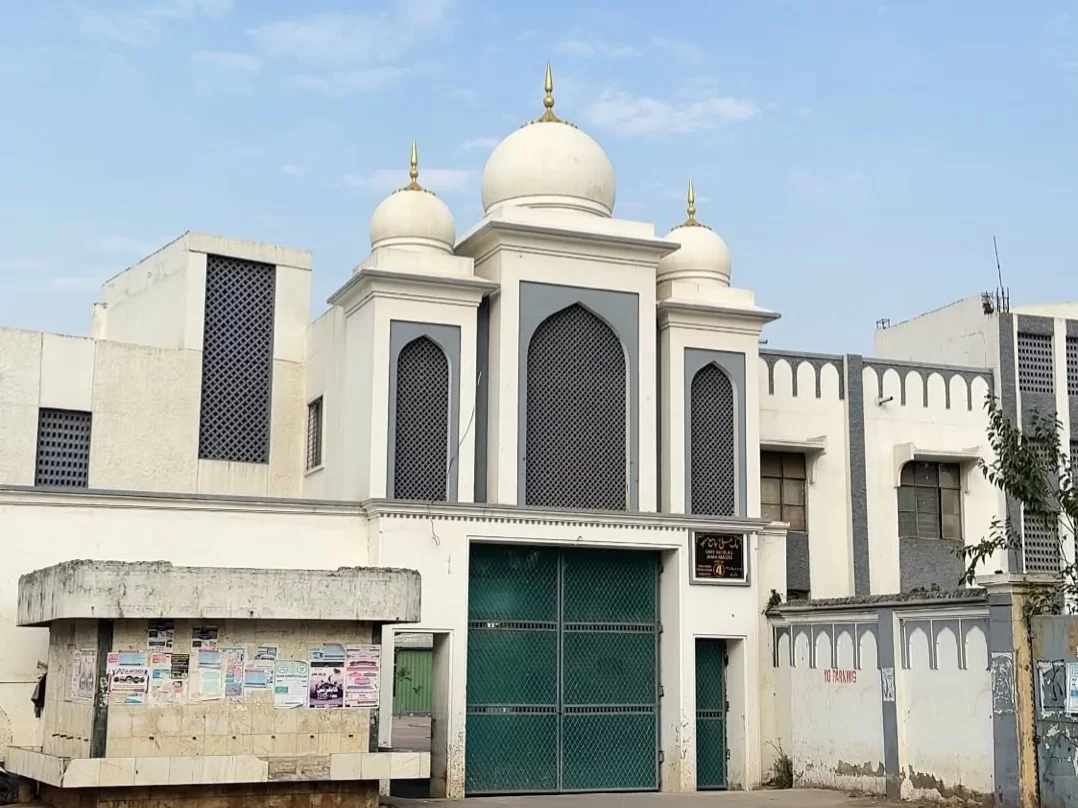
Jama Masjid in Aurangabad, Maharashtra, India

Jama Masjid Aurangabad , Aurangabad
Tourists visit to admire its stunning architectural features, including intricate carvings, expansive courtyards, and the large central dome. It is an important religious and cultural landmark in the city.

Quick Facts About Jama Masjid Aurangabad

Quick Facts for Jama Masjid, Aurangabad

Entry Fee Free
Timings 5:00 AM - 9:00 PM (timings may vary for prayer times)
Altitude (m) Approx. 490 m
Ideal Visit Duration 30 minutes to 1 hour
Best Time of Day Morning or evening (for peaceful visit and photography)
Crowd Level Low to moderate (crowds may increase during prayer times and weekends)
Distance from City Centre (km) Approx. 2 km from Aurangabad city centre
Walking Difficulty Easy (paved pathways to the mosque)
Parking Available Yes (limited parking available near the mosque)
Last Mile Access Accessible by car/auto up to the mosque entrance
Suitable for Kids Yes (with supervision during prayer times)
Suitable for Seniors Yes
Wheelchair Friendly Partially (level access to the mosque, but some internal areas may have steps)

Why Visit Jama Masjid Aurangabad

Visitors come to Jama Masjid in Aurangabad to admire its stunning Mughal architecture and spiritual significance. Built during the reign of Aurangzeb, this mosque is a fine example of Indo-Islamic design, with intricate carvings, tall minarets, and a large central prayer hall. The mosque serves as an important religious site for locals and is a key historical landmark in the city.

The on-ground atmosphere is peaceful and reverent, with the mosque’s serene environment offering a quiet place for prayer and reflection. Visitors can explore the mosque’s architectural beauty, including its vast courtyard and elegant arches, while also observing the daily prayers and rituals conducted by devotees. The surrounding area, with its bustling markets and local life, adds to the mosque’s vibrant yet tranquil ambiance.

What makes Jama Masjid Aurangabad distinct for travelers is its historical significance and architectural elegance. Unlike other Mughal-era monuments, this mosque offers both religious and cultural insights, showcasing the grandeur of the Mughal era while remaining an active center of worship. It’s a must-visit for those interested in the history of the Mughal Empire and Islamic architecture.

History of Jama Masjid Aurangabad

Jama Masjid, located in the heart of Aurangabad, Maharashtra, is one of the most prominent and historic mosques in the region. It was built in the 17th century by the Mughal emperor Aurangzeb during his reign. The mosque reflects the architectural style typical of the Mughal era, with its grand structure, intricate carvings, and elegant domes.

The Jama Masjid features a spacious prayer hall with several large arches and a beautifully designed minaret. Its architectural design blends Persian, Mughal, and local influences, showcasing the grandeur of Mughal religious architecture. The mosque is made from a combination of sandstone and marble, with fine detailing in the carvings and calligraphy that adorn the walls.

Today, Jama Masjid serves as an important religious center in Aurangabad. It continues to host daily prayers, religious events, and special gatherings, especially during significant Islamic festivals. The mosque’s historical significance, combined with its architectural beauty, makes it a key attraction for tourists and pilgrims alike, offering a glimpse into the cultural and religious history of the region.

Best Time to Visit Jama Masjid, Aurangabad

The best time to visit Jama Masjid in Aurangabad is from October to March, when the weather is cooler and more comfortable for exploring the mosque's stunning architecture and nearby attractions.

  • Ideal months: October to March, with November to February being the most pleasant for outdoor sightseeing and photography.
  • Weather conditions during the best season: Expect temperatures between 15°C and 25°C with low humidity and clear skies, making it ideal for walking around the mosque and exploring the local area.
  • Periods to avoid: April to June due to high heat (often exceeding 40°C), which can make outdoor exploration uncomfortable; July to September during the monsoon, when rain can affect travel plans and make the area slippery.

How to Reach Jama Masjid, Aurangabad

  • Nearest Airport: Aurangabad Airport (IXU) is the nearest airport, located approximately 8–10 km from Jama Masjid. The airport offers domestic flights to major cities like Mumbai, Delhi, Pune, and Hyderabad. Taxis and app-based cabs are available at the airport, and the drive typically takes around 20–30 minutes depending on traffic.
  • Nearest Railway Station: Aurangabad Railway Station (AWB) is about 4–5 km from Jama Masjid. It is well connected to major cities like Mumbai, Delhi, and Hyderabad by express and passenger trains. Auto-rickshaws, taxis, and local buses are easily available from the station for a short ride to the mosque.
  • Road Access: Jama Masjid is located in the heart of Aurangabad city, making it easily accessible by road from the city center. It is situated on a well-maintained road, and the drive from key landmarks such as the railway station and bus stand typically takes 10–15 minutes.
  • Last-Mile Connectivity: Taxis, auto-rickshaws, and local buses provide easy access to the mosque entrance. Parking is available near the mosque, but expect more visitors on weekends and during public holidays, so plan extra time for parking and accessing the site.

What to Expect When You Visit Jama Masjid Aurangabad

Jama Masjid in Aurangabad is one of the prominent mosques in the city, showcasing Mughal architectural elegance. Built during the reign of Mughal Emperor Aurangzeb, the mosque is known for its grand structure and intricate design, and it serves as both a place of worship and an architectural landmark in the region.

  • Environment and surroundings: The Jama Masjid is located in the heart of Aurangabad, surrounded by busy streets and city life. The mosque itself offers a peaceful and tranquil environment, with expansive courtyards and towering minarets. The architectural design combines Mughal and regional styles, with high domes, arched doorways, and ornate decoration. The atmosphere inside is serene, with the sounds of prayers and the call to prayer filling the air. It provides a welcome contrast to the busy surroundings, offering a calm space for prayer and reflection.
  • Facilities and amenities: The mosque provides basic amenities such as shoe storage, water points, and restrooms. There are no large-scale commercial facilities like restaurants inside the mosque premises. Small vendors selling religious items, flowers, and offerings can often be found near the mosque. Visitors should be prepared to bring their own water, especially if visiting for an extended period. The mosque is primarily a religious space, so amenities are functional rather than tourist-oriented.
  • Accessibility and movement: Jama Masjid is easily accessible by road from various parts of Aurangabad, with taxis, rickshaws, and private vehicles available. The mosque is located in a busy part of the city, and parking near the entrance may be limited, especially during peak times. Inside the mosque, visitors will find flat, paved walkways leading to the prayer hall. The mosque is open to all visitors, but women are advised to dress modestly and follow the local customs. There may be stairs to access certain areas, but the mosque is generally easy to navigate.
  • Typical visitor behavior and conditions: The mosque is primarily a place of worship, and visitors typically come for prayer, reflection, and to admire the architecture. The atmosphere is respectful and calm, with most visitors either participating in prayers or quietly exploring the mosque's beauty. Visitors are expected to remove their shoes before entering, dress modestly, and maintain decorum. Photography is generally allowed in some areas but should be done respectfully. The mosque is a peaceful destination but can get busier during prayer times, especially on Fridays and during Islamic festivals.

Important Visitor Information for Jama Masjid, Aurangabad

  • Crowd and Weather Notes: Jama Masjid in Aurangabad is one of the city's prominent and active mosques, drawing visitors both for its historical significance and religious importance. The mosque is generally busier during prayer times, especially on Fridays and during Ramadan. The weather in Aurangabad can be extremely hot in the summer, while winters offer more comfortable visiting conditions. The monsoon season brings rain, which can make the steps and pathways around the mosque slippery.
  • Peak and Quiet Visiting Hours: The mosque is busiest during prayer times, particularly around the Friday congregational prayers (Jumu'ah), and during major Islamic festivals. For a quieter visit, it’s best to arrive early in the morning or after evening prayers when the crowds are smaller, and the temperature is cooler.
  • Dress Code: As Jama Masjid is a religious site, visitors are expected to dress modestly. Men should avoid wearing shorts, while women should cover their shoulders and knees. It is customary for both men and women to remove their footwear before entering the mosque premises. If visiting during prayer times, it’s advisable to wear loose, respectful clothing.
  • Safety Notes and Practical Cautions: Jama Masjid is a safe and active place of worship, but visitors should be respectful of the religious practices taking place. The stone flooring can become slippery, particularly during or after rainfall, so be cautious while walking. Keep personal belongings secure, especially during busy prayer times when the mosque can become crowded. If you plan to visit the mosque during religious events, expect larger crowds and longer wait times for darshan or prayer.

Photography and Viewpoints in Jama Masjid Aurangabad

Jama Masjid in Aurangabad, Maharashtra, is a beautiful example of Mughal architecture, known for its intricate design, large courtyards, and tall minarets. The mosque, built by Aurangzeb, showcases grand Mughal arches, delicate stone carvings, and a serene atmosphere that provides a peaceful environment for photography.

  • Best Viewpoints for Photography: The most iconic shots of Jama Masjid are from the central courtyard, where the tall minarets, arches, and domes can be framed symmetrically against the sky. The open courtyard with its stone pathways and surrounding walls provides an excellent perspective to capture the mosque’s vastness. For detailed shots, focus on the stone carvings, decorative arches, and intricate patterns along the mosque's exterior. The entrance to the mosque also offers a great angle to photograph the grandeur of the structure from the front.
  • Lighting Conditions and Time-of-Day Considerations: Early morning is the best time for photography, as the light is soft and diffused, making it perfect for capturing the stone textures and architectural details. The golden hour, just before sunset, also enhances the mosque’s beauty, casting warm tones across the structure. Midday sunlight can be intense and may create harsh shadows, so it’s better to focus on shaded areas or the mosque’s detailed carvings during this time.
  • Rules and Restrictions: Photography is generally allowed in the mosque and its courtyards, but flash photography may be restricted inside the prayer hall to preserve the sacred atmosphere. Tripods or professional photography equipment may require prior permission from the mosque authorities. Always check for any specific photography rules, especially during prayer times or special religious events.
  • Crowd and Access Factors: Jama Masjid is a significant religious site, so it can be busier during prayer times, weekends, or religious festivals. For unobstructed photos, it’s best to visit early in the morning on weekdays when the mosque is less crowded. The mosque is located in a busy area of Aurangabad, so be mindful of the crowds, especially if you plan to photograph during peak times.

Near By Attraction

Rashtrakuta Era Shri Kailasa Temple Ellora. UNESCO World Heritage rock-cut temple carved from a single monolithic rock. Temple

Rashtrakuta Era Shri Kailasa Temple, Ellora

Shri Kailasa Temple is a remarkable rock-cut temple from the Rashtrakuta dynasty, carved from a single monolithic stone in the 8th century CE.

Soneri Mahal historic palace with garden reflection in Aurangabad Maharashtra tour packages Monument

Soneri Mahal

Soneri Mahal is a historic palace known for its golden and intricate architectural design, dating back to the 17th century.

Goga Baba Hill Aurangabad. Popular trekking spot with lush green trails and panoramic monsoon views. Hill Station

Goga Baba Hill

Goga Baba Hill is a hilltop shrine dedicated to the folk hero Goga Baba, a revered saint in the region.

Frequently Asked Questions About Jama Masjid Aurangabad

Jama Masjid Aurangabad is located in the old city area of Aurangabad in Maharashtra near the city center. It is one of the prominent historical mosques in the region.
Jama Masjid Aurangabad can be reached within 15 to 20 minutes by taxi auto or local bus from Aurangabad railway station depending on traffic. It is easily accessible by road.
The best time to visit Jama Masjid Aurangabad is between October and March when the weather remains pleasant for sightseeing. Visiting outside peak prayer hours allows a quieter experience.
Jama Masjid Aurangabad is historically significant as it dates back to the Mughal period and reflects classic Islamic architectural style. It remains an active place of worship.
Jama Masjid Aurangabad is suitable for family visits provided visitors respect prayer timings and dress modestly. The mosque courtyard is spacious and easy to navigate.
There are several hotels near Jama Masjid Aurangabad in central Aurangabad offering accommodation options from budget to premium categories. Staying in the city center provides convenient access.
Jama Masjid Aurangabad provides basic facilities including a prayer hall and open courtyard. Restrooms and eateries are generally available in the surrounding market area.
Most travelers spend 20 to 40 minutes at Jama Masjid Aurangabad observing the architecture and courtyard area. It is often included in a short heritage walk within the old city.
Jama Masjid Aurangabad becomes more crowded during Friday prayers and major Islamic festivals. Planning visits outside prayer hours ensures smoother entry and exploration.
Travelers visiting Jama Masjid Aurangabad should wear modest clothing remove footwear before entering and respect religious customs. Photography rules should be confirmed before taking pictures.

Loved this place ? Let’s Plan Your Maharashtra Trip

Get customized Maharashtra tour planning designed around seasonal weather shifts, long-distance road travel flow, hill station comfort, coastal timing, and heritage exploration pacing. Whether you are visiting for historic caves, spiritual journeys, beach

⚡ Quick Response | 💰 Free consultation | 🕒 24×7 expert support

×

Plan Your Trip