Quick Facts About Jai Vinayak Mandir
Quick Facts for Jai Vinayak Mandir
| Entry Fee | Free |
| Timings | 6:00 AM - 8:00 PM |
| Altitude (m) | 350 m |
| Ideal Visit Duration | 1-1.5 hours |
| Best Time of Day | Morning or late evening |
| Crowd Level | Low to moderate, higher during festivals |
| Distance from City Centre (km) | 4 km |
| Walking Difficulty | Easy |
| Parking Available | Yes |
| Last Mile Access | Accessible by foot from the parking area |
| Suitable for Kids | Yes |
| Suitable for Seniors | Yes |
| Wheelchair Friendly | No |
Why Visit Jai Vinayak Mandir
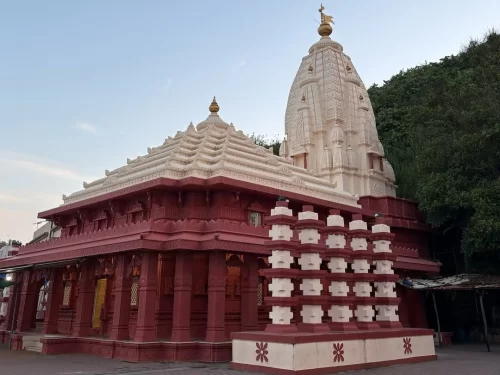
Visitors come to Jai Vinayak Mandir for its spiritual significance and peaceful environment. Located in the heart of the region, this temple is dedicated to Lord Ganesha and attracts devotees seeking blessings for success and prosperity. The serene atmosphere, coupled with the temple’s simple yet beautiful architecture, makes it a perfect spot for prayer and reflection.
The atmosphere at Jai Vinayak Mandir is calm and devotional, with visitors often engaged in offering prayers and seeking spiritual solace. The temple's peaceful surroundings and quiet ambiance provide a serene escape from the noise of daily life, making it a sanctuary for those looking to connect with their spiritual side.
What makes Jai Vinayak Mandir distinct for travelers is its welcoming atmosphere and the opportunity to experience local religious practices. The temple's modest yet meaningful structure offers an intimate connection to the culture and devotion of the area, providing a unique and enriching spiritual experience for visitors.
History of Jai Vinayak Mandir
Jai Vinayak Mandir, located in [specific location], is a revered Hindu temple dedicated to Lord Ganesha, the deity of wisdom and remover of obstacles. The temple has significant religious and cultural importance, drawing devotees from near and far to seek blessings and offer prayers, particularly during the Ganesh Chaturthi festival.
The history of Jai Vinayak Mandir dates back to [specific year or period], with its origins rooted in the local tradition of worshiping Lord Ganesha. Over time, the temple has evolved into a central place of worship, reflecting the region's spiritual devotion and architectural beauty. Its serene atmosphere provides a peaceful setting for meditation and spiritual reflection.
Today, Jai Vinayak Mandir remains an important cultural and religious site for the local community. The temple continues to play a vital role in the celebration of festivals, especially Ganesh Chaturthi, and attracts pilgrims who come to pay homage to Lord Ganesha, seeking his blessings for prosperity and success.
Best Time to Visit Jai Vinayak Mandir
The best time to visit Jai Vinayak Mandir is from October to March. During this period, the weather is cooler and more comfortable for temple visits and exploring the peaceful surroundings.
- Ideal months: October to March, when the weather is mild and the climate is perfect for spiritual activities and relaxation around the temple.
- Weather conditions during the best season: Expect temperatures ranging from 15°C to 25°C, with clear skies and cool breezes, providing a pleasant atmosphere for visitors.
- Periods to avoid: June to September, during the monsoon season, when heavy rainfall can make the temple's pathways slippery and less accessible, potentially disrupting travel plans.
How to Reach Jai Vinayak Mandir
- Nearest Airport: The nearest airport to Jai Vinayak Mandir is Ratnagiri Airport (RTC), located approximately 25 kilometers away. The airport offers limited domestic flights, connecting Ratnagiri to Mumbai and Pune.
- Nearest Railway Station: The nearest railway station is Ratnagiri Junction (RNG), situated around 20 kilometers from Jai Vinayak Mandir. It is well-connected to major cities like Mumbai, Pune, and Goa with regular train services.
- Road Access: Jai Vinayak Mandir is easily accessible by road from Ratnagiri city center, located around 20 kilometers away. The drive takes about 30 minutes, with smooth roads leading directly to the temple.
- Last-Mile Connectivity: Visitors can reach Jai Vinayak Mandir by hiring taxis, auto-rickshaws, or using local buses. Walking from nearby parking areas or landmarks is also an option for those who prefer to explore the surroundings.
What to Expect When You Visit Jai Vinayak Mandir
Jai Vinayak Mandir is a tranquil temple dedicated to Lord Ganesha, offering a peaceful environment for worshippers and visitors alike. Here's what you can expect when you visit this sacred site.
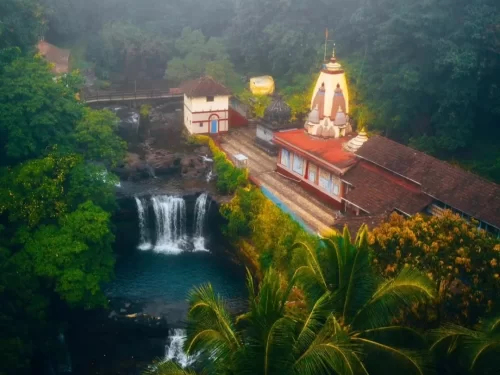
- Environment and Surroundings: Jai Vinayak Mandir is situated in a serene location, surrounded by lush greenery and a calm atmosphere. The temple’s surroundings are peaceful, providing a quiet space for contemplation and prayer. The area is often less crowded, making it ideal for visitors seeking a moment of tranquility. The weather in the region can be warm during the summer, but the temple grounds offer shade and a cool breeze, making it pleasant to visit during early mornings or evenings.
- Facilities and Amenities: The temple offers basic amenities such as seating areas for visitors to rest and peaceful spots for meditation or prayer. There are small vendors selling offerings for worship, but food and large-scale dining options are not available within the temple complex. Restroom facilities are provided, though they are basic. Since the temple is more spiritual and less commercialized, visitors should come prepared with their own water or snacks if planning to spend extended time on the grounds.
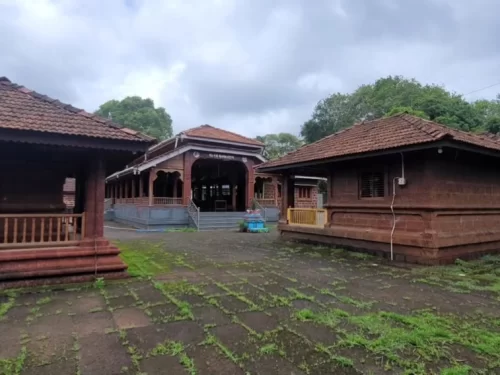
- Accessibility and Movement: Jai Vinayak Mandir is easily accessible by road, and visitors can reach the temple via private vehicles or taxis. The temple premises are walkable, with paved paths that make it easy to navigate the area. There are some steps to access certain parts of the temple, but it is generally accessible to most visitors. For those with mobility concerns, it’s advisable to check ahead for any specific accessibility provisions, as the site may not have specialized ramps or assistance for visitors with physical challenges.
- Typical Visitor Behavior and Conditions: Visitors to Jai Vinayak Mandir typically come to offer prayers and enjoy the peaceful surroundings. The atmosphere inside the temple is generally quiet, with visitors engaging in spiritual practices or meditative reflection. The temple is less crowded than many major religious sites, providing a calm space for worship and relaxation. Visitors are expected to follow the temple’s customs, such as removing shoes before entering, dressing modestly, and maintaining a respectful demeanor. It is also advisable to avoid loud conversations and disturbances, as the temple is a place for peace and spirituality.
Important Visitor Information for Jai Vinayak Mandir
- Crowd and Weather Notes: Jai Vinayak Mandir attracts a moderate number of visitors, especially during Ganesh Chaturthi and other religious festivals. The temple is generally quieter on weekdays. The climate is warm, with hot summers and milder winters. During the monsoon season, the area may experience rain, so it's advisable to check the weather before visiting to avoid any inconvenience.
- Peak and Quiet Visiting Hours: The busiest visiting hours are typically from 10:00 AM to 2:00 PM, especially on weekends and festival days. For a more peaceful visit, it's recommended to arrive early in the morning, from 6:00 AM to 8:00 AM, or later in the evening, from 4:00 PM to 6:00 PM, when the temple is less crowded and more serene.
- Dress Code: As Jai Vinayak Mandir is a religious site, visitors are expected to dress modestly. Men and women should cover their shoulders and knees. It is advisable to avoid wearing sleeveless tops, shorts, or revealing clothing. Comfortable, closed-toe shoes are recommended, as visitors are required to remove footwear before entering the temple.
- Safety Notes and Practical Cautions: Jai Vinayak Mandir is generally safe for visitors. However, as the temple can get crowded during peak times, it's advisable to keep an eye on personal belongings. Be cautious of slippery steps or pathways, especially during the rainy season. Carry water to stay hydrated and use sunscreen if visiting during the summer months. If you plan to visit during peak festival times, expect larger crowds and plan accordingly.
Photography and Viewpoints in Jai Vinayak Mandir
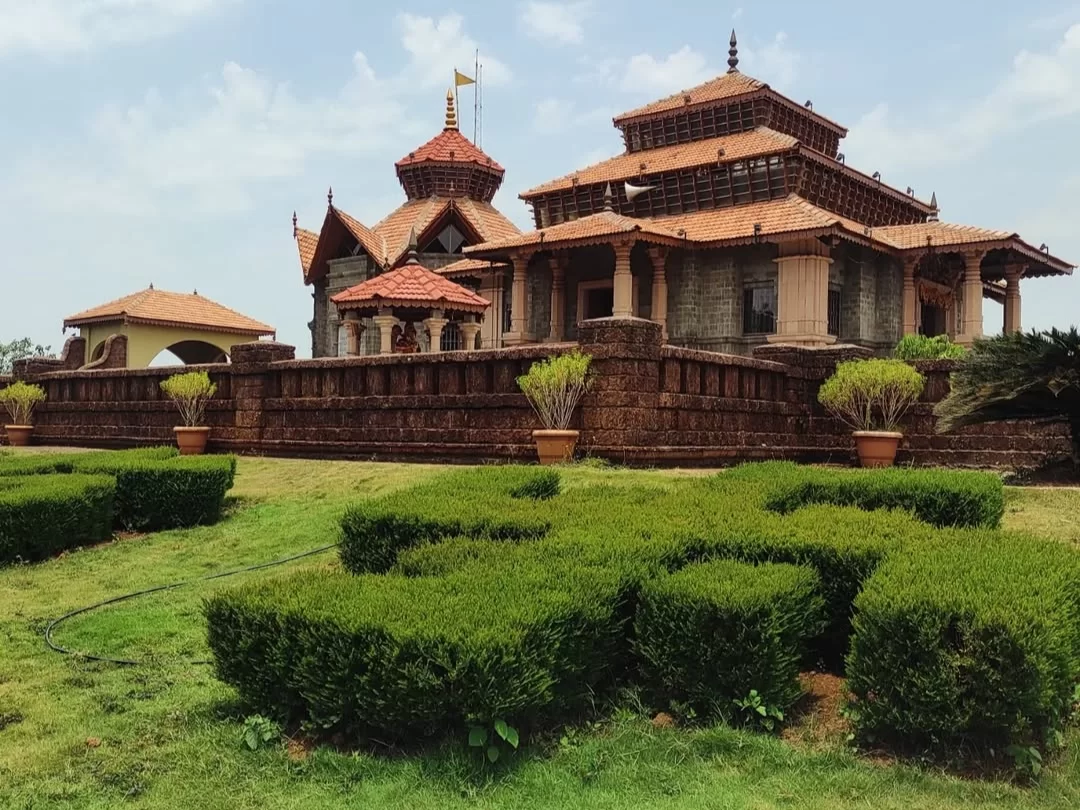
Jai Vinayak Mandir, located in a serene setting, is a beautiful temple dedicated to Lord Ganesha. Its intricate architecture, peaceful surroundings, and vibrant religious atmosphere make it an ideal spot for capturing cultural, architectural, and spiritual moments through photography.
- Best Viewpoints for Photography: The temple's main entrance, with its ornate carvings, offers a striking viewpoint for photographing the temple's intricate details against the backdrop of the surrounding greenery. The temple’s sanctum, where the idol of Lord Ganesha is placed, is an excellent location for close-up shots capturing the spiritual ambiance. The elevated areas around the temple provide wide-angle views of the temple complex and the surrounding landscape.
- Lighting Conditions and Time-of-Day Considerations: Early morning and late afternoon provide the best lighting conditions for photography at Jai Vinayak Mandir. The soft light during the golden hour enhances the temple’s stone carvings and gives the surroundings a warm, peaceful glow. Midday sun can be harsh, especially in the open temple courtyard, so it’s best to avoid this time for wide-angle shots, focusing instead on smaller, shaded areas or close-ups.
- Rules and Restrictions: Photography is generally allowed in most parts of Jai Vinayak Mandir, but visitors should be respectful of the temple's sacred nature. Flash photography is discouraged, particularly near the idol of Lord Ganesha, as it may disturb the serene atmosphere. Always ask for permission or check for any specific rules regarding photography, especially during prayer times or religious ceremonies.
- Crowd and Access Factors: Jai Vinayak Mandir can get busy during weekends and religious festivals, which may affect your ability to take uninterrupted photos. To capture the temple in its peaceful state, consider visiting early in the morning or on weekdays when the temple is quieter, allowing for a more serene photography experience.