Gupt Bhimashankar Temple, Bhimashankar Wildlife Sanctuary, Maharashtra, India

Gupt Bhimashankar Temple , Bhimashankar
According to local tradition, the Bhima River is believed to re-emerge at this spot after flowing underground from the Bhimashankar Temple. Visitors come for its religious significance, forest surroundings, and short trek through the wildlife sanctuary, making it a popular stop for pilgrims and nature enthusiasts.

Quick Facts About Gupt Bhimashankar Temple

Gupt Bhimashankar Temple, Maharashtra Quick Facts

Entry Fee Free
Timings Open during daylight hours; access depends on weather and forest conditions.
Altitude (m) Approximately 1,000 m
Ideal Visit Duration 1–2 hours
Best Time of Day Morning for comfortable trekking conditions and better visibility.
Crowd Level Low to moderate; busier during weekends, Mahashivratri, and the post-monsoon trekking season.
Distance from City Centre (km) Approximately 1.5 km from the Bhimashankar Temple complex via the forest trail.
Walking Difficulty Moderate; the temple is reached via a forest trail with uneven ground, steps, and natural terrain.
Parking Available Parking is available near the main Bhimashankar Temple; no dedicated parking is available at Gupt Bhimashankar.
Last Mile Access Accessible by a marked walking trail from the main Bhimashankar Temple through the Bhimashankar Wildlife Sanctuary.
Suitable for Kids Yes, for children comfortable with short forest walks under adult supervision.
Suitable for Seniors Only for physically fit seniors who can walk on uneven forest trails.
Wheelchair Friendly No; the forest trail and natural terrain are not wheelchair accessible.

Why Visit Gupt Bhimashankar Temple, Maharashtra

Visitors come to Gupt Bhimashankar Temple to experience a sacred site associated with the Bhimashankar pilgrimage and to enjoy the tranquil forest surroundings of the Western Ghats. According to local belief, the Bhima River reappears here after flowing underground from the main Bhimashankar Temple.

The atmosphere is quiet and serene, with a forest trail leading to the temple through dense greenery and natural streams. The peaceful setting, accompanied by the sounds of birds and flowing water, offers a different experience from the busier main temple complex.

What makes Gupt Bhimashankar Temple distinct is its combination of spiritual significance and natural surroundings within the Bhimashankar Wildlife Sanctuary. The short forest walk, the sacred water source, and the secluded location make it a rewarding stop for pilgrims and nature enthusiasts alike.

History of Gupt Bhimashankar Temple, Maharashtra

Gupt Bhimashankar Temple is a sacred site located within the Bhimashankar forest region in Maharashtra. The shrine is associated with Lord Shiva and is regarded by devotees as an extension of the nearby Bhimashankar Jyotirlinga pilgrimage. Unlike the main temple, Gupt Bhimashankar is a natural religious site rather than a historically constructed monument.

According to local Hindu tradition, the Bhima River is believed to disappear underground after emerging near the Bhimashankar Temple and reappear at Gupt Bhimashankar. The naturally flowing underground stream is revered as a manifestation of Lord Shiva's presence. These beliefs form part of the site's religious tradition rather than verified historical records.

Today, Gupt Bhimashankar is visited by pilgrims and nature enthusiasts exploring the Bhimashankar Wildlife Sanctuary. The combination of its spiritual significance, forest setting, and natural spring makes it an important stop for visitors seeking a quieter experience beyond the main Bhimashankar Temple.

Best Time to Visit Gupt Bhimashankar Temple, Maharashtra

The best time to visit Gupt Bhimashankar Temple is from October to February, when the weather is cool and comfortable for trekking through the Bhimashankar Wildlife Sanctuary to reach the sacred site. The temple can be visited year-round, but trail conditions vary with the seasons.
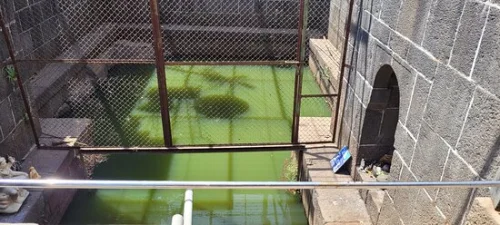
  • Ideal months: October to February for pleasant weather and safer trekking conditions, with lush greenery continuing after the monsoon.
  • Best season conditions: Cool temperatures, clear forest trails, and good visibility make it ideal for trekking, nature walks, and visiting the sacred spring associated with Gupt Bhimashankar.
  • Periods to avoid: June to September, as heavy monsoon rainfall can make forest trails muddy, slippery, and difficult to navigate. Visitors should also avoid trekking during periods of heavy rain for safety.

How to Reach Gupt Bhimashankar Temple, Maharashtra

  • Nearest Airport: The nearest airport is Pune International Airport, approximately 125 km from Gupt Bhimashankar Temple. From Pune, visitors can hire taxis or travel by bus to Bhimashankar Wildlife Sanctuary and continue to the temple.
  • Nearest Railway Station: Pune Junction Railway Station, about 115 km away, is the nearest major railhead. It is well connected to Mumbai, Nashik, Hyderabad, Bengaluru, and other major cities. Taxis and state-run buses are available from Pune to Bhimashankar.
  • By Road: Gupt Bhimashankar Temple is located inside the Bhimashankar Wildlife Sanctuary, around 1.5 km from the main Bhimashankar Jyotirlinga Temple. Visitors can reach Bhimashankar by road from Pune, Mumbai, Nashik, and nearby towns using MSRTC buses or private vehicles. The final stretch to Gupt Bhimashankar requires a forest trail trek with uneven terrain and stone steps, which can become slippery during the monsoon. Comfortable walking shoes are recommended.

What to Expect When You Visit Gupt Bhimashankar Temple, Maharashtra

  • Gupt Bhimashankar Temple is a sacred spot located within the Bhimashankar Wildlife Sanctuary, a short forest walk from the main Bhimashankar Temple. The site is associated with the origin of the Bhima River and is surrounded by dense Western Ghats forest.
  • Visitors reach the temple by following a descending forest trail with stone steps and uneven sections. The route requires moderate walking and may not be suitable for those with limited mobility.
  • The temple itself is simple and natural in appearance, with a small shrine and a stream flowing through the area. The surroundings are quiet and attract both pilgrims and nature enthusiasts.
  • Facilities at Gupt Bhimashankar are minimal. Drinking water, restrooms, parking, food stalls, and shops are available near the main Bhimashankar Temple, but there are no significant amenities along the forest trail.
  • The trail can become slippery during the monsoon due to rainfall, wet rocks, and fallen leaves. Wearing sturdy footwear with good grip and walking carefully is recommended.
  • As the temple lies within a protected forest area, visitors should stay on the designated path, avoid littering, and refrain from disturbing wildlife or natural vegetation.
  • The site is generally less crowded than the main Bhimashankar Temple, although visitor numbers increase on weekends, during Maha Shivaratri, and in the peak monsoon travel season.
  • Mobile network coverage may be inconsistent in parts of the sanctuary. Carrying essential items such as water, rain protection during the monsoon, and personal medicines is advisable before starting the walk.

Important Visitor Information for Gupt Bhimashankar Temple, Maharashtra

  • Crowd and weather: The temple receives the highest number of devotees during Maha Shivaratri, the Shravan month, weekends, and public holidays. The monsoon season brings heavy rainfall to the Bhimashankar forest region, making trails wet and slippery.
  • Peak and quiet visiting hours: Early morning offers a quieter atmosphere and a more comfortable walk through the forest. Visitor numbers increase significantly during weekends, festivals, and late mornings.
  • Dress code: Gupt Bhimashankar Temple is a sacred Hindu site dedicated to Lord Shiva. Visitors should wear modest clothing suitable for a religious place and footwear should be removed before entering the temple area.
  • Safety and practical cautions: The temple is reached via forest trails with uneven natural terrain. Wear sturdy footwear with good grip, be cautious during the monsoon, and avoid venturing off marked paths. As the temple lies within the Bhimashankar Wildlife Sanctuary, visitors should not disturb wildlife or litter the forest.

Photography and Viewpoints at Gupt Bhimashankar Temple, Maharashtra

  • The forest trail leading to Gupt Bhimashankar, the natural rock formations, and the sacred stream believed to emerge from the Bhima River provide the best locations for nature and pilgrimage photography.
  • Morning offers the most favorable lighting, with sunlight filtering through the dense forest canopy and better visibility along the trekking route. During the monsoon, mist adds atmosphere but can reduce long-distance views.
  • Photography is generally permitted along the trekking path and at the natural surroundings. Visitors should respect the sanctity of the shrine and follow any instructions regarding photography at the worship area.
  • The trail can become slippery during the monsoon season, and narrow sections may slow movement, making it necessary to pause only at safe locations for photography.
  • Weekends and the Mahashivratri pilgrimage period see increased visitor numbers, while weekday mornings usually provide quieter conditions for capturing the forest landscape and sacred site.

Near By Attraction

Moksha Kund in Bhimashankar during daylight, featuring sacred water tank and ancient stone walls, perfect spiritual experience, Maharashtra tour packages. Kund

Moksha Kund

Moksha Kund is a sacred water tank located within the Bhimashankar Temple complex in Bhimashankar, Pune District, Maharashtra.
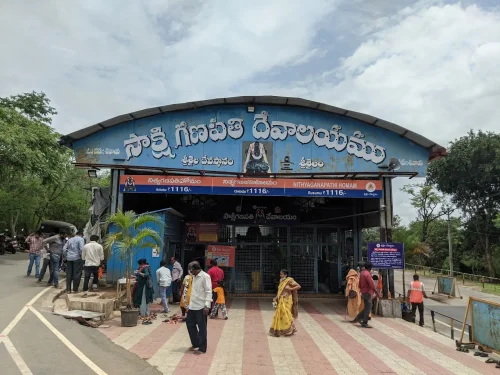
Sakshi Ganapati Temple in Srisailam during daylight, featuring temple entrance and devotees, perfect spiritual experience, Andhra Pradesh tour packages. Temple

Sakshai Ganesh Mandir

Sakshi Ganesh Mandir is a Hindu temple dedicated to Lord Ganesha, located near the Bhimashankar Temple in Maharashtra.
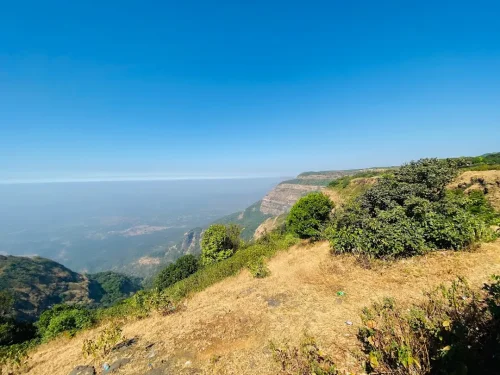
Mumbai Point in Mahabaleshwar during daylight, featuring panoramic valley views and lush hills, perfect nature experience, Maharashtra tour packages. Viewpoint

Mumbai Point

Mumbai Point is a scenic viewpoint located in the Bhimashankar Wildlife Sanctuary, Maharashtra.

Frequently Asked Questions About Gupt Bhimashankar Temple

Gupt Bhimashankar Temple is famous as the sacred place where devotees believe the holy Bhima River originates after disappearing near the main Bhimashankar Temple. It is revered for its spiritual significance and peaceful forest surroundings.
The temple is located amidst dense forest and is associated with Lord Shiva and the source of the Bhima River. Its serene atmosphere and natural setting attract pilgrims, trekkers, and nature lovers.
Gupt Bhimashankar Temple is generally accessible during daylight hours. Visitors are advised to visit in the morning or early afternoon for a comfortable and safe experience.
The best time to visit is from October to February for pleasant weather. The monsoon season offers lush greenery, but forest trails can become slippery and require extra caution.
There is generally no entry fee to visit Gupt Bhimashankar Temple. Visitors should check for any local parking or forest-related charges before travelling.
Visitors can reach Bhimashankar by private car, tourist vehicle, or local cab. From the main temple area, Gupt Bhimashankar Temple is reached by a forest trail that requires a moderate walk.
Parking is available near the main Bhimashankar Temple for private cars and tourist vehicles. Visitors must walk from the parking area to reach Gupt Bhimashankar Temple.
The nearest airport is Pune International Airport, approximately 125 km away. Visitors can hire a private car, tourist vehicle, or local cab to reach Bhimashankar.
The nearest major railway station is Pune Junction, around 110 km away. Local cabs and tourist vehicles are available for onward travel to Bhimashankar.
The temple is suitable for families, but the forest trail may be challenging for senior citizens and visitors with limited mobility. Comfortable footwear is recommended.
Visitors should wear modest clothing suitable for a sacred place. Revealing outfits should be avoided, and comfortable clothing and footwear are recommended for the forest walk.
Photography is generally allowed in outdoor areas. Visitors should respect religious sentiments, follow local instructions, and avoid disturbing worshippers.
Visitors should maintain silence, avoid littering, remove footwear where required, and refrain from consuming non vegetarian food, alcohol, tobacco, or smoking within the temple premises.
No permit is required to visit Gupt Bhimashankar Temple. Visitors should follow forest safety guidelines and temple regulations during their visit.
Nearby attractions include Bhimashankar Jyotirlinga Temple, Moksha Kund, Hanuman Lake, Nagphani Point, and the Bhimashankar Wildlife Sanctuary.

Loved this place ? Let’s Plan Your Maharashtra Trip

Get customized Maharashtra tour planning designed around seasonal weather shifts, long-distance road travel flow, hill station comfort, coastal timing, and heritage exploration pacing. Whether you are visiting for historic caves, spiritual journeys, beach

⚑ Quick Response | πŸ’° Free consultation | πŸ•’ 24Γ—7 expert support

×

Plan Your Trip