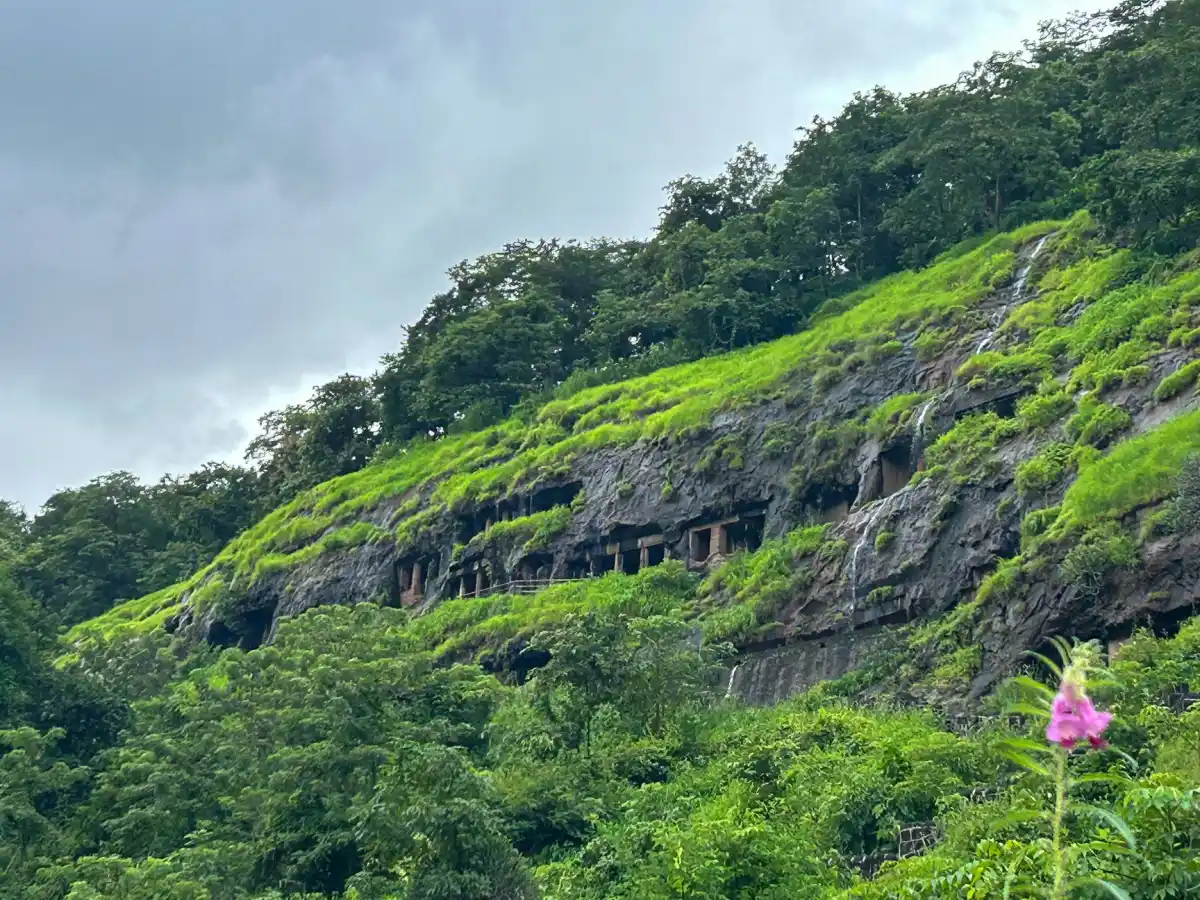
Gandharpale Buddhist Caves, Mahad, Raigad District, Maharashtra, India

Gandharpale Buddhist Caves , Mahabaleshwar
Dating from around the 2nd century BCE to the 3rd century CE, the caves feature viharas, chaityas, rock-cut water cisterns, and inscriptions from the early Buddhist period. Visitors come to explore their archaeological significance, Buddhist heritage, and panoramic views of the surrounding landscape.

Quick Facts About Gandharpale Buddhist Caves

Gandharpale Buddhist Caves, Mahad Quick Facts

Entry Fee Free
Timings Generally open from sunrise to sunset.
Altitude (m) Approximately 85 m
Ideal Visit Duration 1–2 hours
Best Time of Day Early morning or late afternoon for comfortable weather and better lighting inside the caves.
Crowd Level Low to moderate; weekends and holidays attract more visitors.
Distance from City Centre (km) Approximately 3 km from Mahad town centre.
Walking Difficulty Moderate; visitors must climb a flight of stone steps to reach the caves.
Parking Available Yes, limited parking is available near the base of the hill.
Last Mile Access Motorable road reaches the base, followed by a climb on stone steps to the cave complex.
Suitable for Kids Yes, with adult supervision during the climb.
Suitable for Seniors Only if comfortable climbing several steps to reach the caves.
Wheelchair Friendly No; the caves are accessible only by climbing steps.

Why Visit Gandharpale Buddhist Caves, Mahad, Maharashtra

Visitors come to Gandharpale Buddhist Caves to explore a group of ancient rock-cut Buddhist caves dating to the early centuries CE. The site attracts history enthusiasts, archaeology lovers, and travelers interested in Maharashtra's Buddhist heritage.

The atmosphere is quiet and uncrowded, with a short uphill walk leading to a series of caves carved into a rocky hillside. The surroundings offer peaceful views of the nearby landscape, making the visit both historically interesting and naturally scenic.

What makes Gandharpale Buddhist Caves distinct is its well-preserved chaitya, viharas, ancient inscriptions, and rock-cut water cisterns that reflect the region's early Buddhist monastic traditions. Its location near Mahad also makes it a worthwhile heritage stop for travelers exploring the Konkan region.

History of Gandharpale Buddhist Caves, Mahad, Maharashtra

Gandharpale Buddhist Caves, also known as Mahad Caves, are a group of ancient rock-cut Buddhist monuments located near Mahad in Raigad district, Maharashtra. Despite sometimes being associated with Mahabaleshwar due to regional travel itineraries, the caves are situated near Mahad, not in Mahabaleshwar. They were excavated between the 3rd and 6th centuries CE and are among the important Buddhist cave complexes of the Konkan region.

The complex consists of 30 rock-cut caves, including viharas (monastic residences), chaitya halls (prayer halls), water cisterns, and inscriptions. The caves were developed during a period when Buddhism flourished along the ancient trade routes connecting the Deccan Plateau with the Konkan coast, serving as a residence and place of worship for Buddhist monks.

Today, Gandharpale Buddhist Caves are protected by the Archaeological Survey of India (ASI) and attract visitors interested in Buddhist heritage, ancient rock-cut architecture, and the history of early monastic settlements in western India.

Best Time to Visit Gandharpale Buddhist Caves, Mahad, Maharashtra

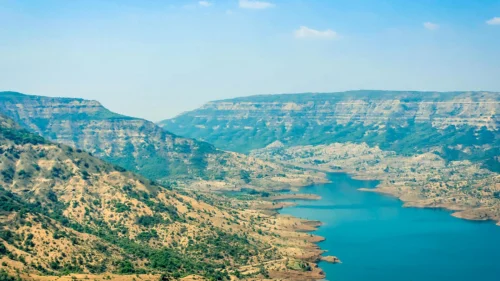
The best time to visit Gandharpale Buddhist Caves is from October to February, when the weather is pleasant for climbing to the rock-cut caves and exploring the site comfortably. The caves can also be visited during the monsoon, when the surrounding hills become lush, though the approach trail may be slippery.
  • Ideal months: October to February for comfortable hiking, sightseeing, and exploring the cave complex.
  • Best season conditions: Cool, dry weather provides pleasant conditions for the short uphill walk and offers clearer views of the surrounding landscape.
  • Periods to avoid: June to September if you prefer dry trails, as monsoon rains can make the rock-cut steps and pathways slippery. March to May can be hot during the daytime, making the climb less comfortable.

How to Reach Gandharpale Buddhist Caves, Mahad, Maharashtra

  • Nearest Airport: The nearest airport is Pune International Airport, approximately 120 km from the Gandharpale Buddhist Caves. Mumbai's Chhatrapati Shivaji Maharaj International Airport, about 170 km away, is another major gateway with wider flight connectivity.
  • Nearest Railway Station: Veer Railway Station, around 30 km away, is the closest railway station. For better rail connectivity, many visitors use Mangaon Railway Station, approximately 20 km from the caves, on the Konkan Railway route.
  • By Road: Gandharpale Buddhist Caves are located near Mahad in Raigad district, Maharashtra, and are easily accessible from the Mumbai–Goa Highway (NH 66). The caves are about 5 km from Mahad town and can be reached by private vehicle, taxi, or local transport. A flight of stone steps leads from the parking area to the caves, requiring a moderate uphill walk. The steps may become slippery during the monsoon, so visitors should wear suitable footwear.

What to Expect When You Visit Gandharpale Buddhist Caves, Mahad, Maharashtra

  • Gandharpale Buddhist Caves are a group of ancient rock-cut caves situated on a hillside near Mahad in Raigad district, Maharashtra. The site offers a quiet setting with views of the surrounding valley and countryside.
  • Visitors reach the caves by climbing a flight of stone steps from the base of the hill. The ascent is moderately strenuous and may require extra care during the monsoon when the steps can become slippery.
  • The caves contain rock-cut viharas (monastic cells), chaitya-style features, water cisterns, and inscriptions dating to the early Buddhist period. The interiors are simple and naturally lit, with limited artificial lighting.
  • Facilities at the archaeological site are minimal. Basic parking may be available near the entrance, but drinking water, food outlets, and restrooms are limited, so carrying essentials is advisable.
  • The caves are protected by the Archaeological Survey of India. Visitors should avoid climbing on ancient structures, touching carvings, or leaving litter within the monument complex.
  • The site is generally uncrowded except on weekends and public holidays, making it suitable for visitors interested in history, archaeology, and quiet exploration.
  • Photography for personal use is generally permitted in the open areas. The elevated location also provides opportunities to capture views of the surrounding landscape.
  • Monkeys may occasionally be seen near the hill, and weather conditions can change quickly during the monsoon. Wearing sturdy footwear and carrying sufficient drinking water is recommended.

Important Visitor Information for Gandharpale Buddhist Caves, Mahad, Maharashtra

  • Crowd and weather: The Gandharpale Buddhist Caves are generally less crowded than many other cave monuments in Maharashtra. Visitor numbers increase during weekends, public holidays, and the winter season (October to February). During the monsoon, the surrounding hills become lush, but the pathways and rock-cut steps can be slippery.
  • Peak and quiet visiting hours: Early morning is the best time to explore the caves in cooler temperatures and with fewer visitors. Late mornings and afternoons can be warmer, especially during summer.
  • Dress code: There is no mandatory dress code. Comfortable clothing and sturdy footwear with good grip are recommended, as reaching the caves involves climbing rock-cut steps.
  • Safety and practical cautions: The caves are accessed via a stepped hillside trail with uneven rock surfaces. Exercise caution while climbing, particularly during or after rain. Avoid climbing on ancient carvings or cave structures, and carry drinking water, as facilities at the caves are limited.

Photography and Viewpoints at Gandharpale Buddhist Caves, Mahad, Maharashtra

  • The best photographs are taken from the rock-cut cave entrances, where visitors can capture the ancient Buddhist façades along with panoramic views of the Savitri River valley and the surrounding hills.
  • The upper caves provide elevated viewpoints overlooking Mahad and the nearby landscape, while the carved pillars, stone benches, and chaitya-style features offer excellent subjects for architectural photography.
  • Early morning and late afternoon provide the most balanced natural light for photographing the cave interiors and exterior rock faces. Midday sunlight can create strong contrasts inside the caves.
  • Photography for personal use is generally permitted throughout the cave complex. Visitors should avoid climbing on the rock-cut structures or using drones without the necessary permissions from the Archaeological Survey of India (ASI).
  • The caves are usually quiet on weekdays, while weekends and the winter tourist season attract more visitors. The uphill climb and uneven rock steps may require extra care when carrying photography equipment.

Near By Attraction

Babington Point Viewpoint

Babington Point

Babington Point is a scenic viewpoint located in Mahabaleshwar hill station of Satara district, Maharashtra, India.
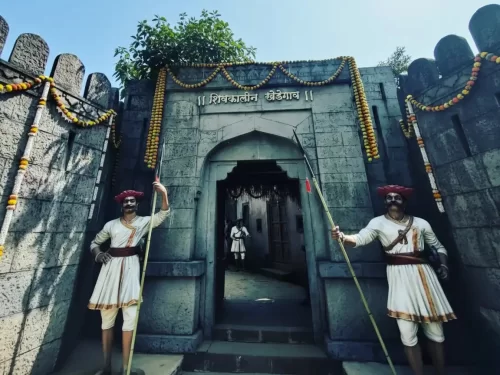
Shivkalin Khedegaon historic Maratha era village attraction in Maharashtra tour packages Tourist Attraction

Shivkalin Khedegaon

Shivkalin Khedegaon is a heritage-themed village attraction located near Mahabaleshwar in Satara district, Maharashtra, India.
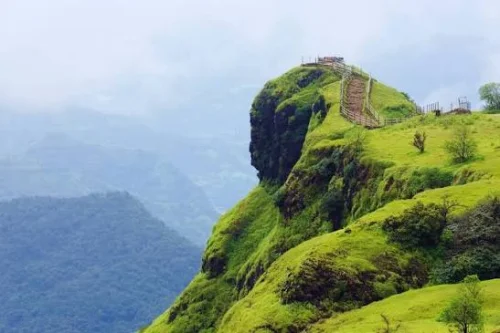
Helen's Point Viewpoint

Helen's Point

Helen's Point is a scenic viewpoint located in the hill station of Mahabaleshwar, Satara district, Maharashtra, India.

Frequently Asked Questions About Gandharpale Buddhist Caves

These rock cut Buddhist caves attract visitors because of their historical importance, peaceful surroundings, impressive carvings, and scenic hill views. Exploring the caves offers a chance to learn about ancient Buddhist heritage while enjoying a quiet natural environment.
The most pleasant time to visit is from October to March when the weather is cooler and suitable for walking. Morning hours also provide comfortable temperatures and better lighting for sightseeing and photography.
Most visitors spend one to two hours exploring the cave complex, observing the rock cut architecture, taking photographs, and enjoying the surrounding landscape at a relaxed pace.
Entry policies may change over time so visitors should check the latest information before travelling. Carrying some cash or a digital payment option is useful for tickets, parking, or refreshments if required.
Parking facilities are generally available near the entrance or access point. During weekends and holidays the parking area may become busy, so arriving early usually provides a more convenient experience.
The caves are accessible by road using buses, taxis, shared vehicles, or private cars. Visitors usually complete the final stretch on foot using the marked pathway leading to the cave complex.
Families can enjoy the visit comfortably, although the approach includes steps and uneven paths. Senior citizens should walk at a relaxed pace while children should remain supervised throughout the visit.
Wheelchair accessibility is limited because the route includes natural terrain, steps, and uneven rock surfaces. Visitors requiring mobility assistance are advised to travel with a companion.
Photography is generally permitted and visitors can capture the ancient rock carvings, cave interiors, and surrounding landscapes. Flash photography should be avoided where conservation guidelines are displayed.
Comfortable walking shoes, drinking water, sunscreen, weather appropriate clothing, personal medicines, and a camera are recommended for a safe and enjoyable visit.
Avoid climbing on protected rock surfaces, littering, touching ancient carvings, ignoring safety signs, or visiting during extreme heat without carrying enough drinking water.

Loved this place ? Let’s Plan Your Maharashtra Trip

Get customized Maharashtra tour planning designed around seasonal weather shifts, long-distance road travel flow, hill station comfort, coastal timing, and heritage exploration pacing. Whether you are visiting for historic caves, spiritual journeys, beach

⚑ Quick Response | πŸ’° Free consultation | πŸ•’ 24Γ—7 expert support

×

Plan Your Trip