+91 9910402252
admin@chalbanjare.com


| Entry Fee | INR 10 for Indians, INR 100 for Foreign Nationals; additional charges for camera |
| Timings | 10:00 AM - 5:00 PM (closed on Mondays) |
| Altitude (m) | Approx. 400 m |
| Ideal Visit Duration | 1-1.5 hours |
| Best Time of Day | Late morning or early afternoon (ideal for indoor museum visit) |
| Crowd Level | Low to moderate |
| Distance from City Centre (km) | Approx. 4 km from Aurangabad city centre |
| Walking Difficulty | Easy (indoor museum with flat floors) |
| Parking Available | Yes (available near the museum entrance) |
| Last Mile Access | Accessible by car/auto up to the museum entrance; short walk inside |
| Suitable for Kids | Yes (educational exhibits on Indian history) |
| Suitable for Seniors | Yes |
| Wheelchair Friendly | Yes (paved pathways and accessible areas inside) |
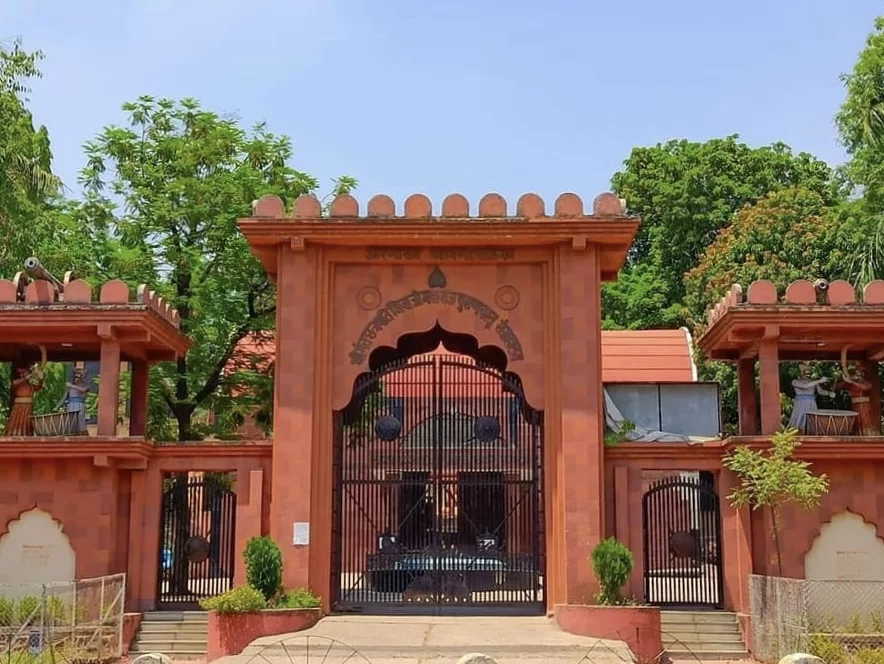
Visitors come to Chhatrapati Shivaji Maharaj Museum in Aurangabad to learn about the life and legacy of one of India's most iconic rulers, Chhatrapati Shivaji Maharaj. The museum showcases a collection of artifacts, paintings, and historical exhibits that chronicle his contributions to Indian history, including his military strategies, governance, and the establishment of the Maratha Empire.
The on-ground atmosphere is educational and immersive, with well-curated exhibits and detailed information about Shivaji Maharaj’s life. The museum’s design allows visitors to explore different periods of his reign, from his early life to his military campaigns. The ambiance is quiet, encouraging a reflective experience, where visitors can connect with the history and values of one of India’s greatest leaders.
What makes Chhatrapati Shivaji Maharaj Museum distinct for travelers is its deep connection to the Maratha Empire and the life of Shivaji Maharaj. Unlike generic museums, it focuses specifically on the ruler’s significant historical and cultural impact, offering a unique perspective on Indian history. It’s a must-visit for those interested in learning about India’s colonial resistance, military strategies, and the legacy of the Maratha warriors.
Chhatrapati Shivaji Maharaj Museum, located in Aurangabad, Maharashtra, is dedicated to the life and legacy of the legendary Maratha king, Chhatrapati Shivaji Maharaj. The museum houses a rich collection of artifacts, paintings, and sculptures that document the life and achievements of Shivaji Maharaj, one of India’s most revered warriors and rulers. The museum showcases the history of the Maratha Empire, its military strategies, administration, and Shivaji's role in shaping India’s history during the 17th century.
The museum's exhibits include portraits of Shivaji, models of forts built by him, and replicas of weapons used by the Marathas, as well as other historical documents that offer insight into the cultural and political landscape of the time. The museum not only highlights Shivaji’s military prowess but also his contributions to governance, administration, and his efforts to establish a secular and progressive kingdom.
Today, the Chhatrapati Shivaji Maharaj Museum is an important cultural and historical site, drawing visitors interested in learning about the Maratha Empire and the enduring legacy of Shivaji Maharaj. It serves as a tribute to one of India's greatest leaders and continues to inspire generations with his vision, leadership, and courage.
The best time to visit Chhatrapati Shivaji Maharaj Museum in Aurangabad is from October to March, when the weather is cooler and more comfortable for exploring the museum's exhibits, artifacts, and nearby attractions without the discomfort of summer heat or heavy monsoon rains.
Daulatabad Fort, located near Aurangabad in Maharashtra, is a historic hilltop fortress known for its strategic location, impressive architecture, and rich history. The fort offers a glimpse into medieval military defense systems and is an important tourist site in the region.
The Chhatrapati Shivaji Maharaj Museum in Aurangabad is dedicated to the life and legacy of the great Maratha warrior, Shivaji Maharaj. The museum features a collection of artifacts, sculptures, and paintings that highlight his contributions to Indian history. The museum’s architectural design and its exhibits provide rich opportunities for both cultural and architectural photography.
 Tourist Attraction
Jayakwadi Dam is a major irrigation and water-storage dam built across the Godavari River near Paithan in Maharashtra.
 Fort
Fort
Daulatabad Fort is a medieval hill fortress at Daulatabad near Chhatrapati Sambhajinagar, Maharashtra, known for its strategic defensive design and fortified hilltop setting.
 Temple
Shri Grishneshwar Jyotirlinga Temple is a historic Hindu temple dedicated to Lord Shiva, located near the Ellora Caves in Chhatrapati Sambhajinagar district, Maharashtra.
Get customized Maharashtra tour planning designed around seasonal weather shifts, long-distance road travel flow, hill station comfort, coastal timing, and heritage exploration pacing. Whether you are visiting for historic caves, spiritual journeys, beach
⚡ Quick Response | 💰 Free consultation | 🕒 24×7 expert support

