Quick Facts About Bhadra maroti
Quick Facts for Bhadra Maroti Temple, Aurangabad
| Entry Fee | Free |
| Timings | 6:00 AM - 8:00 PM (temple timings may vary on festival days) |
| Altitude (m) | Approx. 600 m |
| Ideal Visit Duration | 30 minutes to 1 hour |
| Best Time of Day | Morning (to avoid the heat and for a peaceful visit) |
| Crowd Level | Low to moderate; high on weekends and religious festivals |
| Distance from City Centre (km) | Approx. 5 km from Aurangabad city centre |
| Walking Difficulty | Easy (temple premises are accessible by stairs and paved pathways) |
| Parking Available | Yes (limited parking near the temple) |
| Last Mile Access | Accessible by car/auto up to the temple entrance; short walk to the main temple |
| Suitable for Kids | Yes |
| Suitable for Seniors | Yes (with easy access paths, but stairs to the temple may require assistance) |
| Wheelchair Friendly | Partially (some areas may require assistance due to steps) |
Why Visit Bhadra Maroti Temple
Visitors come to Bhadra Maroti Temple in Aurangabad to pay homage to Lord Maroti, a form of Lord Hanuman, and to experience the peaceful spiritual atmosphere of this ancient temple. The temple is known for its serene location and religious significance, attracting both pilgrims and tourists seeking a quiet, reflective space to connect with Hindu devotion.
The on-ground atmosphere is calm and spiritual, with devotees offering prayers and participating in rituals dedicated to Lord Hanuman. The temple’s simple architecture, surrounded by greenery, creates a peaceful environment for meditation and reflection. The sounds of chanting and bells add to the temple’s tranquil aura, making it an ideal spot for those seeking solace.
What makes Bhadra Maroti Temple distinct for travelers is its combination of religious importance and serene surroundings. Unlike larger, more commercialized temples, this site offers a more intimate and authentic spiritual experience. It’s an ideal visit for those looking to connect with local religious traditions and enjoy a quiet, peaceful retreat in Aurangabad.
History of Bhadra Maroti Temple
Bhadra Maroti Temple, located in Aurangabad, Maharashtra, is a well-known Hindu temple dedicated to Lord Maroti, another name for Lord Hanuman. The temple has historical significance for its association with local religious practices and its deep roots in the region's cultural traditions. It is an important site for devotees, particularly those seeking blessings for strength, protection, and devotion to Lord Hanuman.
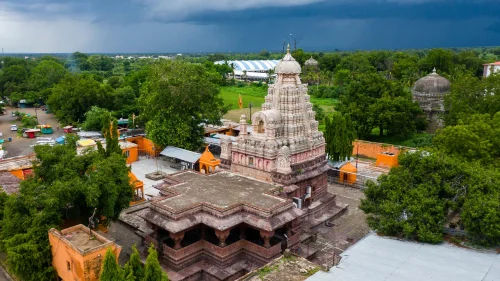
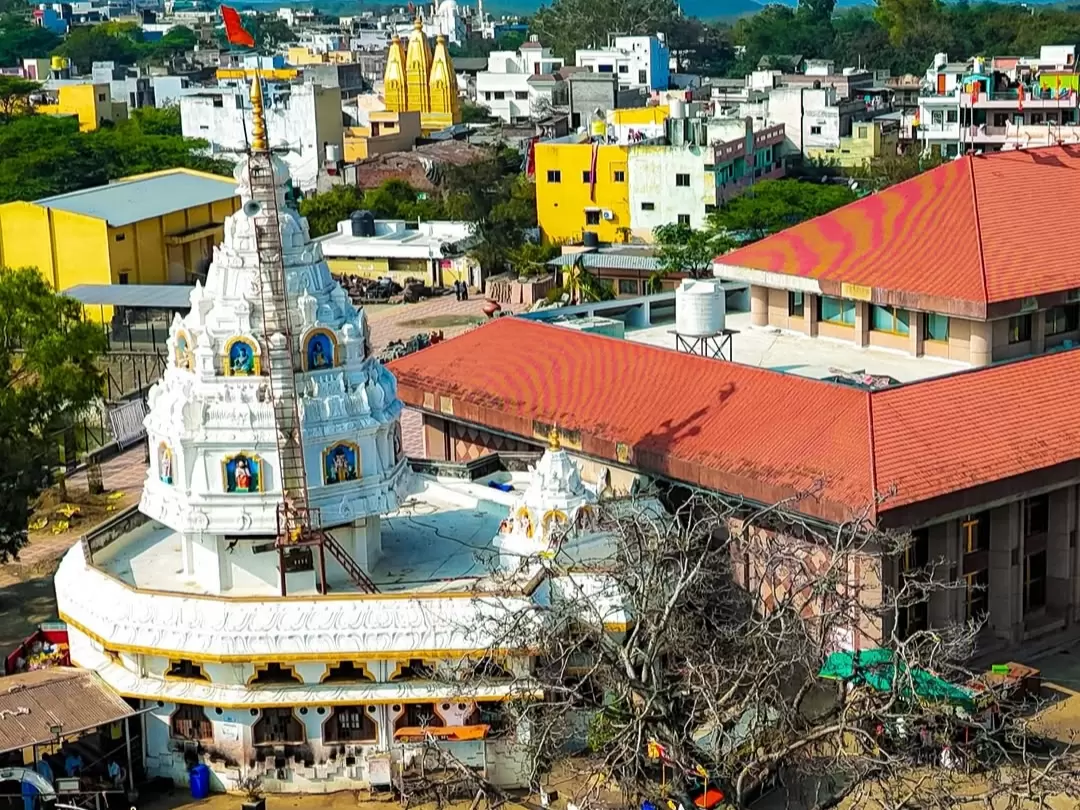
The temple is recognized for its peaceful ambiance, which makes it a popular spot for both locals and visitors. The temple’s architecture, though modest, features elements typical of traditional Maharashtra temple designs, with intricate carvings, shrines, and a serene environment ideal for prayer and meditation.
Today, Bhadra Maroti Temple remains a place of spiritual importance, particularly for those celebrating festivals like Hanuman Jayanti. It serves as a testament to the enduring popularity of Lord Hanuman's worship in the region, providing a cultural and spiritual hub for the surrounding community.
Best Time to Visit Bhadra Maroti Temple, Aurangabad
The best time to visit Bhadra Maroti Temple in Aurangabad is from October to March, when the weather is cooler and more comfortable for temple visits and exploring the surrounding area without the extreme heat of summer or the disruptions of monsoon rains.
- Ideal months: October to March, especially November to February for the most pleasant temperatures for both spiritual visits and sightseeing.
- Weather conditions during the best season: Expect temperatures between 15°C and 25°C with low humidity and dry weather, making it perfect for walking around the temple complex and enjoying the peaceful surroundings.
- Periods to avoid: April to June due to high temperatures (often above 40°C), which can make outdoor activities uncomfortable; July to September during the monsoon, when heavy rains can make temple steps slippery and reduce the ease of visiting the temple.
How to Reach Bhadra Maroti Temple, Aurangabad
- Nearest Airport: Aurangabad Airport (IXU) is the nearest airport, located approximately 10–12 km from Bhadra Maroti Temple. The airport offers domestic flights to cities like Mumbai, Delhi, Pune, and Hyderabad. Taxis and app-based cabs are available at the airport, and the drive to the temple typically takes 20–30 minutes depending on traffic.
- Nearest Railway Station: Aurangabad Railway Station (AWB) is about 5–6 km from Bhadra Maroti Temple. It is well connected to major cities like Mumbai, Delhi, and Hyderabad by express and passenger trains. Auto-rickshaws, taxis, and local buses are available for a short ride to the temple.
- Road Access: Bhadra Maroti Temple is located in the city of Aurangabad, making it easily accessible by road from the city center. The temple is situated on well-maintained city roads, and it is a short drive from key landmarks like the railway station and bus stand.
- Last-Mile Connectivity: Taxis, auto-rickshaws, and local buses provide easy access to the temple. Parking is available nearby, but during peak visiting times, such as weekends and festivals, it may become crowded. Plan for some extra time for parking and walking to the temple entrance.
What to Expect When You Visit Bhadra Maroti Temple
Bhadra Maroti Temple, located in Aurangabad, Maharashtra, is a revered religious site dedicated to Lord Hanuman, also known as Bhadra Maroti. It is an important place of worship for devotees, attracting both locals and pilgrims seeking spiritual solace.
- Environment and surroundings: The temple is situated in a serene environment, surrounded by natural beauty and calmness. The area near the temple is peaceful, with green surroundings that add to the tranquil atmosphere. Visitors can enjoy the peaceful vibe while participating in the rituals or simply reflecting in the temple courtyard. The site can get crowded during peak religious times or festivals, but it generally remains calm and quiet on regular days.
- Facilities and amenities: Bhadra Maroti Temple offers basic amenities such as a ticket counter, shoe storage, clean restrooms, and water stations. Small vendors outside the temple sell offerings, flowers, and religious items. However, there are no large restaurants or commercial facilities inside the temple premises. The focus is on religious activities, so visitors may need to explore nearby areas for food and extended services. Be prepared to bring your own water, especially if visiting for a longer period.
- Accessibility and movement: The temple is easily accessible by road from Aurangabad city, with private vehicles, rickshaws, and taxis providing easy access to the entrance. The temple complex is small and relatively easy to navigate, with paved pathways and seating areas. While there are some steps inside the temple, it is generally accessible for most visitors, including elderly or those with limited mobility. However, during crowded days or festivals, movement around the temple can slow down due to the crowds.
- Typical visitor behavior and conditions: Visitors typically come to the temple to offer prayers, perform rituals, and seek blessings from Lord Hanuman. The temple atmosphere is religious, and visitors are expected to behave respectfully. Footwear must be removed before entering the temple, and modest dress is recommended. Photography may be restricted in certain parts of the temple, particularly near the sanctum. During religious festivals, especially Hanuman Jayanti, the temple sees a surge in visitors and devotees.
Important Visitor Information for Bhadra Maroti Temple, Aurangabad
- Crowd and Weather Notes: Bhadra Maroti Temple, located in Aurangabad, is a revered religious site that attracts a steady flow of devotees, particularly during religious festivals such as Gudi Padwa, Diwali, and Mondays (for the worship of Lord Hanuman). The region has a hot and dry climate for most of the year, with summers being especially intense. Winters are more comfortable for temple visits. During the monsoon season, rain can make the paths to the temple slippery, so it’s best to check the weather before planning your visit.
- Peak and Quiet Visiting Hours: The busiest hours at Bhadra Maroti Temple are usually early morning for darshan and in the evening during aarti time. For a more peaceful experience, it’s best to visit early in the morning (6:00 AM to 8:00 AM) or later in the afternoon (4:00 PM to 6:00 PM), when the temple is less crowded, and the weather is cooler.
- Dress Code: Modest attire is recommended as the temple is a sacred site. Men generally wear dhoti or trousers with a shirt, while women wear sarees or salwar kameez. Footwear must be removed before entering the temple, so it’s advisable to wear sandals or shoes that are easy to remove.
- Safety Notes and Practical Cautions: Bhadra Maroti Temple is well-maintained, but visitors should exercise caution on the stone steps and pathways, especially during rainy weather, as they can become slippery. Keep personal belongings secure in crowded areas, especially around the temple entrance and offering counters. If visiting in summer, wear sunscreen and stay hydrated, as the sun can be intense.
Photography and Viewpoints in Bhadra Maroti Temple
Bhadra Maroti Temple, located in the heart of Aurangabad, Maharashtra, is dedicated to Lord Maroti (a form of Lord Hanuman). Known for its peaceful environment and religious significance, the temple offers a serene setting for photography, with opportunities to capture both architectural details and the temple’s spiritual atmosphere.
- Best Viewpoints for Photography: The best wide-angle shots come from the main entrance of the temple, where you can capture the grand entrance gate and the temple structure against the backdrop of the surrounding garden. Inside, the most striking shots are of the deity and the intricate carvings surrounding the sanctum sanctorum. The temple’s inner courtyard also provides opportunities to capture architectural elements like arches, pillars, and decorative carvings from various angles.
- Lighting Conditions and Time-of-Day Considerations: Early morning is ideal for photography, as the soft light highlights the temple’s stonework and creates a calm atmosphere, perfect for capturing the temple’s serene environment. Late afternoon provides warm, golden tones, especially on the temple’s façade, which adds depth and texture to your photos. Midday light can be harsh, especially in open areas, so it’s best to focus on shaded or indoor areas during this time.
- Rules and Restrictions: Photography is generally allowed in the outer premises and courtyards, but photographing inside the sanctum may be restricted due to the sanctity of the temple. Flash photography is discouraged, particularly in prayer areas, to maintain the temple’s serene atmosphere. Tripods and professional photography equipment may require prior permission, especially if used in busy areas during peak hours.
- Crowd and Access Factors: The temple is generally peaceful, but it sees an increase in visitors during weekends and religious festivals like Hanuman Jayanti. For the best photography experience, visit early in the morning on weekdays when the temple is quieter. The temple is easily accessible, but there may be more foot traffic during religious events, which can affect the ability to take unobstructed photos.