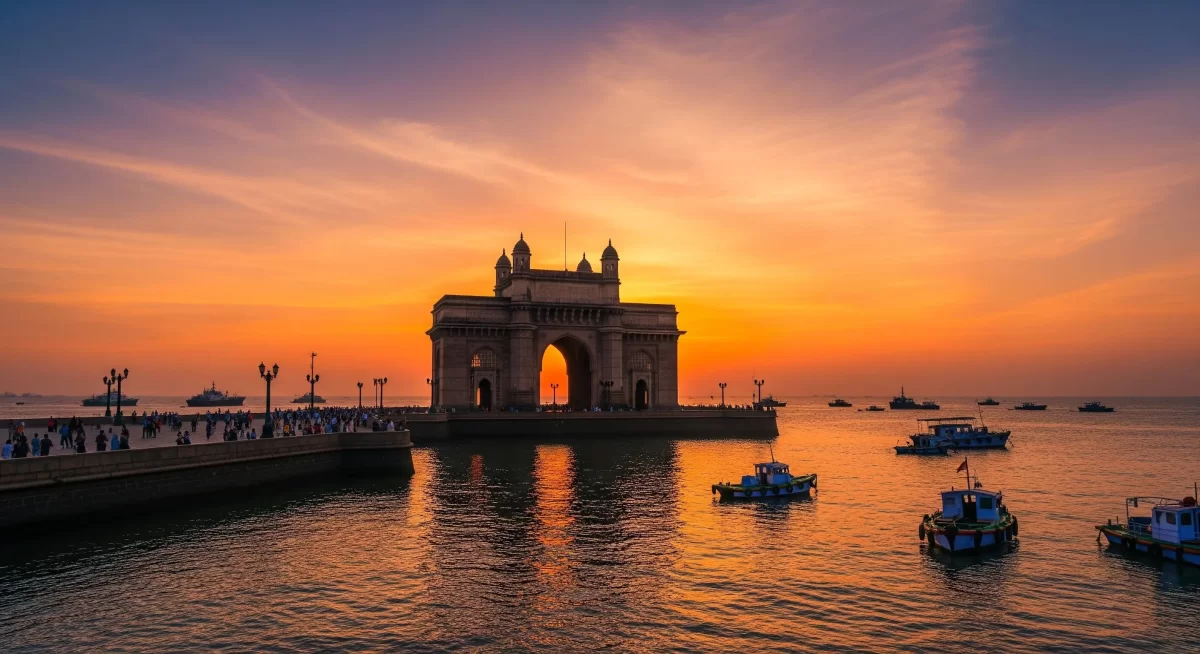
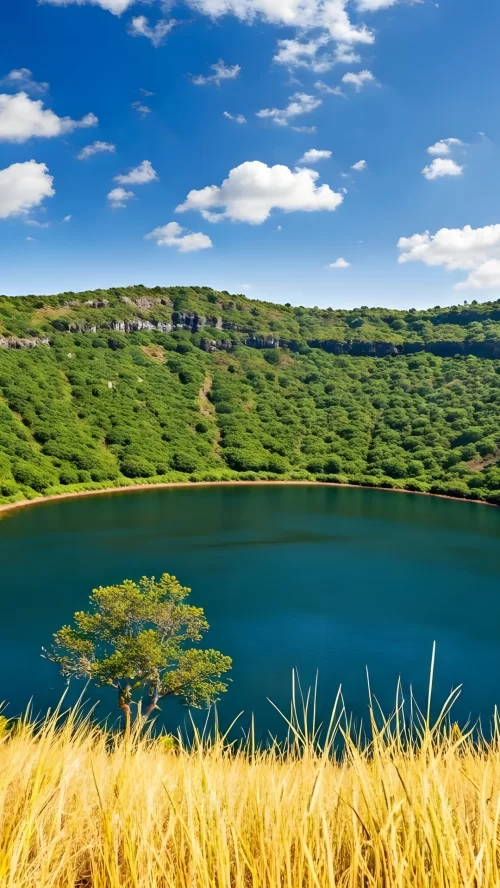
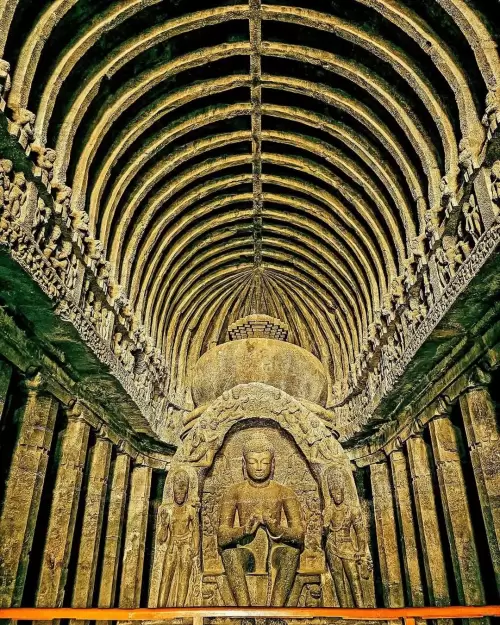
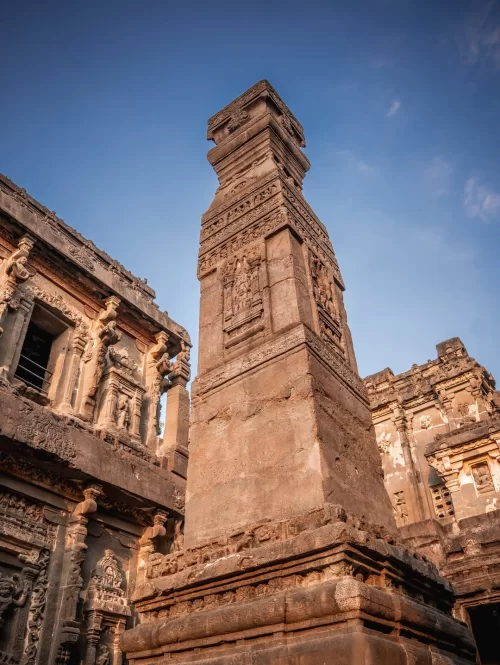
All you need to know about Maharashtra

Maharashtra offers travelers a diverse experience, from bustling urban centers to serene coastal stretches and scenic Western Ghats. Daily life is shaped by a mix of modernity and tradition, with communities valuing commerce, festivals, and regional arts. Food habits feature a blend of spicy, flavorful dishes and locally sourced ingredients, reflecting both nutrition and cultural identity.

Visitors can explore lively markets, riverside routines, and community gatherings, experiencing the vibrant energy and cultural richness of the state. Maharashtra provides an engaging travel experience where natural beauty, urban vibrancy, and authentic regional life intersect seamlessly.

What Makes Maharashtra a Unique Travel Region

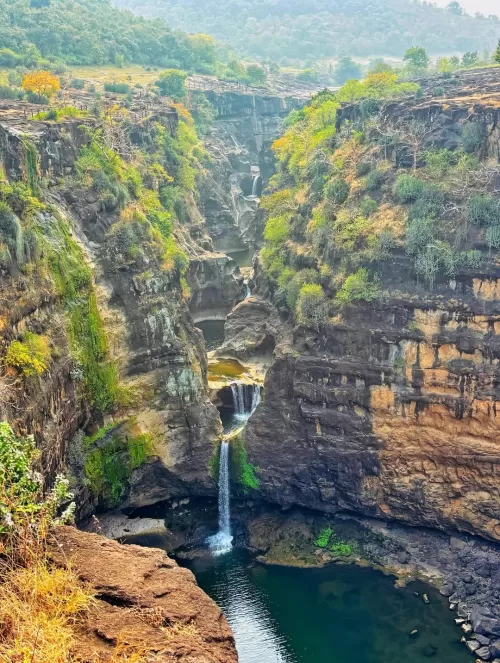
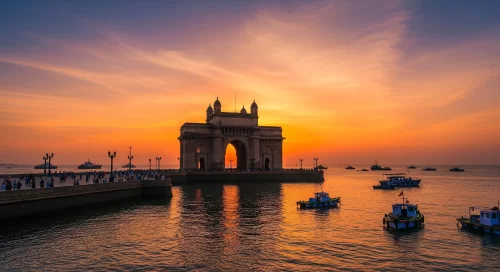
Maharashtra stands out for its dramatic contrast between coastline, plateau landscapes, forested hills, and dense urban corridors. The geography of the Western Ghats and Deccan plateau has shaped trade routes, fort architecture, agriculture, and settlement patterns for centuries. Cultural identity here blends warrior legacy, devotional traditions, artistic expression, and strong regional pride. Travel across the state feels diverse and dynamic, moving from coastal calm to heritage depth and fast-paced city energy within a single journey.

  • Geography: Western Ghats, Deccan plateau, long coastline, and varied terrain
  • Culture: Blend of historic legacy, devotional traditions, and strong regional identity
  • Travel vibe: Diverse, energetic, and experience-rich
  • Distinct experience type: Landscape-driven journeys combining heritage, nature, and urban contrast

Types of Destinations You’ll Find in Maharashtra

  • Coastal beaches and seaside stretches
  • Historic forts and heritage architecture zones
  • Hill stations and plateau landscapes
  • Spiritual pilgrimage regions and temple circuits
  • Wildlife reserves and forested valleys

Popular Tourist Circuits Across Maharashtra

Travel across Maharashtra is structured around coastal Konkan stretches, Western Ghats hill belts, heritage interiors, and large urban regions. The state is geographically expansive, so realistic planning involves clustering nearby regions instead of attempting long cross-state drives in short durations. Coastal humidity, plateau heat, and monsoon patterns significantly influence travel pacing. Hill regions require slower driving due to winding roads, while interior highways allow smoother transfers. A practical journey of seven to ten days allows meaningful exploration without excessive road fatigue.

Circuit Type Areas Covered (generic descriptions only, no place names) Ideal Duration (realistic and safety based) Travel Style
Coastal & Konkan Circuit Beach belts, fishing villages, sea forts, and coastal highways 4–6 days Leisure coastal travel with scenic road journeys
Hill & Western Ghats Circuit High-altitude hill stations, forest reserves, waterfalls, and plateau viewpoints 4–5 days Scenic drives with slower pacing due to elevation changes
Heritage & Cave Circuit Rock-cut cave complexes, historic forts, and cultural heritage towns 4–6 days Guided historical exploration with moderate road transfers
Urban & Cultural Circuit Metropolitan districts, art spaces, markets, and colonial-era neighborhoods 3–4 days City-based exploration using road and rail connectivity

Best Time to Travel to Maharashtra

Choose your travel season in Maharashtra based on your comfort with coastal humidity, inland heat, and whether you prefer heritage exploration, hill landscapes, or coastal relaxation.

Season Months Weather Conditions Travel Suitability
Winter October to February Pleasant temperatures with comfortable days and cooler evenings across most regions. Most comfortable period for sightseeing, fort visits, wildlife experiences, and extended outdoor travel.
Summer March to May Warm to hot daytime temperatures, especially inland, with coastal humidity. Suitable for travelers comfortable with heat who prefer early morning exploration and relaxed indoor schedules during peak hours.
Monsoon June to September Seasonal rainfall with lush green landscapes and moderate humidity. Ideal for those who enjoy scenic drives, refreshed hill surroundings, and a calmer travel pace.

How Many Days Do You Need to Explore Maharashtra

Trip Duration What You Can Experience Best For
5 to 6 Days A focused journey across one primary travel belt, combining heritage landmarks, coastal stretches, or hill landscapes. Travel remains comfortable with manageable road distances and balanced daily exploration. Short cultural holidays, weekend extensions, and first-time visitors.
7 to 9 Days A well-paced exploration covering historic architecture, beaches, scenic hill regions, and local cuisine. Provides time for both sightseeing and relaxed evenings without long back-to-back travel hours. Families, leisure travelers, and culture enthusiasts.
10 to 12 Days A comprehensive journey across diverse geography including forts, cave architecture, wildlife zones, and coastal drives. Longer distances are better managed with rest days for a smoother experience. History lovers, photographers, and immersive explorers.
12+ Days An in-depth exploration allowing engagement with regional traditions, rural landscapes, seasonal festivals, and extended coastal or hill relaxation. Ideal for slow travel and detailed cultural understanding. Long-stay visitors, experiential travelers, and researchers.

How Travelers Usually Explore Maharashtra

Travel across Maharashtra typically begins through its major airports or extensive railway hubs, after which visitors choose a coastal, urban, hill, or heritage-based location as their primary base. From there, exploration unfolds region-wise, as the state spans long coastlines, plateau landscapes, wildlife zones, and cultural corridors. Travel pacing is usually balanced, with structured road journeys and planned overnight stays to ensure comfortable transit across significant distances.

  • Road travel is widely used to connect coastal belts, hill stations, forts, and interior regions.
  • Rail connectivity is extensive and provides efficient intercity access across the state.
  • Local transport includes taxis, auto-rickshaws, app-based cabs, suburban rail in major cities, and regional buses.
  • Travelers often plan stay-based day trips from a central base or follow multi-day regional circuits covering distinct zones.

Culture, Food & Everyday Life in Maharashtra

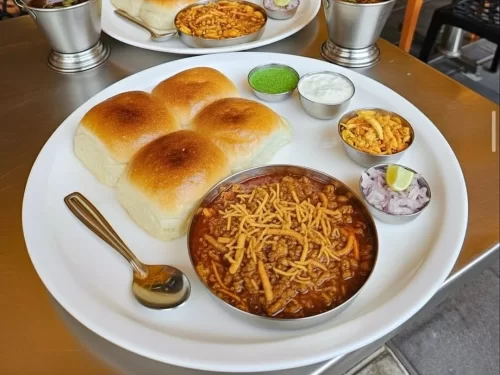
Life in Maharashtra is shaped by a diverse landscape that includes coastline, plateau regions, fertile valleys, and dense urban centers. The climate ranges from humid coastal heat to drier inland conditions, influencing daily routines, work patterns, and food preferences. Agriculture, industry, trade, and services coexist, creating a rhythm that shifts between fast-paced commercial activity and steady rural life. Social behavior often reflects a balance of practicality, respect for tradition, and progressive outlook, with strong community networks and family structures. Food habits are rooted in seasonal produce and climate suitability, focusing on grains, pulses, vegetables, and coastal ingredients that provide balanced nourishment across varying weather conditions. Meals tend to be simple yet flavorful, supporting both physically demanding work and urban lifestyles. Travelers often experience a culturally layered environment where ambition, resilience, and regional pride quietly shape everyday life.

  • Diverse geography shaping varied daily rhythms
  • Blend of industrial momentum and agrarian traditions
  • Seasonal, balanced nourishment patterns
  • Practical yet progressive social outlook

Festivals & Seasonal Travel Experiences in Maharashtra

Season Festival / Experience Type Travel Atmosphere
Winter (Nov – Feb) Heritage festivals, music events, beach tourism season Comfortable weather with active sightseeing, cultural programs, and pleasant coastal travel conditions
Spring (Mar – Apr) Color festivals, regional New Year celebrations, temple fairs Festive public participation with warm yet manageable climate and vibrant community atmosphere
Summer (May – Jun) Hill retreats, spiritual visits, early morning heritage exploration Warm temperatures with travel planned during cooler hours and steady tourism flow
Monsoon (Jul – Sep) Monsoon retreats, waterfall experiences, cultural observances Lush green landscapes, refreshed surroundings, and a scenic, relaxed travel vibe
Autumn (Oct) Major regional festivals, traditional markets, public celebrations High festive energy with balanced weather and vibrant citywide and rural celebrations

Travel Conditions, Weather & Practical Tips

  • Maharashtra experiences warm summers, a vibrant monsoon season that transforms landscapes into lush green scenery, and comfortable winters suitable for outdoor travel.
  • Summer temperatures can rise in inland regions, so planning sightseeing during early mornings or evenings helps maintain comfort.
  • The monsoon brings steady rainfall, especially in hill and coastal zones; carrying a light rain jacket and weather-friendly footwear supports smooth exploration.
  • Humidity may be noticeable in coastal areas, so breathable clothing and regular hydration enhance overall travel ease.
  • Mobile connectivity, transport infrastructure, and digital payment facilities are widely available across cities and towns.
  • Comfortable walking shoes are recommended, as heritage areas, forts, and marketplaces often involve extended walking.
  • Modest clothing is advisable when visiting religious or culturally significant locations to ensure respectful access.

Is Maharashtra Right for Your Travel Style?

  • Families looking for a mix of hill retreats, heritage sites, and coastal experiences
  • Couples seeking scenic getaways, vineyard stays, and relaxed beachside escapes
  • Seniors preferring well-connected travel routes with structured sightseeing options
  • Adventure seekers interested in trekking trails, forts, and outdoor exploration
  • Solo travellers who enjoy vibrant city life, regional cuisine, and diverse landscapes

Explore - Place to Visit, Activity to do & Food to try

Kate’s Point panoramic valley and lake view in Mahabaleshwar Maharashtra tour packages Viewpoint

Kates Point

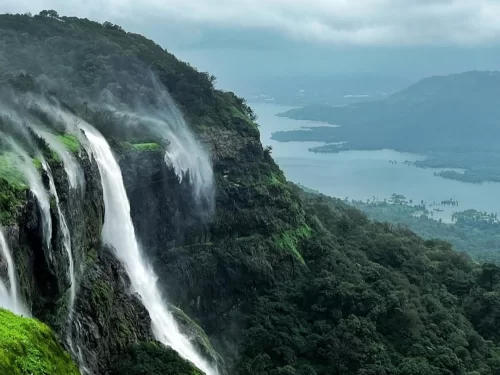
Kates Point is a famous viewpoint in Mahabaleshwar known for its stunning valley and dam views.

Kanakeshwar Temple Alibaug. Ancient hilltop Shiva temple offering scenic views and peaceful surroundings. Temple

Kanakeshwar Temple

Kanakeshwar Temple is a Hindu temple dedicated to Lord Shiva, situated on a hill near Alibag.

Murud-Janjira Fort Maharashtra Arabian Sea green boat white sail locals approaching massive black stone battlements sea water horizon blue sky; historic unconquered island coastal heritage photography package. Fort

Murud Janjira

Murud Janjira Fort is a historic sea fort located on an island off the coast of Murud, built by the Siddis in the 15th century.

Anarsa, crispy deep-fried Maharashtrian sweet made from rice flour and jaggery, coated with poppy seeds, traditional Indian festive delicacy.
Anarsa
Anarsa is a crunchy, deep-fried rice flour and jaggery sweet snack coated in poppy seeds, traditionally prepared during the Diwali festival.
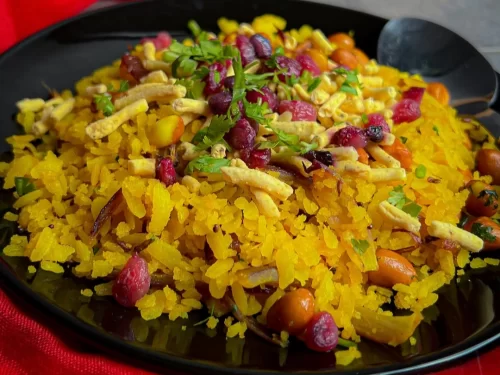
Poha made with flattened rice, peanuts, onions, and curry leaves, garnished with cilantro and pomegranate, authentic Indian breakfast with light flavorful taste.
Poha
Kanda Poha (Onion Poha) is the undisputed king of Maharashtrian breakfasts. A simple yet soulful dish, it is celebrated for its savory, "homestyle" texture and its ability to be both light and incredibly satisfying.
Basundi in thick saffron milk dessert with rose petals and pistachio garnish, authentic Indian sweet dish, rich Indian cuisine delight.
Basundi
Basundi is a luscious Maharashtrian dessert made by slow-reducing sweetened milk until it reaches a thick, velvety consistency flavored with cardamom and nutmeg.

Frequently Asked Questions

Maharashtra is known for its diverse landscapes, historic forts, cultural depth, coastal regions, hill areas, and vibrant urban life, offering one of India?s most varied travel experiences.
Maharashtra offers a multi-dimensional travel experience combining heritage, nature, culture, spirituality, and modern city exploration.
Maharashtra includes coastal belts, hill regions, plateau landscapes, heritage zones, forest areas, and major urban centers spread across the state.
Signature travel themes include heritage exploration, fort tourism, cultural travel, spiritual journeys, nature experiences, and urban discovery.
Yes, Maharashtra is rich in cultural and heritage tourism, with historic dynasties, traditional art forms, and preserved architectural landmarks.
Maharashtra has strong historical significance linked to regional empires, forts, trade routes, and cultural movements that shaped western India.
The cultural identity of Maharashtra is shaped by traditional festivals, folk arts, literature, cuisine, and a strong sense of regional pride.
Maharashtra celebrates major cultural festivals that reflect devotion, seasonal cycles, folk traditions, and community life.
The best time to visit Maharashtra is from October to March when the weather is comfortable for sightseeing and travel.
An ideal Maharashtra trip usually requires 8 to 14 days to explore multiple travel zones at a relaxed pace.
Maharashtra has excellent road, rail, and air connectivity, making multi-city and multi-zone travel efficient.
Maharashtra is suitable for family travel, offering cultural learning, nature experiences, heritage sites, and safe infrastructure.
Maharashtra suits travelers who enjoy diversity, including history, culture, nature, food, and urban experiences in one state.
Yes, Maharashtra offers strong nature and scenic travel options through hills, forests, coastal areas, and seasonal landscapes.
Maharashtra offers a wide range of accommodations including heritage hotels, resorts, city hotels, hill stays, and budget options.
Maharashtra is generally safe for tourists, with good infrastructure, organized tourism services, and connectivity.
Yes, Maharashtra supports slow travel, allowing deeper exploration of culture, heritage, and regional diversity.
Maharashtra is often combined with nearby western and central states for extended cultural and regional travel.
Maharashtra can be busy in major urban areas, while many heritage and natural regions remain calm and less crowded.
Travelers choose Maharashtra for its unmatched diversity, cultural richness, historic depth, scenic variety, and balanced travel experiences.

Loved this place ? Let’s Plan Your Maharashtra Trip

⚡ Quick Response | 💰 Free consultation | 🕒 24×7 expert support

×

Plan Your Trip