Quick Facts About Ram Ghat Ujjain
Quick Facts About Ram Ghat Ujjain
| Entry Fee | Free |
| Timings | Open 24 hours |
| Altitude (m) | 494 |
| Ideal Visit Duration | 1–2 hours |
| Best Time of Day | Early morning for aarti, evening for sunset and aarti |
| Crowd Level | Moderate to high during festivals and aarti timings |
| Distance from City Centre (km) | 0 km (central location) |
| Walking Difficulty | Easy, flat steps along the river |
| Parking Available | Limited street parking nearby |
| Last Mile Access | Accessible by auto-rickshaw or walking from central area |
| Suitable for Kids | Yes, with supervision near water |
| Suitable for Seniors | Yes, steps may require caution |
| Wheelchair Friendly | No, steps and uneven surfaces |
Why Visit Ram Ghat Ujjain
Visitors come to Ram Ghat Ujjain primarily to witness the evening aarti on the banks of the Shipra River, an activity central to the city's spiritual life.
The atmosphere is lively, with priests performing rituals, devotees gathering for prayers, and the gentle sounds of temple bells and conch shells filling the air.
Ram Ghat stands out for its riverside location within the city center, offering accessible ghats for rituals and photography while providing an authentic experience of local religious practices.
History of Ram Ghat Ujjain
Ram Ghat is one of the oldest and most significant ghats along the Shipra River in Ujjain, historically used for religious ceremonies and daily rituals by devotees.
It holds cultural and religious importance as a key location for the Kumbh Mela and other Hindu festivals, serving as a focal point for river-based worship practices in the city.
Best Time to Visit Ram Ghat Ujjain
The best time to visit Ram Ghat Ujjain is during the cooler months when the weather is comfortable for exploring the ghats and participating in rituals along the Shipra River.
- Ideal months: October to March
- Weather conditions during the best season: Mild temperatures between 15°C and 28°C, low humidity
- Periods to avoid: April to June due to extreme summer heat; July to September due to heavy monsoon rains causing slippery ghat steps and high river levels
How to Reach Ram Ghat Ujjain
- Nearest airport: Devi Ahilya Bai Holkar Airport, Indore – approximately 56 km; taxis and buses available to Ujjain
- Nearest railway station: Ujjain Junction – 3 km from Ram Ghat, frequent auto-rickshaws and taxis connect to the ghat
- Road access and last-mile connectivity: Well-connected via NH52 and city roads; last-mile access involves walking along narrow ghat steps, not suitable for heavy vehicles
What to Expect When You Visit Ram Ghat Ujjain
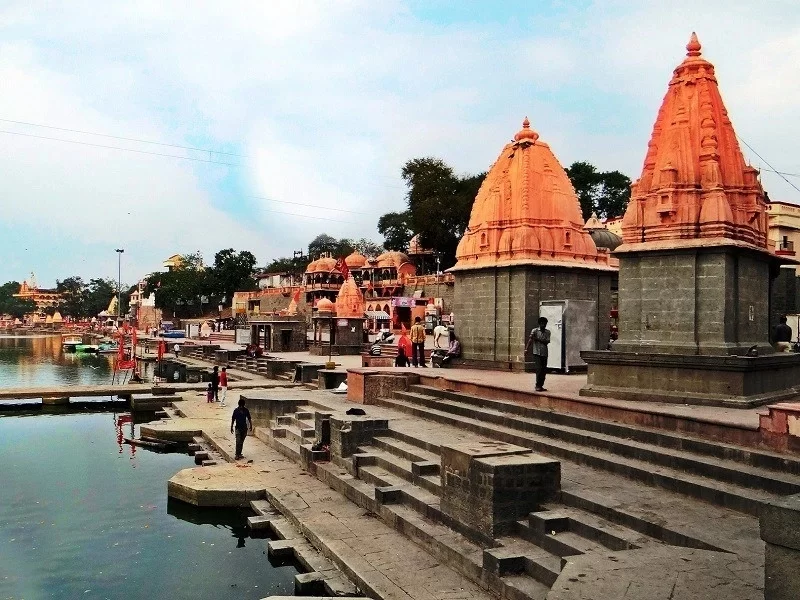
- Environment and surroundings: The ghat is located on the banks of the Shipra River, with active religious ceremonies and steps leading into the water.
- Facilities and amenities: Basic seating areas and small shops are available; limited public restrooms, no large-scale dining facilities on-site.
- Accessibility and movement: Access involves walking along stone steps; not fully wheelchair-friendly and may be slippery during river activity.
- Typical visitor behavior and conditions: Crowded during morning and evening Aarti; visitors mostly engage in rituals, photography, or riverside walks.
Important Visitor Information for Ram Ghat Ujjain
- Crowd and weather notes: Highly crowded during morning and evening Aarti; summer afternoons can be hot and humid.
- Peak and quiet visiting hours: Peak hours are 5:30–8:30 AM and 6:00–8:00 PM; quieter times are late morning and early afternoon.
- Dress code: Modest attire recommended; avoid revealing clothing due to religious setting.
- Safety notes and practical cautions: Steps can be slippery, especially during rituals; supervise children and avoid carrying large bags near the river.
Photography and Viewpoints at Ram Ghat Ujjain
- Best viewpoints: Main ghat steps along the Shipra River and the adjacent temples provide wide-angle shots of rituals and river views.
- Lighting conditions: Early morning and late evening offer soft, natural light during Aarti ceremonies; midday lighting is harsh.
- Rules or restrictions: Photography is allowed, but avoid capturing devotees’ faces without permission; drones are not permitted.
- Crowd or access factors: The ghat can be crowded during Aarti times; plan shots during quieter hours for unobstructed views.