+91 9910402252
admin@chalbanjare.com


| Entry Fee | Varies by safari zone, vehicle type (gypsy/canter), and nationality; forest permit, guide fee, and vehicle charges are billed separately. Exact rates change seasonally and are issued by MP Forest Department. |
| Timings | Safari timings vary by season and zone; typically morning and afternoon safari slots. The park is generally closed during the monsoon closure period (dates vary each year). |
| Altitude (m) | Approx. 200–500 m above sea level (park spans plateau and river valley terrain; exact altitude varies by zone). |
| Ideal Visit Duration | 1 full day (2 safaris) for a practical visit; 2 days is better for multiple zones and higher wildlife sighting chances. |
| Best Time of Day | Early morning safari for cooler temperatures and higher animal activity; afternoon safaris are better for landscape light and birding. |
| Crowd Level | Low to moderate; busiest on winter weekends and holidays (October–March). |
| Distance from City Centre (km) | Approx. 20 km from Panna city centre to the main entry areas (distance varies by gate and safari zone). |
| Walking Difficulty | Easy; standard visits are vehicle-based safaris with minimal walking. |
| Parking Available | Yes; parking is available at main gates and safari booking/boarding points. |
| Last Mile Access | Access is by road to the park gate; entry into the core safari area is only by authorized forest vehicles with a permit and guide. |
| Suitable for Kids | Yes; best for kids comfortable with 3–4 hour jeep rides and early morning starts. |
| Suitable for Seniors | Yes, if they can manage long vehicle rides over bumpy forest tracks; limited restroom access inside safari routes. |
| Wheelchair Friendly | No for core safaris; boarding jeeps and uneven terrain make it difficult. Some gate areas are accessible. |
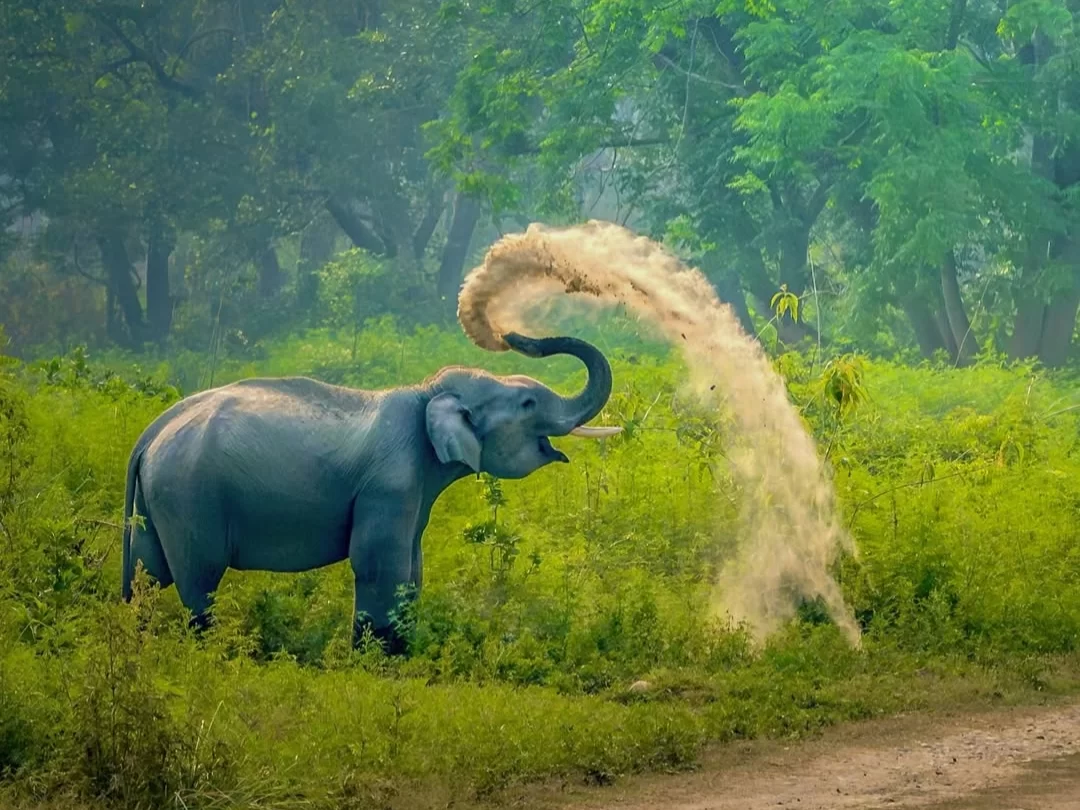
Visitors come to Panna National Park for tiger safaris in a landscape that feels noticeably different from the more famous parks of central India. The drives here are about more than big cats—along with tigers, sightings often include chital, sambar, nilgai, wild boar, and a strong chance of spotting mugger crocodiles near water.
On the ground, the atmosphere is quieter and more open than many first-time visitors expect, with dry teak forest, rocky plateaus, and wide grass patches that make wildlife movement easier to track. Safari routes regularly pass viewpoints over the Ken River, and the park’s mix of forest shade and exposed terrain creates a varied feel within a single drive.
What makes Panna National Park distinct for travelers is the way the river shapes the experience: the Ken cuts through the reserve, bringing crocodiles, birdlife, and dramatic gorges into the same trip as tiger habitat. It’s one of the few places where a classic jeep safari can include both big-game tracking and river-edge scenery, without needing to change destinations.
Panna National Park, located in Madhya Pradesh, was established in 1981 to protect the region’s dry deciduous forests, plateaus, and river ecosystems, especially along the Ken River. The park’s landscape has long supported wildlife and human settlements, but its modern identity is closely tied to conservation and protected-area management.
In 1994, Panna was designated a Tiger Reserve under India’s Project Tiger, recognizing its importance as a habitat for Bengal tigers and other large mammals. The reserve later faced a major conservation crisis when its tiger population collapsed in the late 2000s due to poaching and related pressures.
A landmark tiger reintroduction program began in 2009, with tigers relocated from other reserves and closely monitored. This recovery effort became one of India’s most closely watched wildlife restoration projects and is a defining chapter in the park’s recent history. For visitors today, Panna’s story is not only about scenery and safaris, but also about one of the country’s most significant modern conservation turnarounds.
Panna National Park is best visited between November and March for comfortable safaris, while wildlife enthusiasts seeking higher tiger sighting chances may prefer the hotter late-spring months before the park closes for monsoon.
Panna National Park in Madhya Pradesh is a dry deciduous forest landscape spread across plateaus, teak woodlands, and the Ken River valley. The experience is structured around regulated jeep safaris and fixed entry gates rather than open exploration, and most visits are time-bound to designated safari slots.
A visit to Panna National Park requires planning around safari timings, seasonal weather, and permit availability. The experience depends largely on patience, adherence to park regulations, and natural wildlife movement rather than predictable attractions.
Panna National Park in Madhya Pradesh is defined by teak forests, open grasslands, the Ken River corridor, and dramatic escarpments near Raneh Falls. Photography here depends heavily on safari zone access, seasonal vegetation density, and regulated movement within designated tracks.
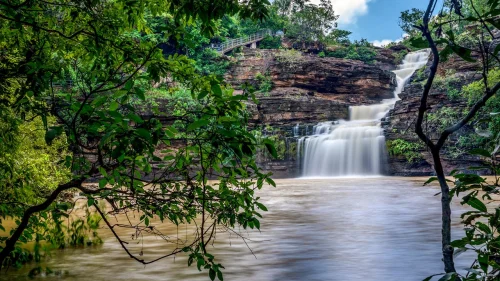 Waterfall
Pandav Falls and Raneh Falls are two prominent natural attractions in Madhya Pradesh, known for their waterfalls, geological formations, and association with the Panna landscape near Khajuraho.
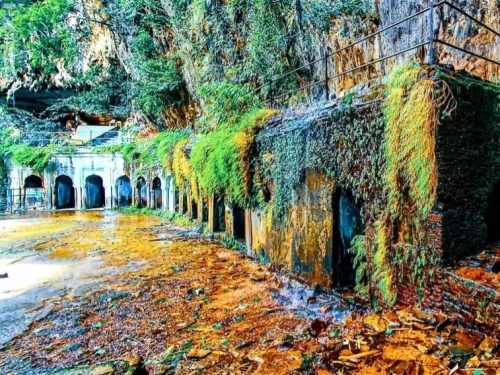 Cave
Cave
Pandav Caves is a small rock-cut cave site located near Panna town in Madhya Pradesh.
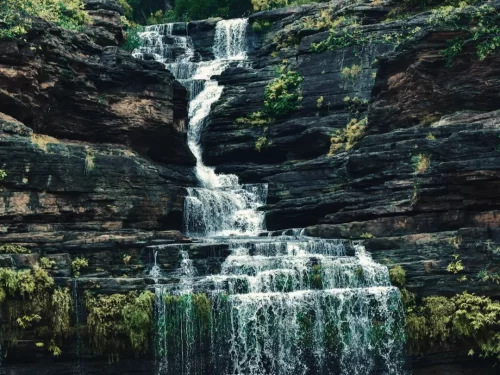 Waterfall
A scenic waterfall located near Panna, associated with local legends of the Pandavas from the Mahabharata.
Get customized Madhya Pradesh tour planning designed around safari seasons, road travel distances, heritage site exploration time, and comfortable pacing across regions. Whether you are visiting for wildlife safaris, temple architecture, historical monume
⚡ Quick Response | 💰 Free consultation | 🕒 24×7 expert support